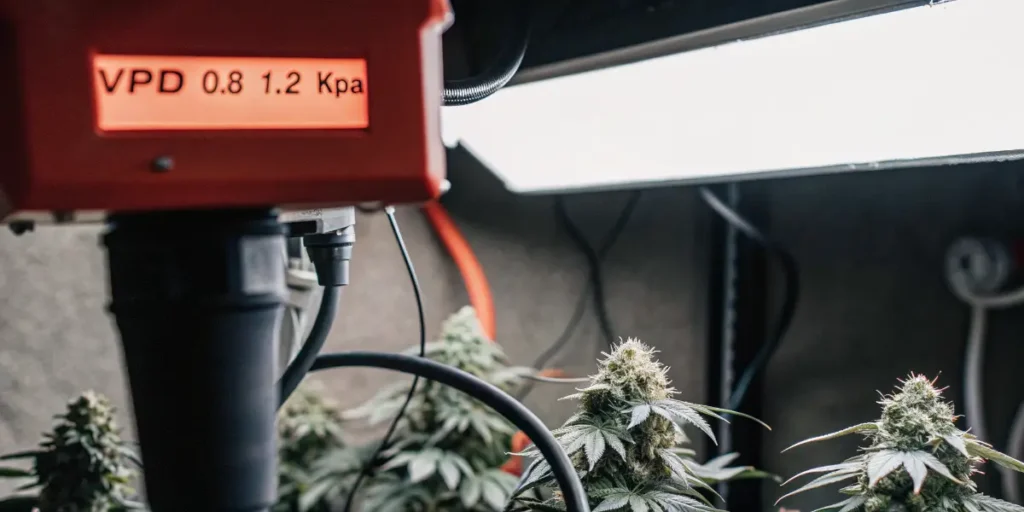
Knowing VPD and Its Importance in Cannabis Growing

VPD in Cannabis Cultivation: Vapor Pressure Deficit (VPD) is a key parameter in cannabis cultivation, influencing plant transpiration and health. Maintaining a VPD of 0.8 to 1.2 kPa during flowering enhances resin production, crucial for strains like GG4. Master growers have communicated that knowing VPD’s role can lead to higher yields and healthier plants by optimizing environmental conditions.
Mastering Vapor Pressure Deficit (VPD) is essential for cannabis growers aiming for superior terpene profiles and robust flowering. Unlike mere humidity control, VPD affects how efficiently plants transpire, directly impacting growth rates. By optimizing VPD, you can enhance terpene synthesis and improve the flowering time of strains like Super Lemon Haze.
Recommended Strains

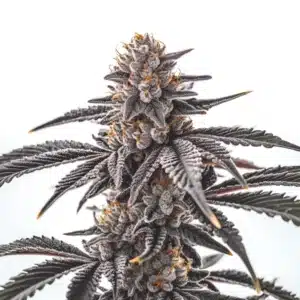
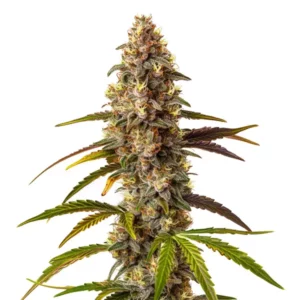
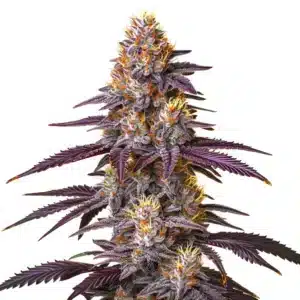
Purple Punch Autoflower

|
THC | 16% - 18% (Medium) |

|
Type | Autoflowering |

|
Yield | Medium |

|
Phenotype | 80% Indica / 20% Sativa |

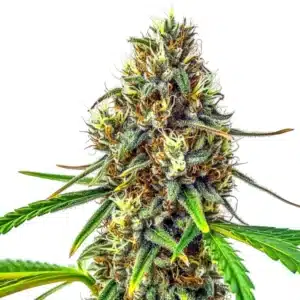
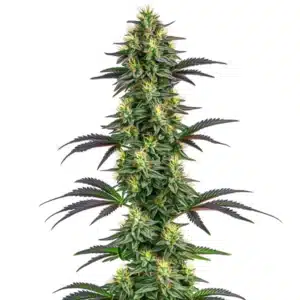
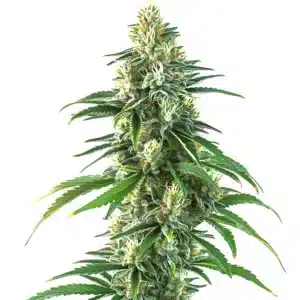
Super Lemon Haze
|
|
THC | 19% (Medium) |
|
|
Type | Feminized |
|
|
Yield | High |
|
|
Phenotype | 20% Indica / 80% Sativa |
Knowing VPD: Definition and Importance
VPD Meaning and Its Role in Plant Health
VPD, or Vapor Pressure Deficit, represents the difference between the moisture in the air and the moisture the air can hold when saturated. It is crucial for plant health because it dictates the rate of transpiration. High VPD can lead to excessive water loss, while low VPD may cause stunted growth due to insufficient transpiration.
Experienced growers report that maintaining a balanced VPD ensures that plants can uptake nutrients efficiently, leading to healthier growth. For cannabis, an ideal VPD range of 0.8 to 1.2 kPa is recommended during the flowering stage to maximize resin production.
Using a VPD Chart for Cannabis
Utilizing a VPD chart is essential for interpreting the relationship between temperature and humidity in your grow environment. A cannabis VPD chart helps you identify the optimal conditions for each growth stage. By adjusting these parameters, you can achieve a VPD that supports vigorous growth and maximizes yield.
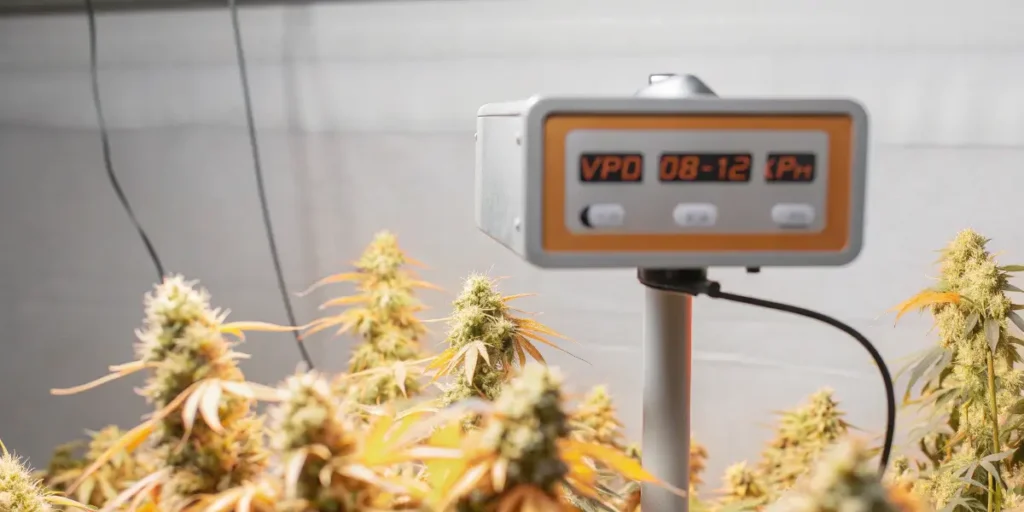
Many cultivators use digital hygrometers and thermometers to monitor these variables, ensuring they stay within the desired range. This precision helps prevent common issues like mold and nutrient lockout.
Promos & Deals
Adjusting VPD for Optimal Cannabis Growth
How to Lower VPD in Different Environments
Lowering VPD can be crucial in environments where humidity is naturally low, such as in a grow tent. To lower VPD, you can increase humidity using humidifiers or adjust temperature settings. This is particularly important in grow tents where conditions can fluctuate rapidly.
Growers often face challenges when trying to maintain a stable environment in small spaces. Using a VPD chart can guide adjustments, ensuring that your plants remain healthy and productive.
Ideal VPD for Flowering Stages
The ideal VPD for flowering stages is typically between 0.8 and 1.2 kPa. This range supports optimal transpiration and nutrient uptake, crucial for resin and terpene production. A VPD for flowering chart can help you visualize these conditions and make necessary adjustments.
During flowering, maintaining this VPD range can significantly enhance the quality of your harvest. Strains like GG4 thrive under these conditions, producing dense, resinous buds.
| Feature | GG4 | Super Lemon Haze | Purple Punch Auto |
|---|---|---|---|
| Ideal VPD (kPa) | 0.8 – 1.2 | 0.9 – 1.3 | 0.8 – 1.2 |
| THC Content (%) | 27 | 19 | 16 – 18 |
| Flowering Time (weeks) | 8 – 10 | 8 – 10 | 8 – 10 |
| Dominant Terpene | Humulene | Limonene | Myrcene |
| Yield Indoor | 1.64 – 1.97 oz/ft² | 500 – 600 g/m² | 2.62 oz/ft² | 800 g/m² | 1.15 – 1.31 oz/ft² | 350 – 400 g/m² |
Common VPD Challenges and Solutions
What is a High VPD and How to Manage It
A high VPD indicates that the air is too dry, causing plants to lose water rapidly. This can lead to wilting and nutrient deficiencies. To manage a high VPD, increase humidity or lower the temperature. This adjustment helps maintain plant hydration and nutrient uptake.
Growers often use humidifiers or adjust ventilation to achieve the desired conditions. Monitoring with a VPD chart ensures that these changes are effective.
Professional Tips for Managing VPD
- Maintain 58-62% RH during curing. Below 55% arrests terpene development; above 65% promotes mold within 48 hours. Use a digital hygrometer for accuracy.
- Keep VPD at 0.8-1.2 kPa during flowering for optimal resin production. Deviating from this range can reduce potency and yield.
- Use a VPD chart to balance temperature and humidity. This prevents nutrient lockout and promotes healthy growth.
- Monitor environmental changes with digital sensors. Rapid fluctuations can stress plants, affecting growth and yield.
- Adjust ventilation to control VPD in grow tents. Proper airflow is crucial for maintaining stable conditions.
- Regularly calibrate your sensors. Inaccurate readings can lead to incorrect adjustments, harming plant health.
FAQ
What is the ideal VPD for cannabis during flowering?
The ideal VPD for cannabis during flowering is between 0.8 and 1.2 kPa. This range supports optimal transpiration and nutrient uptake, enhancing resin and terpene production. Maintaining this VPD helps maximize yield and potency.
How can I lower VPD in my grow tent?
To lower VPD in a grow tent, increase humidity using a humidifier or reduce temperature with proper ventilation. Monitor these changes with a VPD chart to ensure they remain effective and maintain plant health.
What does a high VPD mean for cannabis plants?
A high VPD means the air is too dry, leading to excessive water loss in plants. This can cause wilting and nutrient deficiencies. Managing VPD by adjusting humidity and temperature is crucial for plant health.
How do I use a VPD chart for cannabis growing?
A VPD chart helps you balance temperature and humidity for optimal plant growth. By following the chart, you can maintain the ideal VPD range, preventing issues like mold and nutrient lockout.
What are the consequences of not managing VPD properly?
Improper VPD management can lead to stunted growth, nutrient deficiencies, and reduced yield. Maintaining the correct VPD ensures healthy plant development and maximizes potency and resin production.