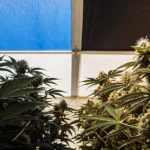
How to Grow LSD Strain

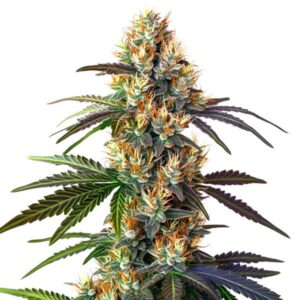
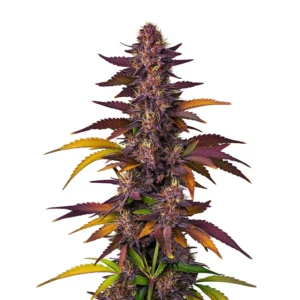
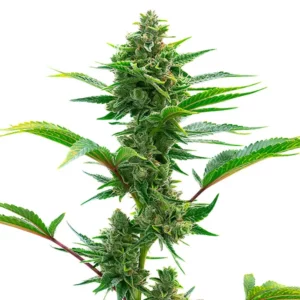
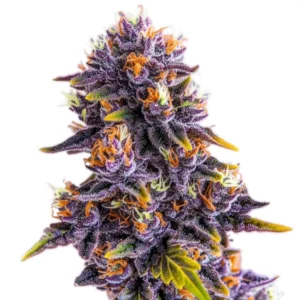
LSD strain is an Indica-dominant hybrid known for its potent effects and robust growth. With THC levels ranging from 19% to 24%, it offers a powerful, long-lasting high. This strain thrives in controlled indoor environments, making it ideal for growers seeking high yields and quality. Cultivate LSD for its resilience and adaptability, ensuring optimal conditions for maximum potency.
The LSD strain is renowned for its complex terpene profile, including Alpha-Pinene and Limonene, which contribute to its unique aroma and effects. Flowering typically lasts between 8-10 weeks, offering a swift turnaround for cultivators. This strain’s adaptability to various growing environments makes it a favorite among both novice and experienced growers.
Recommended Strains


LSD Strain Overview
What Does LSD Stand For?
LSD stands for “Lemon Sour Diesel,” reflecting its distinct flavor profile and potent effects. This strain is a cross between Mazar Sharif and Skunk #1, resulting in a 70% Indica and 30% Sativa hybrid. Its name also hints at the psychedelic-like experience it offers, with a high that is both cerebral and body-relaxing.
The strain’s genetic makeup is designed to provide a balanced high, combining the calming effects of Indica with the uplifting qualities of Sativa. This makes it suitable for a variety of uses, from recreational enjoyment to therapeutic applications. The unique combination of genetics also contributes to its resilience against environmental stressors.
In terms of cultivation, LSD is favored for its robust growth characteristics. It can withstand fluctuations in temperature and humidity, making it an ideal choice for growers in diverse climates. The strain’s adaptability ensures that it can thrive both indoors and outdoors, given the right conditions.
LSD’s robust nature is largely due to its genetic lineage. Mazar Sharif contributes to its resilience and adaptability, while Skunk #1 enhances its potency and aroma. This genetic synergy results in a plant that not only survives but thrives under varying conditions, making it a reliable choice for growers seeking consistency in yield and quality.
Growing LSD Strain Indoors
When growing LSD indoors, maintaining a controlled environment is crucial. This strain thrives in temperatures between 70-80°F (21-27°C) during the day, with slightly cooler nights to enhance resin production. Humidity levels should be kept between 40-50% to prevent mold and mildew on the dense buds.
Lighting plays a significant role in the development of the LSD strain. High-quality LED or HPS lights are recommended, providing 18-20 hours of light during the vegetative phase and a 12-hour light cycle during flowering. This ensures the plants receive the necessary light intensity for optimal growth.
For the growing medium, both soil and hydroponic setups are effective. Soil should have a pH of 6.0-6.5, while hydroponics requires a pH of 5.5-6.0. Nutrient management is essential, with a focus on nitrogen during the vegetative phase and phosphorus and potassium during flowering.
During the vegetative phase, maintaining a high nitrogen level is critical for leaf development and overall plant vigor. As the plant transitions to the flowering stage, a shift to a phosphorus and potassium-rich nutrient mix supports bud formation and enhances the production of cannabinoids and terpenes. This nutritional strategy optimizes the plant’s metabolic processes, ensuring robust growth and potent yields.
Promos & Deals

Growing LSD Strain Outdoors
Climate Considerations
Outdoors, LSD thrives in warm, sunny climates. Ideal temperatures range from 70-85°F (21-29°C), with plenty of sunlight throughout the day. In cooler regions, using a greenhouse can help extend the growing season and protect against adverse weather conditions.
Soil quality is crucial for outdoor cultivation. It should be well-draining and rich in organic matter to support healthy root development. If the natural soil is poor, consider using raised beds or fabric pots to improve the growing environment.
Regular monitoring for pests and diseases is vital, as outdoor plants are more exposed to environmental risks. Implementing preventive measures, such as using organic pest control solutions, can help maintain plant health and prevent infestations.
Outdoor cultivation benefits from the natural sunlight spectrum, which supports the plant’s full range of metabolic activities. However, environmental fluctuations require careful management. Using mulch can help retain soil moisture and regulate temperature, while strategic pruning enhances airflow, reducing the risk of mold and pest infestations.
Pest and Disease Management
LSD is relatively resistant to common pests and diseases, but vigilance is still necessary. Regular inspections for signs of pests like spider mites or aphids can prevent infestations from taking hold. Organic solutions like neem oil or insecticidal soap are effective for pest control.
Humidity control is critical, especially during the flowering phase, to prevent mold and bud rot. Maintaining airflow with fans and pruning lower leaves can help reduce humidity levels around the plants. This is particularly important in high-humidity environments.
Implementing a regular monitoring schedule for environmental conditions can help catch potential issues early. This proactive approach ensures that the plants remain healthy and productive throughout the growing cycle.
Biological controls, such as introducing beneficial insects like ladybugs, can naturally reduce pest populations. Additionally, maintaining a diverse garden ecosystem encourages natural predators, providing a balanced approach to pest management. This method not only protects the plants but also reduces the need for chemical interventions.
| Feature / Merkmal | Mazar | Skunk #1 | LSD |
|---|---|---|---|
| THC Content | 20-22% | 15-19% | 19-24% |
| Flowering Time | 8-9 weeks | 7-8 weeks | 8-10 weeks |
| Yield (indoor) | 1.4-1.6 oz/ft² (400-450 g/m²) | 1.2-1.4 oz/ft² (350-400 g/m²) | 1.5-1.8 oz/ft² (450-550 g/m²) |
| Terpene Profile | Myrcene, Limonene | Caryophyllene, Myrcene | Alpha-Pinene, Limonene |
| Resistance | High | Moderate | High |
Professional Tips for Growing LSD Strain
- Maintain 70-80°F (21-27°C) during the day to optimize growth. Temperatures above 85°F (29°C) can stress plants, reducing yield and potency. Use a digital thermometer for accuracy.
- Keep humidity between 40-50% during flowering. Higher levels can lead to mold within 48 hours. Use a hygrometer to monitor and adjust as needed.
- Provide 18-20 hours of light during the vegetative phase. Less light can stunt growth, while too much can cause light burn. Adjust light height to maintain intensity.
- Use a nutrient solution with an N:P:K ratio of 3:1:2 in the vegetative phase. Imbalances can lead to nutrient burn or deficiencies. Regularly check pH levels.
- Switch to a 1:3:2 N:P:K ratio during flowering. This supports bud development and resin production. Overfeeding phosphorus can cause lockout, so monitor closely.
- Flush with pure water in the final two weeks before harvest. This removes excess nutrients, improving flavor and smoothness. Failing to flush can result in harsh smoke.
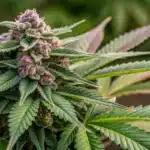
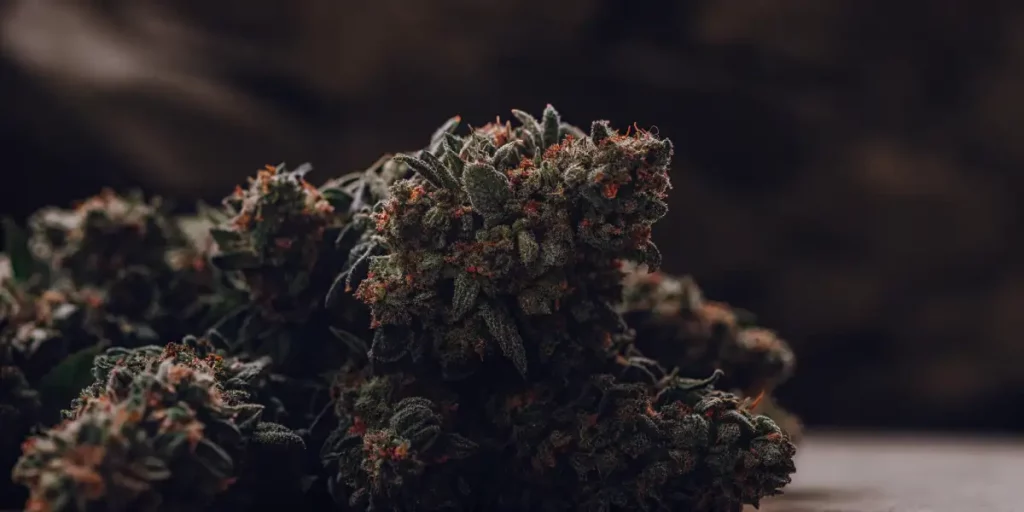
During the final stages of growth, monitoring the trichomes can guide the harvest timing. Trichomes shift from clear to milky, then amber, indicating peak THC levels. Harvesting when most trichomes are milky ensures maximum potency, while more amber trichomes provide a more sedative effect. This precision ensures the desired balance of effects in the final product.
FAQs About LSD Strain
What does the strain LSD stand for?
LSD stands for “Lemon Sour Diesel,” highlighting its distinctive flavor and potent effects. This strain is a cross between Mazar Sharif and Skunk #1, with a 70% Indica and 30% Sativa genetic makeup. It offers a balanced high, combining relaxing body effects with uplifting cerebral stimulation.
Is LSD a psychedelic drug?
No, LSD is not a psychedelic drug. While the name might suggest otherwise, LSD is a cannabis strain known for its potent effects and unique flavor profile. It provides a powerful, long-lasting high due to its THC content of 19-24%, but it does not induce psychedelic experiences.
Which strain makes you the most high?
Strains with high THC levels, such as LSD with 19-24% THC, are known for producing strong psychoactive effects. Other potent strains include Mazar and Skunk #1, which also offer high THC content and powerful highs. The specific effects can vary based on individual tolerance and consumption method.
Can I use LSD strain in edibles?
Yes, the LSD strain can be used in edibles. Its high THC content of 19-24% makes it ideal for creating potent cannabis-infused products. Decarboxylate the cannabis before infusing it into oils or butter to activate the THC. This process ensures the psychoactive effects are preserved in the final product.
How to store LSD strain for maximum potency?
Store LSD strain in airtight containers at 58-62% relative humidity and temperatures of 59-70°F (15-21°C). Use amber glass jars to protect against light exposure, which can degrade THC. Proper storage can preserve potency and flavor for 6-12 months, ensuring a quality experience with each use.