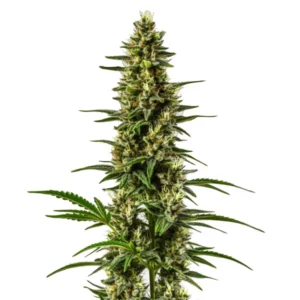
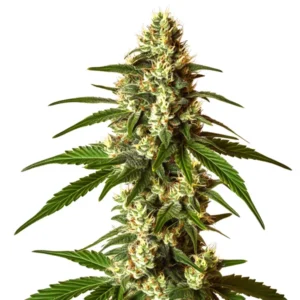
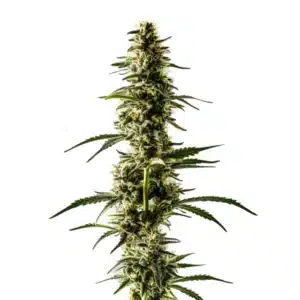
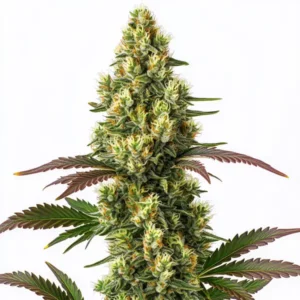
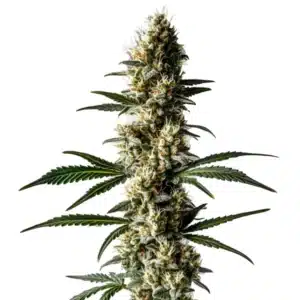
How to Grow Lemon Tree Strain

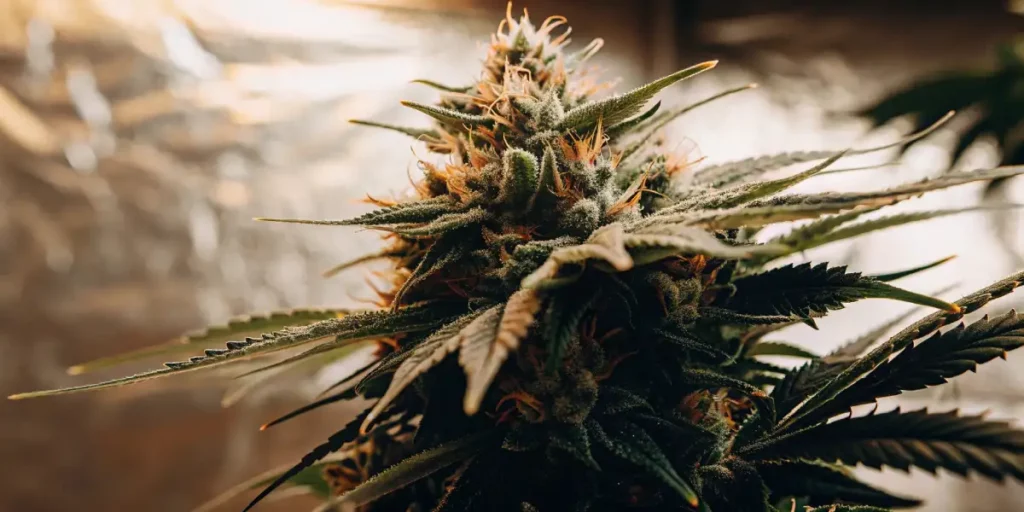
Lemon Tree is a celebrated hybrid cannabis strain with a balanced 50% indica and 50% sativa profile. Known for its potent lemon-citrus and diesel aroma, it boasts THC levels ranging from 20% to 25%. This strain delivers uplifting, euphoric effects ideal for daytime use, making it a popular choice for alleviating pain and stress.
The Lemon Tree strain is renowned for its unique terpene profile, featuring limonene and myrcene, which contribute to its citrusy aroma and calming effects. With a flowering period of 8 to 10 weeks, this strain thrives in both indoor and outdoor environments. Its robust growth and dense bud structure make it a favorite among cultivators seeking high yields.
Recommended Strains

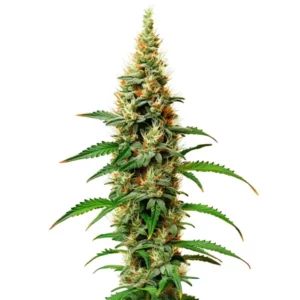
Lemon Tree

|
THC | 18% - 23% (Medium) |

|
Type | Feminized |

|
Yield | High |

|
Phenotype | 45% Indica / 55% Sativa |

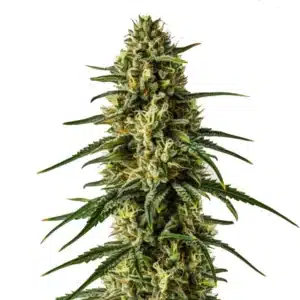
Silver Surfer Haze
|
|
THC | 20% - 25% (High) |
|
|
Type | Feminized |
|
|
Yield | High |
|
|
Phenotype | 20% Indica / 80% Sativa |
Overview of Lemon Tree Strain
Genetics and Origins
Lemon Tree is a hybrid strain resulting from the cross between Lemon Skunk and Sour Diesel. This genetic lineage imparts a vibrant citrus aroma and a diesel undertone. The strain’s balanced genetics offer a 50% indica and 50% sativa composition, making it versatile for various effects. The hybrid nature ensures a blend of uplifting and relaxing experiences.
Its genetic makeup contributes to its high THC content, typically between 20% and 25%. This potency is complemented by a terpene profile dominated by limonene (0.8-1.2%) and myrcene (0.4-0.7%). Limonene provides a citrusy scent and mood-enhancing effects, while myrcene promotes relaxation and enhances THC’s psychoactive properties.
The unique combination of these terpenes not only influences the aroma but also plays a critical role in the strain’s effects. Limonene is known to interact with serotonin receptors, potentially enhancing mood and reducing anxiety. Myrcene, on the other hand, may increase cell permeability, allowing cannabinoids to enter the bloodstream more effectively, which can amplify the effects of THC.
Lemon Tree Strain Effects
The Lemon Tree strain is known for its energizing and euphoric effects, making it ideal for daytime use. Its balanced hybrid nature offers a cerebral high, promoting creativity and focus, while also providing a sense of relaxation. The entourage effect of its terpenes enhances these experiences, making it a favorite for both recreational and medicinal users.
Users report relief from stress and pain, thanks to its high THC content and terpene synergy. The strain’s effects are long-lasting, providing a sustained uplift without the crash associated with some sativa-dominant strains. It’s particularly beneficial for those seeking relief from anxiety or depression.
From a biological perspective, the strain’s effects can be attributed to its interaction with the endocannabinoid system. THC binds to CB1 receptors in the brain, affecting areas involved in mood, memory, and pain perception. Meanwhile, terpenes like limonene may modulate neurotransmitter activity, further enhancing the strain’s therapeutic potential.
Promos & Deals
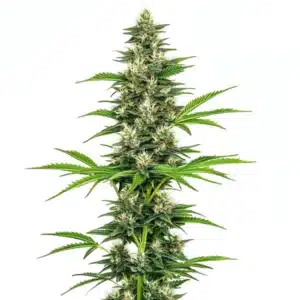
How to Grow Lemon Tree Strain
Indoor vs Outdoor Cultivation
Growing Lemon Tree indoors requires maintaining a stable environment with temperatures between 70°F – 80°F (21°C – 27°C). Adequate lighting is crucial, with LED grow lights recommended for optimal photosynthesis. Ensure a light cycle of 16-24 hours during the vegetative phase, switching to a strict 12/12 photoperiod for flowering.
Outdoor cultivation thrives in temperate climates, where the strain can benefit from natural sunlight. Ensure the soil is rich in organic matter and well-draining. Protect plants from strong winds and adverse weather to prevent damage and stress.
For optimal growth, it is essential to understand the plant’s metabolic needs. During the vegetative stage, a high nitrogen diet supports leaf and stem development. As the plant transitions to the flowering stage, reduce nitrogen and increase phosphorus and potassium to support bud formation. This shift in nutrient requirements is crucial for maximizing yield and potency.
Environmental Requirements
Maintaining the right environment is key to maximizing yield and potency. Keep humidity levels between 40% and 50% during flowering to prevent mold. Use a balanced N:P:K ratio of 1:3:2 during flowering to promote bud development.
Monitor the pH of the growing medium, keeping it between 6.5 for soil and 5.5-6.5 for hydroponics, to ensure optimal nutrient uptake. Avoid common mistakes like overwatering, which can lead to root rot and reduced yields.
Temperature control is also critical. Daytime temperatures should be maintained between 68°F – 77°F (20°C – 25°C) with a nighttime drop of 8°C – 11°C to mimic natural conditions. This temperature fluctuation can enhance terpene production and improve overall plant health.
| Feature | Lemon Tree | Bruce Banner Fast Version | Critical Daddy Purple |
|---|---|---|---|
| THC Content | 20-25% | 24-29% | 19-23% |
| Terpene Profile | Limonene, Myrcene | Caryophyllene, Limonene | Myrcene, Pinene |
| Yield (Indoor) | 1.5-1.8 oz/ft² (450-550 g/m²) | 2-2.5 oz/ft² (600-750 g/m²) | 1.2-1.6 oz/ft² (350-500 g/m²) |
| Flowering Time | 8-10 weeks | 7-8 weeks | 8-9 weeks |
| Resistance | Moderate | High | Moderate |
Professional Tips for Growing Lemon Tree
- Maintain 58-62% RH during curing. Below 55% can arrest terpene development, while above 65% promotes mold growth within 48 hours. Use a digital hygrometer for accuracy.
- Ensure light intensity of 800-1000 µmol/m²/s at peak flowering. Insufficient light can lead to lower yields and potency.
- Use a pH range of 6.0-6.5 for soil. Deviations can lead to nutrient lockout, impacting growth and yield.
- Implement low-stress training (LST) to improve light penetration and increase bud sites. Avoid high-stress techniques that can stunt growth.
- Use CO2 enrichment to boost growth rates and bud production during flowering. Maintain levels at 1200-1500 ppm for best results.
- Flush plants with pure water two weeks before harvest to enhance flavor and remove excess nutrients. Failure to flush can result in harsh-tasting buds.
FAQs About Lemon Tree Strain
Is Lemon Tree a sativa or indica?
Lemon Tree is a balanced hybrid strain with a 50% indica and 50% sativa composition. This balance provides a mix of uplifting and relaxing effects, making it suitable for various uses. Its genetic lineage includes Lemon Skunk and Sour Diesel, contributing to its unique aroma and effects.
Who found the Lemon Tree strain?
The Lemon Tree strain was developed by crossing Lemon Skunk and Sour Diesel. While the exact originators are not widely known, it has gained popularity for its unique aroma and balanced effects. Its genetics have made it a staple in many cannabis gardens.
How to store Lemon Tree strain properly?
Store Lemon Tree buds in airtight glass jars at 60-70°F (15-21°C) with a humidity level of 58-62%. This preserves its aroma and potency. Keep jars in a dark place to prevent light degradation. Proper storage can maintain quality for 6-12 months.