How to Grow Kabrales

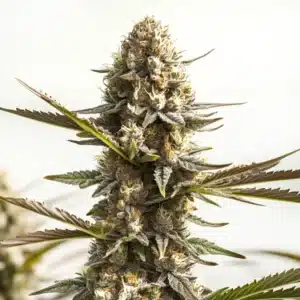
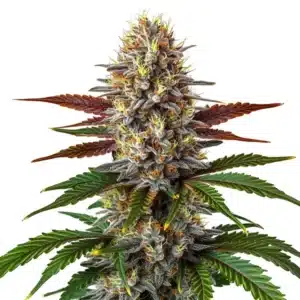
Kabrales is a funky, resinous, strongly indica feminized strain built from a Cheese x Cheese cross. It is a 90/10 indica with a medium 18-20% THC, a tangy cheese and sweet flavor, and a happy, talkative, relaxed effect. A bold, old-school Cheese through and through, it pairs a pungent, savory aroma with a reliable, easy grow.
As a feminized strain, Kabrales produces only female, flower-bearing plants, so you can skip sexing and remove the guesswork of sorting out males. Every seed goes toward productive, bud-growing plants from the start. You grow it under long days through its vegetative stage, then switch the lights to 12/12 to trigger flowering, which gives you full control over the plant’s final size and its timing.
Recommended Strains
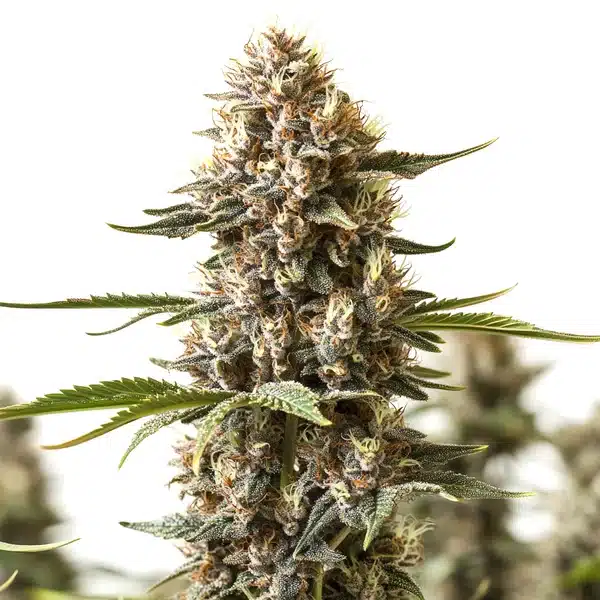
Kabrales

|
THC | 18% - 20% (Medium) |

|
Type | Feminized |

|
Yield | Medium |

|
Phenotype | 90% Indica / 10% Sativa |

Kabrales Auto
|
|
THC | 14% - 16% (Medium) |
|
|
Type | Autoflowering |
|
|
Yield | Medium |
|
|
Phenotype | 70% Indica / 30% Sativa |
Flavorful, forgiving and beginner-friendly, Kabrales is a rewarding strain to grow. You can see the full genetics and buy Kabrales seeds on the strain page, and browse the rest of our feminized seeds alongside it.
Strain Profile at a Glance
| THC | Medium (18-20%) |
|---|---|
| Lineage | Cheese x Cheese |
| Type | Feminized |
| Genetics | 90% Indica / 10% Sativa |
| Climate | Temperate |
| Flowering time | 8-10 weeks |
| Harvest (outdoor) | October |
| Height | 6.56 ft / 2 m |
| Yield indoor | 1.15-1.31 oz/ft² (350-400 g/m²) |
| Yield outdoor | 21.16-24.69 oz/plant (600-700 g/plant) |
| Grow difficulty | Easy, beginner-friendly |
| Flavors | Cheese, Sweet |
| Effects | Happy, Relaxed, Talkative |
Promos & Deals

Growing a Feminized Strain
Kabrales is a photoperiod feminized strain, which means it flowers in response to the light cycle rather than its age. You keep it under long days, usually 18 hours of light, for as long as you want it to grow and build structure, then switch to 12 hours of light and 12 hours of darkness (12/12) to tell the plant to start flowering. Because every seed grows into a female, there are no males to find and remove, so your whole crop goes toward buds.
That control over timing matters with Kabrales, which despite its indica lean can reach a fairly tall 2 m. Flip it to 12/12 once it has filled your space to keep the final height in check, and use the vegetative stage to top and train it. Spreading the canopy opens up the many bud sites and helps every flower fatten evenly across its 8 to 10 week bloom.
Climate and Where to Grow It
Kabrales suits a temperate climate and grows well both indoors and outdoors where the season is mild and reasonably warm. Outdoors in the Northern Hemisphere it finishes around October, so it works in regions with a steady autumn. At around 2 m it is a sizeable plant, so give it headroom in a tent, while outdoors it has the room to build into a strong, productive bush.
Its yield is moderate indoors, around 350-400 g/m² in an optimized setup, but it is far more generous outdoors at 600-700 g per plant, so it genuinely rewards a big outdoor grow. As a sturdy, resinous indica built on classic Cheese genetics, it carries a true skunk heritage, which is where its bold, funky aroma comes from.
That character comes straight from its parents: both sides are Cheese, so Kabrales is a concentrated, true-breeding take on that tangy, savory, skunky classic. If you prefer a faster, autoflowering version, the same line is also available as a Kabrales Auto. Keep temperatures around 68-80°F (20-27°C) and humidity sensible through flowering, and run good ventilation, because the smell really carries.
Feeding Schedule (EC Guide)
Kabrales is a resinous, productive plant that feeds moderately well, but build the nutrients gradually rather than pushing it hard early. Start light while it is young, build through the vegetative stage, shift toward phosphorus and potassium once it flips into flower, then flush at the end so the tangy, sweet cheese notes come through clean. The ranges below are a starting guide; adjust to your water and medium.
| Stage | EC (mS/cm) | Notes |
|---|---|---|
| Seedling | 0.5-0.7 | Very light feed while roots establish |
| Vegetative | 1.2-1.6 | Raise nitrogen as the plant builds structure |
| Early flower | 1.4-1.7 | Shift toward bloom nutrients (P and K) |
| Full flower | 1.6-1.9 | Peak bloom feed while the buds swell |
| Flush | 0.0-0.4 | Plain water for the final 1-2 weeks |
Flowering and Harvest
Once you flip it to 12/12, Kabrales finishes in about 8 to 10 weeks, a comfortable timeline for a productive Cheese indica. It builds dense, resinous buds on a tall frame, developing a loud, tangy cheese aroma with a sweet undertone as it ripens. That pungent funk is the hallmark of its Cheese parentage, so be ready for a fragrant grow room.
Yields are moderate indoors at around 350-400 g/m² and much larger outdoors at 600-700 g per plant where it has room to grow. Keep the colas supported and the canopy open so light reaches the lower buds, feed it steadily through flower, and harvest when most of the trichomes have turned cloudy with a few amber for the fullest tangy, cheesy-sweet flavor and the most rounded effect.
Drying and Curing
Dry whole plants or branches in a dark room at around 60°F (15-18°C) and 55-60% humidity for 7-14 days, until the thin stems snap rather than bend. A slow, even dry matters with such dense, resinous buds, because they can stay damp in the middle while the outside dries, and a gentle dry protects the bold, tangy cheese aroma that defines the strain.
Then cure the trimmed buds in sealed jars, burping them daily for the first week and letting them settle for three to four weeks. A proper cure is what rounds out the savory, funky, sweet notes and smooths the smoke, turning a freshly dried harvest into the rich, pungent, classic Cheese result Kabrales is known for.
What to Do With Your Trim
Don’t bin the sugar leaves you remove while manicuring. Kabrales is a resinous plant, so its trim is excellent for dry sift, bubble hash or rosin. That heavy resin and bold, tangy aroma make the trim genuinely valuable, turning offcuts into a flavorful concentrate run rather than waste, which is a nice bonus on top of its generous outdoor yield.
Flavor and Terpenes
Kabrales leads with a bold, tangy cheese flavor finished with a sweet undertone, the signature funk of a true Cheese line. It is a savory, pungent smoke in the classic tradition, and a good cure rounds out that cheesy, sweet character so it comes through full and smooth on the inhale.
Its terpene profile is complex and shapes that flavor. Myrcene forms an earthy, musky base, while caryophyllene adds a peppery, spicy bite that underlines the funk. Humulene brings a hoppy, earthy note that suits the cheese character, with a touch of pinene and eucalyptol adding a fresh, slightly cooling lift to one of the funkier profiles around.
Effects and Best Use
With its medium 18-20% THC and strongly indica 90/10 make-up, Kabrales delivers a comfortable, easygoing experience. It is reported as happy, talkative and relaxed, pairing a cheerful, sociable head with a settled, physical body, which makes it a versatile strain for evenings or low-key social use. The moderate potency keeps it approachable and easy to enjoy.
That happy, talkative, relaxed profile makes it a rewarding strain for unwinding or sharing with friends, alongside its bold, tangy cheese flavor. The combination of a reliable grow, a friendly potency and a distinctive, savory taste is exactly why Kabrales remains a favorite for fans of classic Cheese genetics.
Common Problems and Pro Tips
Kabrales is forgiving and beginner-friendly, but two things are worth planning for: its height and its powerful smell. Despite being strongly indica it can reach 2 m, so flip it to 12/12 once it fills your space and top or train it during veg to keep the canopy even. And because its Cheese aroma is loud, run good carbon filtration if discretion matters, as the smell carries well in flower.
Keep the air moving around its dense, resinous buds and ease the humidity down as the flowers fill out, since tight colas can trap moisture. Gentle, low-stress training during veg opens the canopy so light reaches every bud site across its 8 to 10 week bloom, and supporting the heavier branches helps as the buds swell toward the end.
As a pro tip, lean into what makes Kabrales special, its bold Cheese funk: keep the feed steady rather than heavy, protect the tangy flavor with a proper plain-water flush and a full three to four week cure, and give it the ventilation it needs. Save the resinous trim for concentrates, and harvest when most trichomes are cloudy with a few amber for a rich, savory, cheesy result.

FAQ
Is Kabrales a feminized strain?
Yes. Kabrales is a photoperiod feminized strain, so every seed grows into a female, flower-bearing plant and you never have to sex or remove males. You grow it under long days through the vegetative stage, then switch the lights to 12/12 to trigger flowering, which gives you full control over the plant’s size and when it finishes.
How long does Kabrales take to flower?
Kabrales finishes in about 8 to 10 weeks once you switch it to a 12/12 light cycle, a comfortable timeline for a productive Cheese indica. Outdoors in the Northern Hemisphere it is typically ready to harvest around October. Giving it the full window lets the dense buds pack on resin and develop their bold, tangy cheese flavor.
How much THC does Kabrales have?
Kabrales is a moderately potent strain, testing from about 18% up to 20% THC depending on the phenotype and how it is grown. Combined with its strongly indica 90/10 genetics, the result is a happy, talkative, relaxed effect. The medium potency makes it approachable and easy to enjoy, including for less experienced smokers.
Does Kabrales smell strong?
Yes, very. Its Cheese x Cheese heritage gives it a loud, pungent, tangy aroma that intensifies through flowering and carries well beyond the plant. If discretion matters, run good carbon filtration and keep the grow space well ventilated. That same bold funk is exactly what fans of classic Cheese genetics love about it.
What does Kabrales taste like?
It has a bold, tangy cheese flavor finished with a sweet undertone, the classic Cheese profile. Myrcene brings the earthy base, caryophyllene a peppery bite and humulene a hoppy, earthy depth that suits the funk. A proper three to four week cure rounds out that cheesy, sweet character on the inhale.
How much does Kabrales yield?
Kabrales is moderate indoors at around 350-400 g/m², and much more generous outdoors at 600-700 g per plant with room to grow. It genuinely shines in the ground. Give it good light penetration, an open canopy and support for the heavier branches to get the most from its dense, resinous buds.