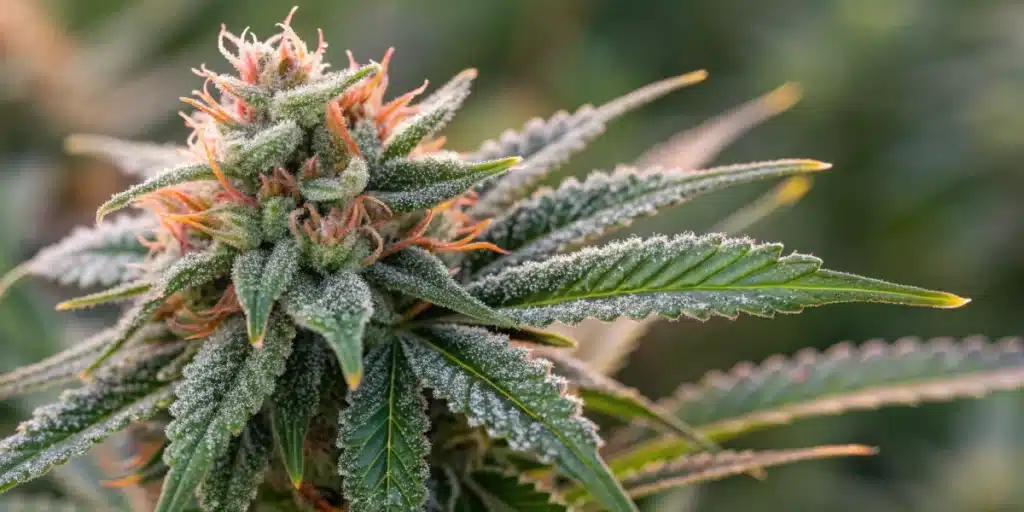
How To Grow Harlequin Strain

The Harlequin strain is a sativa-dominant hybrid known for its high CBD content, offering a 5:2 CBD to THC ratio. This unique cannabinoid profile makes it ideal for medicinal users seeking relief without heavy psychoactive effects. Cultivators appreciate its resilience and adaptability to various growing conditions, making it a versatile choice for both indoor and outdoor environments.
The Harlequin strain stands out due to its complex terpene profile, featuring myrcene at 0.8-1.2% and caryophyllene at 0.4-0.7%. These terpenes contribute to its earthy aroma and enhance its therapeutic effects. With a flowering period of 8-9 weeks, Harlequin is favored by growers for its quick turnaround and robust yields, making it a reliable option for consistent production.
Recommended Strains

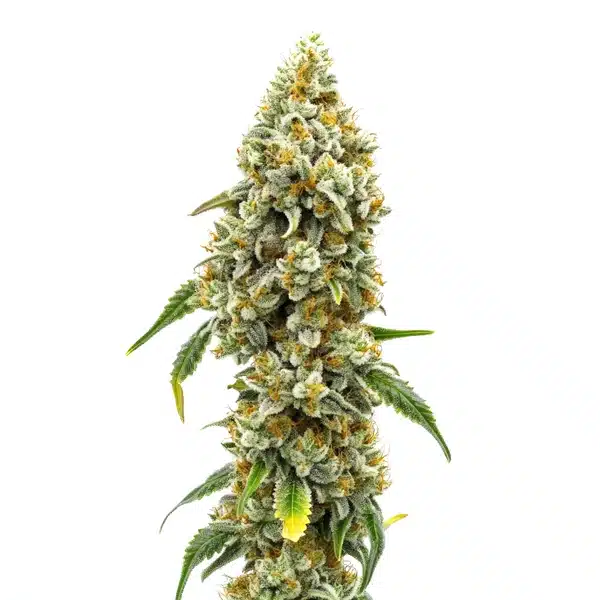
Harlequin

|
THC | 3% - 6% (Low) |

|
Type | Feminized |

|
Yield | High |

|
Phenotype | 25% Indica / 75% Sativa |
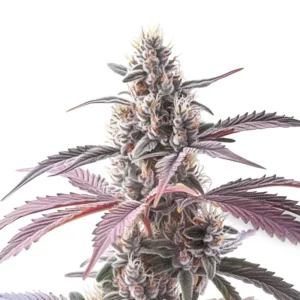
Harlequin CBD (1:18)

|
CBD | 12% – 14% (Medium) |
|
|
Type | CBD Feminized |
|
|
Yield | High |
|
|
Phenotype | 55% Indica / 45% Sativa |
What is the Harlequin Strain?
Harlequin Strain Description and Genetics
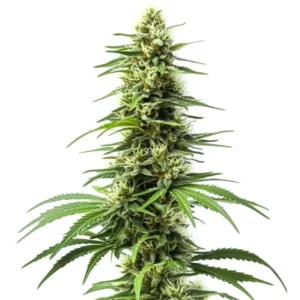
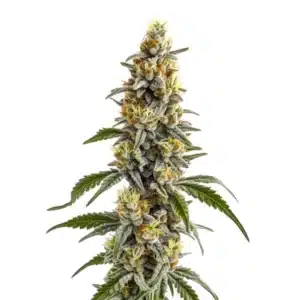
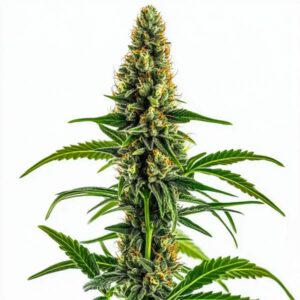
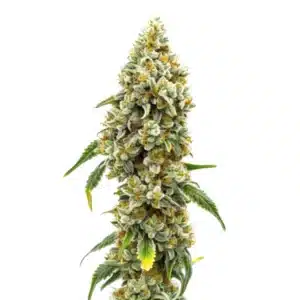
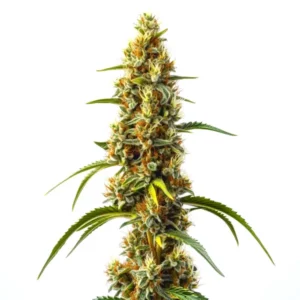
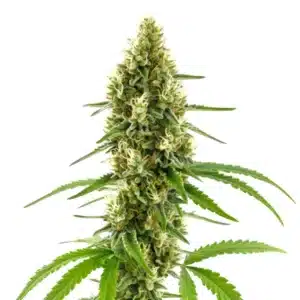
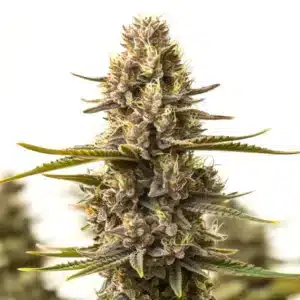
Harlequin is a sativa-dominant hybrid resulting from a cross between Colombian Gold, Thai, and Swiss Landrace strains. This genetic lineage gives Harlequin its distinctive characteristics, including dense buds with vibrant green hues and a thick layer of trichomes. The strain’s unique aroma combines earthy and woody notes with subtle hints of mango and citrus, thanks to its terpene composition.
The terpene myrcene, present at 0.8-1.2%, is known for its earthy aroma and enhances the strain’s relaxing effects by facilitating THC uptake through the blood-brain barrier. Caryophyllene, at 0.4-0.7%, adds a spicy undertone and interacts with CB2 receptors to reduce inflammation, making Harlequin a popular choice for medicinal use.
Harlequin’s cannabinoid profile, characterized by a high CBD to THC ratio, supports its therapeutic potential. The interaction of cannabinoids with the endocannabinoid system modulates pain perception and inflammation. This modulation occurs through the activation of CB1 and CB2 receptors, which are distributed throughout the central nervous system and immune cells, respectively.
Promos & Deals

How to Grow Harlequin Strain
Indoor vs Outdoor Cultivation
Harlequin thrives in both indoor and outdoor settings, adapting well to various climates. Indoors, maintain a temperature of 70-80°F (21-27°C) during the day and slightly cooler at night. Use high-quality LED grow lights to provide 800-1000 µmol/m²/s of light during peak flowering. Outdoors, choose a sunny location with well-draining soil to maximize growth potential.
Indoor cultivation offers more control over environmental factors, leading to higher yields of 1.5-1.8 oz/ft² (450-550 g/m²). Outdoor growers can achieve 21-25 oz/plant (600-700 g/plant) by optimizing sunlight exposure and protecting plants from adverse weather conditions.
For optimal growth, ensure your lighting mimics natural conditions. During the vegetative phase, provide 16-24 hours of high-intensity light to promote vigorous growth. Transition to a strict 12/12 photoperiod during flowering to trigger bud development. This photoperiod is critical for Harlequin’s flowering response and maximizing yield.
Environmental Requirements
Maintaining optimal environmental conditions is crucial for Harlequin’s growth. Keep humidity levels at 40-50% during flowering to prevent mold. A VPD (Vapor Pressure Deficit) of 0.8-1.2 kPa ensures efficient transpiration and nutrient uptake. Monitor pH levels, keeping them between 6.0-6.5 for soil and 5.5-6.0 for hydroponics to optimize nutrient absorption.
Common mistakes include neglecting humidity control, which can lead to mold issues, and improper pH management, resulting in nutrient lockout. Use a digital hygrometer and pH meter for accurate monitoring.
Temperature management is vital for Harlequin’s growth. Daytime temperatures should range from 68°F to 77°F (20°C to 25°C), with a nighttime drop of 8°C – 11°C to mimic natural conditions and enhance metabolic processes. This temperature drop supports the plant’s respiration and energy conservation, crucial for healthy development.
| Feature / Merkmal | Harlequin | Runtz | Black Widow |
|---|---|---|---|
| THC Content | 3-6% | 19-22% | 24-28% |
| CBD Content | 6-8.5% | 0.1% | 0.1% |
| Flowering Time | 8-10 weeks | 8-10 weeks | 8-10 weeks |
| Yield (Indoors) | 1.8 – 1.97 oz/ft² | 550 – 600 g/m² | 1.31 – 1.47 oz/ft² | 400 – 450 g/m² | 1.15 – 1.47 oz/ft² | 350 – 450 g/m² |
| Terpene Profile | Terpineol | Humulene | Caryophyllene |
Harlequin Strain Effects and Benefits
Medicinal Uses of Harlequin
Harlequin’s high CBD content makes it effective for managing chronic pain, inflammation, and anxiety. Its 5:2 CBD to THC ratio provides therapeutic benefits without heavy psychoactive effects, ideal for daytime use. The strain’s anti-inflammatory properties are beneficial for conditions like arthritis, while its mood-enhancing effects can alleviate symptoms of depression.
Patients report improved focus and mental clarity, making Harlequin suitable for those needing to stay productive. Its unique cannabinoid profile also supports the entourage effect, enhancing overall therapeutic outcomes.
The interaction between CBD and the body’s endocannabinoid system is critical for Harlequin’s medicinal benefits. CBD influences the production of anandamide, a neurotransmitter that regulates pain and mood. By inhibiting the enzyme FAAH, CBD increases anandamide levels, providing relief from pain and anxiety.
Recreational Effects
While primarily medicinal, Harlequin offers subtle recreational effects. Users experience mild relaxation and a sense of well-being without the intense high associated with high-THC strains. This makes it a great choice for social settings or creative activities.
Harlequin’s balanced effects are attributed to its terpene profile, particularly myrcene and caryophyllene, which modulate THC’s psychoactive properties and enhance the strain’s calming effects.
The presence of terpenes like myrcene enhances the permeability of cell membranes, allowing cannabinoids to interact more effectively with receptors. This synergy between terpenes and cannabinoids enhances Harlequin’s overall effects, providing a well-rounded experience.
Where to Buy Harlequin Seeds
Trusted Seed Banks
When purchasing Harlequin seeds, choose reputable seed banks like Blimburn Seeds, which offer feminized and autoflowering options. This ensures genetic stability and high germination rates. Blimburn Seeds provides detailed strain information and cultivation tips, supporting growers in achieving optimal results.
Always verify the authenticity of the seeds and consider customer reviews and ratings to ensure a reliable purchase experience.
Harlequin cannabis seeds are available in various forms, including regular, feminized, and autoflowering. Feminized seeds guarantee female plants, while autoflowering seeds provide a quicker harvest cycle. Choose the type that best suits your cultivation needs and environment.
Professional Tips for Growing Harlequin
- Maintain 58-62% RH during curing. Below 55% can arrest terpene development; above 65% promotes mold within 48 hours. Use a digital hygrometer for accuracy.
- Provide 800-1000 µmol/m²/s of light during peak flowering. Insufficient light reduces yield and potency. Monitor light intensity with a PAR meter.
- Keep pH levels between 6.0-6.5 for soil and 5.5-6.0 for hydroponics. Incorrect pH leads to nutrient lockout. Regularly test with a calibrated pH meter.
- Use a VPD of 0.8-1.2 kPa to optimize transpiration. Deviations can cause stress and reduce growth. Adjust temperature and humidity accordingly.
- Employ low-stress training (LST) to enhance light penetration and yield. Avoid topping, which can stress Harlequin and delay flowering.
- Transition to bloom nutrients with N:P:K 1:3:2 during flowering. High nitrogen levels can inhibit bud development. Follow the manufacturer’s feeding schedule.

FAQs about Harlequin Strain
Is the Harlequin strain indica or sativa?
Harlequin is a sativa-dominant hybrid, featuring genetics from Colombian Gold, Thai, and Swiss Landrace strains. Its sativa-leaning profile provides uplifting and energizing effects, while its slight indica influence offers mild relaxation. This combination makes Harlequin suitable for both therapeutic and recreational use, delivering effects without overwhelming psychoactivity.
What is the Harlequin strain good for?
Harlequin is renowned for its high CBD content, making it ideal for managing chronic pain, inflammation, and anxiety. The strain’s 5:2 CBD to THC ratio offers therapeutic benefits without strong psychoactive effects, making it suitable for daytime use. Harlequin’s calming effects also support mood enhancement and focus.
How to store Harlequin cannabis seeds?
Store Harlequin cannabis seeds in a cool, dark place with temperatures between 59-70°F (15-21°C) and humidity levels of 20-30%. Use airtight containers to protect seeds from moisture and light, which can degrade viability. Proper storage ensures seeds remain viable for 6-12 months or longer.