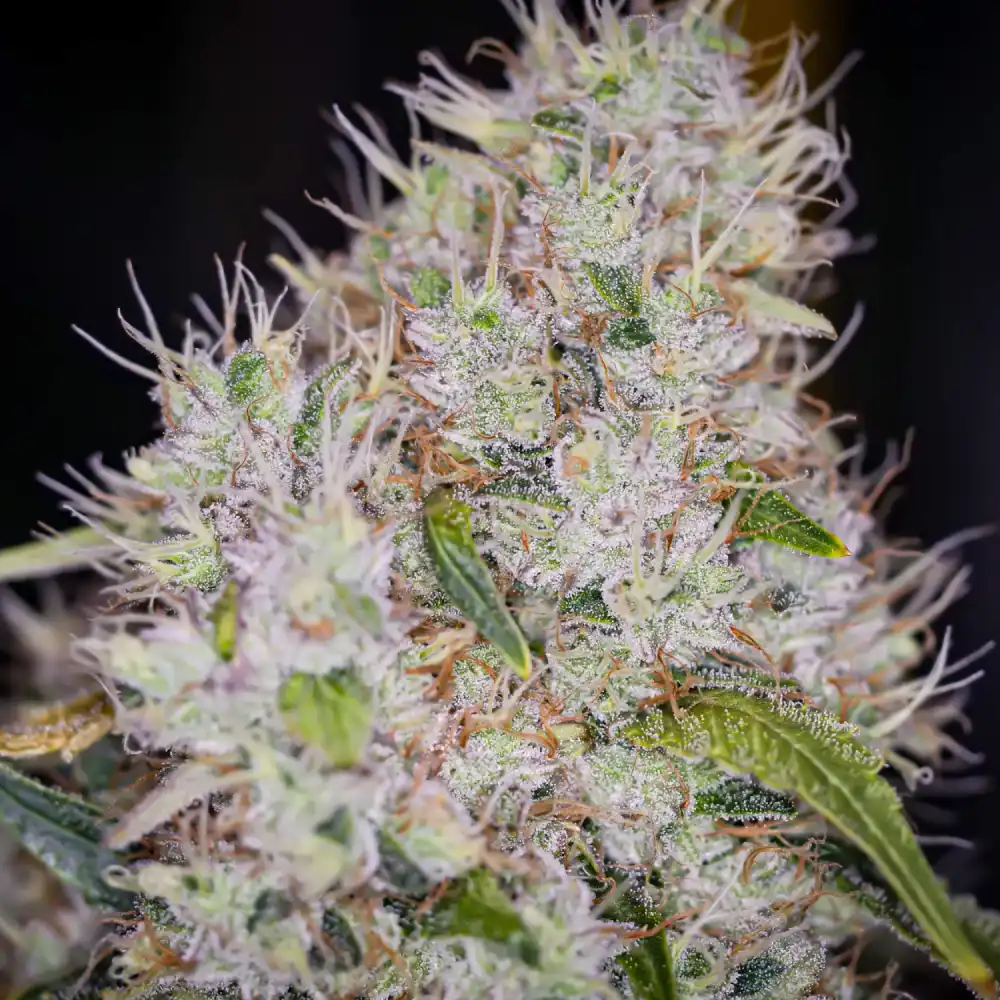
How to Grow Grape Ape Weed Strain

Grape Ape Overview: Grape Ape is a powerful indica-dominant hybrid, celebrated for its sweet grape-like flavor and deeply relaxing effects. This strain originates from a blend of Mendocino Purps, Skunk, and Afghani, making it perfect for evening relaxation. Known for its resilience, Grape Ape thrives in various growing conditions, offering high yields and THC levels between 15% and 25%.
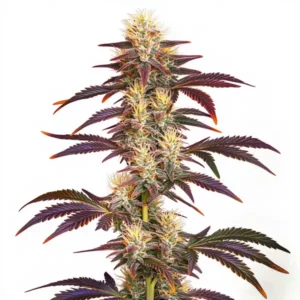
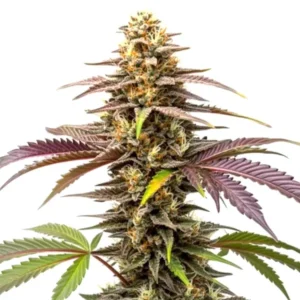
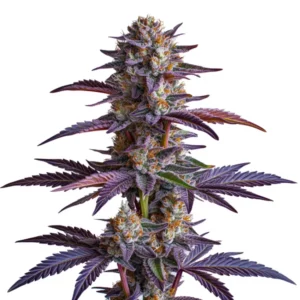
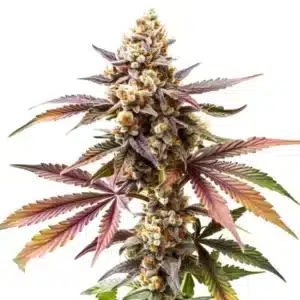
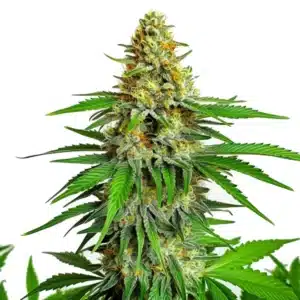
Grape Ape is distinguished by its rich terpene profile, featuring myrcene and caryophyllene, which contribute to its signature grape aroma and calming effects. The flowering period spans 8-10 weeks, making it a relatively quick strain to cultivate. Its dense buds and vibrant purple hues make it a favorite among growers and consumers alike.
Recommended Strains

Grape Ape

|
THC | 15% - 25% (High) |

|
Type | Feminized |

|
Yield | High |

|
Phenotype | 90% Indica / 10% Sativa |
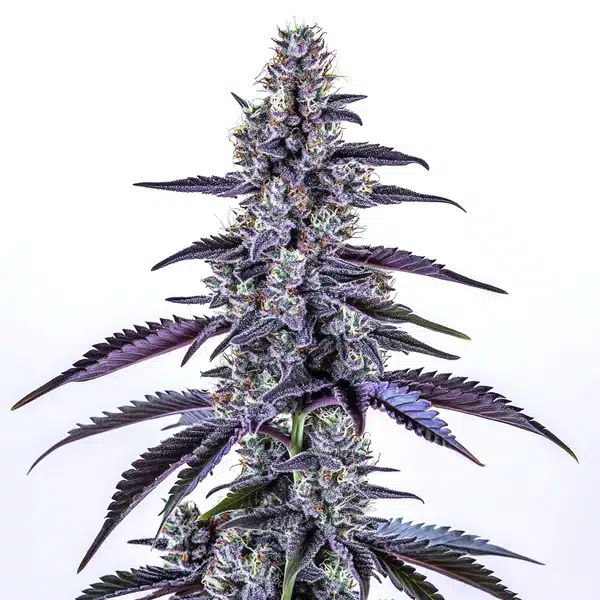
Grape Ape Autoflower
|
|
THC | 21% - 25% (High) |
|
|
Type | Autoflowering |
|
|
Yield | Medium |
|
|
Phenotype | 85% Indica / 15% Sativa |
Overview of Grape Ape Strain
Grape Ape Strain Genetics and Lineage
Grape Ape’s genetic lineage is a blend of Mendocino Purps, Skunk, and Afghani, creating a robust indica-dominant hybrid. Mendocino Purps contributes to its vibrant purple coloration, while Skunk adds a pungent aroma. Afghani enhances its potency, making it ideal for relaxation. This genetic combination results in a strain with a rich terpene profile, predominantly myrcene and caryophyllene.
Myrcene, present at 0.8-1.2%, imparts earthy, musky notes and enhances THC absorption, deepening the relaxing effects. Caryophyllene, at 0.4-0.7%, adds a spicy aroma and interacts with CB2 receptors, offering anti-inflammatory benefits. These terpenes not only define the sensory experience but also amplify the strain’s therapeutic potential.
Promos & Deals
Growing Grape Ape Weed Strain
Grape Ape thrives in warm climates, with optimal temperatures ranging from 70-80°F (21-27°C). It can be cultivated both indoors and outdoors, thanks to its resilience against pests and diseases. When grown indoors, high-quality LED or HPS lighting is recommended to support its growth, with a light cycle of 18-20 hours during the vegetative stage.
Outdoor growers should ensure the plants receive at least 6-8 hours of direct sunlight daily. Grape Ape’s dense buds require careful humidity control, especially during flowering, to prevent mold. Maintaining humidity levels at 40-50% during the flowering stage is crucial for healthy bud development.
Environmental and Nutritional Needs
For optimal growth, Grape Ape requires a balanced environment. Daytime temperatures should ideally be between 20°C and 25°C (68°F – 77°F), with nighttime temperatures dropping 8°C – 11°C (15°F – 20°F) below the daytime range. This temperature drop mimics natural conditions, promoting healthy plant metabolism and robust growth.
Humidity management is essential, especially during the vegetative stage, where levels should be maintained at 60% – 70% RH. During flowering, reduce humidity to 40% – 50% to prevent bud rot. Additionally, ensure the pH of the soil is around 6.5 for optimal nutrient uptake, and if growing hydroponically, maintain a pH range of 5.5 – 6.5.
Nutrition-wise, during the vegetative phase, Grape Ape benefits from high nitrogen levels. Transition to a low nitrogen, high phosphorus, and potassium diet during the flowering phase to support “super-bloom” and enhance bud production.
| Feature | Grape Ape | Purple Kush | Granddaddy Purple |
|---|---|---|---|
| THC Content | 15-25% | 17-27% | 25% |
| Dominant Terpene | Humulene | Alpha-Cedrene | Linalool |
| Flowering Time | 8-10 weeks | 8-10 weeks | 8-10 weeks |
| Yield (Indoor) | 1.64 oz/ft² | 500 g/m² | 1.47 – 1.64 oz/ft² | 450 – 500 g/m² | 1.47 – 1.64 oz/ft² | 450 – 500 g/m² |
| Resistance | High | Moderate | High |
Effects and Benefits of Grape Ape
Is Grape Ape Good for Anxiety and Depression?
Grape Ape is highly effective for anxiety and depression due to its calming indica effects. The strain’s high myrcene content enhances THC’s effectiveness, providing a soothing experience. Users report significant stress relief and mood improvement, making it a popular choice for evening use. Its THC levels, ranging from 15% to 25%, cater to varying needs.
For those seeking relief from anxiety and depression, Grape Ape offers a potent solution. Its indica-dominant nature promotes relaxation and tranquility, helping to alleviate symptoms. However, it’s essential to consume responsibly, as excessive use may lead to increased anxiety in some individuals.
Therapeutic Potential and Usage
Grape Ape’s therapeutic potential extends beyond anxiety and depression. Its anti-inflammatory properties, courtesy of caryophyllene, make it beneficial for pain relief. This cannabinoid-terpene synergy enhances the strain’s ability to address chronic pain conditions, offering a natural alternative to pharmaceutical options.
For those dealing with insomnia, Grape Ape’s sedative effects promote restful sleep. The strain’s ability to induce relaxation and reduce stress makes it ideal for nighttime use. Its impact on appetite stimulation is also notable, aiding individuals with appetite loss due to medical treatments. Those seeking similar relaxing qualities may also be interested in the Modified Grapes strain.
Professional Tips for Growing Grape Ape
- Maintain temperatures between 70-80°F (21-27°C) for optimal growth. Deviating from this range can stress plants, affecting yield and potency.
- Ensure 40-50% humidity during flowering to prevent mold. High humidity can lead to bud rot, damaging your crop.
- Use a light cycle of 18-20 hours during the vegetative stage. Insufficient light can stunt growth, reducing overall yield.
- Switch to a 12/12 light cycle to initiate flowering. Delayed transition can prolong the growth phase unnecessarily.
- Monitor pH levels between 6.0-6.5 for nutrient absorption. Incorrect pH can lead to nutrient lockout, impacting plant health.
- Support heavy branches with stakes or trellises to prevent breakage. Unmanaged branches can snap under the weight of dense buds.
FAQs About Grape Ape Strain
Is grape ape a sativa or indica?
Grape Ape is an indica-dominant strain, known for its calming and sedative effects. It provides a deep body high, making it ideal for relaxation and stress relief. Its lineage includes Mendocino Purps, Skunk, and Afghani, contributing to its potent indica characteristics and THC content ranging from 15% to 25%.
Is grape ape potent?
Yes, Grape Ape is considered potent, with THC levels between 15% and 25%. This potency makes it effective for stress relief and relaxation. Its indica-dominant nature ensures a strong body high, suitable for evening use. Users should start with lower doses to gauge their tolerance and avoid potential side effects.
What should I smoke for anxiety?
Grape Ape is an excellent choice for anxiety due to its calming effects and high myrcene content. It promotes relaxation and stress relief, helping to alleviate anxiety symptoms. With THC levels of 15-25%, it provides a potent experience. However, moderation is key to avoid exacerbating anxiety.
Is Grape Ape good for depression?
Grape Ape is beneficial for depression, offering mood-enhancing properties and deep relaxation. Its indica-dominant effects help uplift mood and reduce stress, making it a popular choice for depression management. With THC levels up to 25%, it provides a potent experience that should be approached with care.
How to store Grape Ape flower?
Store Grape Ape flower in a cool, dark place with humidity levels between 58-62% RH. Use airtight containers to preserve potency and flavor. Proper storage prevents mold and degradation, ensuring the flower remains fresh and effective for up to 12 months. Avoid exposure to light and air to maintain quality.