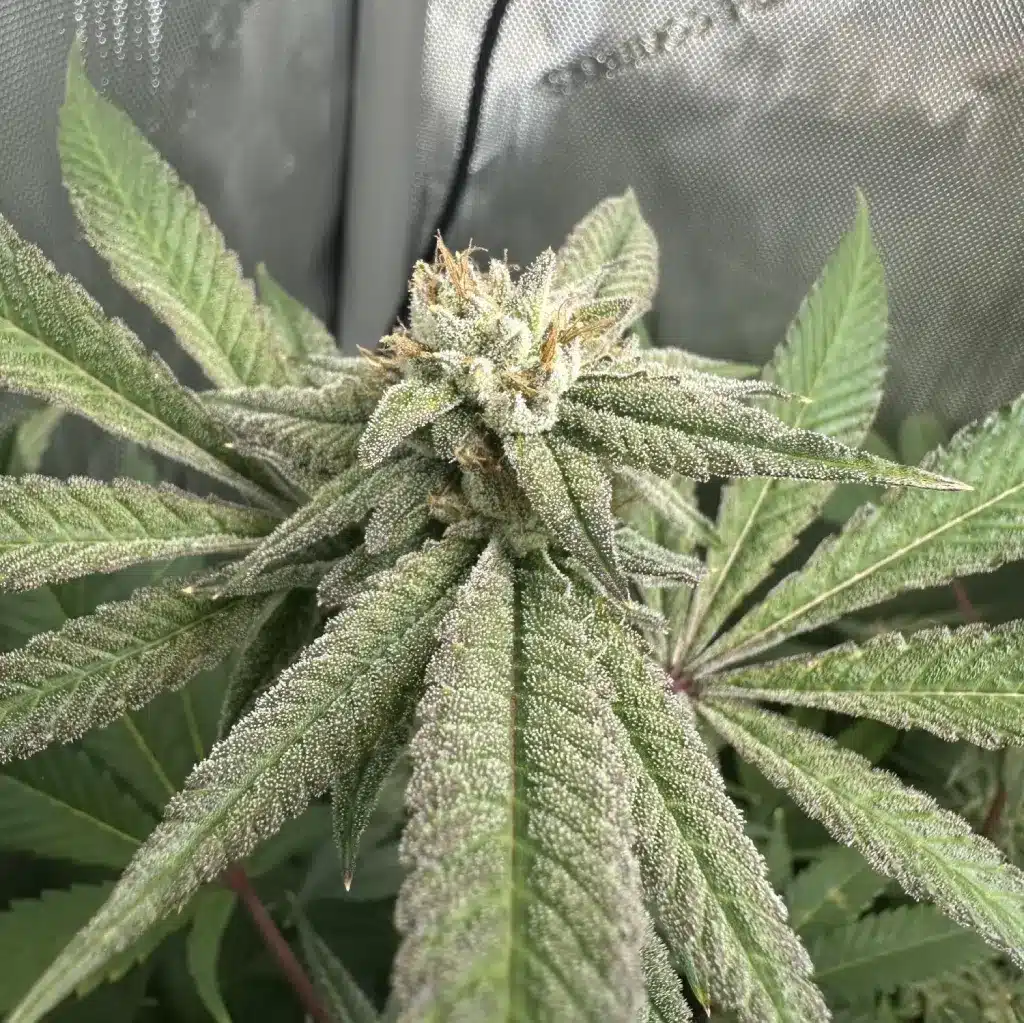
How To Grow Granddaddy Purple

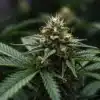
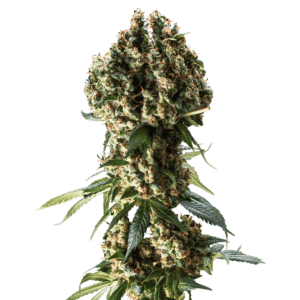
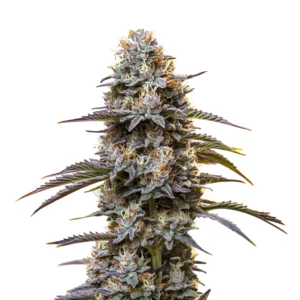
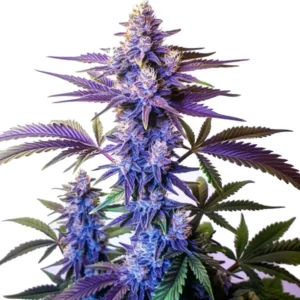
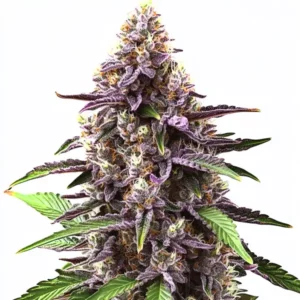
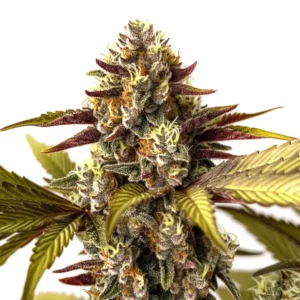
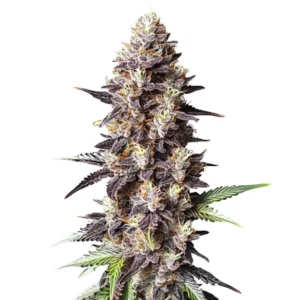
Granddaddy Purple, often referred to as GDP, is a well-known indica-dominant hybrid (70% indica/30% sativa) resulting from the cross of Purple Urkle and Big Bud. It’s celebrated for its striking purple coloration, potent THC levels ranging from 17% to 23%, and a sweet, grape-like aroma. This strain is favored for its deeply relaxing effects and is often used to alleviate insomnia and chronic pain.
Granddaddy Purple, a standout indica-dominant hybrid, is cherished for its vibrant purple buds and sweet, grape-like scent. Its flowering period spans 8-10 weeks, thriving best in warm, sunlit environments. Renowned for its soothing effects, this strain is perfect for pain relief and insomnia, appealing to both recreational and medicinal users.
Recommended Strains
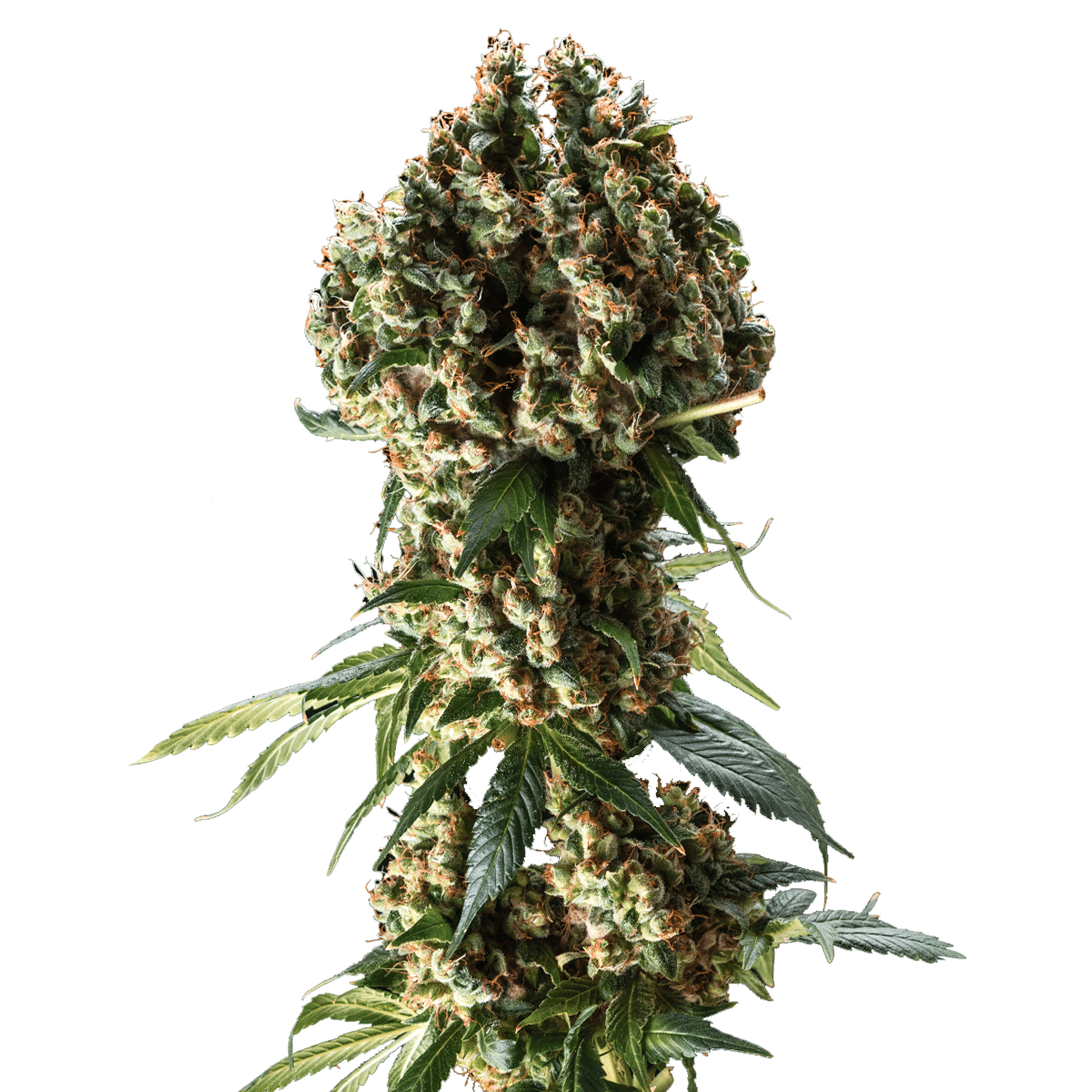
Granddaddy Purple

|
THC | 25% (High) |

|
Type | Feminized |

|
Yield | High |

|
Phenotype | 70% Indica / 30% Sativa |

Granddaddy Purple Auto
|
|
THC | 16% - 19% (Medium) |
|
|
Type | Autoflowering |
|
|
Yield | High |
|
|
Phenotype | 80% Indica / 20% Sativa |
Introduction to Granddaddy Purple
Origins and Genetics
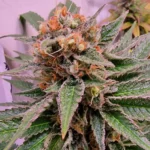
Granddaddy Purple seeds, a hybrid strain, originates from the crossbreeding of Purple Urkle and Big Bud. This genetic lineage contributes to its indica-dominant profile, which is 70% indica and 30% sativa. The strain’s genetics are responsible for its dense, resinous buds and its characteristic purple hue, which is a result of anthocyanin pigments.
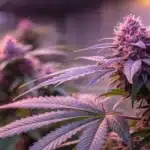
Anthocyanins are flavonoid pigments that give the strain its deep purple color. These pigments are more pronounced when the plant is exposed to cooler temperatures during the flowering stage, which can also enhance the strain’s overall visual appeal and market value.
During the flowering phase, maintaining a strict 12/12 photoperiod is essential. This involves 12 hours of light followed by 12 hours of complete darkness. This photoperiod triggers the plant’s flowering hormones, ensuring the development of dense buds. The cooler nighttime temperatures further encourage anthocyanin production, intensifying the purple coloration that Granddaddy Purple is known for.
Aroma and Flavor Profile
Granddaddy Purple is renowned for its complex aroma and flavor profile, which features sweet and fruity notes with prominent hints of grape and berry. This is largely due to its terpene composition, which includes myrcene (0.8-1.2%), caryophyllene (0.4-0.7%), and pinene (0.3-0.5%).
Myrcene contributes to the strain’s sedative effects by enhancing THC uptake through the blood-brain barrier. Caryophyllene, known for its spicy aroma, acts on CB2 receptors, providing anti-inflammatory benefits. Pinene, with its fresh pine scent, can improve focus and respiratory function, creating a balanced sensory experience.
The interaction between these terpenes and cannabinoids is crucial. Myrcene’s ability to facilitate THC’s passage into the bloodstream enhances the psychoactive effects, while caryophyllene’s unique binding to CB2 receptors offers potential therapeutic benefits without psychoactivity. This synergy creates a holistic experience, balancing relaxation with subtle alertness.
Promos & Deals




Growing Granddaddy Purple Indoors
Lighting and Temperature Requirements
For indoor cultivation, Granddaddy Purple requires a controlled environment with consistent lighting. High-quality LED grow lights or HPS lamps are ideal, providing 800-1000 µmol/m²/s during the flowering phase. Maintaining temperatures between 70°F and 80°F (21°C and 27°C) during the day is crucial for optimal growth.
During the night, temperatures should drop slightly to encourage anthocyanin production, enhancing the purple coloration. A stable environment prevents stress and ensures robust bud development. Avoid fluctuations that could lead to hermaphroditism or reduced yields.
Humidity control is also vital. During the vegetative stage, maintain relative humidity (RH) between 60-70%. As the plant transitions to the flowering stage, reduce RH to 40-50% to prevent mold and bud rot. This drop in humidity mimics natural conditions, promoting healthy bud formation.
Nutrient and Watering Schedule
Granddaddy Purple thrives in nutrient-rich soil with a balanced N:P:K ratio of 3:1:2 during the vegetative phase. Transition to a 1:3:2 ratio during flowering to support bud development. Maintain a pH of 6.0-6.5 for optimal nutrient uptake.
Water when the top inch of soil feels dry, avoiding overwatering to prevent root rot. Consistent watering schedules promote healthy root systems, crucial for nutrient absorption and overall plant vigor.
In hydroponic systems, maintaining a pH between 5.5 and 6.5 is critical. This range ensures that nutrients are available for uptake, preventing deficiencies. Monitor electrical conductivity (EC) levels to adjust nutrient concentrations, ensuring the plant receives adequate nutrition throughout its growth cycle.
Granddaddy Purple Outdoor Cultivation
Climate and Soil Conditions
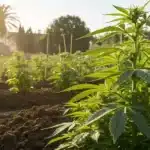
Outdoor cultivation of Granddaddy Purple requires a warm, sunny climate, with daytime temperatures ranging from 70°F to 85°F (21°C to 29°C). The strain prefers well-draining soil rich in organic matter, which supports robust root development and nutrient uptake.
In cooler climates, consider using a greenhouse to extend the growing season and protect plants from adverse weather conditions. The use of large containers or fabric pots allows for better control over soil quality and root health.
Outdoor Granddaddy Purple plants benefit from a natural photoperiod, aligning with the sun’s cycle. This natural light schedule supports the plant’s biological rhythms, promoting vigorous growth. Ensure that the soil remains slightly acidic, with a pH of 6.5, to optimize nutrient availability and uptake.
Pest and Disease Management
While Granddaddy Purple is resilient, it is not immune to pests and diseases. Common pests include spider mites and aphids, which can be controlled with neem oil or insecticidal soap. Regular inspections and maintaining cleanliness in the grow area are crucial preventive measures.
To prevent mold and mildew, ensure proper airflow and maintain humidity levels between 40-50%. Use fans to promote air circulation and avoid overcrowding, which can lead to stagnant air and increased disease risk.
Biological controls, such as introducing beneficial insects like ladybugs, can naturally manage pest populations. These insects prey on harmful pests, reducing the need for chemical interventions. This eco-friendly approach supports a balanced ecosystem within your grow area, making it especially beneficial when cultivating strains such as Purple Thai.
| Feature / Merkmal | Granddaddy Purple | Blue Widow | Chemdog Diesel Auto |
|---|---|---|---|
| THC Content | 17-23% | 16-20% | 18-22% |
| Flowering Time | 8-10 weeks | 7-9 weeks | 9-10 weeks |
| Yield (Indoor) | 1.5-1.8 oz/ft² | 1.4-1.6 oz/ft² | 1.6-1.9 oz/ft² |
| Dominant Terpene | Myrcene | Pinene | Caryophyllene |
| Resistance | Moderate | High | Moderate |
Professional Tips for Growing Granddaddy Purple
- Maintain 58-62% RH during curing to preserve terpenes. Below 55% can arrest terpene development, while above 65% may promote mold growth.
- Use a 12/12 light schedule to initiate flowering. Inconsistent light cycles can delay flowering and reduce yields.
- Ensure a pH of 6.0-6.5 for nutrient absorption. Deviations can lead to nutrient lockout and stunted growth.
- Prune lower branches to improve airflow and light penetration. Neglecting this can increase the risk of mold and mildew.
- Monitor trichomes with a magnifier for harvest timing. Harvesting too early or late can affect potency and flavor.
- Use organic pest control to avoid chemical residues. Harsh pesticides can compromise the quality of your harvest.
FAQs about Granddaddy Purple
Is Grandaddy Purp a sativa or indica?
Grandaddy Purple is an indica-dominant hybrid, with a genetic composition of 70% indica and 30% sativa. This balance results in a strain that offers deeply relaxing effects, making it ideal for nighttime use. The indica dominance contributes to its sedative properties, which are beneficial for managing insomnia and chronic pain.
Can I use Granddaddy Purple in edibles?
Yes, Granddaddy Purple can be used in edibles to provide a relaxing and flavorful experience. Its sweet, grape-like aroma translates well into infused oils or butters. When making edibles, decarboxylate the cannabis at 240°F (115°C) for 30-40 minutes to activate THC. Always dose carefully to avoid overconsumption.