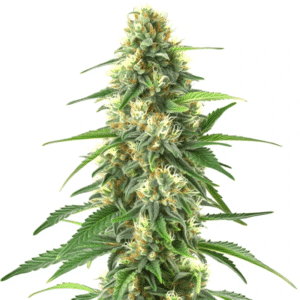
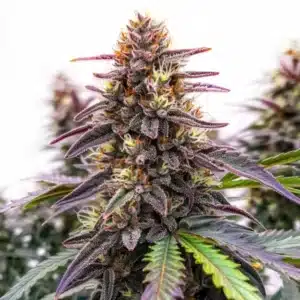
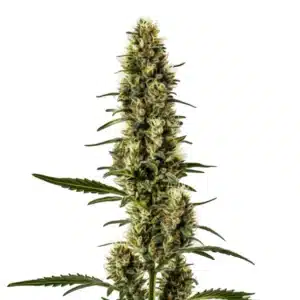
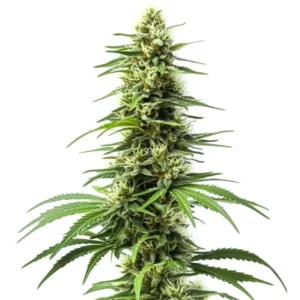
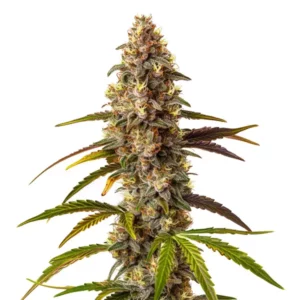
How to Grow Colombian Gold Regular Strain

Quick Summary: Colombian Gold Regular strain is a legendary 100% Sativa landrace from the Santa Marta mountains. It requires a high-intensity PAR environment (600-900 PPFD), specific NPK ratios (high Nitrogen in veg, high Phosphorus/Potassium in bloom), and a 10-week flowering window to produce its signature citrus, Limonene-rich medicinal buds.
The Legend of Colombian Gold Strain: Technical Overview
The CG weed strain stands as a pillar of cannabis history, originating from the high altitudes of the Santa Marta mountains. This landrace variety is almost entirely Sativa, presenting a biological blueprint that favors vertical elongation and a sprawling root system. Biologically, the colombian gold plant is adapted to high UV exposure and long, tropical photoperiods, which translates to a high demand for light intensity (PAR) when transitioned to indoor environments.
Recommended Strains
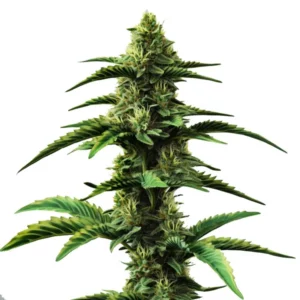
Colombian Gold Regular

|
THC | 17% - 21% (Medium) |

|
Type | Regular |

|
Yield | Low |

|
Phenotype | 20% Indica / 80% Sativa |
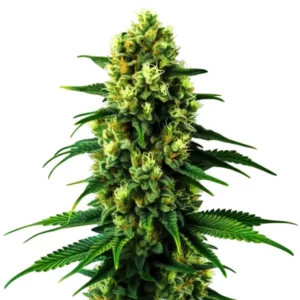
Colombian Gold
|
|
THC | 16% - 19% (Medium) |
|
|
Type | Feminized |
|
|
Yield | Low |
|
|
Phenotype | 25% Indica / 75% Sativa |
From a chemical perspective, the cannabis Colombian Gold Regular profile is dominated by a complex “Entourage Effect.” While its THC levels sit comfortably between 17% and 21%, its therapeutic value is driven by high concentrations of Limonene and Alpha-Pinene. Limonene provides the distinct citrus aroma and works synergistically with THC to promote focus and serotonin release, while Alpha-Pinene acts as a bronchodilator and may counteract short-term memory impairment, a common side effect of high-THC Sativas. These colombian gold marijuana buds are packed with Terpineol and Linalool, contributing to its anti-inflammatory and analgesic properties, particularly effective for arthritis and neuropathic pain.
Promos & Deals


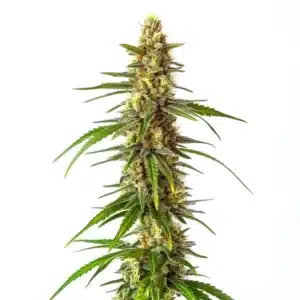
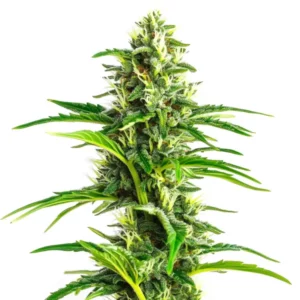
Advanced Environmental Requirements: PAR, PPFD, and DLI
To maximize the potential of your colombian gold seeds, you must move beyond simple wattage. During the vegetative stage, the plant requires a Photosynthetic Photon Flux Density (PPFD) of 400–600 μmol/m²/s. Once you transition to the flowering phase, this must be increased to 600–900 μmol/m²/s. Without these levels, the Sativa-dominant structure will stretch excessively, resulting in “spindly” growth and low-density calyxes.
Maintaining a Daily Light Integral (DLI) of 30–45 mol/m²/d is essential for resin production. Temperature control is equally critical; the colombian gold weed profile thrives at 75-80°F (24-27°C). However, to preserve the volatile terpenes like Linalool, it is recommended to drop the night-time temperature by 10°F during the final two weeks of bloom. This thermal shift mimics the cooling mountain air of its origin and triggers the production of anthocyanins, potentially bringing out darker hues in the foliage.
Technical Comparison: Sativa Landrace Variants
| Technical Feature | Colombian Gold Regular | Acapulco Gold | Panama |
|---|---|---|---|
| Primary Terpene | Limonene / Pinene | Myrcene / Caryophyllene | Terpinolene / Myrcene |
| Bloom NPK Ratio | 1:3:3 (Low N) | 1:2:2 (Moderate N) | 1:4:4 (Very High P-K) |
| PPFD Bloom Target | 600-900 μmol/m²/s | 500-800 μmol/m²/s | 700-1000 μmol/m²/s |
| Flowering Time | 10 – 12 Weeks | 9 – 10 Weeks | 11 – 13 Weeks |
| Structure | Tall, Vertical Branching | Bushy, Moderate Height | Extreme Height, Thin Stems |
| Mold Resistance | High (Mountain Origin) | Moderate | High (Tropical Origin) |
Propagation and Genetic Preservation: Colombian Gold Seeds
When you find the best colombian gold seeds, the germination process is the first hurdle. Due to their thick landrace hulls, these seeds often benefit from scarification (scuffing the outer shell with sandpaper) to allow water penetration. Once germinated, the seedling stage is critical. Sativa seedlings are prone to “damping off” if the medium is waterlogged. Maintaining a pH of 5.5–6.0 in the rooting zone is essential to prevent Pythium and rhizoctonia fungi from attacking the fragile taproot.
For those looking for colombian gold strain seeds for long-term breeding, selecting a mother plant is a technical exercise in vigor. Look for seedlings that demonstrate symmetrical branching within the first four weeks. The “cambium layer” in these Sativas is highly active; if you choose to take clones, remember that an embolism (air bubble in the stem) can be fatal. Cuttings should be taken under water or immediately dipped in a gel hormone to seal the tissue, maintaining a carbohydrate-to-nitrogen ratio that favors root initiation over foliage growth.
Nutritional Protocol: Ratios for Maximum Resin
The cg weed strain is sensitive to nutrient burn, particularly with synthetic salts. During the vegetative phase, target an NPK ratio of 3-1-2 (e.g., 15-5-10). The high Nitrogen supports the massive cell elongation required for Sativa frames. However, as soon as pre-flowers appear, typically after week 4, you must transition to a 1-3-3 ratio (e.g., 5-15-15). Potassium and Phosphorus are the primary drivers for the synthesis of Limonene and THC.
A specific protocol for colombian gold marijuana includes a heavy flush 10 days before harvest. Use reverse osmosis water or a clearing solution to leach accumulated nitrates from the leaf tissue. High nitrate levels at harvest result in a “chemical” taste and harsh smoke. Properly flushed buds will have yellowing fan leaves, signaling that the plant has metabolized its internal nutrient stores, ensuring a smooth, white-ash burn.
Integrated Pest Management (IPM) for Sativa Landraces
Because the colombian gold plant has a longer flowering window (up to 12 weeks), it is exposed to pests for an extended period. A strict IPM protocol is non-negotiable. During vegetation, weekly foliar sprays with cold-pressed Neem oil or horticultural soap are effective. However, once the “V-shaped” white pistils form, all oil-based sprays must stop to avoid suffocating the resin glands. If spider mites or thrips appear in mid-flower, switch to predatory insects like Phytoseiulus persimilis or utilize aerosol pyrethrum during the dark cycle to minimize phytotoxicity.
Professional Cultivation Tips
- Stem Splitting: In the final week of flower, some pros split the main stem to increase “stress-induced” resin production, though this must be done with sterile tools to avoid Pythium.
- The 72-Hour Dark Rule: Before harvesting your colombian gold weed, leave the plants in total darkness for 48-72 hours. This can increase terpene concentration by reducing the evaporation of volatile oils during the “day” cycle.
- SCROG for Height Control: Always use a Screen of Green (SCROG) for colombian gold seeds. Tuck branches under the mesh every 2 days to create a flat canopy, ensuring light reaches the lower nodes that would otherwise become wispy “larf.”
- Curing Humidity: Never let the humidity in your curing jars drop below 55%. If it hits 54%, the biological process of chlorophyll breakdown (the “cure”) stops permanently, leaving you with a grassy taste.
What is the typical flowering time for Colombian Gold Regular?
The colombian gold strain seeds usually require 10 to 12 weeks to reach full maturity. This is significantly longer than Indica-dominant hybrids. Harvesting too early results in clear trichomes and a low-potency, “racy” high. You should wait until the trichomes are at least 90% milky white and 10% amber to ensure the full terpene profile has developed.
Where is the best place for colombian gold strain where to buy?
When searching for colombian gold strain where to buy, always choose a reputable seed bank that offers stabilized landrace genetics. Blimburn Seeds provides high-quality colombian gold seeds that are tested for germination and genetic consistency. Buying from unverified sources often leads to hybrid contamination, which ruins the authentic 100% Sativa landrace experience.
Is Colombian Gold suitable for outdoor growing in cooler climates?
While the colombian gold plant is resilient, it requires a very long season. In cooler climates, it likely won’t finish before the first frost. For successful outdoor growth in northern latitudes, a greenhouse with light deprivation or supplemental heating is required to mimic the tropical environment of the Santa Marta mountains and ensure the buds reach peak density.
What are the primary medical uses for colombian gold marijuana?
Due to its high Limonene and moderate THC content, colombian gold marijuana is excellent for managing depression and chronic fatigue. It provides a focused, energetic “head stone” without the couch-lock associated with Indicas. Medicinally, it is also used for intraocular pressure (glaucoma) and mild pain relief, making it a versatile daytime medicine for active patients.
How can I identify a male Colombian Gold plant?
When growing colombian gold regular seeds, identifying males is crucial. Males will develop small, bell-shaped “pollen sacks” (staminate primordia) at the internodes about 1-2 weeks before the females show their white hairs (pistils). For a sinsemilla harvest, these males must be removed immediately. If you are breeding, isolate the male to collect its pollen for controlled crosses.