How To Grow Chocolate Thai Strain

Chocolate Thai is a legendary pure sativa landrace from Thailand, celebrated for its cerebral and uplifting effects. Its rich chocolate and coffee aroma, coupled with airy, dark brown buds, make it distinct. Known for enhancing creativity and focus, its THC content ranges between 12% and 24%, offering a varied experience for users.
Chocolate Thai Strain stands out for its unique terpene profile, dominated by caryophyllene and myrcene, contributing to its chocolatey aroma. With a flowering time of 8-10 weeks, this sativa-dominant strain thrives in warm climates. Its airy buds and slender structure make it a classic choice for those seeking a cerebral high.
Recommended Strains

Chocolate Thai

|
THC | 18% - 22% (Medium) |

|
Type | Feminized |

|
Yield | High |

|
Phenotype | 20% Indica / 80% Sativa |

Chocolate Thai Autoflower
|
|
THC | 21% - 25% (High) |
|
|
Type | Autoflowering |
|
|
Yield | High |
|
|
Phenotype | 10% Indica / 90% Sativa |
Overview of Chocolate Thai Strain
Unique Characteristics
Chocolate Thai Strain is renowned for its rich chocolate and coffee aroma, a result of its unique terpene profile. Caryophyllene, present at 0.4-0.7%, provides a spicy, peppery note, enhancing the chocolate scent. Myrcene, ranging from 0.8-1.2%, contributes to the strain’s earthy undertones and aids in THC absorption, enhancing the psychoactive effects.
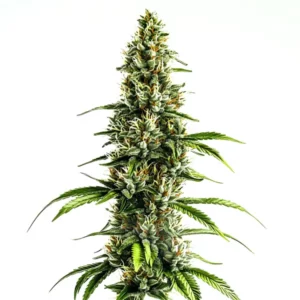
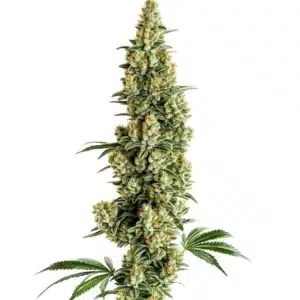
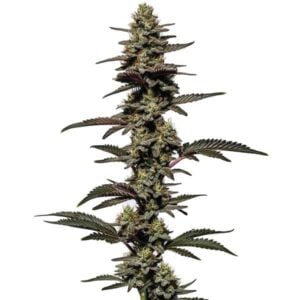
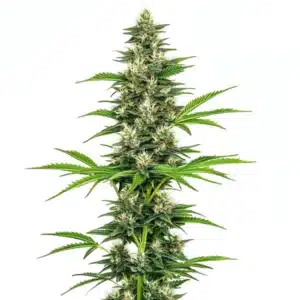
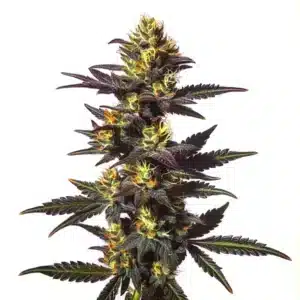
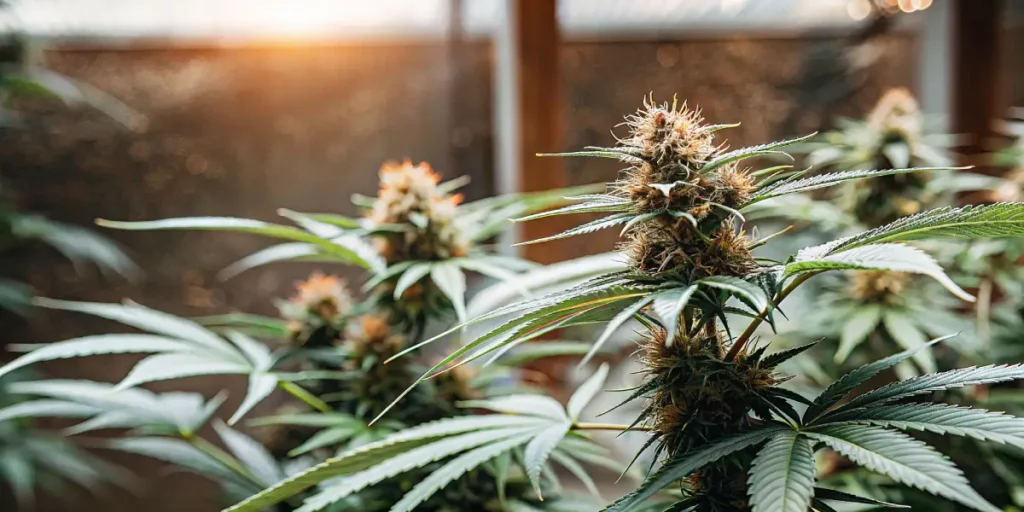
This strain’s airy, dark brown buds are a visual testament to its landrace lineage. Its sativa dominance is evident in its long, slender structure, which can reach heights of 5-6 feet (1.5-1.8 meters) indoors. The THC content varies from 12% to 24%, offering a diverse range of experiences, from mild relaxation to intense cerebral stimulation.
During cultivation, Chocolate Thai requires specific environmental conditions to thrive. The plant’s metabolism, driven by photosynthesis, relies on CO2 and light to produce carbohydrates, which are crucial for growth and bud development. The proper light spectrum mimicking natural sunlight is essential to maximize photosynthetic efficiency.
Historical Significance
Originating from Thailand, Chocolate Thai gained popularity in the 1960s and 70s, becoming a staple for those seeking a creative and focused high. Its exotic appeal and unique flavor profile made it a favorite among cannabis connoisseurs. The strain’s historical significance lies in its ability to maintain its genetic integrity over decades, offering a pure sativa experience.
Chocolate Thai’s resurgence in popularity is attributed to its distinct characteristics and the nostalgia it evokes among veteran users. Its moderate THC levels, combined with its uplifting effects, make it suitable for both recreational and medicinal applications, offering relief from stress and depression.
The strain’s genetic stability over time highlights its resilience and adaptability. This stability is crucial for breeders aiming to preserve its unique traits while adapting to modern cultivation techniques. Understanding its historical context helps growers appreciate the strain’s contribution to cannabis culture.
Promos & Deals
How to Grow Chocolate Thai Strain
Indoor vs Outdoor Cultivation
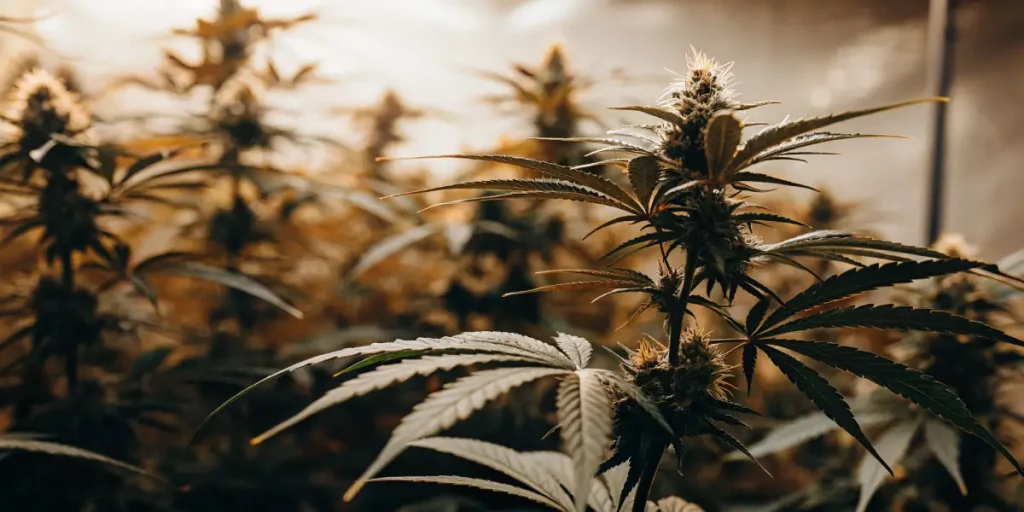
Growing Chocolate Thai indoors requires a controlled environment to mimic its native tropical conditions. Maintain temperatures between 70-85°F (21-29°C) with humidity levels around 40-50% during flowering to prevent mold. Use high-quality LED lights, providing 800-1000 µmol/m²/s for optimal photosynthesis and bud development.
Outdoor cultivation thrives in warm, sunny climates. Ensure your plants receive at least 8 hours of direct sunlight daily. In cooler regions, consider using a greenhouse to extend the growing season and protect against adverse weather. Expect yields of 1.5-1.8 oz/ft² (450-550 g/m²) indoors and 21-25 oz/plant (600-700 g/plant) outdoors.
When cultivating Chocolate Thai outdoors, consider the plant’s natural photoperiod requirements. Transitioning to the flowering stage requires a strict 12/12 light cycle, ensuring 12 hours of uninterrupted darkness. This photoperiod is critical for triggering the plant’s flowering hormones, leading to optimal bud formation, just as it is for the When cultivating Chocolate Thai outdoors, consider the plant’s natural photoperiod requirements. Transitioning to the flowering stage requires a strict 12/12 light cycle, ensuring 12 hours of uninterrupted darkness. This photoperiod is critical for triggering the plant’s flowering hormones, leading to optimal bud formation, just as it is for the Chocolate Mint strain.
Environmental Requirements
Chocolate Thai prefers a well-draining soil medium with a pH of 6.0-6.5 to optimize nutrient uptake. During the vegetative phase, maintain a light cycle of 18-20 hours of light per day. Transition to a 12/12 light schedule to initiate flowering, ensuring uninterrupted darkness to prevent hermaphroditism.
Monitor the Vapor Pressure Deficit (VPD) closely, keeping it between 0.8-1.2 kPa to enhance transpiration and nutrient absorption. Avoid common mistakes like overwatering, which can lead to root rot, and ensure proper airflow to prevent humidity-related issues.
In the vegetative stage, maintaining humidity levels between 60-70% is crucial for optimal growth. High humidity supports stomatal function, facilitating efficient CO2 uptake and transpiration. During flowering, reduce humidity to 40-50% to prevent bud rot and ensure healthy bud development.
| Feature / Merkmal | Chocolate Thai | Bruce Banner Regular | Gelonade |
|---|---|---|---|
| THC Content | 12-24% | 25-29% | 22-26% |
| Flowering Time | 8-10 weeks | 9-10 weeks | 8-9 weeks |
| Yield (Indoor) | 1.5-1.8 oz/ft² | 1.8-2.2 oz/ft² | 1.6-2.0 oz/ft² |
| Dominant Terpene | Caryophyllene | Myrcene | Limonene |
| Height (Indoor) | 5-6 feet | 4-5 feet | 3-4 feet |
Professional Tips for Growing Chocolate Thai Strain
- Maintain 58-62% RH during curing to preserve terpenes. Below 55% can halt terpene development, while above 65% may lead to mold within 48 hours. Always use a digital hygrometer.
- Provide 800-1000 µmol/m²/s light intensity during flowering. Insufficient light reduces bud density, while excessive light can bleach buds. Adjust height of LED lights accordingly.
- Keep soil pH between 6.0-6.5 for optimal nutrient uptake. Deviations can cause nutrient lockout, stunting growth. Regularly test soil pH with a reliable meter.
- Use a 12/12 light schedule to induce flowering. Inconsistent light cycles can stress plants, leading to hermaphroditism. Use a timer to ensure precision.
- Monitor VPD between 0.8-1.2 kPa. Incorrect VPD affects transpiration rates, impacting nutrient absorption. Adjust temperature and humidity to maintain balance.
- Apply low-stress training (LST) to manage height and increase yield. Neglecting LST can result in uneven canopy and reduced light penetration.
FAQs About Chocolate Thai Strain
Is Chocolate Thai a Sativa or Indica?
Chocolate Thai is a sativa-dominant strain, known for its uplifting and cerebral effects. Its sativa genetics contribute to its energizing profile, making it ideal for daytime use. The strain’s THC content ranges from 12% to 24%, offering a versatile experience for both recreational and medicinal users.
What Happened to Chocolate Thai?
Chocolate Thai’s popularity waned due to the rise of hybrid strains, but it remains a cherished classic. Its unique flavor and moderate THC levels continue to attract enthusiasts. Today, it is available through select seed banks like Blimburn Seeds, preserving its legacy for future generations.
What Does Chocolate Thai Mean?
Chocolate Thai refers to a cannabis strain originating from Thailand, renowned for its chocolate-like aroma and flavor. The name highlights its distinct sensory profile, which includes earthy and coffee notes. Its sativa dominance offers an uplifting and creative high, making it a sought-after strain for enthusiasts.
Can I Use Chocolate Thai in Edibles?
Yes, Chocolate Thai can be used in edibles, offering a unique flavor profile. Its THC content, ranging from 12% to 24%, provides a balanced psychoactive experience. When making edibles, decarboxylate the cannabis at 240°F (115°C) for 40 minutes to activate THC, ensuring potency and effectiveness.