How to Grow Bubba Kush Weed strain

Bubba Kush seeds offer: Bubba Kush seeds are renowned for their robust growth and potent effects. With a THC content ranging from 14% to 19%, they provide a balanced high. The flowering time is approximately 8-10 weeks. Cultivators can optimize yields by maintaining stable indoor environments or selecting sunny outdoor locations.
Bubba Kush seeds are favored for their resilience and rich terpene profile, featuring myrcene, limonene, and caryophyllene. These compounds contribute to its unique aroma and therapeutic effects. The strain’s flowering time ranges from 8 to 10 weeks, thriving in both indoor and outdoor setups. This versatility makes it a top choice for diverse growing conditions.
Recommended Strains
Bubba Kush

|
THC | 14% - 19% (Medium) |

|
Type | Feminized |

|
Yield | High |

|
Phenotype | 80% Indica / 20% Sativa |

Bubba Kush Autoflower
|
|
THC | 15% - 20% (Medium) |
|
|
Type | Autoflowering |
|
|
Yield | Medium |
|
|
Phenotype | 90% Indica / 10% Sativa |
Bubba Kush Seeds: A Unique Strain
What Makes Bubba Kush Unique?
Bubba Kush stands out due to its indica dominance and rich lineage, a cross between OG Kush and Afghan. This genetic background provides a strong body high, ideal for relaxation and therapeutic use. The strain’s terpene profile, with myrcene at 0.8-1.2%, offers earthy, musky aromas and enhances THC absorption, contributing to its calming effects.
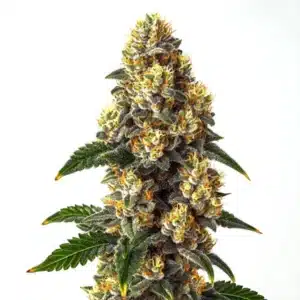
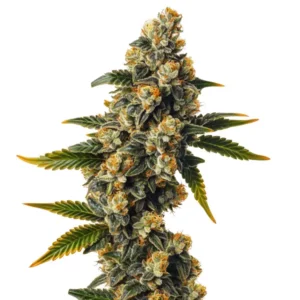
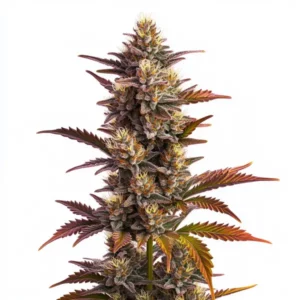
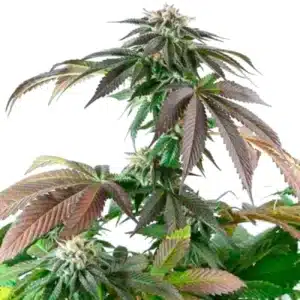
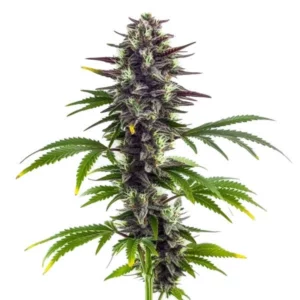
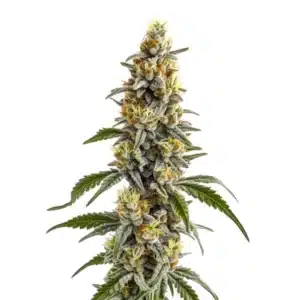
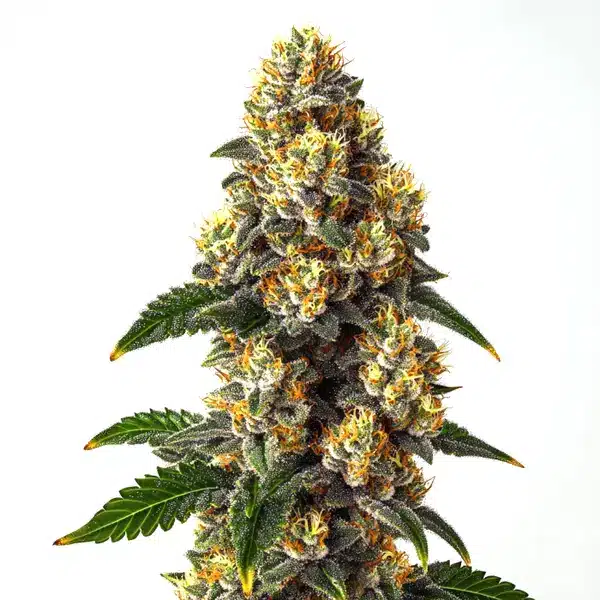
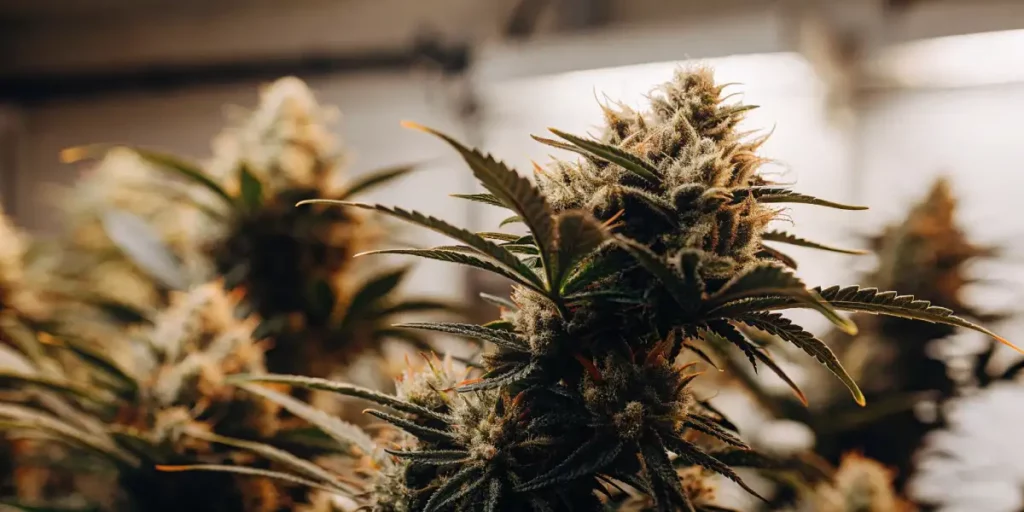
With THC levels ranging from 14% to 19%, Bubba Kush delivers a potent yet manageable high. Its dense buds, coated with trichomes, are visually striking, displaying hues from green to purple. This strain’s distinct flavors of coffee and chocolate, with a hint of sweetness, make it a favorite among connoisseurs.
Growing Bubba Kush Seeds Indoors
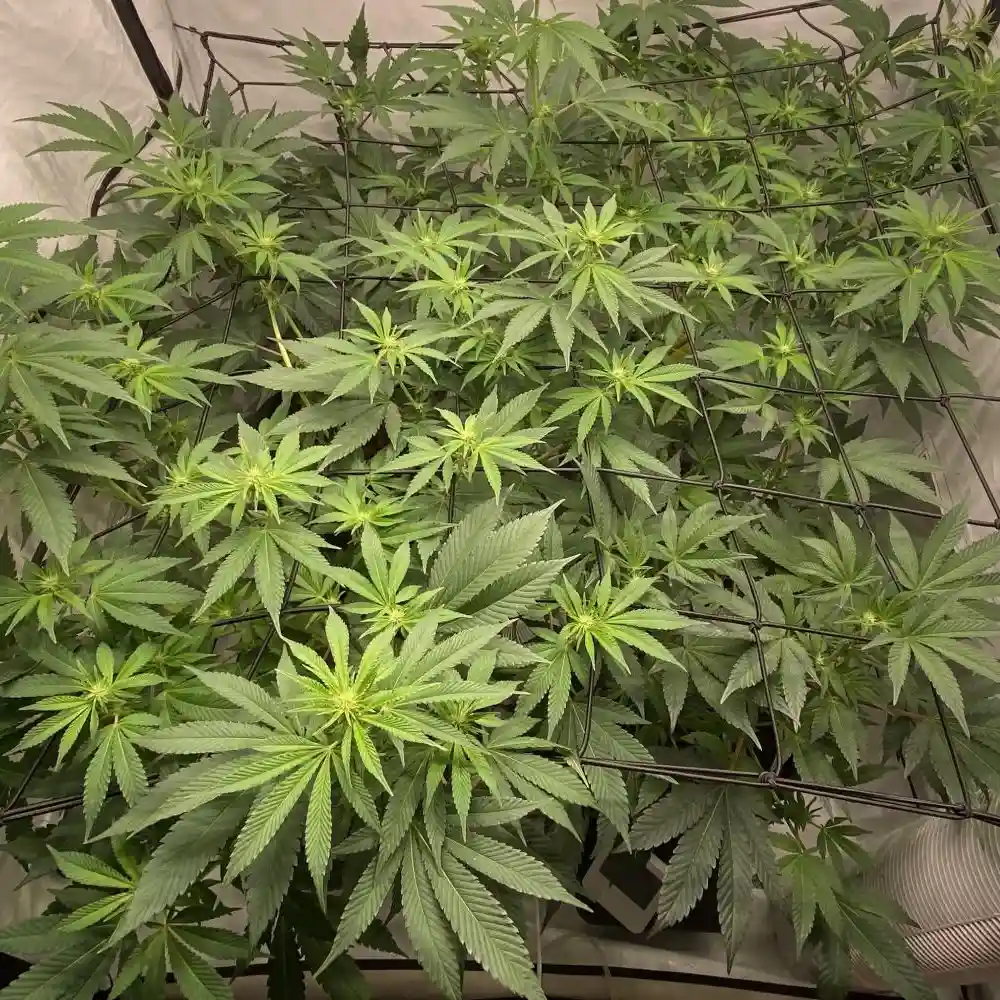
Indoor cultivation of Bubba Kush requires maintaining temperatures between 70-80°F (21-27°C) and humidity levels at 40-50%. This strain’s bushy growth suits spaces with limited height. High-quality LED or HPS lights are recommended, providing 800-1000 µmol/m²/s during peak flowering to maximize yield and potency.
To prevent mold, ensure proper ventilation and use reflective materials to distribute light evenly. A soil-based system with a pH of 6.0-6.5 is ideal, although hydroponics can offer greater nutrient control. Regular pruning enhances airflow and light penetration, crucial for developing robust buds.
Promos & Deals




Bubba Kush Outdoor Cultivation
Best Climates for Outdoor Growth
Bubba Kush thrives outdoors in warm, Mediterranean-like climates. Optimal conditions include temperatures between 70-85°F (21-29°C) and well-draining, nutrient-rich soil. Planting in raised beds or large containers improves drainage and root development, essential for healthy growth.
Choose a location with at least 6 hours of direct sunlight daily. In less ideal climates, consider using a greenhouse to protect against cooler temperatures. Regular watering is crucial, but avoid overwatering to prevent root rot, a common issue with this strain’s dense buds.
Outdoor Growing Tips
Support stakes or trellises are advised to support the weight of Bubba Kush’s heavy buds. Natural fertilizers like compost enhance growth, promoting a healthy root system. Monitor humidity closely, as levels above 65% can lead to mold within 48 hours, especially during the flowering stage.
For pest control, introduce beneficial insects such as ladybugs to manage common pests like aphids and spider mites. Regular inspections and organic fungicides like neem oil can prevent fungal diseases, ensuring a healthy harvest.
| Feature / Merkmal | Bubba Kush | OG Kush | Afghan Kush |
|---|---|---|---|
| THC Content | 14-19% | 18-25% | 15-20% |
| Dominant Terpene | Myrcene | Caryophyllene | Myrcene |
| Flowering Time | 8-10 weeks | 8-9 weeks | 8-9 weeks |
| Yield (outdoor) | 21-25 oz/plant | 24-28 oz/plant | 18-22 oz/plant |
| Flavor Profile | Coffee, Chocolate | Earthy, Pine | Earthy, Spicy |
Bubba Kush Flowering Time and Yield
Indoor vs. Outdoor Flowering Time
Indoors, Bubba Kush typically flowers in 8-10 weeks. To trigger flowering, switch to a 12/12 light cycle. Outdoor growers can expect harvests by mid-October. The strain’s indica genetics result in dense, resin-coated buds, with indoor yields of 1.5-1.8 oz/ft² (450-550 g/m²) and outdoor yields reaching 21-25 oz/plant (600-700 g/plant).
Maintaining optimal conditions during flowering is crucial. Reduce nitrogen and increase phosphorus and potassium in the nutrient mix to support bud development. Lower humidity to 40-50% to prevent mold, and maintain temperatures between 65-75°F (18-24°C) to enhance resin production.
Troubleshooting Common Growing Issues
Bubba Kush can be prone to mold due to its dense buds. Ensure proper airflow and monitor humidity levels closely, especially during the flowering stage. Nutrient deficiencies, particularly in calcium and magnesium, can stunt growth. Regularly inspect plants for signs of pests and use organic solutions to manage infestations.
For optimal results, maintain a pH of 6.0-6.5 in the growing medium. Use a balanced nutrient solution high in nitrogen during the vegetative stage, transitioning to a lower nitrogen formula during flowering. Avoid overwatering, as this strain’s roots are susceptible to rot in overly saturated conditions.
Professional Tips for Growing Bubba Kush
- Maintain 70-80°F (21-27°C) indoors for optimal growth. Extreme temperatures can stress plants, reducing yield and potency.
- Use 800-1000 µmol/m²/s lighting during flowering. Insufficient light leads to underdeveloped buds.
- Monitor humidity at 40-50% during flowering. High humidity promotes mold, especially in dense buds.
- Apply a phosphorus-rich nutrient mix during flowering. Low phosphorus levels can hinder bud development.
- Use reflective materials in grow tents to ensure even light distribution. Poor light exposure results in lower yields.
- Introduce beneficial insects for pest control. Chemical pesticides can harm beneficial microorganisms in the soil.
FAQs About Bubba Kush Seeds
What is the ideal soil pH for Bubba Kush?
The ideal soil pH for Bubba Kush is between 6.0 and 6.5. This range ensures optimal nutrient absorption, preventing deficiencies that can stunt growth. Regular pH testing is crucial, as fluctuations outside this range can lead to nutrient lockout, affecting overall plant health and yield.
How does myrcene affect Bubba Kush’s effects?
Myrcene, present at 0.8-1.2% in Bubba Kush, enhances THC uptake through the blood-brain barrier, intensifying the high. It also contributes to the strain’s calming effects by interacting with CB2 receptors, reducing inflammation. This terpene’s musky aroma complements the strain’s earthy flavor profile.
What are common pests for Bubba Kush?
Common pests affecting Bubba Kush include spider mites, aphids, and thrips. Regular inspections and introducing beneficial insects like ladybugs can help control these pests. Maintaining proper airflow and humidity levels also reduces the risk of infestations, ensuring healthy plant growth and development.
How can I increase Bubba Kush yield outdoors?
To increase Bubba Kush yield outdoors, ensure plants receive at least 6 hours of direct sunlight daily. Use nutrient-rich, well-draining soil and apply natural fertilizers like compost. Support plants with stakes or trellises to manage heavy buds, and monitor humidity to prevent mold development.
What is the best time to harvest Bubba Kush?
The best time to harvest Bubba Kush is when trichomes turn milky white with some amber hues, indicating peak THC content. This typically occurs 8-10 weeks after flowering indoors or by mid-October outdoors. Use a magnifying glass to inspect trichomes closely for optimal harvest timing.