How To Grow Blueberry Strain

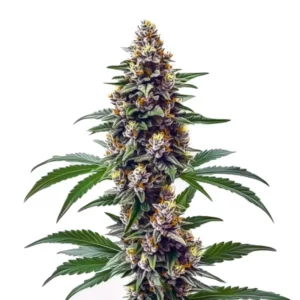
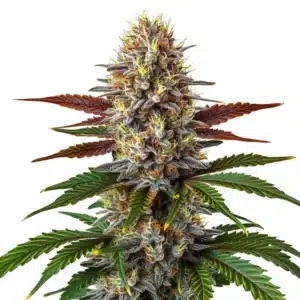
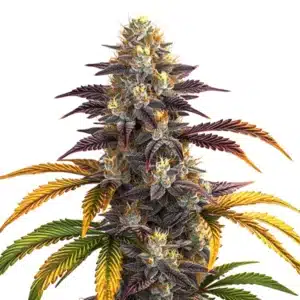
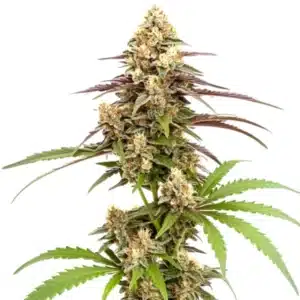
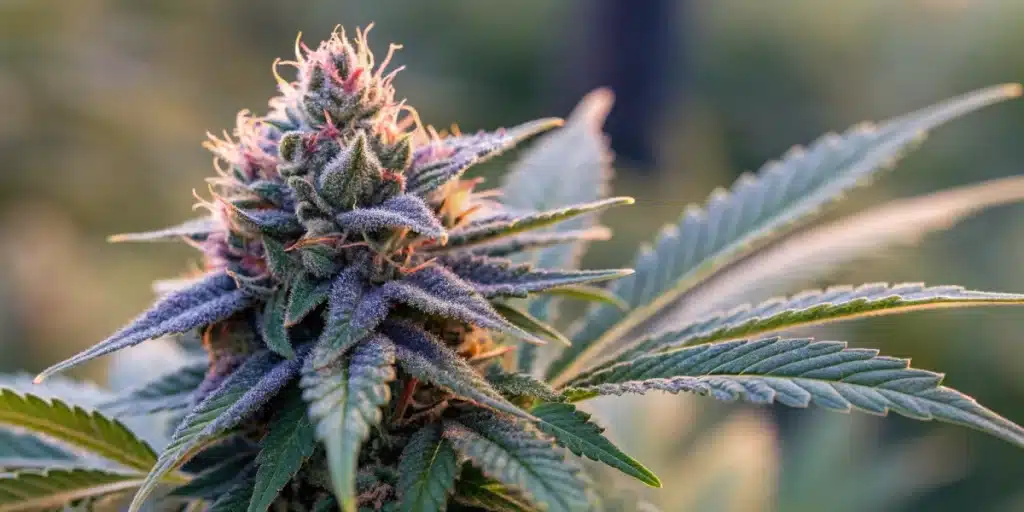
Blueberry Strain Overview: Blueberry is an iconic indica-dominant hybrid (80/20) crafted by DJ Short in the 1970s. Known for its sweet blueberry scent and dense, purple-tinted buds, it delivers a relaxing body high. With THC levels between 15% and 24%, it’s favored for alleviating stress, anxiety, pain, and insomnia.
The Blueberry strain is celebrated for its unique terpene profile, featuring myrcene, pinene, and caryophyllene. These terpenes contribute to its sweet, fruity aroma and flavor. With a flowering time of 8-10 weeks, Blueberry is adaptable to various growing conditions, making it a popular choice for both novice and experienced growers.
Recommended Strains

Blueberry

|
THC | 15% - 24% (High) |

|
Type | Feminized |

|
Yield | High |

|
Phenotype | 80% Indica / 20% Sativa |

Blueberry Autoflower
|
|
THC | 17% - 23% (Medium) |
|
|
Type | Autoflowering |
|
|
Yield | Low |
|
|
Phenotype | 80% Indica / 20% Sativa |
Blueberry Strain Overview
Genetic Composition and Origins
Blueberry is a classic indica-dominant hybrid, boasting a genetic makeup of 80% indica and 20% sativa. This strain originated from a unique blend of Afghan and Thai genetics, which contribute to its robust growth and distinct characteristics. The Afghan lineage provides the strain with its dense bud structure, while the Thai influence adds a touch of cerebral stimulation.
Blueberry’s development in the 1970s by breeder DJ Short marked a significant milestone in cannabis breeding. The strain’s vibrant hues of blue and purple are a testament to its rich genetic history. These colors are enhanced by a thick layer of trichomes, giving the buds a frosty appearance that is both visually appealing and indicative of its potency.
The genetic stability achieved by DJ Short ensures that Blueberry consistently delivers its characteristic effects and flavors. The strain’s ability to thrive in diverse climates is a testament to its robust genetic lineage, making it a favorite among cultivators seeking both aesthetic appeal and reliable yields.
Aroma and Flavor Profile
The Blueberry strain is renowned for its complex aroma, which combines sweet, fruity, and earthy notes reminiscent of fresh blueberries. This scent is primarily due to the presence of myrcene, which ranges from 0.8% to 1.2%. Myrcene is known for its musky, earthy aroma and its ability to enhance THC uptake through the blood-brain barrier.
In addition to myrcene, Blueberry contains pinene (0.4% to 0.7%) and caryophyllene (0.2% to 0.5%). Pinene contributes a refreshing pine scent, while caryophyllene adds a spicy, peppery note. These terpenes not only influence the strain’s aroma and flavor but also play a role in its entourage effect, enhancing its relaxing and anti-inflammatory properties.
The interaction of these terpenes with cannabinoids like THC and CBD creates a synergistic effect, often referred to as the entourage effect. This enhances the therapeutic potential of the strain, making it effective for stress relief and pain management. The precise balance of terpenes in Blueberry is a key factor in its enduring popularity.
Promos & Deals




Growing Blueberry Strain Indoors
Environmental Requirements
When cultivating Blueberry indoors, maintaining a stable environment is crucial for optimal growth. The ideal temperature range is between 70°F and 80°F (21°C to 27°C) during the day, with slightly cooler temperatures at night. Humidity levels should be kept between 40% and 50% to prevent mold and mildew.
Lighting is another critical factor in indoor cultivation. High-quality LED grow lights or HPS lamps are recommended to ensure proper photosynthesis and robust bud development. During the vegetative stage, provide 16-24 hours of light per day for varieties such as Headband strain. Transition to a 12/12 light cycle to initiate flowering.
Blueberry responds well to controlled environments where temperature and humidity can be precisely regulated. The drop in temperature at night should be between 8°C and 11°C (15°F and 20°F) to mimic natural conditions, promoting healthy growth and resin production.
Lighting and Nutrients
Blueberry requires a nutrient-rich diet to thrive indoors. During the vegetative phase, use a fertilizer with a higher nitrogen content (N:P:K ratio of 3:1:2) to support leaf and stem growth. As the plant transitions to flowering, switch to a bloom-specific formula with higher phosphorus and potassium (N:P:K ratio of 1:3:2). These feeding practices are also suitable for cultivating the Zlushie strain indoors.
Proper nutrient management is essential to avoid deficiencies or toxicities. Monitor the plants closely for signs of nutrient imbalance and adjust the feeding regimen as needed. Over-fertilization can lead to nutrient burn, characterized by browning leaf tips and reduced growth.
Maintaining a soil pH of 6.5 is optimal for nutrient uptake, while hydroponic systems should aim for a pH range of 5.5 to 6.5. These pH levels ensure that essential nutrients are available to the plant, preventing issues like nutrient lockout that can stunt growth and reduce yield.
| Feature | Blueberry | Moby Dick | Trainwreck |
|---|---|---|---|
| THC Content | 15-24% | 24-27% | 15-20% |
| Flowering Time | 8-10 weeks | 9-10 weeks | 8-10 weeks |
| Yield (Indoor) | 1.64 oz/ft² | 500 g/m² | 2.13 oz/ft² | 650 g/m² | 1.47 oz/ft² | 450 g/m² |
| Terpene Profile | Myrcene, Pinene, Humulene, Alpha-Phellandrene, Alpha-Pinene, Caryophyllene, Beta-Pinene, Borneol, Eucalyptol, Myrcene, Phytol, Valencene | Caryophyllene, Linalool, Myrcene, P-Cymene, Terpinolene | Humulene, Alpha-Phellandrene, Borneol, Eucalyptol, Phytol, Valencene |
| Resistance | Moderate | High | Moderate |
Professional Tips for Growing Blueberry Strain
- Maintain 70-80°F (21-27°C) during the day to support optimal growth. Temperatures above 85°F (29°C) can stress plants, reducing yield and potency.
- Use a 12/12 light cycle to initiate flowering. Deviating from this can delay bud development and reduce overall yield.
- Ensure humidity levels stay between 40-50% during flowering. Higher humidity increases the risk of mold, while lower levels can dry out buds.
- Feed with a bloom-specific nutrient formula during flowering. Over-fertilizing can cause nutrient burn, damaging leaves and stunting growth.
- Monitor pH levels, keeping them between 6.0-6.5 for soil grows. Incorrect pH can lead to nutrient lockout, affecting plant health.
- Use a magnifying tool to check trichome maturity. Harvest when trichomes are milky with some amber for optimal potency and flavor.
FAQs About Blueberry Strain
Is the blueberry strain indica or sativa?
The Blueberry strain is an indica-dominant hybrid, with a composition of 80% indica and 20% sativa. This genetic makeup provides a relaxing body high typical of indica strains, complemented by a mild cerebral uplift from its sativa heritage.
What strains are good for seizures?
Strains high in CBD, such as Charlotte’s Web and ACDC, are often recommended for managing seizures. These strains typically contain less than 0.3% THC and offer therapeutic benefits without the psychoactive effects associated with higher THC strains.
How does blueberry strain make you feel?
Blueberry strain induces a deeply relaxing body high, often accompanied by feelings of euphoria and happiness. Its effects are soothing, making it ideal for unwinding after a long day. The strain’s THC content ranges from 15% to 24%, providing varying levels of potency.
Is blueberry strain good for sleep?
Yes, the Blueberry strain is excellent for promoting sleep due to its indica dominance and relaxing effects. With THC levels between 15% and 24%, it can help alleviate insomnia and encourage restful sleep.
What makes blueberry strain unique?
Blueberry strain is unique for its sweet, fruity aroma and vibrant purple hues. Its terpene profile, featuring myrcene, pinene, and caryophyllene, contributes to its distinct flavor and relaxing effects. The strain’s genetic lineage includes Afghan and Thai influences, enhancing its appeal.