How to Grow Blueberry Regular

Blueberry Regular is a potent, classic-flavored indica for growers and breeders. An 80% indica cross of Blueberry and OG Kush, it is sold as regular seeds, so it produces both male and female plants, exactly what you want for making your own seeds, hunting phenotypes, or preserving a line. At a high 22-24% THC, a fast 7-9 week flowering, and the famous sweet berry flavor, the Blueberry strain pairs real potency with one of the most beloved tastes in cannabis.
This guide covers the full cycle for Blueberry regular seeds from Blimburn Seeds, from germination to the cure, with every figure taken from the official datasheet and a clear explanation of what growing regular seeds involves.
Recommended Strains
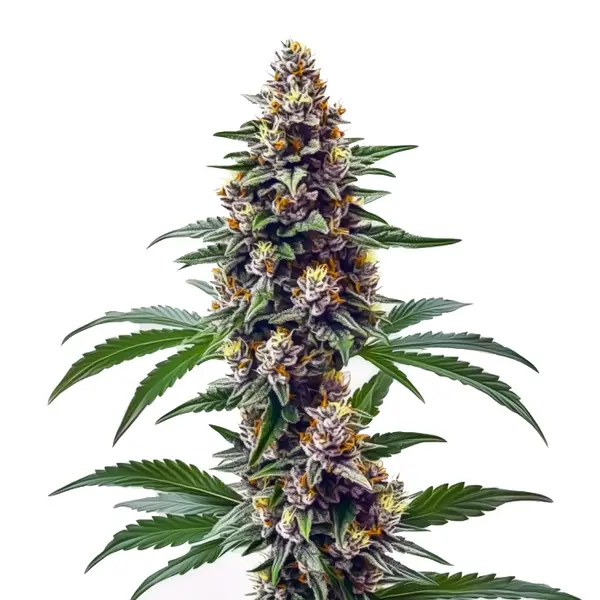
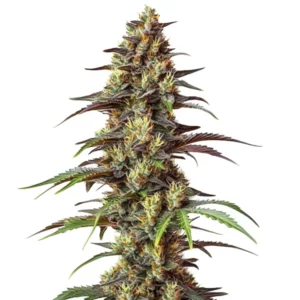
Blueberry Regular

|
THC | 22% - 24% (High) |

|
Type | Regular |

|
Yield | High |

|
Phenotype | 80% Indica / 20% Sativa |

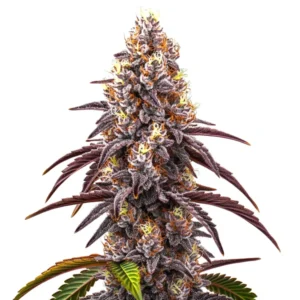
Blueberry Kush Regular
|
|
THC | 15% - 19% (Medium) |
|
|
Type | Regular |
|
|
Yield | High |
|
|
Phenotype | 80% Indica / 20% Sativa |
Blueberry at a Glance
The official numbers first:
| Trait | Blueberry Regular |
|---|---|
| Lineage | Blueberry x OG Kush |
| Type | Regular (male and female plants) |
| Phenotype | 80% Indica / 20% Sativa |
| THC | 22-24% (high) |
| Flowering time | 7-9 weeks |
| Height | 4.92 ft (1.5 m) |
| Yield indoor | 1.47-1.64 oz/ft² (450-500 g/m²) |
| Yield outdoor | 12.35-17.64 oz (350-500 g) per plant |
| Outdoor harvest | September |
| Climate | Tropical to warm |
| Effects | Focused, happy, relaxed |
| Flavors | Berry, earthy, sweet, woody |
Two things define this strain. The flavor and potency are strong, a genuine sweet-berry taste at a high 22-24% THC, and the seeds are regular rather than feminized. Blueberry Regular is aimed at growers who want males as well as females, whether for breeding, seed production, or selecting a standout plant, rather than the one-and-done convenience of feminized stock. The fast 7-9 week bloom and early September harvest are a bonus.
Promos & Deals
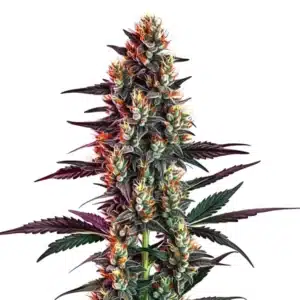
The Blueberry and OG Kush Parents of Blueberry
The Blueberry parent is the source of the famous flavor. A classic indica line, it brings the unmistakable sweet berry taste, the dense, often purple-tinged buds, and the relaxed, physically settling body of the effect.
OG Kush supplies the power. A West Coast cornerstone, it lifts the potency to a high 22-24% THC, deepens the earthy, woody backbone beneath the berry sweetness, and reinforces the sturdy, resinous structure. The 80% indica lean and the focused, mellow character come from this blend of two heavyweight classics.
Together they place Blueberry Regular among the catalog’s potent indica seeds and its resinous Kush strains, offered as a stable regular line for growers who want to work with the genetics directly.
Germinating and Sexing Blueberry
Germinate with the paper-towel method at 70-79°F. Set the seeds between damp paper towels on a covered plate, keep them dark, and wait for taproots within 24 to 120 hours. Plant each half an inch deep in light, well-draining soil, taproot down.
Here is the key difference from feminized seeds: as a regular line, Blueberry produces roughly half male and half female plants. Unless you are breeding, you will grow them out, identify the sex of each plant, and remove the males before they release pollen, so your females can finish as seedless, resinous flower.
Males usually show first, revealing small round pollen sacs at the nodes, while females show fine white pistils. Watch closely from around the third week of veg, and pull males promptly. If you do want seeds, keep a chosen male isolated and pollinate deliberately. Veg under 18 hours of daily light, and top above the fourth node to spread the compact indica canopy.
Growing Blueberry Indoors
Indoors, the compact 4.92 ft frame and bushy indica structure make Blueberry easy to house, once the males are out. Flip the females to 12/12 when they reach about half their target height; the post-flip stretch is modest, and flowering completes quickly in 7-9 weeks.
Hold lights-on temperatures at 70-82°F to suit the tropical heritage, humidity at 50-60% in veg and 40-45% in bloom. Cooler nights late in bloom help bring out the purple tones Blueberry is known for. The females reward good light with 1.47-1.64 oz/ft² (450-500 g/m²) of dense, berry-sweet flower.
Growing Blueberry Outdoors
Outdoors, Blueberry wants a tropical-to-warm climate, and its fast cycle brings an early September harvest, ahead of the autumn damp. In the United States that suits Southern California, the Arizona low desert, Florida, and the warm Gulf Coast. Each female can return 12.35-17.64 oz (350-500 g) of dried flower.
Plant in full sun after the last frost in 15+ gallon containers or amended ground. With regular seeds outdoors, identify and remove males early, both to protect your own females and to avoid pollinating any nearby gardens. The dense indica buds reward good spacing and airflow, with a post-rain shake in humid spells to guard against rot.
Flowering and Buds of Blueberry
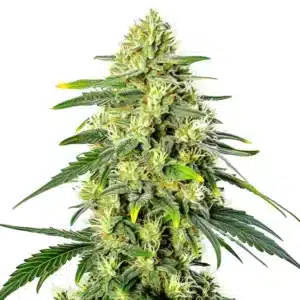
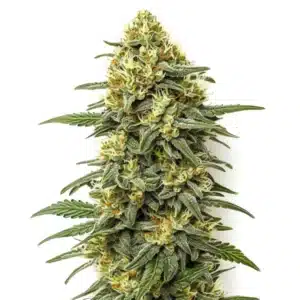
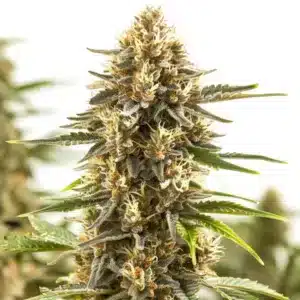
Flowering on the females is fast and rewarding. Over just 7-9 weeks, Blueberry forms dense, chunky indica buds that firm up quickly and frequently take on deep blue and purple hues where nights run cool, under a heavy coat of OG-boosted resin. The sweet berry aroma builds sharply through the short bloom.
Trichome coverage is heavy, frosting the sugar leaves alongside the flowers. Keep the canopy open and airflow steady; the dense buds hold moisture and reward attention to humidity. If you left a male to make seeds, expect lighter, seeded flower on the pollinated branches, which is normal and intended.
Common Problems and Pro Tips
The defining task is managing a regular line. Growing out males takes space and time you will not keep, so start more seeds than your final plant count, and be disciplined about removing males the moment you confirm the sex, before any pollen drops. One missed male can seed an entire tent.
Beyond that, Blueberry is a rewarding, fast-finishing plant. Expert tip: use the regular genetics as intended. Grow several females, keep the best-tasting, most colorful plant as a mother for clones, or isolate a strong male to make your own Blueberry seeds. The classic berry flavor and purple color make it a favorite line to select and preserve.
Feeding and Watering
Blueberry feeds moderately, with a light hand early and steady phosphorus and potassium later in its short bloom.
| Stage | EC | pH | Notes |
|---|---|---|---|
| Seedling | 0.4-0.6 | 6.0-6.5 | Plain water or quarter-strength feed |
| Vegetative | 0.8-1.2 | 6.0-6.5 | Nitrogen-forward, add silica for stems |
| Preflower | 1.2-1.4 | 6.0-6.5 | Transition formula at the 12/12 flip |
| Bloom | 1.4-1.6 | 6.0-6.5 | Phosphorus and potassium forward |
| Flush | 0.0-0.4 | 6.0-6.5 | Final 7-10 days, plain water |
Water when the top inch of the medium dries, letting the pot lighten between rounds. Heavy resin production pulls on magnesium in mid-bloom, so answer any interveinal yellowing on older leaves with cal-mag rather than more base feed.
Finish with 7-10 days of plain water at EC 0.0-0.4, a slightly shorter flush to suit the fast bloom. The sweet berry flavor is delicate, and a clean flush keeps it from being muddied by leftover nutrients.
Flavor, Terpenes, and Effects of Blueberry
The flavor is the classic hook: sweet berry over an earthy, woody base. A broad terpene profile drives it. Myrcene lays the ripe, berry-earthy foundation that Blueberry is famous for, caryophyllene adds a spicy warmth, and humulene with pinene deepen the woody, resinous character. Valencene lifts a sweet, fruity note on top, with eucalyptol, borneol and more adding a cool, herbal edge beneath.
The effect follows the 80% indica build. The datasheet describes it as focused, happy, and relaxed, opening clear and content before settling into a comfortable body calm. At a potent 22-24% THC it hits firmly, so newer users should go slow, and the regular-seed format makes this one better suited to experienced growers than true first-timers.
Harvesting, Drying, and Curing
Check trichomes from week six, early given the fast bloom. Harvest when most are cloudy with 10-20% amber for the balanced focused-to-relaxed effect; more amber leans it toward heavy indica relaxation. The dense, often purple buds make a loupe the reliable judge rather than color alone.
Dry whole branches at 59-68°F and 50-55% humidity for 7-14 days in darkness with gentle airflow, waiting for stems that snap. Cure in glass for at least three weeks, burping daily early on; the sweet berry flavor deepens and rounds out beautifully in the jar, and Blueberry is a strain that genuinely rewards a long cure. Any seeds you made finish drying in the buds and store once fully dry.
What to Do With Your Trim
With OG Kush resin in the mix, the sugar leaves are loaded. Dry-sift them for a sweet, berry-tinged kief, run ice-water bags for hash, or press the sift into rosin to concentrate the classic Blueberry terpene profile. The flavor carries beautifully into concentrates.

Frequently Asked Questions
Are Blueberry seeds feminized or regular?
Blueberry is sold as regular seeds, not feminized. They produce both male and female plants in roughly equal numbers, which makes the strain useful for breeding, making your own seeds, or selecting a standout mother plant from the females to clone for its flavor and color.
How do I tell male from female Blueberry plants?
Watch the nodes from around the third week of veg. Male Blueberry plants form small round pollen sacs, while females show fine white pistils. Unless you are breeding, remove the males before they open and release pollen onto your flowering females.
Is the Blueberry strain indica or sativa?
The Blueberry strain is strongly indica, at 80% indica to 20% sativa. The effect opens focused and happy, then settles into a relaxed, physically settling body calm, true to its Blueberry and OG Kush parentage, and the plant grows compact and dense to match.
What is the THC level of Blueberry Regular?
The official range is 22-24%, a high level for Blueberry Regular, lifted by the OG Kush side. The effect is genuinely potent, so newer users should start slow. Combined with the regular-seed format, this makes it a better fit for experienced growers.
How long does Blueberry take to flower?
Blueberry flowers in a fast 7-9 weeks after the switch to 12/12 indoors, quick for such a resinous strain. Grown outdoors in a tropical-to-warm climate, Blueberry Regular is ready to harvest early, in September. Check trichomes from week six to time the cut.
Why does Blueberry turn purple?
Blueberry often turns deep blue and purple because of pigments called anthocyanins in its genetics, which show most when nights cool late in flower. The color is a hallmark of the strain, though trichomes, not hue, still decide ripeness at harvest.