How To Grow Blue Widow Strain

Quick Summary: Blue Widow is a balanced hybrid cross of Blueberry and White Widow. To successfully Grow Blue Widow Strain, maintain a 70-80°F climate, provide high nitrogen during veg, and expect a 8-9 week flowering time. It delivers a potent, cerebral high with a fruity, earthy finish.
Blue Widow Weed Cannabis Seed Description
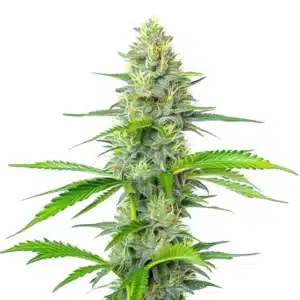
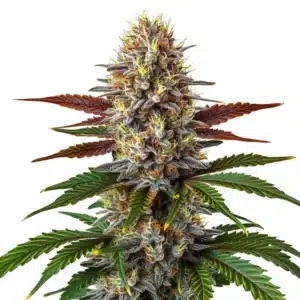
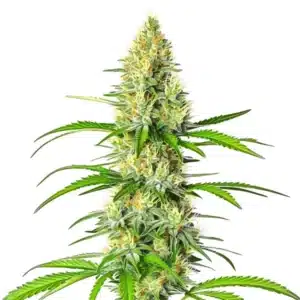
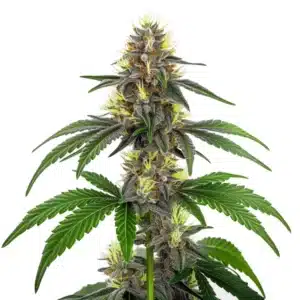
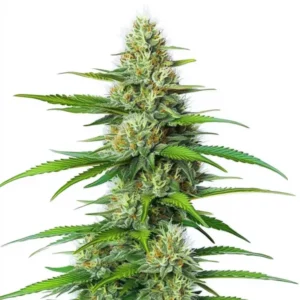
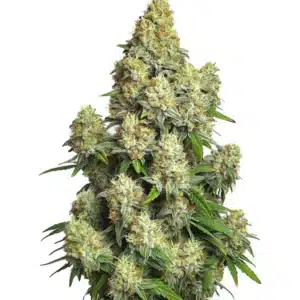
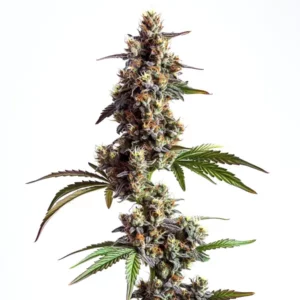
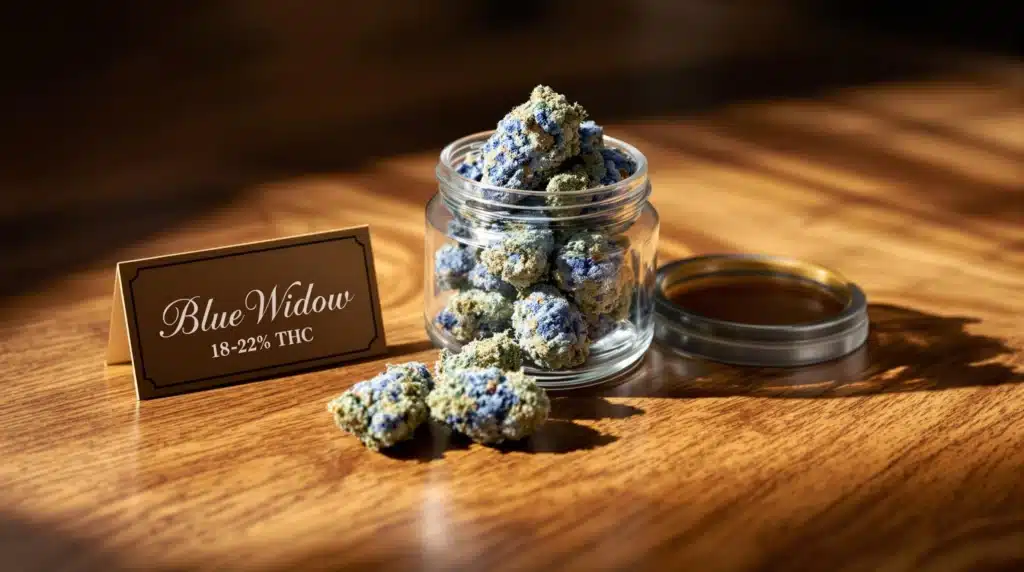
The blue widow strain is a world-class hybrid that brings together two titans of the cannabis world: Blueberry and White Widow. This genetic powerhouse offers growers a unique combination of visual beauty and chemical complexity. When you look at blue widow weed, you will see dense, resinous buds that often take on a stunning bluish tint, especially when exposed to slightly cooler nighttime temperatures at the end of its cycle.
Recommended Strains
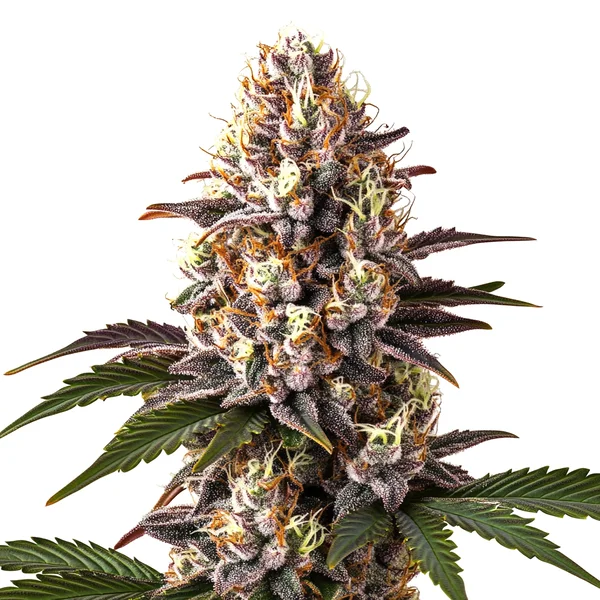
Blue Widow

|
THC | 12% - 17% (Medium) |

|
Type | Feminized |

|
Yield | High |

|
Phenotype | 60% Indica / 40% Sativa |
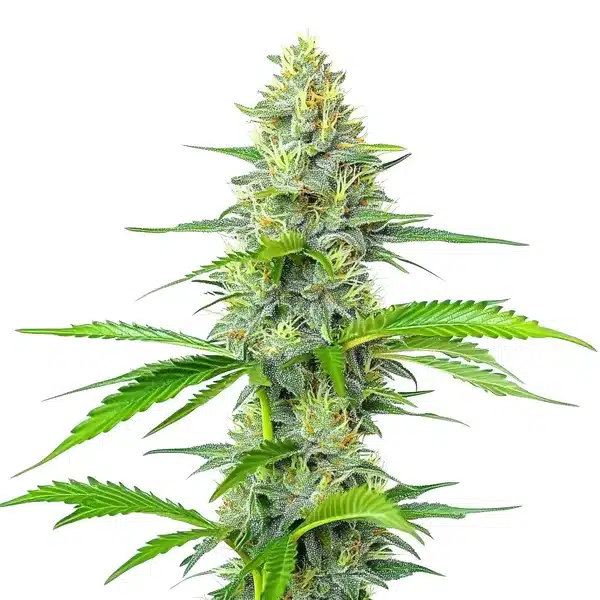
Blueberry x White Widow
|
|
THC | 22% - 27% (High) |
|
|
Type | Feminized |
|
|
Yield | High |
|
|
Phenotype | 60% Indica / 40% Sativa |
Biologically, this variety inherits a thick layer of trichomes from its White Widow parent. These resin glands are where the magic happens. The blue widow cannabis strain is rich in specific terpenes like Myrcene and Pinene. These work together with THC through the “Entourage Effect” to create a balanced high. It provides the physical relaxation of an indica while keeping the mind alert and creative, which is why users love blue widow strain effects.
Promos & Deals
Environmental Requirements for Growing Blue Widow
To maximize your blue widow seeds, you must focus on the environment. This plant loves a Mediterranean climate. Indoors, you should aim for a PAR (Photosynthetically Active Radiation) level of 600-900 µmol/m²/s during the peak of flowering. Using high-quality LED lights helps you reach the right PPFD (Photosynthetic Photon Flux Density) without creating too much heat. High light intensity is the fuel that drives the production of heavy, sticky buds.
Humidity is your biggest enemy during the late stages. Because blue widow weed strain produces very dense colas, moisture can get trapped inside. Keep your Relative Humidity (RH) between 40% and 50% during the flowering phase. If the air is too wet, you risk bud rot (Botrytis). Using circulation fans to keep a constant breeze around the canopy is essential for gas exchange and preventing stagnant “dead air” pockets where mold spores thrive.
Technical Comparison: Blue Widow vs. Variants
| Feature | Blue Widow | Blueberry | White Widow |
|---|---|---|---|
| Genotype | Balanced Hybrid | Indica Dominant | Sativa Dominant |
| Flowering Time | 55 – 65 Days | 45 – 55 Days | 60 – 70 Days |
| Primary Terpene | Myrcene (Fruity) | Linalool (Floral) | Terpinolene (Woody) |
| Difficulty | Moderate | High (Finicky) | Easy (Resilient) |
| Height | Medium (3-4ft) | Short (2-3ft) | Tall (4-6ft) |
| Yield Potential | Very High | Moderate | High |
Cannabis Fertilization and Nutrition
Feeding the blue widow strain requires a strategy based on its growth stage. In the vegetative phase, use an NPK ratio like 3-1-2. Nitrogen is the building block for the large fan leaves that act as solar panels. Without enough nitrogen, the plant will show yellowing at the bottom, indicating it is pulling nutrients from old growth to fuel new tips. Always check your pH levels; in soil, stay between 6.0 and 6.5. If the pH is wrong, the roots cannot “eat,” even if the food is there.
Once you see the first white hairs (pistils), transition to a bloom fertilizer with a ratio of 1-3-2. Increased Phosphorus (P) and Potassium (K) are needed to build dense flowers and produce resin. Be careful not to overfeed. A “nutrient burn” shows up as crispy, brown leaf tips. If this happens, flush your medium with pure, pH-balanced water. This variety is also a “cal-mag hungry” strain. Adding a Calcium and Magnesium supplement will prevent the brown spots on leaves that often appear in mid-flowering.
Pest and Disease Control Protocol
Because Blue Widow is so resinous, it has some natural defense against pests, but you must remain vigilant. A strict Integrated Pest Management (IPM) plan is required. During the vegetative stage, applying Neem oil once a week can prevent spider mites and fungus gnats. However, never spray oils on the buds once flowering starts, as it will ruin the flavor and could be unsafe to consume.
For diseases like powdery mildew, ensure your airflow is perfect. If you spot a white, flour-like substance on the leaves, you must act fast. A mixture of 10% milk and 90% water can act as a natural fungicide. For a more professional approach, use biological controls like Bacillus subtilis. This healthy bacteria “eats” the bad fungi without harming your blue widow cannabis strain. Cleanliness is the best prevention: always wash your hands and tools before entering the grow space.
Professional Growing Tips
- Cool the Nights: Drop your lights-off temperature to 62-65°F during the last two weeks of flowering to “shock” the plant into producing those signature blue and purple hues.
- The Snap Test: Don’t jar your buds too early. Wait until the small stems snap cleanly when bent. If they just fold, there is still too much internal moisture.
- LST is Key: Use Low-Stress Training to pull the main branches outward. This opens the center of the plant to light, turning “popcorn buds” into heavy tops.
- UV Supplementation: Adding a small amount of UVA/UVB light during the last 3 weeks can increase trichome production as the plant tries to protect itself from “sunburn.”
- Silica for Strength: Add a silica supplement to your water during veg. It makes the cell walls stronger, helping the branches hold up the heavy Blue Widow buds without breaking.
Is Blue Widow strain indica or sativa?
Blue Widow is a balanced hybrid. It typically leans about 60% Indica and 40% Sativa. This means you get the best of both worlds. The Indica genetics from Blueberry provide a relaxing body stone and a shorter flowering time. The Sativa influence from White Widow gives it a powerful cerebral boost, making it great for creative tasks or social situations without causing heavy “couch-lock.”
Where can I find Blue Widow seeds?
You can find high-quality, stabilized blue widow seeds directly at blimburnseeds.com. Buying from a reputable seed bank is the only way to ensure you are getting the true cross of Blueberry and White Widow. These seeds are feminized, which means you won’t have to worry about male plants pollinating your crop and ruining your resin production.
What are the typical Blue Widow strain effects?
The effects are often described as a “creeper” high. It starts with a happy, tingly feeling in the head that slowly spreads to the rest of the body. Because of its Limonene and Myrcene terpene profile, it is excellent for relieving stress and minor aches. It provides a very smooth transition from an energetic start to a calm, peaceful finish that doesn’t leave you feeling overly tired.
How long does it take to grow Blue Widow?
From the moment you germinate your blue widow weed strain seeds, expect about 4 months total. Usually, you give the plant 4-6 weeks of vegetative growth. Once you switch to a 12/12 light cycle, the flowering phase takes between 8 and 9 weeks. If you are growing outdoors, you will typically harvest in early to mid-October in the Northern Hemisphere.