How To Grow Blue Cheese Strain

Blue Cheese is an Indica-dominant hybrid with a unique cheesy aroma and relaxing effects. THC levels range from 16% to 20%, offering a potent high. Flowering takes 8-9 weeks indoors, yielding 1.5-1.8 oz/ft² (450-550 g/m²). It’s ideal for stress relief, favored by recreational and medical users alike.
The Blue Cheese Seeds is distinguished by its terpene profile, featuring Myrcene (0.8-1.2%) and Caryophyllene (0.4-0.7%), which contribute to its relaxing effects and spicy aroma. Flowering takes 8-9 weeks, thriving in controlled indoor environments. Its dense, resinous buds highlight its potent genetics.
Recommended Strains

Blue Cheese

|
THC | 16% - 20% (Medium) |

|
Type | Feminized |

|
Yield | High |

|
Phenotype | 80% Indica / 20% Sativa |
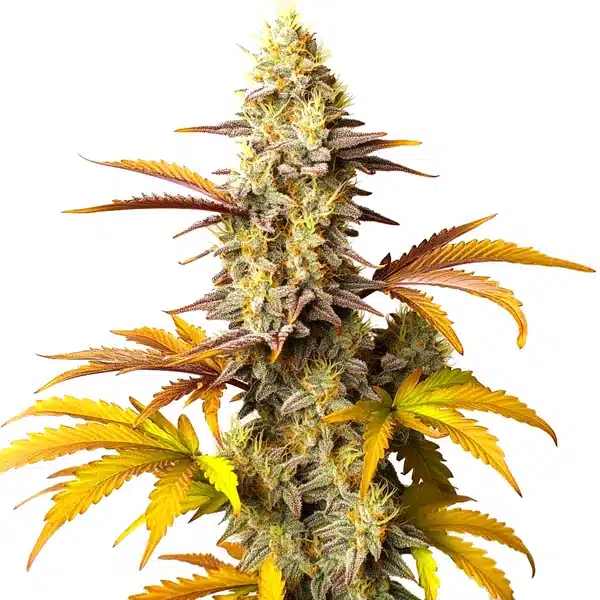
Blue Cheese Autoflower
|
|
THC | 14% - 16% (Medium) |
|
|
Type | Autoflowering |
|
|
Yield | High |
|
|
Phenotype | 80% Indica / 20% Sativa |
Introduction to Blue Cheese Strain
Origins and Genetics
The Blue Cheese strain is a fusion of Blueberry and UK Cheese. Blueberry adds sweet, fruity notes, while UK Cheese imparts a pungent, cheesy aroma. This genetic mix results in a balanced hybrid with Indica dominance, perfect for evening relaxation. Its lineage ensures robust growth and a unique sensory experience.
Blue Cheese typically has THC levels between 16% and 20%, providing a potent yet manageable high. CBD content is low, under 1%, focusing effects on relaxation and stress relief. Genetic stability ensures consistent growth and yield, making it a reliable choice for cultivators.
In addition to its genetic robustness, Blue Cheese exhibits a stable metabolic pathway that optimizes photosynthesis and respiration. During the day, the plant’s metabolism converts CO2 and H2O into carbohydrates and O2, fueling its growth. At night, respiration continues, maintaining energy balance and supporting cellular repair.
Blue Cheese Strain Characteristics
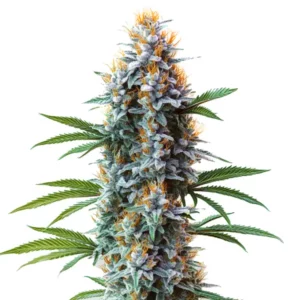
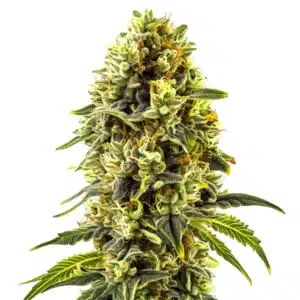
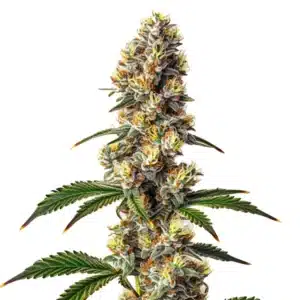
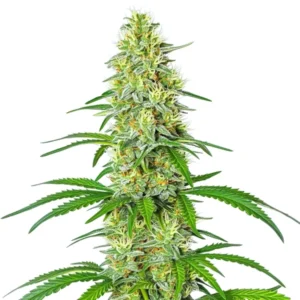
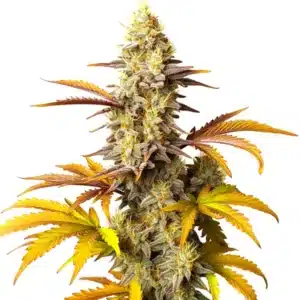
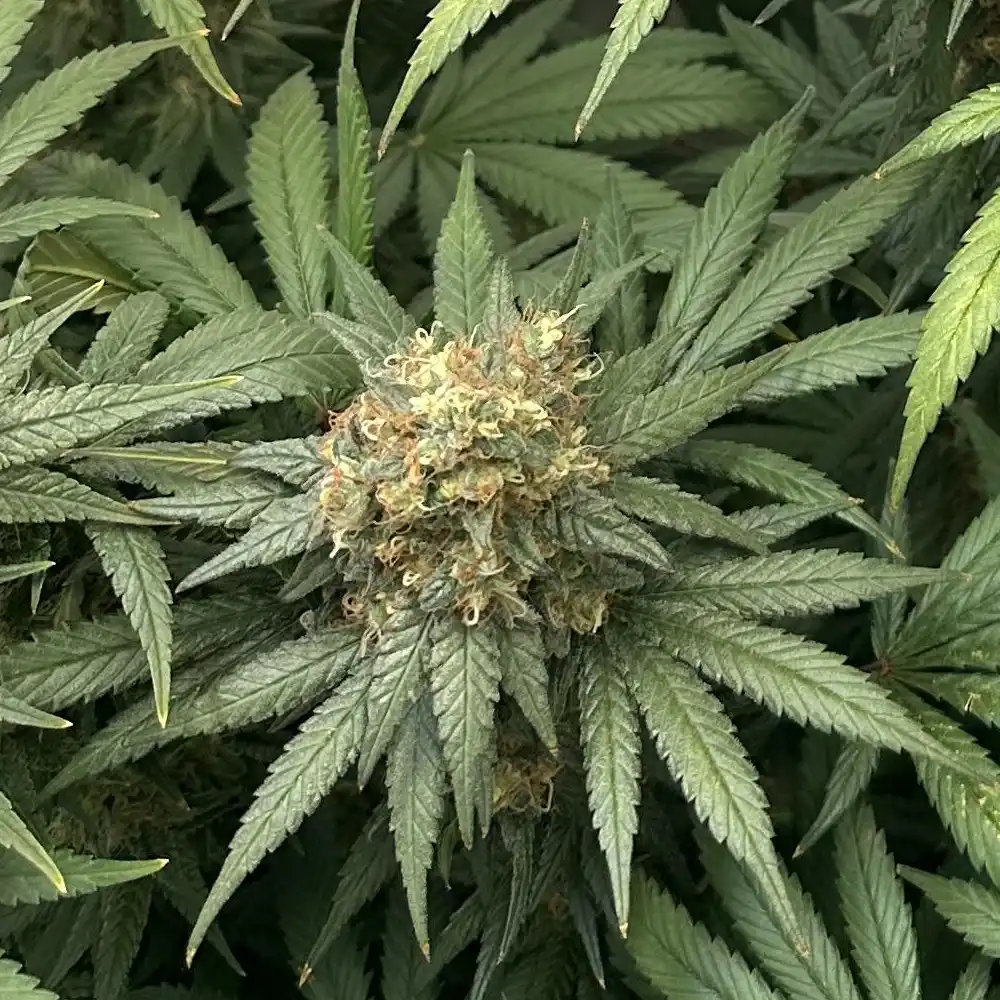
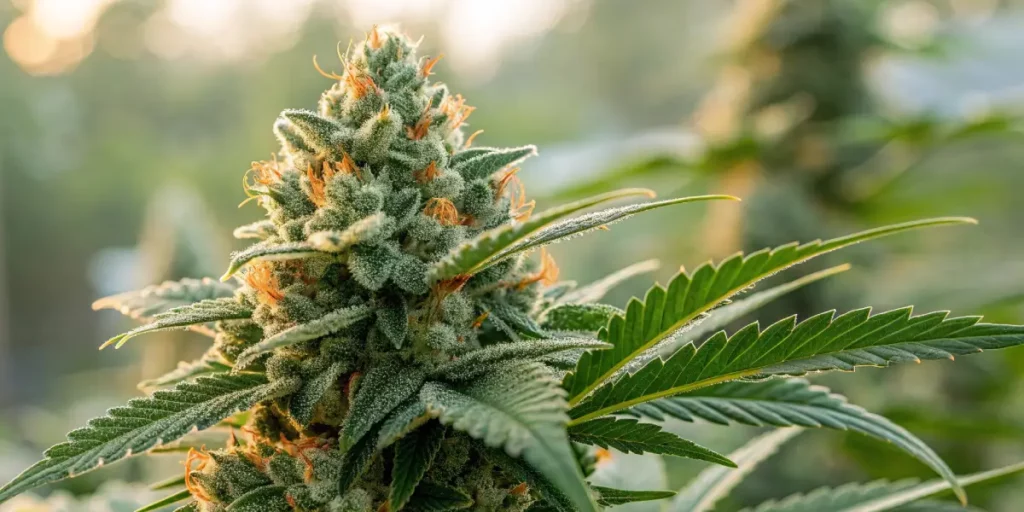
Blue Cheese is known for its dense, resinous buds with a frosty trichome coating. The nugs are compact, bright green, and adorned with vibrant orange hairs. Its aromatic profile combines sweet, fruity notes with a sharp, cheesy undertone, thanks to its terpene composition.
The dominant terpenes, Myrcene and Caryophyllene, play crucial roles. Myrcene enhances THC uptake and provides calming effects, while Caryophyllene offers anti-inflammatory properties and a spicy aroma. These terpenes create a unique flavor profile that distinguishes Blue Cheese from other strains.
Terpenes also influence the strain’s interaction with the human endocannabinoid system. Myrcene facilitates the crossing of the blood-brain barrier, enhancing psychoactive effects. Caryophyllene binds to CB2 receptors, contributing to its anti-inflammatory effects, making Blue Cheese not only flavorful but therapeutically valuable.
Promos & Deals

Growing Blue Cheese Strain
Indoor vs Outdoor Cultivation
Blue Cheese thrives in controlled indoor environments where temperature and humidity can be precisely managed. Maintain temperatures between 70-80°F (21-27°C) during the day and slightly cooler at night. Humidity should be around 60% during the vegetative stage, dropping to 40-50% during flowering to prevent mold.
Outdoors, Blue Cheese prefers a warm, sunny climate similar to the Mediterranean. In cooler regions, a greenhouse can extend the growing season. Ensure well-draining soil and proper airflow to prevent moisture buildup around the dense buds, which are susceptible to mold.
Controlling the environment is crucial for optimizing Blue Cheese’s growth. During the vegetative stage, high humidity (60%-70%) supports transpiration and nutrient uptake. As flowering begins, reducing humidity prevents botrytis. This shift also supports the plant’s natural lifecycle, simulating autumnal conditions that trigger flowering.
Blue Cheese Strain Yield
Indoors, Blue Cheese yields approximately 1.5-1.8 oz/ft² (450-550 g/m²). Its compact structure suits small spaces, while training techniques like topping and low-stress training (LST) can maximize light exposure and increase bud sites. Outdoors, expect yields of 21-25 oz/plant (600-700 g/plant) under optimal conditions.
To achieve these yields, maintain a balanced nutrient schedule with a focus on nitrogen during vegetative growth and phosphorus during flowering. Monitor pH levels, keeping them between 6.0 and 6.5 for soil and slightly lower for hydroponics.
Proper nutrient management is vital. During the vegetative phase, nitrogen supports leaf development, essential for photosynthesis. As flowering progresses, phosphorus and potassium become critical, enhancing bud development and energy transfer. Maintaining the right pH ensures these nutrients are available for uptake.
| Feature | Blue Cheese | Cheese | Blueberry |
|---|---|---|---|
| THC Content | 16-20% | 145-18% | 15-24% |
| Flowering Time | 8-9 weeks | 8-10 weeks | 8-10 weeks |
| Yield (Indoor) | 1.64 – 1.8 oz/ft² | 500 – 550 g/m² | 1.31 oz/ft² | 400 g/m² | 1.64 oz/ft² | 500 g/m² |
| Dominant Terpene | Myrcene | Caryophyllene | Myrcene |
| Climate Suitability | Tropical | Temperate | Tropical |
Professional Tips for Growing Blue Cheese Strain
- Maintain 58-62% RH during cure. Below 55% arrests terpene development; above 65% promotes Botrytis within 48h. Check with a calibrated digital hygrometer, never analog.
- Use a 12/12 light schedule during flowering. Inconsistent light cycles can stress plants, reducing yield and potency.
- Keep pH levels between 6.0 and 6.5 for soil. Incorrect pH can lock out nutrients, leading to deficiencies and stunted growth.
- Train plants with the Screen of Green (ScrOG) method to maximize light exposure and increase bud sites, enhancing yield.
- Monitor nutrient levels closely. Overfeeding can cause nutrient burn, damaging leaves and reducing photosynthesis efficiency.
- Install a carbon filter in indoor grows to control Blue Cheese’s strong aroma, preventing it from becoming overwhelming.
FAQs About Blue Cheese Strain
Is Blue Cheese strain sativa or indica?
Blue Cheese is an Indica-dominant hybrid strain. It typically features a genetic composition of around 80% Indica and 20% Sativa. This balance provides deeply relaxing effects, ideal for evening use. The Indica dominance ensures a calming body high, while the Sativa influence adds a mild cerebral uplift.
Is Blue Cheese top shelf?
Yes, Blue Cheese is considered a top-shelf strain due to its unique flavor profile and potent effects. With THC levels ranging from 16% to 20%, it delivers a powerful high. Its distinct cheesy aroma and dense, resinous buds further enhance its premium status among cannabis enthusiasts.
How strong is Blue Cheese?
Blue Cheese is a potent strain with THC levels typically ranging from 16% to 20%. This strength provides a robust high that is both relaxing and euphoric. Its effects are long-lasting, making it suitable for experienced users seeking relief from stress, anxiety, and chronic pain.
Can I use Blue Cheese in edibles?
Yes, Blue Cheese can be used in edibles. Its unique flavor profile, featuring cheesy and fruity notes, can enhance the taste of cannabis-infused dishes. When using Blue Cheese for edibles, decarboxylate the buds first to activate the THC, ensuring the desired psychoactive effects.