How to Grow BC God Bud

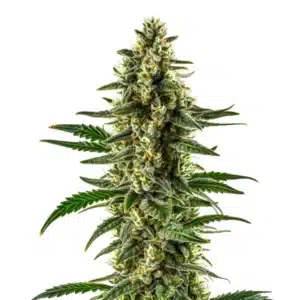
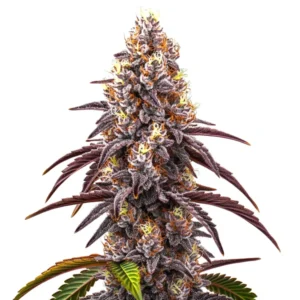
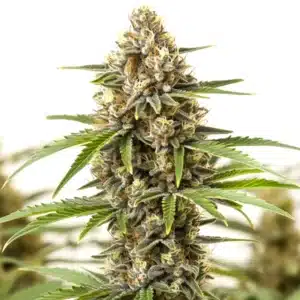
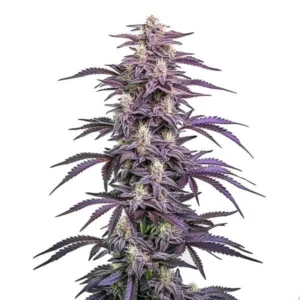
Canadian growers have treated BC God Bud like a national treasure since the late nineties, and once you grow it you understand why. This 80% indica from God, Hawai, and Purple Skunk genetics produces squat, resin-drenched plants whose buds regularly flush purple, carry an earthy-sweet woodland aroma, and test at a respectable 21-23% THC. It finishes flowering in 8-10 weeks at a manageable 4.92 ft.
This guide covers the full cycle for BC God Bud Regular seeds from Blimburn Seeds, with special attention to what makes this release different from most of the catalog: these are regular seeds, meaning males and females, breeding potential, and a little extra know-how that this article walks you through step by step.
Recommended Strains

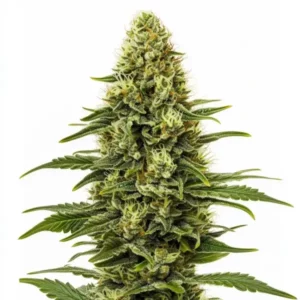
Bc God Bud Regular

|
THC | 21% - 23% (Medium) |

|
Type | Regular |

|
Yield | High |

|
Phenotype | 80% Indica / 20% Sativa |
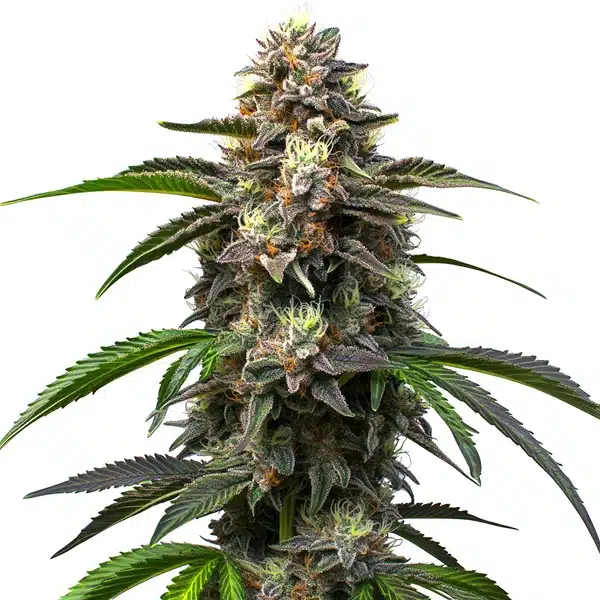
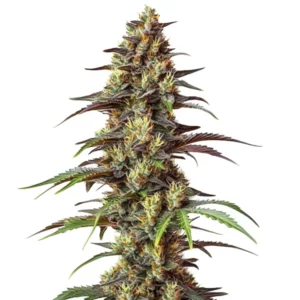
Godfather OG Auto
|
|
THC | 25% - 26% (High) |
|
|
Type | Autoflowering |
|
|
Yield | Medium |
|
|
Phenotype | 70% Indica / 30% Sativa |
BC God Bud at a Glance
The official datasheet first, so you can plan the grow around real numbers.
| Trait | BC God Bud Regular |
|---|---|
| Lineage | God x Hawai x Purple Skunk |
| Type | Regular photoperiod |
| Phenotype | 80% Indica / 20% Sativa |
| THC | 21-23% (medium) |
| Flowering time | 8-10 weeks |
| Height | 4.92 ft (1.5 m) |
| Yield indoor | 1.8-1.97 oz/ft² (550-600 g/m²) |
| Yield outdoor | 4.23-7.05 oz (120-200 g) per plant |
| Outdoor harvest | October |
| Climate | Temperate |
| Effects | Focused, happy, relaxed |
| Flavors | Earthy, herbal, sweet, woody |
The two yield figures deserve a careful read. Indoors, 1.8-1.97 oz/ft² (550-600 g/m²) is a genuinely generous return. Outdoors, 4.23-7.05 oz per plant is far more modest, a reminder that this British Columbia native was shaped by indoor rooms and expects the control they provide.
Promos & Deals
Working with Regular Seeds
These are regular seeds, so roughly half your plants will be male and half female, and your first job after germination is telling them apart. Germinate with the paper-towel method at 70-79°F, plant taproot-down half an inch deep, and veg everything together under 18 hours of daily light. Start more seeds than the number of flowering plants you want; a common rule is double.
Plants reveal their sex at the preflower stage, usually in late veg or within the first two weeks after the light flip. To identify the sex, inspect the nodes where branches meet the stem: females show small teardrop-shaped calyxes with white pistils, while males develop smooth, round pollen sacs on little stalks with no pistils at all. Check every plant every day during this window, because one open pollen sac can seed your entire room.
Remove the males as soon as they declare themselves, unless you are breeding. That is the real gift of a regular line like this: keep your strongest male, collect its pollen, and you can make your own BC God Bud seeds or cross it onto other strains. The same applies to other regular lines in the Blimburn Seeds catalog, such as Chemdog Regular, and old-school breeders prize exactly this kind of unaltered genetics. Growers who prefer every seed to flower can browse the wider regular seeds collection knowing what the workflow involves.
Growing BC God Bud Indoors
Indoors is this strain’s home turf. Veg for 4-8 weeks under 18/6, then switch to 12/12 to trigger flowering; the 8-10 week bloom runs its course with the plant staying compact and rarely testing a 1.5 m ceiling even after the stretch. Top once in veg and spread the mains with low-stress training so light reaches the lower bud sites.
Keep lights-on temperatures at 68-81°F, with 50-60% humidity in veg dropping to 40-45% in bloom. BC God Bud’s buds are dense and its leaf set is heavy, so an oscillating fan and a mid-canopy defoliation around week 3 of flower pay for themselves. A slightly cooler lights-off period late in bloom deepens the purple coloration dramatically.
Dialed in, expect 1.8-1.97 oz/ft² (550-600 g/m²) from your females, dense nuggets that feel heavier than they look and sparkle with the resin that made this strain’s reputation.
Growing BC God Bud Outdoors
Outdoors, give it a temperate climate: mild summers and a dry-ish early autumn suit it better than extreme heat, which its British Columbia heritage never prepared it for. Harvest lands in October, and each female delivers 4.23-7.05 oz (120-200 g), modest for the effort, which is why many outdoor growers treat it as a quality play rather than a volume one.
Sun-grown BC God Bud compensates in character: cool autumn nights push the purple pigments hard, and the woody, herbal aroma gains depth that indoor rooms rarely replicate. Plant in full sun, keep spacing wide for airflow, and if rain threatens in the final two weeks, a simple cover protects those tight buds from moisture problems.
Feeding and Watering
BC God Bud feeds like a classic indica: steadily, without drama, and with a dislike of sudden strength jumps.
| Stage | EC | pH | Notes |
|---|---|---|---|
| Seedling | 0.4-0.6 | 6.0-6.5 | Plain water or quarter-strength feed |
| Vegetative | 0.8-1.2 | 6.0-6.5 | Nitrogen-forward, add silica for stems |
| Preflower | 1.2-1.4 | 6.0-6.5 | Transition formula at the 12/12 flip |
| Bloom | 1.4-1.6 | 6.0-6.5 | Phosphorus and potassium forward |
| Flush | 0.0-0.4 | 6.0-6.5 | Final 10-14 days, plain water |
Water when the top inch of the medium has dried and let containers lighten clearly between waterings. Mid-bloom, watch the older fan leaves for interveinal yellowing, the classic magnesium request, and answer it with cal-mag rather than more base nutrients.
Finish on plain water for the last 10-14 days at EC 0.0-0.4. The sweet, woody finish is this strain’s signature, and it only shows up fully in flower that was flushed clean.
Flavor, Terpenes, and Effects of BC God Bud
The aroma is a walk through a damp forest: earth and moss up front, fresh herbs and pine-tinged wood behind, and a soft sweetness that rounds the exhale. Six terpenes from the official profile lead that composition. Myrcene lays the earthy, musky base and pinene supplies the woodland-pine edge, while caryophyllene and humulene add the lightly spiced, hoppy herbal depth. Terpinolene keeps the herbal side fresh and green, and bisabolol, a chamomile terpene rare in this concentration, is responsible for the gentle sweet-floral landing.
Linalool, farnesene, phellandrene, and camphene complete the supporting cast. The effect pattern is one of the most pleasant surprises in the heavy-indica world: focused, happy, and relaxed, in that order. At 21-23% THC it settles the body the way an 80% indica should, yet leaves the mind clear enough for an evening of music, cooking, or conversation rather than sending you straight to the couch.
Why BC God Bud Turns Purple
The Purple Skunk in its ancestry gave BC God Bud a strong tendency toward anthocyanin expression, the pigments that turn the buds purple as flowering progresses. Indoors, you can encourage the display by letting lights-off temperatures dip toward the mid-60s°F in the last three weeks; outdoors, cool October nights usually do it for free.
Color is cosmetic, not chemical: a deep purple bud is not stronger than a green one from the same plant. But the contrast of violet calyxes, amber pistils, and white trichome frost is a large part of this strain’s bag appeal, and a mild temperature differential costs nothing to apply. Just avoid chasing color with real cold, because temperatures below 59°F slow bud development more than they beautify it.
Harvesting, Drying, and Curing
Check trichomes with a loupe from week 7 of bloom. Harvest when most are cloudy and 10-20% have turned amber for the balanced focused-relaxed profile this strain is loved for; more amber shifts it heavier into the body. The purple color often peaks right around the same window.
Dry whole branches upside down at 59-68°F and 50-55% humidity for 7-14 days in darkness with gentle airflow, and wait for stems that snap before trimming and jarring. Cure in glass for at least three weeks, burping daily in the first week. The woody-sweet depth that defines a proper BC God Bud emerges in the jar, not on the drying line.
What to Do With Your Trim
Resinous sugar leaves are standard issue here. Dry-sift them for kief, run ice-water bags for hash, or slow-infuse the trim into butter for edibles with that distinctive woodland-sweet note. If you kept a male for breeding, its early flowers can also go to the extraction pile.

Common Problems and Pro Tips
BC God Bud Regular is a forgiving, high-yielding grow, but it is a dense, purple indica with regular genetics, so plan for the males and airflow.
- Sort the males early: as a regular strain about half the plants come up male, so check pre-flowers and pull the males early unless you are keeping one for breeding.
- Watch the humidity: as an 80% indica its buds are dense and trap moisture, so keep flowering humidity down and run a fan to prevent bud rot.
- Use cool nights for colour: its Purple Skunk ancestry turns the buds purple when late-flower nights run cool, so a slight temperature drop brings out that colour.
Expert tip: the earthy, herbal, sweet, woody flavour reads like forest floor with a soft sweet finish. A slow dry and a careful cure bring that character through at its best after harvest.
Frequently Asked Questions
Is BC God Bud indica or sativa?
It is strongly indica dominant, at 80% indica to 20% sativa, from God, Hawai and Purple Skunk genetics. Structure, flowering speed and the relaxed body effect all follow the indica side, which also means dense buds, so keep humidity down and air moving as the plant fills out in flower.
Are BC God Bud Regular seeds the same as regular photoperiod plants from other seed types?
These are true regular seeds: about half the plants will be male. You need to identify the sex at preflower and remove the males, or use them for breeding, which is exactly what this format is for. Check the pre-flowers early so you catch the males before they shed pollen onto your females.
Why do BC God Bud buds turn purple?
Purple Skunk ancestry gives the strain a natural tendency to produce anthocyanin pigments. Cool nights in late flowering intensify the purple; the color does not change potency. So chase cooler late-season nights only if you want that purple look, and judge ripeness by the trichomes instead.
How long does BC God Bud take to flower?
Flowering takes 8 to 10 weeks after the switch to 12/12 indoors. Outdoor plants in temperate climates finish in October. Its dense buds benefit from good airflow through that window, so keep a fan moving air across the canopy and check trichomes toward the end for your preferred ripeness.
What does BC God Bud taste like?
Earthy, herbal, sweet and woody, led by myrcene, pinene, caryophyllene, humulene, terpinolene and bisabolol. Think forest floor with a soft sweet finish. Dry slowly in a cool, dark space and cure in jars so that grounded, woody-sweet character comes through at its best in the finished flower.
What is the THC level of BC God Bud?
The official range is 21 to 23%, a solid medium level that delivers a clear, relaxed body effect without extreme intensity. For growers that means a rewarding, approachable plant where the appeal sits in its heavy yield and earthy, forest-floor character as much as in the raw numbers.