How to Grow Afghan Autoflower

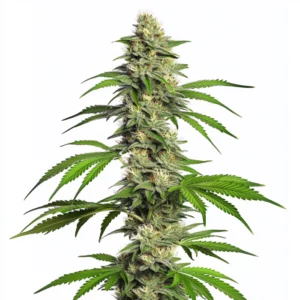
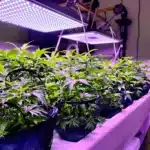
Afghan Autoflower is a robust strain ideal for diverse growing conditions. It boasts a flowering period of 8-10 weeks and reaches a height of approximately 3.94 ft (1.2 m). Its resilience and adaptability make it perfect for both novice and seasoned growers. Ensure optimal growth by maintaining a stable climate and providing adequate lighting, whether cultivating indoors or outdoors.
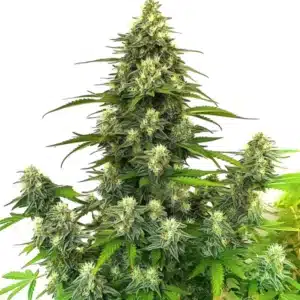
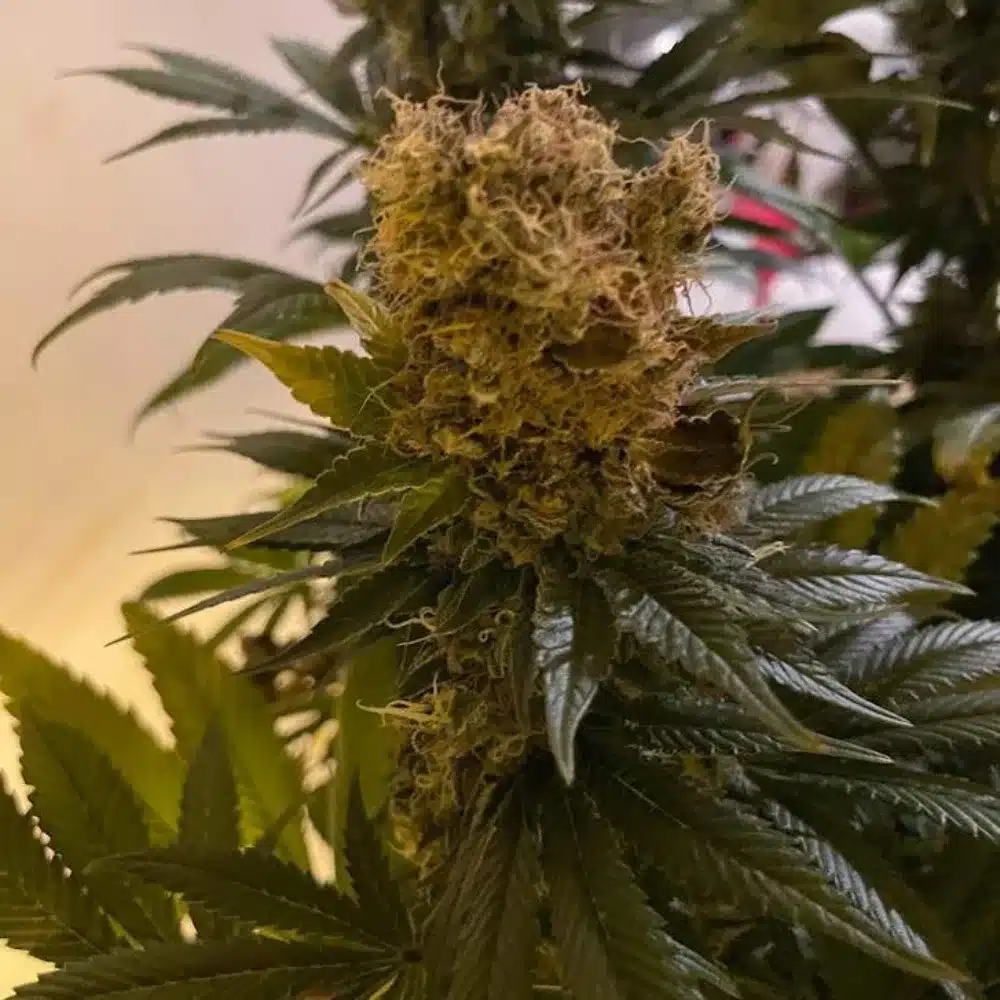
Afghan Autoflower is renowned for its earthy, spicy aroma and robust growth characteristics. This predominantly Indica strain is a cross between classic Afghani and Ruderalis genetics, offering a unique blend of resilience and potency. With a flowering time of 8-10 weeks, it provides a relaxing experience with medium THC levels of 15-17%. Its adaptability makes it a favorite among cultivators.
Recommended Strains

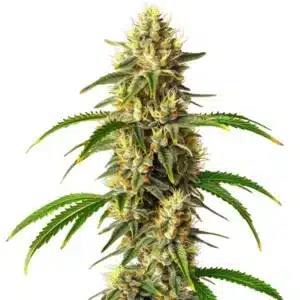
Afghan Autoflower

|
THC | 15% - 17% (Medium) |

|
Type | Autoflowering |

|
Yield | Medium |

|
Phenotype | 90% Indica / 10% Sativa |
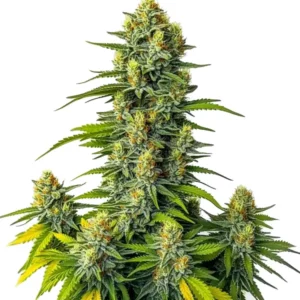
Afghan Hash Plant Regular
|
|
THC | 18% - 22% (Medium) |
|
|
Type | Regular |
|
|
Yield | High |
|
|
Phenotype | 90% Indica / 10% Sativa |
Afghan Autoflower Characteristics
Genetic Background and Effects
Afghan Autoflower is a hybrid derived from Afghani and Ruderalis genetics, resulting in a predominantly Indica profile. This genetic makeup contributes to its robust nature and autoflowering capabilities, eliminating the need for light cycle adjustments to trigger flowering. Its Indica dominance ensures a body-heavy high, ideal for relaxation and stress relief.
The strain’s THC levels range between 15-17%, providing a moderate yet potent effect suitable for both recreational and medicinal purposes. The presence of myrcene, a dominant terpene, enhances THC absorption, contributing to its calming effects. Myrcene also imparts an earthy aroma with hints of spice, characteristic of traditional Afghan strains.
Flavor Profile and Aroma
Afghan Autoflower boasts a rich flavor profile dominated by earthy and spicy notes, complemented by woody undertones. This complex aroma is primarily due to its terpene composition, with myrcene levels ranging from 0.5-0.8%. Myrcene is known for its sedative properties and enhances the overall relaxing experience.
Caryophyllene, another significant terpene, adds a peppery spice to the aroma and has anti-inflammatory effects. Its presence in Afghan Autoflower contributes to the strain’s therapeutic potential, making it a versatile choice for users seeking both flavor and medicinal benefits.
Promos & Deals
Environmental Requirements
Indoor vs Outdoor Growing
Afghan Autoflower thrives in both indoor and outdoor settings, thanks to its resilient nature. Indoors, maintain temperatures between 70-80°F (21-27°C) during the day and slightly cooler at night. Ensure proper ventilation and use LED grow lights or HPS lamps to provide the necessary light intensity for optimal growth.
Outdoors, the strain performs best in temperate climates with ample sunlight. It grows to a manageable height of about 3.94 ft (1.2 m), making it suitable for discreet cultivation. Protect the plants from extreme weather conditions, such as heavy rains or strong winds, to prevent damage and ensure healthy growth.
| Feature / Merkmal | Afghan Autoflower | Critical Auto | Amnesia Haze Auto |
|---|---|---|---|
| THC Content | 15-17% | 10-14% | 16-17% |
| Height | 3.94 ft | 1.2 m | 4.27 ft | 1.3 m | 3.94 ft | 1.2 m |
| Flowering Time | 8-10 weeks | 8-10 weeks | 9-11 weeks |
| Dominant Terpene | Myrcene | Limonene | Terpinolene |
| Yield Indoor | 1.31 oz/ft² | 400 g/m² | 1.15 – 1.31 oz/ft² | 350 – 400 g/m² | 0.98 – 1.31 oz/ft² | 300 – 400 g/m² |
Climate Considerations
For successful cultivation, Afghan Autoflower requires a stable climate with minimal fluctuations. Indoors, maintain humidity levels between 40-50% to prevent mold and mildew. Outdoors, choose a location that receives direct sunlight for at least 6-8 hours daily. In regions with less favorable climates, consider using a greenhouse to provide a controlled environment.
Monitor environmental conditions closely, as Afghan Autoflower, while resilient, can still be susceptible to stress from extreme temperatures or humidity. Use a digital hygrometer to track humidity levels and adjust ventilation as needed to maintain optimal conditions.
Lighting and Photoperiod
Lighting plays a crucial role in the growth and yield of Afghan Autoflower. During the vegetative stage, provide 16-24 hours of high-intensity light to ensure robust growth. This mimics the long daylight hours of summer, which is essential for photosynthesis and nutrient uptake. In the flowering phase, maintain a strict 12/12 photoperiod to encourage bud development and resin production.
Ensure the light spectrum mimics natural sunlight, with a balance of blue and red wavelengths. This spectrum supports both vegetative growth and flowering, enhancing overall plant health and yield. Position lights at an appropriate distance to prevent heat stress and leaf burn.
Professional Tips for Growing Afghan Autoflower
Flush plants with clean water two weeks before harvest. This removes excess nutrients, improving flavor and smoothness. Monitor runoff pH to ensure proper flushing.
Maintain temperatures between 70-80°F (21-27°C) for optimal growth. Fluctuations can stress the plant, leading to reduced yields. Use a digital thermometer for accurate monitoring.
Ensure humidity levels stay between 40-50% during flowering. High humidity above 60% can lead to mold, while below 30% can dry out the plant. Use a dehumidifier if necessary.
Provide 18-20 hours of light daily during the vegetative phase. Insufficient light can stunt growth, while excess can cause heat stress. Position lights at an appropriate distance to prevent burning.
Use a balanced N:P:K ratio of 3:1:2 during the vegetative stage. This promotes healthy leaf and stem development. Avoid over-fertilization, which can lead to nutrient burn.
Implement low-stress training (LST) to maximize light exposure and increase yields. Avoid high-stress techniques that can shock autoflowers.
FAQs
How long does Afghan autoflower take to flower?
Afghan Autoflower typically flowers within 8-10 weeks from germination. This rapid cycle is due to its Ruderalis genetics, which allow it to bypass the light cycle changes needed by photoperiod strains. This makes it ideal for growers seeking quick harvests without the need for complex light management.
What is the strongest autoflower strain?
While Afghan Autoflower is known for its moderate potency, strains like Amnesia Haze Autoflower can reach THC levels of 18-22%, making them some of the strongest in the autoflower category. These strains offer a more intense cerebral high, appealing to users seeking powerful effects.
How much does Afghan Kush auto yield?
Afghan Kush Auto yields approximately 1.5-1.8 oz/ft² (450-550 g/m²) indoors. This yield can vary based on growing conditions and care. Outdoors, yields can be higher, reaching up to 21-25 oz/plant (600-700 g/plant) under optimal conditions with ample sunlight and proper nutrition.
Is Afghani a sativa or indica?
Afghani strains, including Afghan Autoflower, are predominantly Indica. They are known for their relaxing effects, making them suitable for evening use or as a sleep aid. This Indica dominance results in a compact plant structure, ideal for indoor cultivation with limited space.
What makes Afghan Autoflower unique?
Afghan Autoflower stands out due to its resilience and ease of growth, making it perfect for beginners. Its unique flavor profile, featuring earthy and spicy notes, combined with a moderate THC range of 15-17%, offers a balanced experience. Its autoflowering nature simplifies cultivation, eliminating the need for light cycle changes.