Outdoor Cannabis Grow Guide

Quick Summary: Master the art of outdoor cannabis cultivation by leveraging natural solar radiation (PAR), optimized NPK ratios, and strategic South-facing orientation. This guide details soil microbiology, metabolic transitions during flowering, and advanced pruning techniques like FIM to maximize seasonal harvests and cannabinoid profiles.
The Biological Foundations: How to Grow Outdoor Marijuana
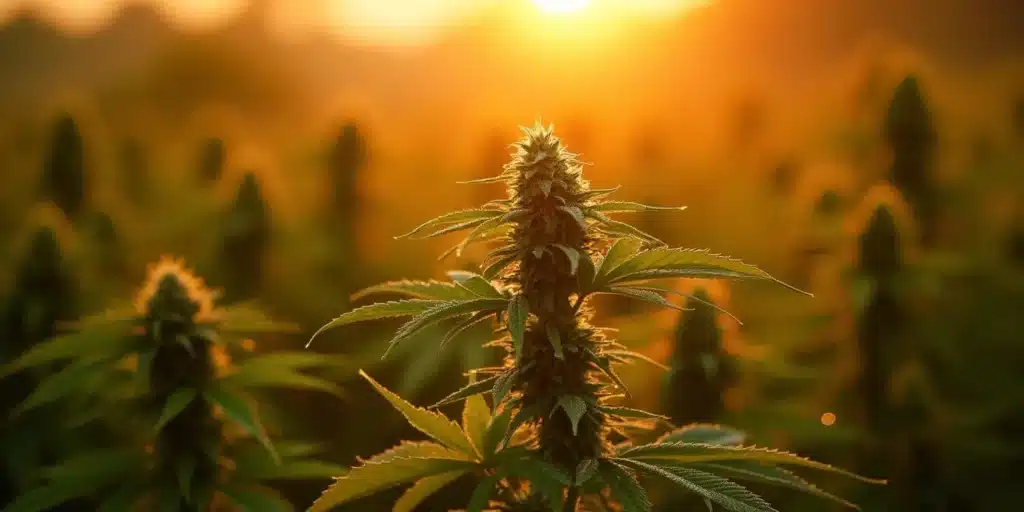
Successful outdoor cannabis cultivation is a synergy between plant genetics and the environmental variables of the rhizosphere and atmosphere. Unlike indoor grows, an Outdoor Cannabis Grow utilizes the full spectrum of solar radiation, specifically PAR (Photosynthetically Active Radiation), which peaks between 400-700nm. This intense light drives the manufacture of carbohydrates more efficiently than most artificial systems. To maximize this, plants must be oriented towards the South (in the Northern Hemisphere) to ensure they receive the maximum Daily Light Integral (DLI), which directly correlates to biomass production and final flower density.
Recommended Strains

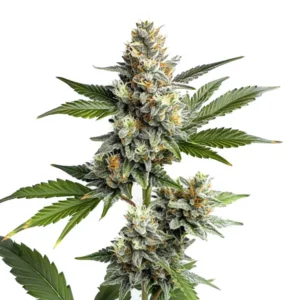
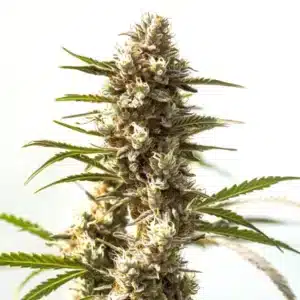
Green Crack

|
THC | 21% (Medium) |

|
Type | Feminized |

|
Yield | High |

|
Phenotype | 35% Indica / 65% Sativa |

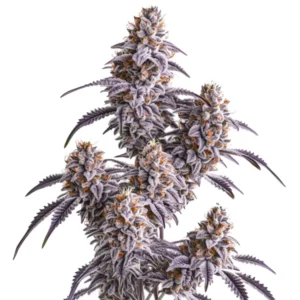
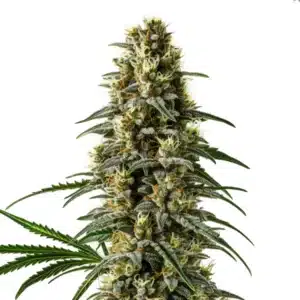
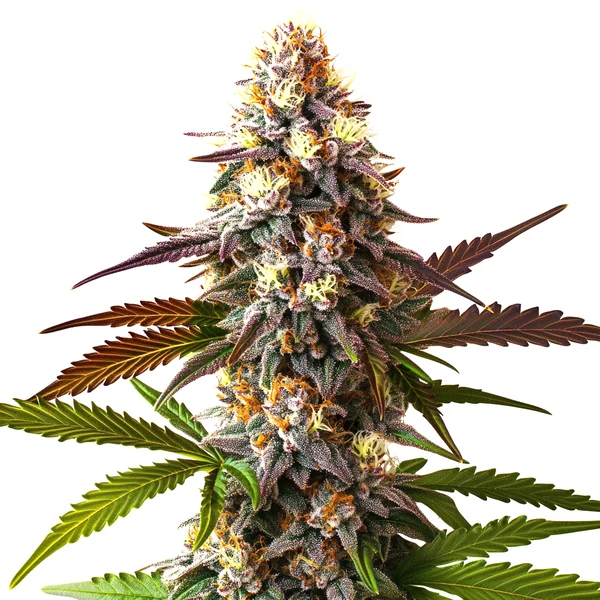
Cinderella 99 Auto
|
|
THC | 24% - 26% (High) |
|
|
Type | Autoflowering |
|
|
Yield | High |
|
|
Phenotype | 20% Indica / 80% Sativa |
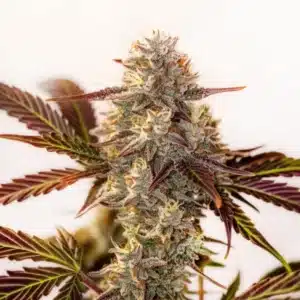
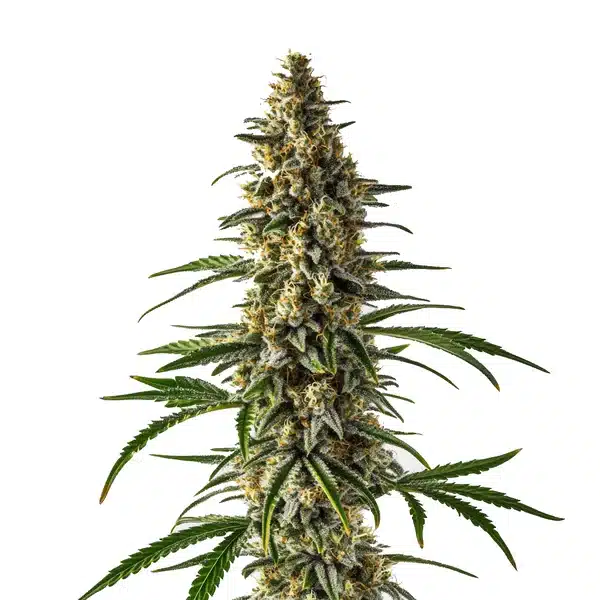
Cake Bomb Fast Version
|
|
THC | 15% - 19% (Medium) |
|
|
Type | Fast Flowering |
|
|
Yield | High |
|
|
Phenotype | 70% Indica / 30% Sativa |
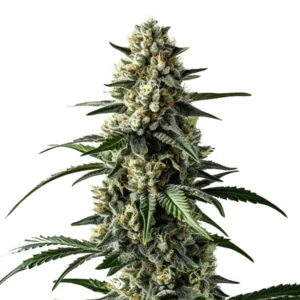
Jack Herer x Super Skunk
|
|
THC | 17% - 24% (High) |
|
|
Type | Feminized |
|
|
Yield | High |
|
|
Phenotype | 45% Indica / 55% Sativa |
The transition from the vegetative stage to flowering is governed by the plant’s phytochromes. These light-sensitive proteins detect the lengthening of nights. In the pre-flowering stage, which typically occurs between weeks 4 and 7, the plant undergoes a metabolic shift. Hormonal balances of auxins (growth stimulators) and cytokinins (cell division regulators) fluctuate as the plant prepares its structure to support heavy terminal colas. Ensuring a distance of 1.5 to 2 meters between specimens is critical to prevent microclimate humidity pockets and to ensure light reaches the lower fan leaves, which serve as the plant’s primary solar panels.
Promos & Deals
Soil Chemistry and Nutrient Ratios: Outdoor Marijuana Growing Guide
The rhizosphere (root zone) is the heart of your crop. For an optimal environment, soil pH must be maintained between 6.0 and 7.4 to ensure the bioavailability of both macro and micronutrients. If the pH drifts outside this window, “nutrient lockout” occurs, where elements like Manganese or Iron become chemically unavailable despite being present in the soil. A deep taproot system is essential for structural stability and drought resistance; therefore, larger containers or direct mother-earth planting is always superior for vigor.
Nutrient requirements shift drastically through the life cycle. During the vegetative stage, a high-nitrogen (N) ratio (e.g., NPK 3-1-2) is required to build chlorophyll and stem cellulose. As the plant enters the maturation phase, the demand for Phosphorus (P) and Potassium (K) increases (e.g., NPK 1-3-2) to facilitate ATP production and trichome development. Over-fertilization is a common pitfall; a professional “pulse” feeding schedule, applying nutrients one day followed by two days of plain pH-adjusted water, prevents salt buildup and maintains the osmotic balance required for root hair health.
Technical Comparison of Outdoor Cultivation Variants
| Technical Feature | Autoflowering | Fast Version | Photoperiod |
|---|---|---|---|
| Light Cycle Requirement | Non-photoperiod dependent. Requires 18/6 or 20/4. | Photoperiod dependent but triggers early. 12/12 triggers. | Strict photoperiodism. Requires ~12 hours darkness. |
| Root Development | Rapid, shallow lateral roots. Sensitive to transplanting. | Hybrid vigor; develops strong vertical taproot. | Massive, deep expansion. High drought tolerance. |
| Metabolic Rate | Extremely high; constant nutrient uptake. | Accelerated flowering metabolism (F1 cross). | Steady, seasonal progression with peak fall spikes. |
| Terpene Complexity | High Myrcene/Caryophyllene (Ruderalis traits). | Rich Limonene and Linalool profiles. | Maximum genetic expression; complex Entourage Effect. |
| Typical Yield (Outdoor) | 3 – 6 oz per plant (Compact). | 17 – 22 oz per plant (Efficient). | 24+ oz per plant (Monster potential). |
Training for Potency: Growing Feminized Seeds Outdoors
When growing feminized seeds outdoors, the objective is to maximize the surface area of resinous flower tissue. Apical pruning (topping) or the FIM technique (removing only 90% of the growth tip) redirects auxins from the apical meristem to the lateral branches. This creates a “bushy” canopy rather than a traditional fir shape, which is critical for outdoor growers who need to keep a low profile while increasing yield. Bending branches horizontally (LST) exposes more nodes to direct PAR, triggering the development of secondary colas that would otherwise remain “popcorn” buds.
The health of the plant is visually signaled through turgidity and leaf positioning. Healthy specimens display leaves at the “10 and 10” position (like a clock), angled upwards to capture photons. This is a sign of high transpiration efficiency and root health. To protect these metabolic factories, it is essential to spray the underside of the leaves with a mild horticultural soap or water every 15 days. Pests like spider mites and whiteflies nest in the abaxial (bottom) leaf surface to avoid direct UV rays and predators; consistent foliar maintenance here is the best preventive measure.
Terpenes and the Entourage Effect: Best Outdoor Yielding Strains
The best outdoor yielding strains are those that have been stabilized for environmental resilience. Strains like Jack Herer x Super Skunk thrive in outdoor Mediterranean climates because their resin production acts as a natural defense mechanism against UV-B radiation. This resin is rich in terpenes such as Limonene (anti-fungal and uplifting) and Pinene (bronchodilator and alert-promoting). These aromatic compounds do not just provide flavor; they modulate the effects of THC and CBD via the Entourage Effect, determining whether a strain provides a “soaring” sativa head-high or a “couch-lock” indica stone.
In the final stages of maturation, the visual cues of the trichomes (resin glands) are the only reliable indicator of peak potency. Using a 30X microscope, look for a shift from clear to translucent milky white (peak THC) to amber (oxidized THC/increased CBN). Harvesting when 50% are milky and a few are amber provides the most balanced effect. A slow five-to-seven-day drying process at 18-24°C ensures that chlorophyll degrades properly, preventing the harsh “green” taste often found in poorly handled outdoor crops.
Expert Cultivation Tips
Final Flush: Cease all nutrients 10-14 days before harvest. Use reverse osmosis water to force the plant to consume its stored sugars, resulting in a cleaner burn.
Rhizosphere Inoculation: Use Trichoderma and mycorrhizal fungi at transplant to increase root surface area by up to 200%.
Structural Integrity: Stake your plants with bamboo or trellis netting early; outdoor buds can become so heavy during the late-bloom swell that they snap branches.
Water Osmosis: Always water in the late afternoon. This prevents rapid evaporation and allows the plant to fully hydrate before the metabolic spike of sunrise.
The “10 and 10” Rule: If your leaves are drooping, check your VPD (Vapor Pressure Deficit). High heat with low humidity causes stomata to close, stopping growth.
When is the best time to start an Outdoor Cannabis Grow?
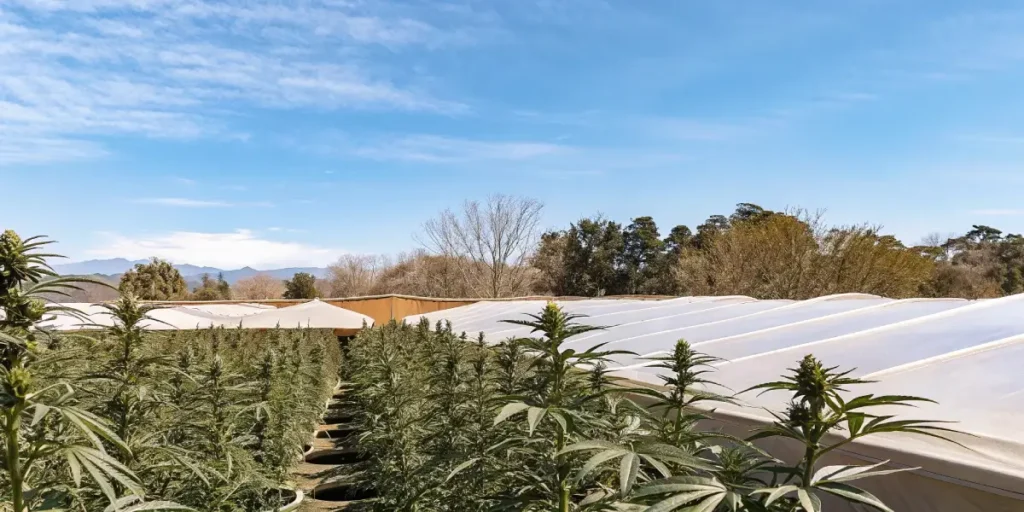
The biological window opens between March and May in the Northern Hemisphere. This coincides with the spring equinox when the photoperiod naturally supports the vegetative phase. Starting too early can lead to “revegetation” stress if nights are still too long, while starting too late limits the plant’s structural development before the summer solstice triggers the flowering hormone transition.
What are the yield expectations for growing feminized seeds outdoors?
Yields vary wildly based on DLI and pot size. While a small container might yield 4-8 oz, a plant grown in mother soil with optimized NPK pulse-feeding can easily exceed 24 oz. Using “Fast Version” genetics like Cake Bomb provides a competitive advantage by shortening the maturation window, allowing for a heavy harvest before the late-autumn rains increase mold risk.
How can I protect my outdoor marijuana from pests and mold?
Prevention is centered on the abaxial leaf surface and airflow. Maintain 1.5-2m spacing to ensure wind can pass through the canopy, lowering humidity. Regularly spray the undersides of leaves with water or organic Neem solutions every two weeks to disrupt pest nesting. For mold, ensure plants have high Potassium levels during bloom to strengthen cell walls against fungal penetration.
Why is the soil pH so important for outdoor marijuana?
Soil pH acts as the “gatekeeper” for nutrient absorption. In the 6.0 to 7.4 range, the electrical conductivity of the soil allows the roots to efficiently pull Nitrogen, Phosphorus, and Potassium. If the soil becomes too acidic or alkaline, chemical bonds form that make these nutrients insoluble, leading to deficiencies even if you are feeding the plant daily.