Top Best Cannabis Strains Resistant to Chlorosis: Expert Picks

Cultivating cannabis can be challenging, especially when dealing with chlorosis, a condition where leaves turn yellow due to lack of chlorophyll. Selecting the best cannabis strains resistant to chlorosis is crucial for a successful harvest. Here, we cover strains that not only resist this condition but also thrive in diverse environments.
Chlorosis can be caused by various factors such as nutrient deficiencies, pests, or diseases. To combat this, growers often seek strains with natural resistance. Blimburn Seeds offers several options known for their resilience, ensuring robust growth even under less-than-ideal conditions.
Recommended Strains

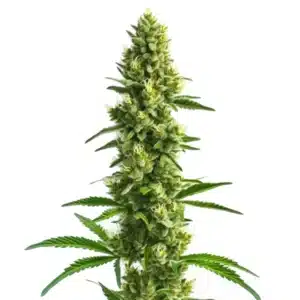
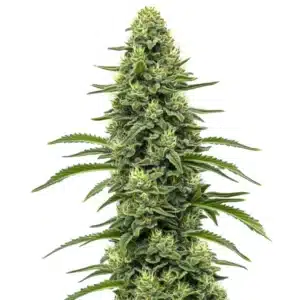
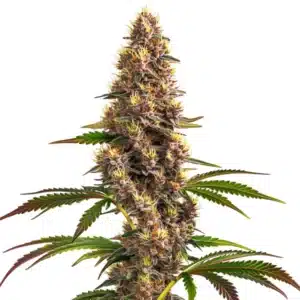
Green Crack

|
THC | 21% (Medium) |

|
Type | Feminized |

|
Yield | High |

|
Phenotype | 35% Indica / 65% Sativa |
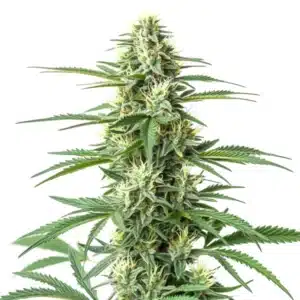
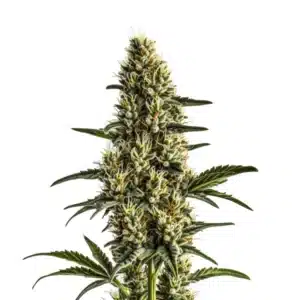
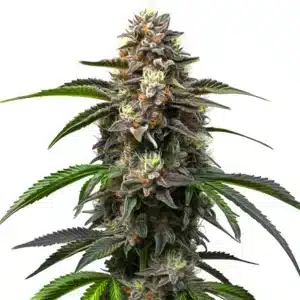
CBD Critical Mass (1:1)

|
CBD | 5% (Low) |
|
|
Type | CBD Feminized |
|
|
Yield | Medium |
|
|
Phenotype | 60% Indica / 40% Sativa |
For both seasoned growers and novices, choosing the right strain makes all the difference. Let’s dive into the top picks that won’t let chlorosis ruin your plants.
Blue Dream
Blue Dream is a favorite among cannabis enthusiasts. This sativa-dominant hybrid is known for its sweet berry aroma and ability to produce large yields. But what makes it stand out is its resistance to chlorosis.
With origins in California, Blue Dream thrives in warm climates but is adaptable enough for indoor growing. Its resilience to nutrient deficiencies makes it a top cannabis strain with high chlorosis tolerance. Even if you’re a beginner, Blue Dream can forgive a few mistakes.
One of the best cannabis strains resistant to chlorosis, Blue Dream offers a calming yet uplifted experience cherished by both recreational and medicinal users. Its adaptability also extends to various soil types, making it an ideal choice for growers experimenting with different mediums.
Furthermore, Blue Dream’s genetic lineage from Blimburn Seeds contributes to its robust nature. This strain’s ability to bounce back from minor nutritional imbalances makes it a reliable option for those looking to cultivate cannabis strains with high chlorosis tolerance.
- Flavor: Sweet berry and earthy tones
- Climate: Warm and dry, adaptable to indoor
- Yield: High, suitable for commercial growers
Growing Tips for Blue Dream
Ensure your Blue Dream plants have adequate space as they tend to grow tall. Regular pruning helps manage height and encourages better light penetration. Despite its resilience, maintaining a balanced nutrient mix is key to maximizing its potential.
Blue Dream prefers a stable environment with consistent temperatures. Sudden changes can stress the plant, potentially leading to chlorosis despite its resistance. Keeping an eye on your grow room’s climate will help your plants remain healthy.
To further enhance growth, consider using organic soil amendments that boost beneficial microbial activity. This natural approach can improve nutrient availability and uptake, providing a healthier growing medium for Blue Dream.
For those looking to maximize yield, implementing a training technique such as low-stress training (LST) can be beneficial. This method encourages more bud sites, ensuring that your efforts in cultivating one of the best cannabis strains for chlorosis resistance are well-rewarded.
Promos & Deals
Green Crack
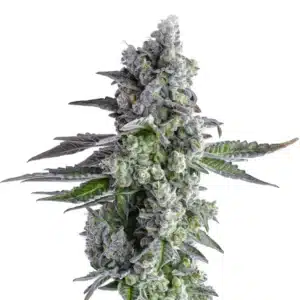
Green Crack is another top marijuana strain resistant to chlorosis, known for its invigorating effects and fruity flavor profile. Its resistance to nutrient imbalances makes it a go-to choice for many growers.
This strain adapts well to different growing conditions, including indoor and outdoor setups. Its vigorous growth and resistance to common cannabis ailments, like chlorosis, make it a staple for those looking to maximize yield without the hassle.
Green Crack stands out as one of the chlorosis-resistant weed strains due to its robust genetic framework. This makes it particularly popular among those who are new to cannabis cultivation, providing a forgiving experience.
The strain’s ability to thrive under varied environmental conditions allows cultivators to experiment with different growing techniques. Whether using hydroponics or traditional soil methods, Green Crack from Blimburn Seeds delivers consistently impressive results.
- Flavor: Citrus, fruity, and earthy
- Climate: Prefers mild, Mediterranean-like conditions
- Yield: Impressive, especially outdoors
Optimizing Green Crack Cultivation
Green Crack requires well-draining soil to prevent root rot. Overwatering is a common mistake, so be cautious with your watering schedule. This strain is hardy but keeping moisture levels balanced is crucial.
Regular feeding with nitrogen-rich nutrients during the vegetative stage will support its rapid growth. However, be wary of nutrient burn; less is often more with Green Crack.
Besides to managing moisture, consider integrating companion plants that naturally repel pests. This organic approach complements Green Crack’s natural resistance to chlorosis and enhances its overall health.
Utilizing reflective materials in indoor setups can enhance light distribution, encouraging even growth. This is particularly advantageous for maximizing the yield potential of top marijuana strains resistant to chlorosis like Green Crack.
Critical Mass
Critical Mass is renowned for its massive buds and quick flowering time. It’s one of the cannabis strains that thrive with chlorosis due to its resilient nature.
This indica-dominant strain is perfect for growers looking for high yields in a short period. Its ability to withstand common issues like chlorosis makes it a reliable choice for both indoor and outdoor cultivation.
The strain’s genetic stability from Blimburn Seeds ensures that Critical Mass remains one of the best cannabis strains for chlorosis resistance. Its ability to flourish in diverse conditions makes it a versatile option for various cultivation setups.
With its substantial yields, Critical Mass is often favored by commercial growers aiming to maximize productivity without compromising quality. Its robust nature ensures that even under stressful conditions, it maintains impressive growth rates.
- Flavor: Earthy, sweet, and citrus
- Climate: Suitable for both indoor and outdoor growing
- Yield: Exceptionally high
Critical Mass Care Guide
Due to its dense buds, Critical Mass requires careful humidity control to prevent mold development. Proper ventilation and dehumidifiers can help maintain the ideal environment.
While it can resist certain nutrient deficiencies, regular feeding with a balanced fertilizer supports its explosive growth. Monitoring soil pH levels is important to ensure nutrient uptake remains optimal.
Incorporating silica supplements can strengthen plant cell walls, offering additional protection against environmental stressors. This can further enhance the resilience of cannabis strains that thrive with chlorosis like Critical Mass.
For best results, consider implementing a flowering booster during the last weeks of cultivation. This can increase bud density and potency, ensuring that you reap the full benefits of cultivating chlorosis-resistant weed strains.
Jack Herer
A legendary strain, Jack Herer combines the best features of sativa, indica, and ruderalis. This blend results in a robust plant known for its resilience and ability to resist chlorosis.
Jack Herer is ideal for those seeking a balanced high, offering both cerebral and physical effects. Its sturdy nature means it can handle various stressors, making it a favorite among growers.
As one of the best cannabis strains resistant to chlorosis, Jack Herer offers a dynamic growing experience with its robust adaptability. Its strong genetic heritage from Blimburn Seeds ensures consistent performance across different environments.
Growers appreciate Jack Herer for its ability to produce quality yields with minimal intervention. This strain’s resilience offers peace of mind, allowing for a more relaxed cultivation process even for less experienced cultivators.
- Flavor: Spicy, pine, and herbal
- Climate: Thrives in both indoor and outdoor settings
- Yield: Moderate to high
Tips for Cultivating Jack Herer
While Jack Herer is resilient, providing a stable environment enhances its growth. Moderate feeding with a focus on phosphorus during flowering helps boost bud production.
Keep an eye on humidity levels, particularly in the flowering stage, to avoid mold. Jack Herer’s dense buds require good airflow to stay healthy.
Employing a consistent feeding schedule with high-quality nutrients can further elevate the grow experience. Jack Herer responds well to organic fertilizers, which can enhance its natural flavors and potency.
Engaging in regular inspections for pests and diseases ensures that Jack Herer remains healthy throughout its growth cycle. This proactive approach is essential for maintaining the integrity of top marijuana strains resistant to chlorosis.
FAQ About Chlorosis-Resistant Cannabis Strains
What causes chlorosis in cannabis plants?
Chlorosis in cannabis plants is commonly caused by nutrient deficiencies, particularly nitrogen. This leads to yellowing leaves as the plant struggles to produce chlorophyll. Other factors include poor soil drainage, root damage, or pH imbalances.
It’s essential to diagnose the specific cause of chlorosis to treat it effectively. Testing soil pH and ensuring a balanced nutrient regimen can prevent and manage this condition, helping your plants to stay green and healthy.
Addressing chlorosis early can prevent long-term damage and preserve the quality of your cannabis plants. By selecting the best cannabis strains for chlorosis resistance, you can minimize the impact of this common issue.
Utilizing technologies like soil moisture meters and pH testers can provide real-time insights into your growing conditions. These tools help in fine-tuning your approach to maintaining healthy, vibrant cannabis strains with high chlorosis tolerance.
Can indoor growing prevent chlorosis?
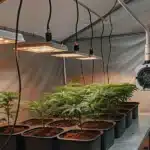
Indoor growing offers more control over environmental factors, which can help prevent chlorosis. By regulating temperature, humidity, and light, growers can create optimal conditions for cannabis plants.
However, indoor growing doesn’t eliminate the risk entirely. It’s crucial to monitor nutrient levels and pH regularly. Even chlorosis-resistant weed strains benefit from a well-managed grow space to maximize their potential.
Integrating automated systems for climate control can further enhance the indoor growing experience. These systems optimize conditions, ensuring that your plants receive consistent care tailored to their needs.
Indoor setups also allow for experimenting with various lighting schedules and intensities, which can be crucial for enhancing the growth of cannabis strains that thrive with chlorosis.
How do I choose the best cannabis strains for chlorosis resistance?
When selecting strains, look for those known for their hardiness and adaptability. Strains from reputable sources like Blimburn Seeds often have documented resistance to common issues, including chlorosis.
Consider your growing environment and experience level. Some strains might be better suited to outdoor conditions, while others excel indoors. Knowing their specific needs ensures that you choose the best cannabis strains resistant to chlorosis for your setup.
Reviewing strain reviews and consulting experienced growers can offer additional insights into the performance of specific strains. This research can guide your decision-making process and improve your chances of a successful harvest.
Attending cannabis expos or engaging with online communities can also provide valuable information on the latest strains developed for chlorosis resistance. These platforms offer firsthand experiences and tips from fellow cultivators.
Are there specific nutrients that help prevent chlorosis?
Yes, providing a balanced mix of essential nutrients helps prevent chlorosis. Focus on nitrogen, magnesium, and iron, as deficiencies in these can lead to yellowing leaves.
Regularly testing and adjusting nutrient levels ensures that plants receive what they need to thrive. Using high-quality fertilizers specifically designed for cannabis can make a significant difference.
Incorporating micronutrients alongside your standard feeding regimen can further enhance plant health. These smaller elements play a crucial role in supporting the plant’s overall growth and chlorophyll production.
Some cultivators also opt for organic amendments such as compost tea or worm castings, which naturally enrich the soil and promote a balanced nutrient profile for chlorosis-resistant weed strains.
Does chlorosis affect the quality of the final product?
Chlorosis can impact the overall health and yield of cannabis plants. If left untreated, it can lead to reduced bud production and compromised quality.
By choosing top marijuana strains resistant to chlorosis and maintaining optimal growing conditions, you can ensure that your plants produce high-quality buds. Healthy plants are more likely to deliver the desired potency and flavor.
Preventing chlorosis not only safeguards yield but also ensures the potency and aromatic profile of the final product. Healthy leaves contribute to the plant’s energy production, directly influencing the quality of the buds.
Employing preventive measures such as regular soil testing and nutrient management can significantly enhance your cultivation results. These practices are essential for achieving the best outcomes when growing cannabis strains with high chlorosis tolerance.