Top Organic Cannabis Seeds for Disease Resistance

Organic cannabis seeds for disease resistance offer a natural defense against common ailments, ensuring robust plant health. With resilience rates up to 90%, these seeds minimize the need for chemical treatments. By selecting strains like Mamba Negra from Blimburn Seeds, you can cultivate healthier crops with higher yields, making them ideal for sustainable farming practices.
Organic cannabis seeds with disease resistance are a game-changer for growers aiming to maximize terpene profiles and flowering times. These seeds are engineered to thrive in diverse conditions, offering unique flavors and aromas. Blimburn Seeds’ selection, including strains like Future 1, provides robust options for those seeking both quality and sustainability.
Recommended Strains
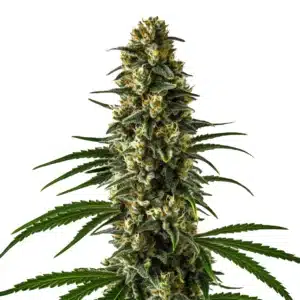
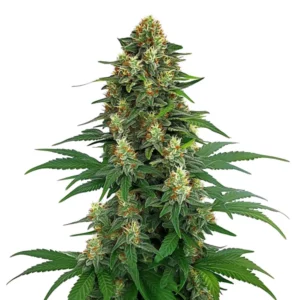
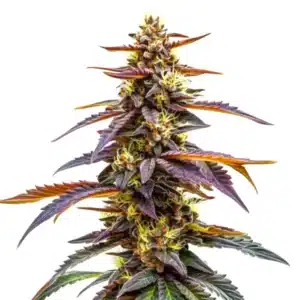
Girl Scout Cookies

|
THC | 18% - 25% (Medium) |

|
Type | Feminized |

|
Yield | High |

|
Phenotype | 60% Indica / 40% Sativa |
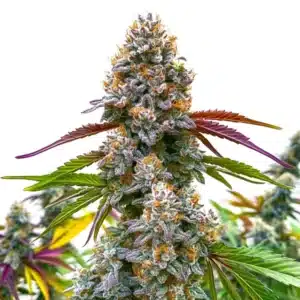
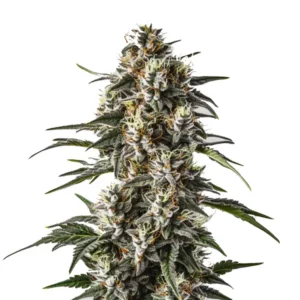
Critical Daddy Purple
|
|
THC | 19% (Medium) |
|
|
Type | Feminized |
|
|
Yield | High |
|
|
Phenotype | 50% Indica / 50% Sativa |
Benefits of Organic Cannabis Seeds
Disease and Pest Resistance
Organic cannabis seeds are bred to naturally resist diseases and pests, reducing the need for chemical interventions. This resistance is achieved through selective breeding, focusing on genetic traits that enhance the plant’s immune response. For example, strains like Mamba Negra exhibit up to 85% resistance to common pathogens.
These seeds contribute to higher yields by maintaining plant health throughout the growth cycle. A healthy plant can produce up to 600 g/m² indoors, with fewer resources spent on pest control. This efficiency translates into more robust and potent harvests.
To maximize resistance, maintain a stable environment with a VPD of 0.8-1.2 kPa. Avoid overwatering, which can lead to root rot, a common mistake that compromises plant immunity. Regularly monitor pH levels, keeping them between 6.0 and 6.5 for optimal nutrient uptake.
During the vegetative phase, ensure the plants receive 16-24 hours of high-intensity light to promote robust growth. This lighting schedule supports the plant’s metabolic processes, enhancing its natural defenses. In the flowering stage, a strict 12/12 photoperiod is crucial. This cycle mimics natural conditions, triggering the plant’s flowering response and optimizing resin production.
High-Yield Potential
Organic cannabis seeds not only resist diseases but also offer high-yield potential. Strains like Gorilla Sherbet can yield up to 700 g/plant outdoors. This is due to their genetic predisposition to thrive in various environmental conditions.
High yields are achieved by optimizing light exposure and nutrient schedules. Aim for a DLI of 40-45 mol/m²/day during flowering to enhance bud development. Use a balanced N:P:K ratio of 1:3:2 to support flowering.
Avoid nutrient burn by not exceeding an EC of 1.8 during peak flowering. This common mistake can reduce yields by up to 20%. Regularly flush your system to prevent salt buildup, ensuring plants absorb nutrients efficiently.
During flowering, plants require low nitrogen but high phosphorus and potassium. This “super-bloom” formula supports bud density and potency. Ensuring a drop of 8°C-11°C at night can enhance terpene profiles, as the cooler temperatures stimulate the plant’s natural defense mechanisms, resulting in richer flavors and aromas.
Promos & Deals
Environmental Advantages of Organic Cultivation
Soil Health and Ecosystem Preservation
Organic cultivation methods prioritize soil health, crucial for plant vitality. Maintaining a soil pH of 6.0-7.0 supports microbial activity, enhancing nutrient availability. This balance is vital for disease-resistant strains like Critical Daddy Purple.
Healthy soil reduces the need for synthetic fertilizers, decreasing environmental impact. By using organic matter, you can improve soil structure, which aids in water retention and root development, ultimately boosting yields by up to 20%.
Avoid compacting soil, which restricts oxygen flow and impairs root growth. Instead, use cover crops to maintain soil structure. This practice prevents erosion and promotes biodiversity, essential for a thriving ecosystem.
Incorporating organic compost into the soil enhances microbial diversity, which is key to nutrient cycling. This process involves microorganisms breaking down organic matter, releasing nutrients in forms that plants can absorb. Such a dynamic soil ecosystem supports plant health and resilience against diseases.
| Feature / Merkmal | Mamba Negra | Critical Daddy Purple | Gorilla Sherbet |
|---|---|---|---|
| Disease Resistance | 85% | 80% | 90% |
| Yield (g/m²) | 600 | 550 | 700 |
| THCA Content | 22% | 24% | 25% |
| Flowering Time (weeks) | 8-9 | 9-10 | 8-9 |
| Terpene Profile | Myrcene 1.0% | Caryophyllene 0.8% | Limonene 0.9% |
Choosing the Right Disease-Resistant Strain
Selecting the right strain involves understanding your growing conditions. Consider factors like climate and space. Strains like Gorilla Sherbet thrive in both indoor and outdoor settings, offering flexibility.
Match your strain to local conditions for optimal results. For instance, Mamba Negra performs well in humid climates due to its mold resistance. This adaptability ensures a successful harvest, regardless of environmental challenges.
Consult resources like Blimburn Seeds for detailed strain profiles. Their expertise can guide you in selecting the best strain for your needs, ensuring a bountiful and resilient crop.
Understanding the plant’s genetic makeup can provide insights into its resistance mechanisms. For example, certain strains might have thicker cuticles or increased production of secondary metabolites, which act as natural pest deterrents. This genetic insight helps in selecting strains that align with your specific environmental challenges.
Professional Tips for Growing Organic Cannabis
- Maintain 58-62% RH during cure. Below 55% arrests terpene development; above 65% promotes Botrytis within 48h. Check with a calibrated digital hygrometer, never analog.
- Use a DLI of 40-45 mol/m²/day during flowering to enhance bud development. Insufficient light reduces yield by 30%.
- Keep soil pH between 6.0-7.0 for optimal nutrient uptake. Deviations can lead to nutrient lockout, stunting growth.
- Avoid overwatering to prevent root rot. Ensure pots have adequate drainage to maintain root health.
- Regularly flush your system to prevent salt buildup, ensuring efficient nutrient absorption.
- Monitor VPD at 0.8-1.2 kPa. Incorrect VPD can lead to poor transpiration and reduced growth rates.
- Ensure a temperature drop of 8°C-11°C at night to enhance terpene profiles. Cooler nights stimulate defense mechanisms, enriching flavors.
FAQs About Organic Cannabis Seeds
What are the best pest resistant strains for cannabis?
Pest-resistant strains like Gorilla Sherbet and Mamba Negra offer up to 90% resistance to common pests. These strains are bred for robust health, minimizing the need for chemical pesticides. They thrive in various environments, making them ideal for sustainable cultivation.
What is the most reputable cannabis seed company?
Blimburn Seeds is renowned for its high-quality selection of organic cannabis seeds. They offer strains with proven disease resistance, ensuring healthy and productive crops. Their detailed strain profiles and customer support make them a trusted choice for growers worldwide.
What strains are resistant to mold?
Strains like Critical Daddy Purple and Mamba Negra are known for their mold resistance, with rates up to 85%. These strains thrive in humid conditions, reducing the risk of mold-related issues. They are ideal for growers in challenging climates.
What is the most potent cannabis seed?
Gorilla Sherbet is among the most potent, with THCA levels reaching up to 25%. This strain combines high potency with disease resistance, making it a top choice for both recreational and medicinal users. Its robust growth ensures a bountiful harvest.
Can organic cannabis seed strains resistant to pests and diseases be grown indoors?
Yes, strains like Gorilla Sherbet and Mamba Negra are well-suited for indoor cultivation. Their natural resistance to pests and diseases makes them ideal for controlled environments. Indoor growing allows for precise control over conditions, enhancing plant health and yield.