Best Grow Mediums for Autoflowers

Optimal Autoflower Medium: The ideal medium for autoflowers is a light, airy soil with 20-30% perlite. This mix ensures excellent drainage and oxygenation, preventing root rot. Given the short life cycle of autoflowers, a mild nutrient environment is crucial to avoid overfeeding. This setup supports healthy root development and maximizes plant growth.
Choosing the right grow medium for autoflowers impacts terpene profiles and flowering time. Autoflowers like GG4 and Blueberry Autoflower thrive in airy, well-draining substrates. With a flowering period of 8-10 weeks, these strains benefit from balanced environments that enhance flavor and potency. Understanding these dynamics is key to a successful harvest.
Recommended Strains
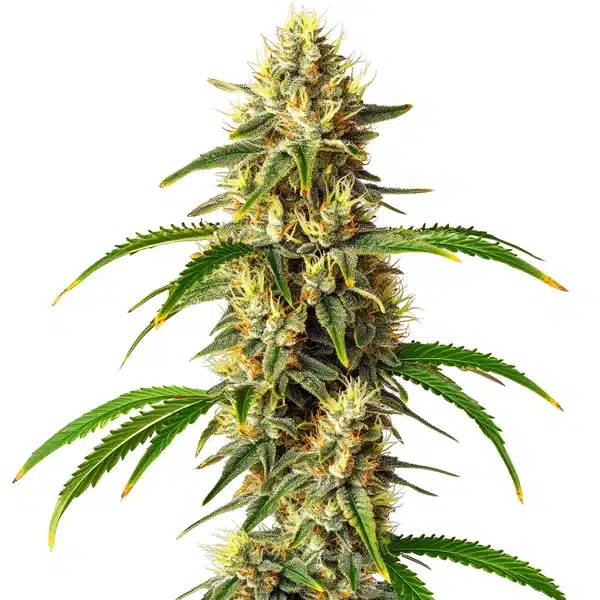
Critical Auto

|
THC | 10% - 14% (Low) |

|
Type | Autoflowering |

|
Yield | Medium |

|
Phenotype | 70% Indica / 30% Sativa |

Critical Banana
|
|
THC | 22% - 24% (High) |
|
|
Type | Feminized |
|
|
Yield | High |
|
|
Phenotype | 50% Indica / 50% Sativa |
Best Soil Options for Autoflowers
Organic Potting Soil
Organic potting soil provides a nutrient-rich environment, ideal for autoflowers. It supports microbial life, which enhances nutrient availability. This soil type retains moisture effectively, crucial for maintaining consistent hydration. With a pH range of 6.0-7.0, it minimizes pH fluctuations, reducing stress on plants and promoting robust growth.
Autoflowers like Critical Blue benefit from organic soil due to its balanced nutrient content. This medium acts as a buffer against nutrient burn, common in beginners. Ensure the soil is light and airy to prevent compaction, which can restrict root growth and oxygen uptake.
Soil with Added Perlite
Adding perlite to soil enhances drainage and aeration, crucial for autoflowers. Perlite, a volcanic glass, expands when heated, creating a lightweight structure. This addition prevents waterlogging, a common issue in denser soils, and supports root oxygenation, essential for healthy growth.
For strains like Pineapple Express, soil with 20-30% perlite maintains ideal moisture levels. This setup reduces the risk of root rot, a critical concern in humid environments. Regularly check moisture levels with a digital hygrometer to prevent overwatering.
Super Soil Mixes
Super soil mixes are pre-fertilized, providing nutrients throughout the plant’s life cycle. These blends often include compost, bat guano, and worm castings, delivering a balanced nutrient profile. Ideal for autoflowers, super soil minimizes the need for additional feeding, simplifying nutrient management.
Strains like Alien Technology Fast Version thrive in super soil due to its rich organic content. This medium supports vigorous growth and enhances terpene production, crucial for flavor and aroma. Monitor soil pH regularly to maintain optimal conditions.
Promos & Deals



Coco Coir: A Sustainable Choice
How to Use Coco Coir Effectively
Coco coir, derived from coconut husks, offers excellent water retention and aeration. Before use, flush it to remove salts, ensuring a clean start for your plants. Combine with 30% perlite to enhance drainage, crucial for avoiding root rot. Its neutral pH of 5.5-6.5 allows precise nutrient control.
Autoflowers like Girl Scout Cookies Autoflower thrive in coco coir due to its customizable nutrient environment. This medium supports rapid root development and reduces the risk of over-fertilization. Regularly monitor EC levels to maintain optimal nutrient uptake.
Benefits of Coco Coir for Autoflowers
Coco coir’s sustainability makes it an attractive option for eco-conscious growers. Its lightweight nature simplifies handling and transport. Additionally, it supports beneficial fungi and bacteria, enhancing nutrient absorption. These properties make it ideal for autoflowers, which require consistent nutrient delivery.
Ensure you provide a balanced nutrient solution, as coco coir lacks inherent nutrients. Adjust nutrient ratios based on plant growth stages, focusing on nitrogen during vegetative and phosphorus during flowering. Avoid nutrient lockout by maintaining a stable pH.
| Feature | GG4 | Blueberry Autoflower | Pineapple Express |
|---|---|---|---|
| THC% | 25-28% | 20-24% | 19-23% |
| Dominant Terpene | Caryophyllene | Myrcene | Limonene |
| Yield | 1.5-2 oz/ft² (450-600 g/m²) | 1-1.5 oz/ft² (300-450 g/m²) | 1.2-1.8 oz/ft² (360-540 g/m²) |
| Flowering Time | 8-9 weeks | 9-10 weeks | 8-9 weeks |
| Effect | Relaxing, Euphoric | Calming, Uplifting | Energetic, Creative |
Hydroponics: Advanced Techniques
Best Hydroponic Systems for Autoflowers
Hydroponic systems like Nutrient Film Technique (NFT) and Deep Water Culture (DWC) offer precise nutrient control. NFT delivers a thin film of nutrients, while DWC submerges roots in oxygenated water. Both systems enhance growth rates and yields, ideal for autoflowers with short life cycles.
Autoflowers like Gator Breath excel in hydroponics due to their rapid growth potential. These systems require meticulous monitoring of pH and EC levels. Maintain a pH of 5.8-6.2 and EC of 1.2-1.6 mS/cm to optimize nutrient uptake and prevent deficiencies.
Best Hydroponic Nutrients for Autoflowering
Hydroponic nutrients must be tailored to autoflowers’ specific needs. Use a balanced N-P-K ratio of 3:1:2 during vegetative and 1:3:2 during flowering. These ratios support robust growth and enhance bud development. Ensure nutrients are chelated for optimal absorption.
Regularly flush your system to prevent salt buildup, which can lead to nutrient lockout. Monitor water temperature, keeping it between 65-70°F (18-21°C) to prevent root diseases. Adjust nutrient solutions based on plant feedback, avoiding common mistakes like overfeeding.
Professional Tips for Growing Autoflowers
- Maintain a light schedule of 20/4 for autoflowers. This promotes continuous growth and maximizes yield potential. Avoid inconsistent lighting, which can stress plants.
- Keep humidity at 50-60% during vegetative and 40-50% during flowering. High humidity can lead to mold, while low levels can stress plants. Use a digital hygrometer for accuracy.
- Use a pH meter to maintain soil pH between 6.0-7.0. This range optimizes nutrient uptake and prevents deficiencies. Incorrect pH can lead to nutrient lockout.
- Water autoflowers when the top inch of soil is dry. Overwatering can suffocate roots, while underwatering stresses plants. Adjust based on environmental conditions.
- Monitor plant height and adjust light distance to 18-24 inches (45-60 cm). Too close can cause light burn, while too far reduces photosynthesis.
- Use a balanced nutrient solution with micronutrients. Autoflowers require less fertilizer than photoperiod strains. Over-fertilization can cause nutrient burn.

FAQs
How to make super soil for autoflowers?
Create super soil by mixing organic components like compost, bat guano, and worm castings. Aim for a nutrient-rich blend with a pH of 6.0-7.0. This mix provides sustained nutrition throughout the plant’s life cycle, reducing the need for additional feeding. Ensure the soil is well-aerated to support root health.
What is the best potting soil for autoflowers?
The best potting soil for autoflowers is a light, organic mix with 20-30% perlite. This combination ensures proper drainage and oxygenation, crucial for healthy root development. Choose soils with a pH of 6.0-7.0 to optimize nutrient uptake and prevent deficiencies. Regularly check moisture levels to avoid overwatering.
How to get high yield autoflower?
To achieve high yields with autoflowers, maintain a consistent light schedule of 20/4 and use a balanced nutrient regimen. Ensure optimal environmental conditions, such as 50-60% humidity and 70-77°F (21-25°C) temperatures. Regularly prune and train plants to maximize light exposure and airflow, enhancing bud development.
Who has the most potent autoflowers?
Blimburn Seeds offers potent autoflower strains like GG4 and Girl Scout Cookies Autoflower. These strains boast THC levels of 25-28% and 20-24%, respectively. Their robust terpene profiles enhance effects, providing a powerful experience. Choose strains based on desired potency and flavor, ensuring they align with your growing conditions.
Can I use regular potting soil for autoflowers?
Yes, regular potting soil can be used for autoflowers if it has good drainage and a balanced nutrient profile. Ensure the soil contains 20-30% perlite to enhance aeration. Maintain a pH of 6.0-7.0 for optimal nutrient uptake. Avoid soils with high nutrient levels, which can cause over-fertilization.