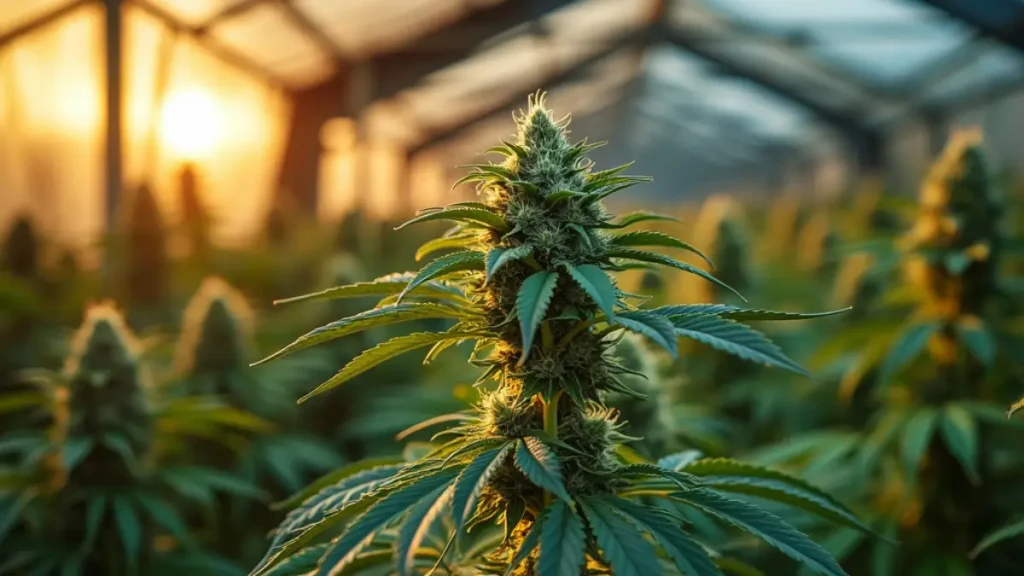
Why is Some Weed Purple?

Quick Summary: Purple weed gets its color from anthocyanins, natural pigments triggered by genetics, cool temperatures, and pH levels. While visually stunning, purple cannabis is not inherently stronger than green varieties, as potency depends on specific cannabinoid and terpene profiles rather than color.
Why is Some Weed Purple? The Biological Mechanisms
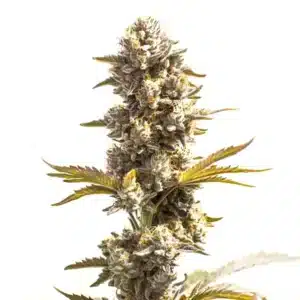
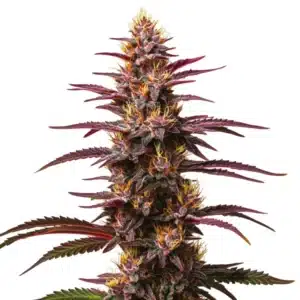
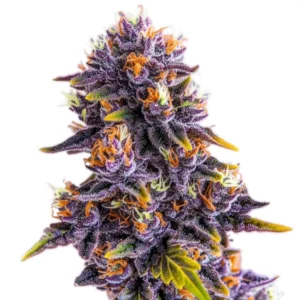
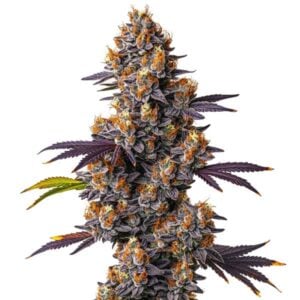
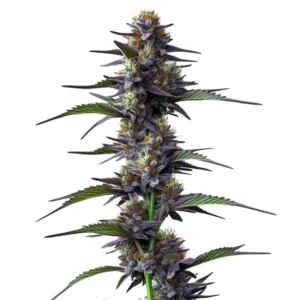
The striking purple on weed is primarily caused by a group of water-soluble vacuolar pigments called anthocyanins. These compounds belong to the parent class of molecules called flavonoids. In the cannabis plant, anthocyanins are often masked by chlorophyll, the pigment that gives plants their green color and facilitates photosynthesis. When chlorophyll breaks down, due to the plant’s natural aging process or environmental triggers, these secondary pigments are revealed, creating shades ranging from pale lavender to deep obsidian.
Recommended Strains

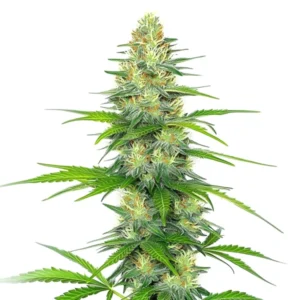
Alaskan Purple

|
THC | 15% - 20% (Medium) |

|
Type | Feminized |

|
Yield | Medium |

|
Phenotype | 70% Indica / 30% Sativa |
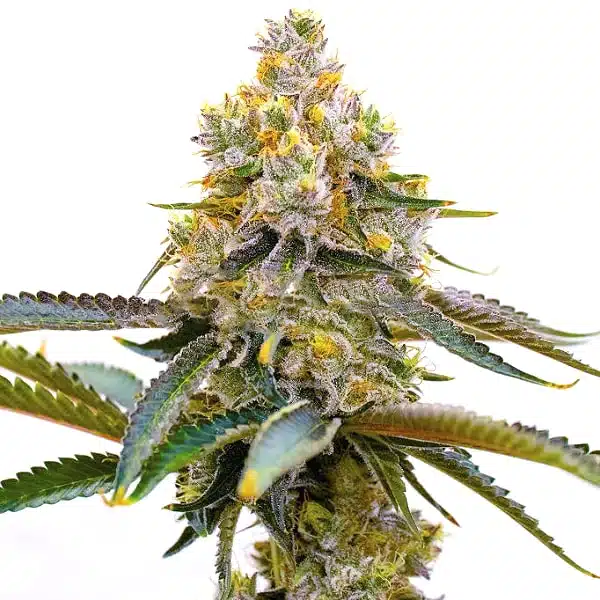
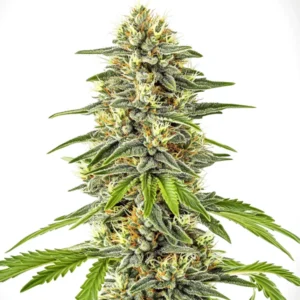
Amnesia Purple
|
|
THC | 18% - 21% (Medium) |
|
|
Type | Feminized |
|
|
Yield | High |
|
|
Phenotype | 30% Indica / 70% Sativa |
Biologically, anthocyanins serve as a natural defense mechanism. They protect the plant’s sensitive tissues from excess ultraviolet (UV) radiation and act as an “antifreeze” during late-season temperature drops. In many regions, the high humidity of October at high altitudes or in mountainous areas can further darken the plant. This environmental stress encourages the plant to produce more pigments as a shield, leading to the intense purple cannabis hues often sought after by connoisseurs and homegrowers alike.
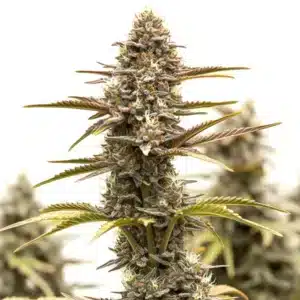
It is important to note that color distribution is rarely uniform. Some varieties turn purple only in their leaves, while others express the color exclusively in the floral clusters (buds). There are very few cultivars that possess the genetic trait to turn both flowers and leaves purple simultaneously. Additionally, structural parts like the petiole, the small stalk connecting the leaf to the main stem, often lose chlorophyll first, turning red or purple as a precursor to the rest of the plant’s transformation.
Promos & Deals
What Makes Weed Turn Purple: Environmental Triggers
While genetics provide the blueprint, the environment acts as the architect for what makes weed turn purple. Temperature is the most significant factor. When plants experience a significant drop in nighttime temperatures (specifically below 50°F or 10°C), the production of chlorophyll is inhibited. This metabolic slowdown allows the underlying anthocyanins to take center stage. Strains like Critical Mass are known for showing these changes early in the petioles before the color spreads to the fan leaves.
The chemistry of the root zone also plays a vital role. The pH levels of your growing medium influence the final shade of the anthocyanins. In acidic environments (lower pH), these pigments tend to express redder tones. In more alkaline or neutral conditions (higher pH), they shift toward blue and deep purple. Furthermore, light intensity measured in Photosynthetic Photon Flux Density (PPFD) and the specific light spectrum (blue and UV-B) can significantly boost pigment expression. High-intensity lighting signals the plant to produce more anthocyanins to prevent light-induced oxidation.
Lastly, nutrient availability, specifically the nitrogen-to-phosphorus ratio, can impact coloration. As plants transition into the flowering stage, their demand for nitrogen decreases while their need for phosphorus and potassium (K) increases. If a grower maintains high nitrogen levels too late into the cycle, the plant may stay green longer, effectively “hiding” its purple potential. However, starving the plant of nutrients just to achieve color is a risky strategy that can lead to is purple weed stronger myths being debunked by a poor, low-potency harvest.
Technical Comparison: Purple vs. Green Strains
| Feature | Classic Purple Strains | Classic Green Strains | High-Altitude Variants |
|---|---|---|---|
| Dominant Pigment | Anthocyanins | Chlorophyll | Anthocyanins + Carotenoids |
| Temperature Sensitivity | High (Cold triggers color) | Moderate | Extremely High |
| Average THC Potential | 15% – 22% (Often Lower) | 20% – 30% | Variable (Stress dependent) |
| Terpene Profile | Linalool, Myrcene (Floral/Berry) | Limonene, Pinene (Citrus/Pine) | Caryophyllene (Spicy) |
| UV Resistance | Enhanced Protection | Standard | Maximum Protection |
| Market Appeal | Exotic / Aesthetics | Potency / Classic | Boutique / Rare |
Is Purple Weed Stronger Than Green? Potency vs. Aesthetics
One of the most persistent myths in the industry is the idea that is purple weed stronger than its green counterparts. From a technical standpoint, the answer is usually “no.” In fact, many completely purple varieties do not contain a high percentage of THC. This occurs because the plant must divert metabolic energy and resources away from cannabinoid synthesis to produce high levels of anthocyanins. While anthocyanins offer antioxidant and anti-inflammatory benefits, they do not contribute to the psychoactive “high.”
The true power of a strain is found in its cannabinoid profile (THC, CBD, CBG) and its terpenes. Terpenes like Limonene (stress relief) and Myrcene (sedation) work with cannabinoids through the “Entourage Effect” to determine the user experience. A green strain with 28% THC and a rich terpene profile will likely be significantly “stronger” than a purple strain with 16% THC. Consumers should focus on the quality of the resin glands (trichomes) rather than the color of the plant material itself.
However, many modern breeders are closing this gap. Through meticulous selection, strains like Purple Kush or Blueberry x OG Kush have been stabilized to offer both high anthocyanin expression and competitive THC levels. These boutique strains provide a unique purple cannabis experience where the visual beauty is matched by potent effects, though they remain the exception rather than the rule in the world of deep purple genetics.
Professional Cultivator Tips for Purple Hues
- Gradual Cold Exposure: Avoid shocking the plants with sudden drops. Aim for a 10-15°F difference between “lights on” and “lights off” during the last 3 weeks of flowering.
- Monitor the Petioles: If you see red or purple stems while leaves are still green, your plant is signaling it’s ready to express color. Don’t over-fertilize with nitrogen at this stage.
- UV Supplementation: Use LED lights with integrated UV-A chips or separate UV-B fluorescent tubes to naturally boost anthocyanin production as a defense response.
- October Mountain Effect: If growing outdoors, the high humidity and cool air of October can naturally darken your plants. Use this “Information Gain” to choose your harvest window based on color maturity.
- Check Water Solubility: If you wonder why is my weed bleeding purple in water, it is because anthocyanins are water-soluble. This is normal and a sign of high pigment content, not artificial dyes.
FAQs
Is purple weed stronger than green weed?
Technically, no. The purple cannabis color does not indicate higher THC. Color comes from anthocyanins, while strength comes from cannabinoids. Many deep purple strains actually have lower THC levels because the plant spends energy on color instead of potency. Always look at the lab results for THC and terpenes rather than the visual color.
Why does weed turn purple during growth?
Cannabis turns purple due to genetic traits triggered by environmental stress. When the weather gets cold, or the plant gets older, the green chlorophyll breaks down. This allows the purple anthocyanins to show through. What makes weed turn purple is often the combination of cool night temperatures and a neutral pH in the soil.
What makes weed purple in some parts but not others?
Color expression depends on where the anthocyanins are concentrated. Some strains only turn purple in the leaves, while others turn purple in the buds. It is very common for the petiole (leaf stem) to turn purple first as it loses chlorophyll before the rest of the leaf. Very few strains turn entirely purple across the whole plant.
Why is my weed bleeding purple in water?
If you see purple color leaking out during a water wash or when making hash, don’t worry. Anthocyanins are water-soluble pigments. Unlike cannabinoids, which are oil-soluble, these colors dissolve easily in water. This is a natural biological process and proves your purple cannabis has a high concentration of these healthy antioxidants.
Is purple weed stronger if it was grown in the mountains?
Plants grown at high altitudes often produce more resin and darker colors to protect themselves from intense UV rays and cold. While they may have more resin, they often weigh less than plants grown in warmer coastal areas. The “strength” is a balance of these environmental factors and the plant’s natural genetics.