When to Stop Burping Curing Jars: A Complete Guide

When to stop burping curing jars: Cease daily burping of curing jars once the relative humidity inside stabilizes between 58% and 62%, typically after 3 to 4 weeks. During the first two weeks, frequent burping is essential to avoid mold. After the first month, transition to long-term storage, requiring only occasional air checks instead of daily attention.
Mastering the art of cannabis curing involves precise humidity control and understanding the role of terpenes like Myrcene and Caryophyllene. These compounds not only contribute to aroma but also enhance THC effects. Achieving optimal terpene profiles requires maintaining a consistent environment over several weeks, with humidity levels typically around 60-65% RH.
Recommended Strains
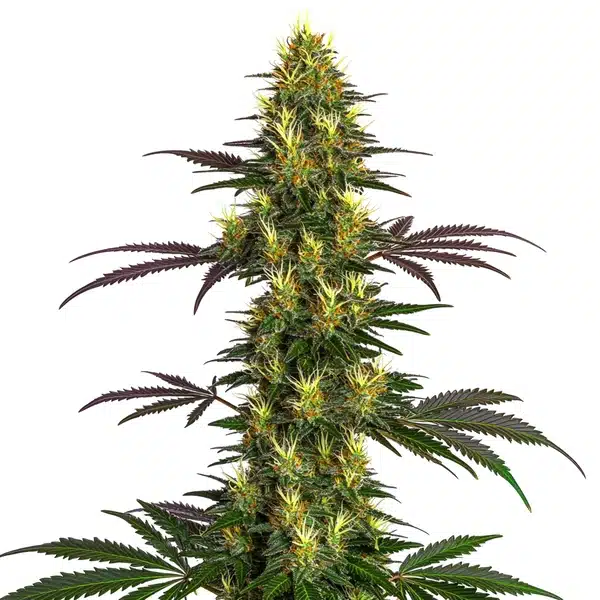
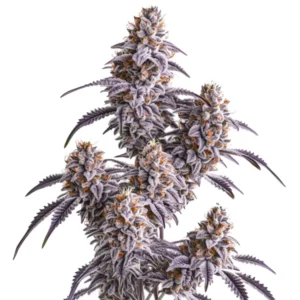
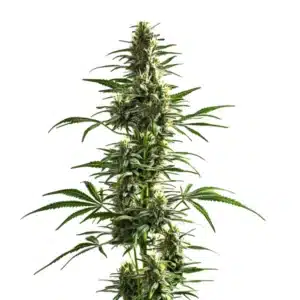
Mohan Ram

|
THC | 18% - 21% (Medium) |

|
Type | Feminized |

|
Yield | High |

|
Phenotype | 80% Indica / 20% Sativa |
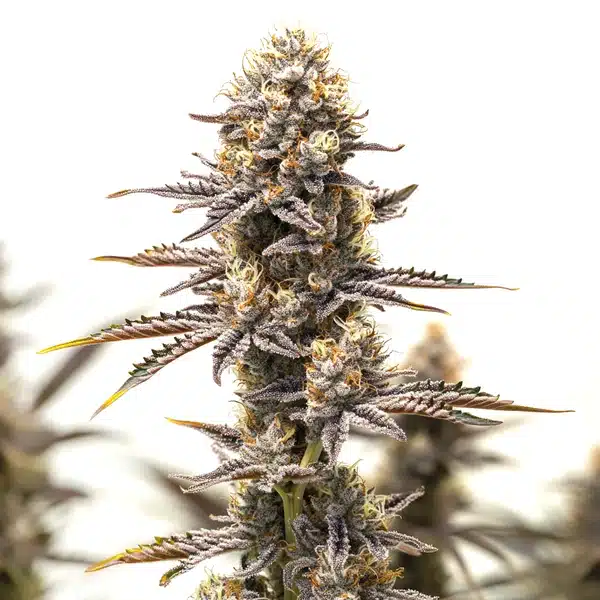
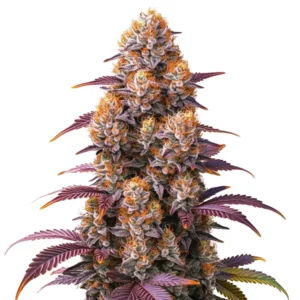
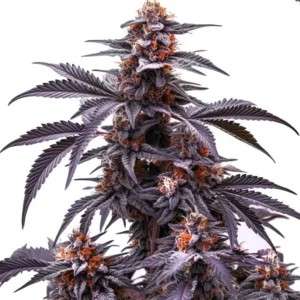
Gelato x Rosetta Stone
|
|
THC | 20% - 22% (Medium) |
|
|
Type | Feminized |
|
|
Yield | Medium |
|
|
Phenotype | 60% Indica / 40% Sativa |
The Curing Process: Biological Insights
Why Burping is Essential
Burping jars involves opening your curing jars to replace humid air with fresh air. This is crucial as cannabis buds continue to release moisture from their cores even when seemingly dry. If this moisture is trapped, it creates an ideal environment for mold growth, which can ruin your harvest.
Biologically, burping facilitates the release of moisture and gases, such as ethylene, which can accelerate ripening and decay if not managed. By burping, these gases escape, maintaining a stable environment for optimal bud curing. This process is akin to plant transpiration, where stomata release moisture and gases, balancing internal and external conditions.
Indicators of Proper Humidity Levels
Monitoring the relative humidity (RH) inside your curing jars is crucial. Aim for a stable RH between 58% and 62% to ensure your cannabis cures without mold risk. Use a digital hygrometer for accuracy. If RH exceeds 65%, mold risk increases dramatically within 48 hours. Conversely, RH below 55% can halt terpene development, affecting flavor and potency.
During curing, the interaction between cannabinoids and terpenes is vital. Terpenes like Myrcene enhance THC uptake, while Caryophyllene offers anti-inflammatory properties. These compounds develop optimally within the specified humidity range, ensuring full potential in flavor and effects. Proper RH ensures these interactions occur efficiently, preserving the quality of your cannabis.
Promos & Deals
When to Stop Burping Curing Jars
Indicators of Proper Humidity Levels
Knowing when to stop burping curing jars is a balance of timing and humidity control. Typically, after 3 to 4 weeks, the RH stabilizes between 58% and 62%. This stability indicates that the internal moisture of the buds has balanced with the external environment, reducing the need for frequent air exchanges.
During this phase, terpenes and cannabinoids continue to mature. For instance, Myrcene levels, which can range from 0.8-1.2%, contribute significantly to the entourage effect, enhancing THC’s psychoactive properties. Maintaining this RH range ensures these compounds are preserved and developed fully. The biological process mirrors plant metabolism, where CO2 and H2O, in the presence of light, produce carbohydrates and oxygen, ensuring energy and structural integrity.
How Often to Burp Weed Jars
In the first week of curing, burp your jars twice daily for 15-20 minutes. This frequent exchange is necessary to release excess moisture and prevent mold. By the second week, reduce burping to once daily. As the buds stabilize, burp every few days during weeks three and four.
Proper airflow management is critical. Excessive burping can dry out buds prematurely, while insufficient burping risks mold. Use a digital hygrometer to monitor RH, ensuring it remains within the optimal range. This careful balance is key to achieving a top-shelf cure. The process is similar to maintaining optimal CO2 levels for photosynthesis, where balance ensures maximum plant growth and health.
| Feature / Merkmal | Blueberry | Gush Mints | Runtz |
|---|---|---|---|
| THCA Content | 20-24% | 25-28% | 22-26% |
| Dominant Terpene | Myrcene | Caryophyllene | Limonene |
| Yield (oz/ft²) | 1.5-2.0 oz/ft² | 1.8-2.2 oz/ft² | 1.6-2.1 oz/ft² |
| Flowering Time | 8-9 weeks | 9-10 weeks | 8-9 weeks |
| Optimal RH for Curing | 58-62% | 58-62% | 58-62% |
Long-Term Storage Tips for Cured Cannabis
Maintaining Peak Freshness
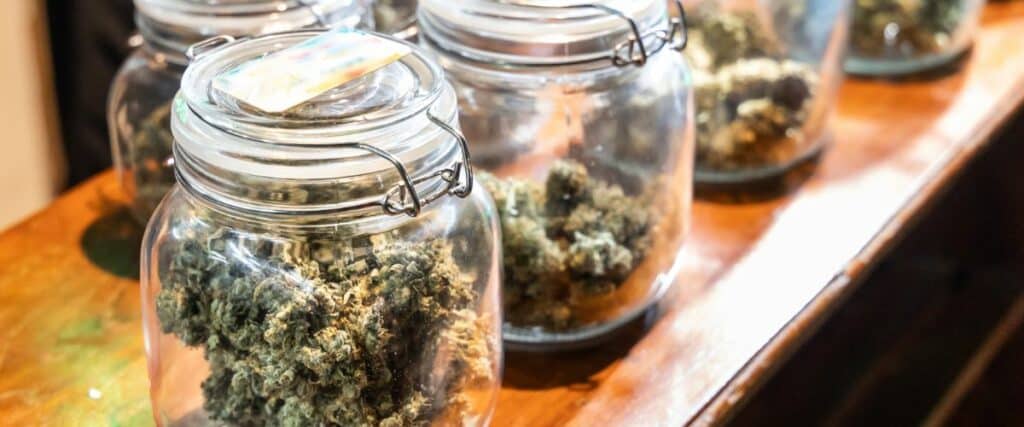
Once your cannabis is fully cured, proper storage is essential to maintain its quality. Store your buds in airtight glass jars, ideally in a cool, dark place like a closet. Avoid exposure to light and heat, as these conditions can degrade THC and other cannabinoids, reducing potency over time.
For extended preservation, consider vacuum-sealing your jars. By removing oxygen, you significantly slow down the aging process, keeping your cannabis fresh for up to a year or more. This method is particularly effective for preserving terpenes, ensuring your buds retain their flavor and aroma. The biological principle here is similar to reducing oxygen exposure to slow down oxidative reactions, preserving the integrity of the stored material.
Professional Tips for Curing Cannabis
- Maintain 58-62% RH during curing. Below 55% arrests terpene development; above 65% promotes mold within 48 hours. Use a digital hygrometer for accurate monitoring.
- Burp jars twice daily for the first week, then reduce to once daily in the second week. This prevents mold by releasing excess moisture.
- Store cured cannabis in a cool, dark place, ideally between 59-70°F (15-21°C). Light and heat degrade cannabinoids and terpenes.
- Consider vacuum-sealing jars for long-term storage. This removes oxygen, preserving freshness and potency for up to a year.
- Monitor terpene development with a focus on Myrcene and Caryophyllene. These enhance THC effects and provide anti-inflammatory benefits.
- Use amber glass jars to protect against light degradation. This simple step can significantly extend the shelf life of your cannabis.

FAQs about When to Stop Burping Curing Jars
What happens if you don’t burp jars?
If you don’t burp jars, moisture trapped inside can lead to mold growth within 48 hours, ruining your harvest. Regular burping releases excess moisture and gases, maintaining optimal conditions for curing. Aim for 58-62% RH to preserve terpenes and cannabinoids, ensuring your cannabis reaches its full potential.
How do you know when your buds are done curing?
Your buds are done curing when the relative humidity stabilizes between 58% and 62%, and they have developed a rich aroma. This usually takes 4 to 8 weeks. The buds should feel dry on the outside but slightly sticky inside, indicating the terpenes and cannabinoids have matured.
How long do you cure buds in jars?
Cure buds in jars for at least 4 weeks, but optimal results are achieved after 8 to 12 weeks. During this time, maintain a relative humidity of 58-62% to ensure proper terpene and cannabinoid development. This extended curing period enhances flavor, aroma, and potency.
At what humidity does curing stop?
Curing effectively stops if the relative humidity falls below 55% or rises above 65%. Below 55%, terpene development halts, affecting flavor and aroma. Above 65%, mold risk increases significantly. Maintain 58-62% RH for optimal curing conditions, using a digital hygrometer for accuracy.
What is the best way to store my cannabis for a long time?
The best way to store cannabis long-term is in airtight glass jars in a cool, dark place, ideally between 59-70°F (15-21°C). For extended preservation, vacuum-seal the jars to remove oxygen, which slows aging and maintains freshness for up to a year or more.