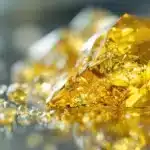
What Is Delta-6 THC? The Cannabinoid Explained

Delta-6 THC (often written delta-6 or delta-6a10a) is a minor, lesser-known cannabinoid related to the more familiar Delta-8 and Delta-9 THC. It is reported to be psychoactive, but it exists in only tiny natural amounts and has been studied far less than other cannabinoids, so firm claims about its effects, potency or safety are not well supported yet.
If you came here asking ‘what is delta 6’, the honest answer is that it is an emerging, poorly-characterised cannabinoid, interesting, but not well understood. This is general information, not medical or legal advice.
Recommended Strains

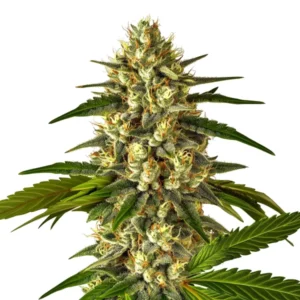
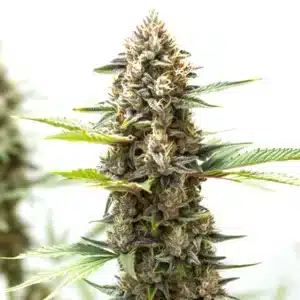
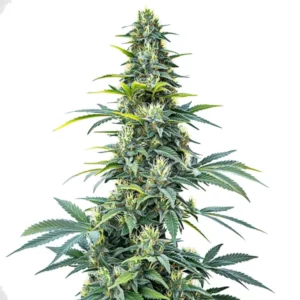
Frosted Guava

|
THC | 20% - 22% (Medium) |

|
Type | Feminized |

|
Yield | Medium |

|
Phenotype | 65% Indica / 35% Sativa |

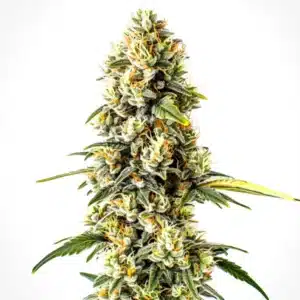
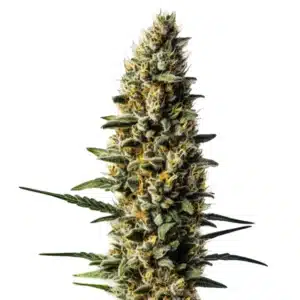
Frosted Guava Auto
|
|
THC | 20% - 25% (High) |
|
|
Type | Autoflowering |
|
|
Yield | High |
|
|
Phenotype | 50% Indica / 50% Sativa |
Delta-6 and the Delta THC Family
The ‘delta’ in these names refers to the position of a double bond in the THC molecule. Delta-9 THC is the main psychoactive compound in cannabis; Delta-8 is a milder, closely related isomer; and Delta-6 (more precisely delta-6a10a THC) is another variant in the same family. These small structural differences can change how a cannabinoid behaves in the body. Delta-6 is far rarer than the others and, importantly, most delta-6 products are made by converting other hemp-derived cannabinoids rather than extracted directly, which is one reason its effects and purity can vary so much.
Promos & Deals
Delta-6 vs Delta-8 vs Delta-9
Here is how Delta-6 sits alongside its better-known relatives. Note how much less is known about Delta-6:
| Cannabinoid | Psychoactive? | Research & availability |
|---|---|---|
| Delta-9 THC | Yes, strong | Well studied, the main THC in cannabis |
| Delta-8 THC | Yes, milder | Growing research; widely sold, mostly converted |
| Delta-6 THC | Reported yes, unclear strength | Very limited research; niche, mostly converted |
In short, Delta-9 is the reference point, Delta-8 is the popular milder cousin, and Delta-6 is an experimental, under-researched newcomer.
Delta-6 Effects: What We Actually Know
Searches for ‘delta 6 effects’ are common, but the honest position is that reliable information is scarce. Delta-6 is reported to be psychoactive, likely somewhere in the ballpark of other minor THC isomers, but there is very little peer-reviewed research on its potency, duration or safety profile in humans. Anecdotal reports exist, yet they are not a substitute for data.
Because most delta-6 on the market is synthesised from other cannabinoids, product consistency and purity are additional unknowns. The sensible approach is caution: treat any delta-6 product as potentially intoxicating and unverified, and do not assume it is mild just because it is obscure. If you consume it, start very low. For background on how all these compounds work, see our overview of what cannabinoids are.
Is Delta-6 Legal?
The legal status of delta-6 is a grey area and varies a lot by location. Like other hemp-derived, converted cannabinoids, it sits in a regulatory space that is evolving quickly, some jurisdictions treat these compounds permissively under hemp rules, while others ban them outright or lump them in with Delta-9 THC. Because the law is changing and inconsistent, you should never assume delta-6 is legal where you live.
Always verify current local and national regulations before buying or carrying any delta-6 product. For comparison, our piece on Delta-8 diamonds covers a related, better-known cannabinoid. This is general information, not legal advice.
Delta-6 Product Forms and the Market
Because delta-6 occurs naturally in only trace amounts, almost everything sold as delta-6 is produced by converting other hemp-derived cannabinoids in a lab. You may see it in vapes, gummies, tinctures or blended with other minor cannabinoids, often marketed as a novel or ‘exotic’ option alongside Delta-8 and other alternatives.
The market is small and fast-moving, and because products are synthesised rather than extracted, purity and consistency can vary widely between brands. That variability, combined with thin regulation and testing, is a key reason to be cautious about what you are actually buying.
Should You Try Delta-6?
Given how little is firmly known about delta-6, a cautious stance makes sense. If it is legal where you live and you still want to try it, buy only from brands that provide third-party lab testing, start with a very low amount, and do not assume it is mild or safe simply because it is obscure.
If you are after a predictable, well-understood experience, established options like Delta-9 or the more-studied Delta-8 are easier to judge. And for any health-related use, delta-6 has no meaningful evidence base, so it should not be relied on. This is general information, not medical or legal advice.
The Bottom Line on Delta-6
Delta-6 THC is a minor, barely-researched cannabinoid in the same family as Delta-8 and Delta-9, almost always lab-made from other hemp compounds, reported to be psychoactive but poorly characterised, and sitting in a shifting legal grey area. Treat it as experimental: verify your local law, insist on lab-tested products, start low, and keep your expectations and claims modest until real evidence catches up. This is general information, not medical or legal advice.

FAQs about whats delta 6
What distinguishes Delta-6 from other cannabinoids?
Delta-6 (delta-6a10a THC) differs from Delta-8 and Delta-9 by the position of a double bond in its molecule, a small change that can alter its effects. It is far rarer, much less researched, and usually made by converting other hemp cannabinoids rather than extracted directly, so its profile is not well established.
Is Delta-6 legal?
It is a legal grey area that varies widely. As a hemp-derived, often converted cannabinoid, delta-6 falls into fast-changing regulations, permitted in some places, restricted or banned in others. Never assume it is legal where you live; verify current local and national law before buying or carrying any delta-6 product. This is general information, not legal advice.
What are Delta-6’s effects?
Delta-6 is reported to be psychoactive, but research on its effects, potency and safety is very limited, so firm claims are not supported. Most information is anecdotal, and product purity is uncertain because delta-6 is usually synthesised from other cannabinoids. Treat it as potentially intoxicating and unverified, and start very low. This is not medical advice.
What potential benefits does Delta 6 offer?
Preliminary studies hint that Delta 6 may provide reduced inflammation and subtle pain relief, along with a more accessible experience for users who favor less intense effects. Early research continues to explore additional wellness advantages while emphasizing its balanced impact on everyday lifestyle concerns.