What Water Activity Causes Mold in Cannabis?

Water activity’s impact on cannabis: Mold growth in cannabis is significantly influenced by water activity levels. For cultivators wondering what water activity causes mold in cannabis, mold can thrive when these levels surpass 0.65, compromising the quality of the cannabis. Maintaining water activity below this threshold is crucial for preserving cannabis quality. By controlling water activity, cultivators can prevent mold and ensure their cannabis remains potent and safe for consumption.
Water activity is a critical factor in cannabis storage, influencing both mold growth and overall quality. Terpenes, which contribute to the aroma and flavor, can degrade if water activity is not properly managed. Additionally, the flowering time of cannabis can be affected by improper moisture levels, leading to potential yield loss. Many cultivators have signaled that managing these dynamics is essential for maintaining optimal cannabis quality.
Recommended Strains
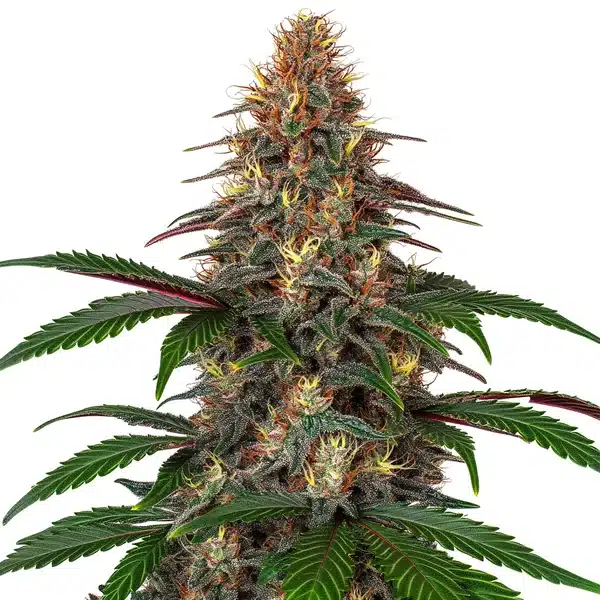
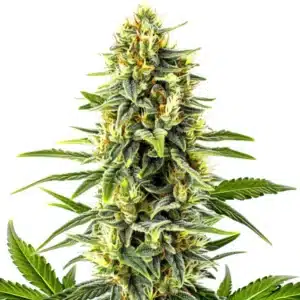
Cinderella 99 x Somango

|
THC | 16% - 20% (Medium) |

|
Type | Feminized |

|
Yield | High |

|
Phenotype | 40% Indica / 60% Sativa |
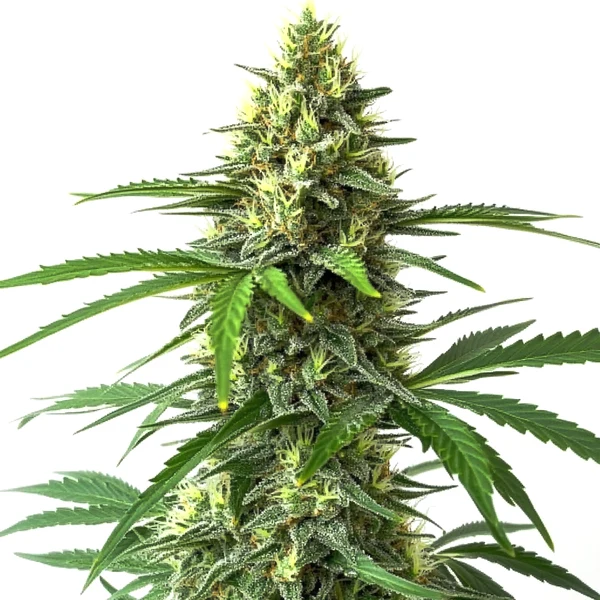
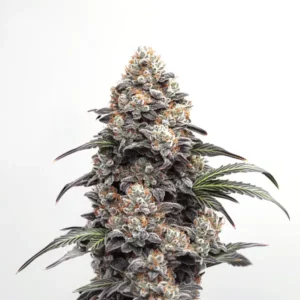
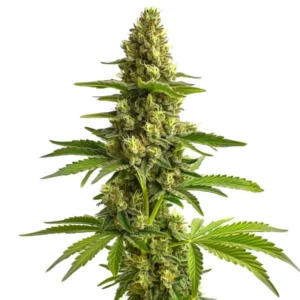
Bruce Banner x Kali Mist
|
|
THC | 20% - 25% (High) |
|
|
Type | Feminized |
|
|
Yield | High |
|
|
Phenotype | 40% Indica / 60% Sativa |
Water Activity in Cannabis
Definition and Importance
Water activity refers to the amount of moisture available in cannabis for microbial growth, including mold. It is measured on a scale from 0 to 1, with 0 representing complete dryness and 1 indicating full saturation. Keeping water activity levels low is crucial because high levels can lead to mold, which not only affects the appearance but also the safety of the cannabis.
Experienced growers report that maintaining water activity levels below 0.65 is essential to prevent mold development. This threshold is critical as mold spores can germinate and flourish above this level, leading to contamination and spoilage. Monitoring these levels helps ensure the cannabis remains safe and retains its desired properties.
How Water Activity is Measured
Water activity is typically measured using a hygrometer, which provides a precise reading of the moisture content in cannabis. This device helps cultivators maintain optimal conditions during storage and curing processes. By using a calibrated digital hygrometer, you can accurately track water activity and make necessary adjustments to prevent mold growth.
Many cultivators share that regular monitoring of water activity is a proactive measure to safeguard cannabis quality. It allows for timely interventions if levels begin to rise, ensuring that the cannabis remains free from mold and retains its potency and flavor profile.
Promos & Deals
What Water Activity Causes Mold in Cannabis?
Threshold Levels for Mold Growth
Mold growth in cannabis typically occurs when water activity levels exceed 0.65. This threshold is crucial because it marks the point at which mold spores can germinate and proliferate. For growers and consumers wondering what water activity causes mold in cannabis, this level is widely recognized as the critical point. Keeping water activity below this level is essential to prevent mold, which can compromise both the safety and quality of the cannabis.
Master growers have pointed out that maintaining water activity levels between 0.55 and 0.65 is ideal for cannabis storage. This range helps preserve the terpenes and cannabinoids, ensuring the cannabis remains potent and flavorful while minimizing the risk of mold growth.
Preventive Measures for Mold Control
To control mold on cannabis plants, it’s important to maintain relative humidity levels between 58% and 62% during storage. This range helps prevent excessive moisture that can lead to mold. Using airtight containers and desiccant packs can also aid in maintaining optimal conditions.
Effective techniques include regular inspection of cannabis for signs of mold, such as discoloration or a musty smell. If detected early, affected areas can be removed to prevent further spread. Many cultivators emphasize the importance of maintaining a clean environment to reduce mold risks.
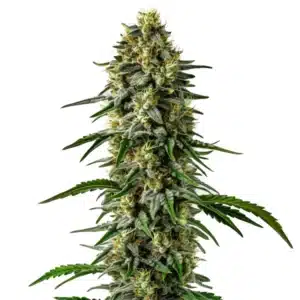
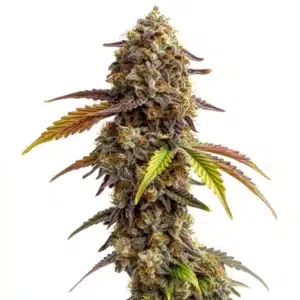
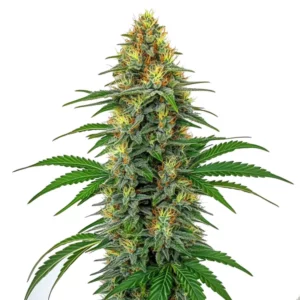
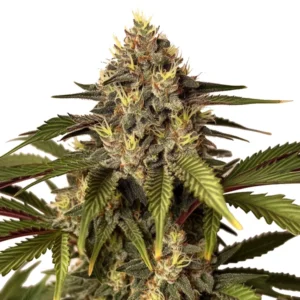
| Feature / Merkmal | Alien GG | Bruce Banner X Kali Mist | Cinderella 99 X Somango |
|---|---|---|---|
| THC Content | 23-24% | 20-25% | 16-20% |
| Dominant Terpene | Myrcene | Caryophyllene | Limonene |
| Flavor Profile | Citrus, Herbal, Pine | Citrus, Spicy, Woody | Fruity, Kush, Sweet |
| Effect | Calming, Happy, Relaxed | Energetic, Euphoric, Relaxed | Calming, Happy, Relaxed |
| Ideal Water Activity | 0.60-0.65 | 0.58-0.62 | 0.57-0.61 |
Ideal Water Activity for Cannabis Storage
Maintaining Quality and Potency
Maintaining water activity levels between 0.55 and 0.65 is key to preserving the quality and potency of cannabis. This range helps retain the terpenes and cannabinoids, ensuring that the aroma, flavor, and effects remain intact. Proper storage conditions are essential to prevent degradation and maintain the desired properties of the cannabis.
Many cultivators share that using airtight containers and storing cannabis in a cool, dark place can help maintain the ideal water activity levels. This practice minimizes exposure to light and air, which can degrade the quality of the cannabis over time.
How to Control Mold on Cannabis Plants
Effective Techniques and Products
Controlling mold on cannabis plants involves maintaining optimal environmental conditions. This includes keeping humidity levels between 50% and 60% during the flowering stage and ensuring adequate air circulation. Knowing what water activity causes mold in cannabis is also important, as excessive moisture can create favorable conditions for fungal growth. Using fans and dehumidifiers can help achieve these conditions, reducing the risk of mold development.
Experienced growers report that regular inspection of plants for signs of mold is crucial. This includes checking for discoloration or a musty smell, which can indicate mold presence. If detected, affected areas should be removed immediately to prevent further spread.
Professional Tips for Mold Prevention
- Maintain 58-62% RH during curing to prevent mold while preserving terpenes.
- Use a calibrated digital hygrometer for accurate water activity readings.
- Store cannabis in airtight containers to maintain ideal moisture levels.
- Inspect plants regularly for mold signs and remove affected areas promptly.
- Ensure proper air circulation with fans to reduce humidity and mold risk.
- Utilize desiccant packs in storage containers to control moisture levels.
FAQs About Water Activity and Mold in Cannabis
At what water activity does mold grow?
Mold typically grows in cannabis when water activity levels exceed 0.65. This threshold allows mold spores to germinate and proliferate, leading to contamination. Keeping water activity below this level is essential to prevent mold growth and maintain cannabis quality.
Why is water activity 0.6 important?
Maintaining water activity at 0.6 is crucial for cannabis as it helps preserve terpenes and cannabinoids while minimizing mold risk. This level ensures the cannabis remains potent and flavorful, providing a balanced environment that prevents microbial growth.
What is the ideal water activity for cannabis?
The ideal water activity for cannabis storage is between 0.55 and 0.65. This range helps maintain the quality and potency of the cannabis by preserving its terpenes and cannabinoids while preventing mold growth.
What kills mold on cannabis plants?
Removing mold from cannabis plants involves cutting away affected areas and improving environmental conditions. Lowering humidity levels to 50-60% and increasing air circulation can help prevent further mold development and protect the remaining plants.
How can mold be effectively removed from cannabis plants?
To effectively remove mold from cannabis plants, cut away affected areas and improve air circulation. Maintaining humidity levels between 50% and 60% and using fans can help prevent further mold growth and protect the remaining healthy plants.