The Art of “Dank”: A Grower’s Guide to True Cannabis Quality

Quick Summary: Dank weed refers to high-quality cannabis characterized by potent cannabinoid levels, rich terpene profiles, and dense, resin-heavy buds. It is the result of elite genetics, stress-free cultivation, and a slow, professional drying and curing process that preserves the plant’s essential compounds.
What is Dank Weed?
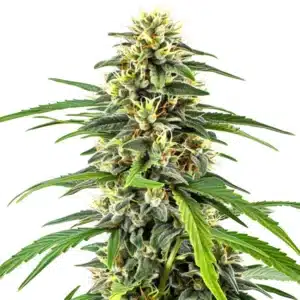
In the world of cannabis, the term “dank” has evolved from describing cold, damp places to becoming the ultimate compliment for top-tier flowers. When people ask what is dank weed, they aren’t looking for a botanical definition but a quality assessment. Dank marijuana is characterized by an overwhelming pungent aroma, a high concentration of trichomes, and a complex flavor profile that indicates a successful harvest and cure.
Recommended Strains

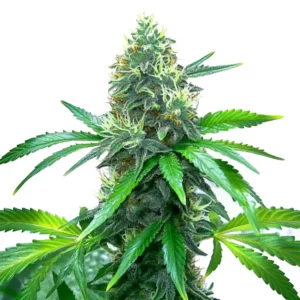
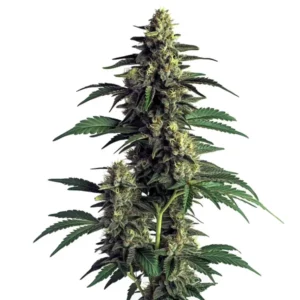
GG4

|
THC | 27% (High) |

|
Type | Feminized |

|
Yield | High |

|
Phenotype | 40% Indica / 60% Sativa |

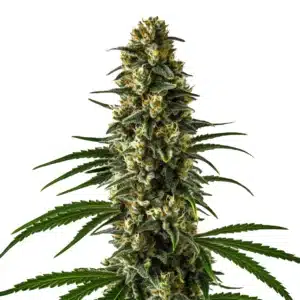
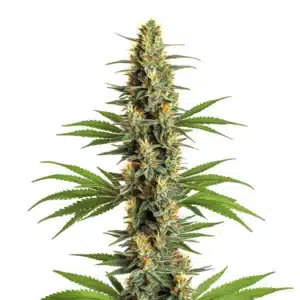
GG Autoflower F1
|
|
THC | 24% - 28% (High) |
|
|
Type | Autoflowering F1 |
|
|
Yield | High |
|
|
Phenotype | 40% Indica / 60% Sativa |
Biologically, “dankness” represents the peak concentration of secondary metabolites. This includes cannabinoids like THC and CBD, but more importantly, a diverse array of terpenes such as Myrcene (earthy), Limonene (citrus), and Caryophyllene (spicy). These compounds work together through the “Entourage Effect,” where the presence of terpenes modulates the effects of THC, turning a simple high into a nuanced experience. Without proper care, these volatile oils evaporate, leaving behind a product that smells like hay and lacks the “dank” punch.
Promos & Deals


The Biological Foundations of a Dank Strain
Creating a dank weed strain starts with genetics but is finished by the environment. To reach this level, the plant must maintain high Photosynthetic Photon Flux Density (PPFD) levels throughout its life. In the vegetative stage, 18-24 hours of light ensures a strong vascular system capable of transporting water and nutrients (specifically Nitrogen for foliage and Phosphorus for future root health). As the plant transitions to flowering under a 12/12 light cycle, its NPK needs shift toward higher Potassium and Phosphorus ratios to fuel the production of dense dank buds.
True quality is also dictated by root health. A plant with a cramped or diseased root system cannot produce the metabolic energy required to manufacture high levels of resin. Expert growers often use beneficial fungi like Trichoderma or Vitamin B1 solutions to reduce stress during transplanting. A healthy, unstressed plant produces “sinsemilla”, unpollinated female flowers that direct all their energy into resin production rather than seed formation, leading to the highest potency possible.
Technical Comparison: Dank Marijuana vs. Standard Quality
| Feature | Dank Weed (Top Shelf) | Mid-Grade (Reggie) | Low-Quality (Ditch Weed) |
|---|---|---|---|
| Trichome Density | Heavily frosted; milky to amber resin glands. | Visible but sparse; mostly clear or broken. | Almost non-existent or ruptured by heat. |
| Terpene Profile | Complex, pungent; high volatile oil retention. | Mild; faint smell of earth or pine. | Smells like hay, grass, or chemicals. |
| Moisture Content | Sticky but snaps when stem is bent. | Can be too dry/crumbly or spongy. | Bone dry or damp enough for mold. |
| Visual Color | Vibrant greens, purples, with orange pistils. | Dull green or brown tints. | Brownish, yellow, or full of seeds. |
| Curing Process | Slow (10-15 days) + 1-3 month jar cure. | Fast dried; minimal curing. | Sun-dried or heat-blasted; no cure. |
| Consumer Experience | Smooth smoke, white ash, high potency. | Harsher throat hit, darker ash. | Headaches, coughing, weak effects. |
Post-Harvest Mastery: Turning Good Buds into Dank Buds
The most common mistake growers make is rushing the finish. Even an elite dank strain will lose its potency if dried in a room above 70°F (21°C). High temperatures cause the essential oils to volatilize, releasing the aroma into the air instead of keeping it locked inside the flower. A professional dry takes 5 to 7 days in a dark, well-vented room with 45-55% humidity. This slow evaporation allows chlorophyll to break down, removing the “green” or “hay-like” taste.
Curing is the final step in the pursuit of dank buds. Once the stems snap rather than fold, the flowers should be placed in airtight glass containers. For the first week, “burping” the jars, opening them for a few minutes daily, is essential to let residual moisture escape. This process allows the cannabinoids to decarboxylate into their psychoactive forms and the terpenes to fully mature. Connoisseurs wait for the 2-month mark, where the flavor, potency, and smoothness reach their absolute zenith.
Professional Tips for Maximum Dankness
- Flushing is Mandatory: Stop all nutrients 10-14 days before harvest and use distilled or RO water to leach out built-up salts. This ensures your ash is white and the flavor is pure.
- The 30X Inspection: Never harvest based on the calendar alone. Use a 30X microscope to check resin crystals; harvest when 50% are milky white for a balanced high or wait for amber for a heavier “body stone.”
- Handle Like Glass: Trichomes are extremely delicate. Every time you touch a bud, you rupture thousands of resin glands. Use ergonomic scissors and wear gloves to collect “finger hash.”
- Cold Storage: Once cured, store your cannabis in a dark, cool place. Light (UV rays) and heat are the primary enemies of THC potency and terpene stability.
- Environment over Genetics: A standard strain grown perfectly is often more “dank” than an elite strain grown poorly. Focus on stable temperatures and consistent humidity above all else.

FAQs about Dank Marijuana
Is dank weed good or bad?
Dank weed is overwhelmingly considered good as it represents the highest quality of cannabis available. It indicates that the grower took the time to ensure the plant was healthy, the environment was optimized, and the curing process was not rushed. The only “bad” aspect is its high potency, which may be overwhelming for novice users who aren’t used to such high cannabinoid concentrations.
What makes buds smell so “dank”?
The signature pungent smell comes from terpenes and terpenoids stored within the trichome heads. Strains with high levels of Myrcene, Limonene, and Pinene create that unmistakable “dank” aroma. This smell is a biological signal that the plant has high levels of active compounds. If the smell is faint or smells like grass, the curing process was likely failed or the plant was harvested too early.
How can I identify a dank strain before buying?
Look for “bag appeal,” which includes a heavy coating of “frost” (trichomes), vibrant colors, and a strong aroma that penetrates the packaging. The buds should be dense and slightly sticky, not bone-dry or crumbly. Additionally, verify that the stems are thin; thick, woody stems often indicate lower-quality cultivation or older plants that haven’t been properly manicured.
Why do people prefer dank marijuana over standard weed?
The preference lies in the superior experience. Dank weed offers a smoother smoke, a more complex flavor profile, and a more potent, long-lasting effect. Because it contains a full spectrum of cannabinoids and terpenes, it provides a more holistic “high” compared to lower-quality weed, which may only provide a short-lived or foggy sensation followed by a “burnout.”