What Causes Poor Transpiration in Marijuana?

Transpiration is essential for your marijuana plants. It helps them absorb nutrients, maintain temperature, and facilitate growth. Yet, many growers face issues with poor transpiration. Knowing what causes poor transpiration in marijuana is crucial, as factors like high humidity, low airflow, or root damage can slow nutrient uptake and stunt growth. By identifying and correcting these issues early, you can maintain ideal environmental conditions and ensure your plants stay healthy and thrive throughout every stage of cultivation.
Transpiration issues can lead to stunted growth and poor yields, which is a nightmare for any grower. Whether you’re cultivating Amnesia Haze Auto or Wedding Cake Auto, knowing how to manage transpiration is crucial. Let’s dive into what causes these issues and how you can overcome them.
Recommended Strains
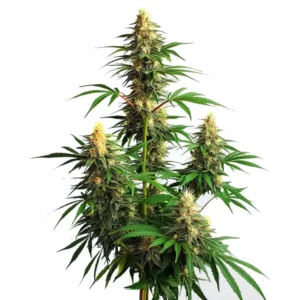
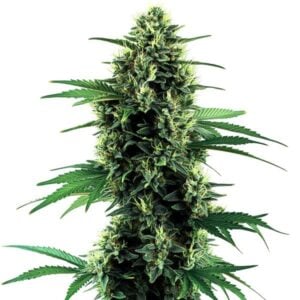
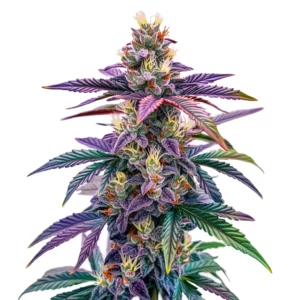
Amnesia Haze Auto

|
THC | 16% - 17% (Medium) |

|
Type | Autoflowering |

|
Yield | Low |

|
Phenotype | 25% Indica / 75% Sativa |

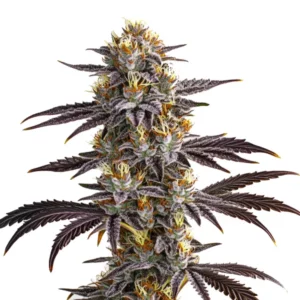
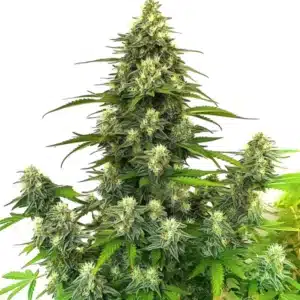
Wedding Cake Auto
|
|
THC | 17% - 20% (Medium) |
|
|
Type | Autoflowering |
|
|
Yield | High |
|
|
Phenotype | 65% Indica / 35% Sativa |
Environmental Factors Affecting Transpiration
Environmental conditions play a significant role in transpiration rates. Growers can often pinpoint issues by examining their grow room’s climate. Knowing what causes poor transpiration in marijuana is essential, as factors like excessive humidity, inadequate airflow, or extreme temperatures can disrupt water movement within the plant, leading to nutrient deficiencies and slower growth.
Humidity Levels
High humidity levels can drastically reduce transpiration in marijuana plants. When the air is saturated with moisture, plants struggle to release water vapor from their leaves. This can lead to nutrient deficiencies because the plants can’t draw up water and nutrients efficiently.
On the other hand, low humidity can increase transpiration rates excessively, causing plants to lose water faster than they can absorb it. This can lead to dehydration and nutrient imbalance, especially in strains like Blue Dream Autoflower, which are known for their vigorous growth.
Temperature Control
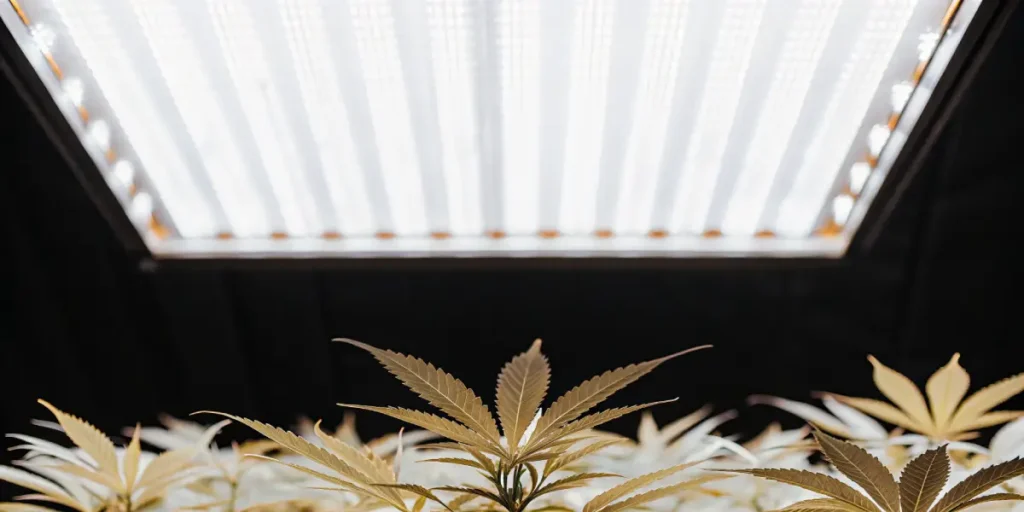
Temperature is another critical factor. High temperatures can increase transpiration rates, which might seem beneficial, but it can stress plants if they lose water too quickly. It’s crucial to maintain a stable temperature to avoid these extremes.
During the flowering stage, controlling the temperature is even more important. Strains like GG4 Auto thrive when temperature swings are minimized, preventing transpiration-related issues.
Optimal temperature range: 70-85°F (21-29°C)
During lights-on: Slightly higher temperatures are acceptable
During lights-off: Keep temperatures consistent to avoid stress
Soil and Watering Practices
Poor soil and watering practices are common reasons for cannabis transpiration issues. Ensuring your plants have the right foundation is critical.
Soil Composition
Soil that retains too much water can suffocate roots, leading to poor transpiration. Ensure your soil mix allows for adequate drainage. A good soil composition will support healthy root systems, which are essential for effective transpiration.
For growers using strains like Northern Lights Autoflower, which can be demanding in terms of nutrient uptake, a well-aerated soil mix is particularly important. Consider using perlite or coco coir to improve soil drainage and aeration.
Watering Techniques
Overwatering is a common mistake that leads to poor transpiration. When plants sit in soggy soil, their roots are deprived of oxygen, affecting their ability to take up water and nutrients.
Conversely, underwatering can stress plants, causing leaves to curl and wilt. It’s essential to find a balance. Using a watering schedule and monitoring soil moisture can help prevent these problems.
- Check soil moisture before watering
- Water deeply but infrequently
- Ensure pots have adequate drainage
Nutrient and pH Imbalances
Proper nutrition and maintaining the right pH levels are vital for healthy transpiration. Imbalances can lead to a host of issues, affecting the plant’s overall health.
Nutrient Levels
Excessive nutrients can cause salt buildup, which hinders water uptake and, consequently, transpiration. It’s essential to follow a balanced feeding schedule, tailored to your plants’ growth stage.
Strains like Gelato Autoflower are known for their resilience but still require a balanced nutrient profile to avoid issues. Regularly flush your growing medium to prevent salt accumulation.
pH Balance
pH imbalances in the soil or water can lock out essential nutrients, affecting transpiration. Ideally, the pH range for soil-grown cannabis should be between 6.0 and 7.0. For hydroponics, aim for 5.5 to 6.5.
Regularly testing the pH of your soil and water can help avoid these issues. Adjust using pH up or down solutions to maintain optimal levels for different growing mediums.
FAQs about What causes poor transpiration in marijuana?
How does inadequate transpiration affect marijuana plants?
Poor transpiration can lead to a range of problems. Without proper transpiration, plants struggle to transport nutrients and water from roots to leaves. This can result in nutrient deficiencies and stunted growth.
Inadequate transpiration also makes plants vulnerable to temperature fluctuations and diseases. Proper airflow and environmental controls are crucial to preventing these issues and ensuring healthy plant development.
Can poor transpiration be fixed once identified?
Yes, poor transpiration can often be corrected with the right adjustments. Start by diagnosing the root cause, whether it’s environmental, nutritional, or due to watering practices. Once identified, make incremental changes to the affected areas.
Adjusting humidity, temperature, and pH levels can quickly improve conditions. It’s also important to ensure your plants are not over or under-watered. With these corrections, your plants can recover and thrive.
Why is humidity control important in cannabis cultivation?
Humidity control directly impacts transpiration rates. High humidity can slow down transpiration, while low humidity can cause plants to lose water rapidly. Both extremes can lead to stress and nutrient deficiencies.
Maintaining optimal humidity levels is crucial, especially for auto-flowering strains like Purple Lemonade Autoflower. These plants can be sensitive to environmental changes, making it essential to monitor and adjust humidity regularly.
What are the signs of poor transpiration in marijuana plants?
Signs of poor transpiration include wilting, leaf curling, and yellowing leaves. Plants may appear stressed despite adequate watering. If these symptoms occur, it’s important to assess environmental conditions and soil moisture levels promptly.
Other indicators include slow growth and poor bud development. Regularly monitoring your grow room conditions can help you catch these signs early and adjust your cultivation techniques accordingly.
How can soil composition affect transpiration?
Soil composition impacts water retention and drainage, which are critical for healthy transpiration. Poorly aerated soil can suffocate roots, leading to inadequate water and nutrient uptake. This can stunt plant growth and reduce yields.
Choosing a well-draining soil mix with components like perlite or coco coir can enhance root aeration. This supports efficient water movement and nutrient uptake, promoting optimal transpiration and overall plant health.