What Are The Best Conditions for Healthy Transpiration in Cannabis for Growers?

Transpiration is crucial for cannabis plant health. It helps with nutrient uptake, temperature regulation, and overall plant vigor. For first-time growers and seasoned cultivators alike, knowing What are the best conditions for healthy transpiration in cannabis? can make the difference between a bountiful harvest and a disappointing yield. By maintaining proper humidity, temperature, and airflow, growers can ensure efficient water movement and optimal nutrient absorption throughout the plant.
Transpiration involves the movement of water through the plant and its evaporation from parts like leaves. This process allows plants to transport nutrients from the soil, maintain internal temperature, and keep cells turgid. Let’s delve into the best practices and conditions that promote ideal transpiration in your cannabis plants.
Recommended Strains
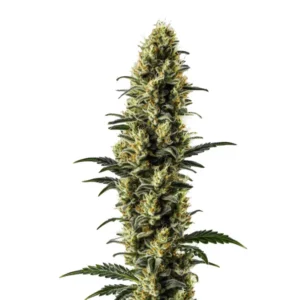
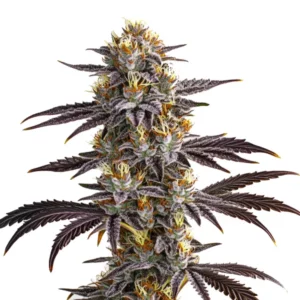
Z OG Auto

|
THC | 17% - 21% (Medium) |

|
Type | Autoflowering |

|
Yield | High |

|
Phenotype | 60% Indica / 40% Sativa |
Gelato Auto
|
|
THC | 19% - 21% (Medium) |
|
|
Type | Autoflowering |
|
|
Yield | Medium |
|
|
Phenotype | 40% Indica / 60% Sativa |
Whether you’re growing Amnesia Haze Autoflower, Gelato Auto, or Z OG Auto, knowing these fundamentals will set you on the path to cannabis cultivation success. Each strain responds slightly differently to environmental factors, so it’s essential to fine-tune your approach for optimal results.
Knowing transpiration in cannabis plants
Transpiration might sound like a complex scientific process, but it’s relatively simple. It’s how water travels from the roots to the leaves and then evaporates into the air. This movement is essential because it facilitates nutrient distribution and helps cool the plant. Knowing What are the best conditions for healthy transpiration in cannabis? is key — maintaining proper humidity, temperature, and airflow ensures efficient water movement and supports vigorous plant growth.
The importance of transpiration
Transpiration serves multiple functions in cannabis plants. As water vapor exits the leaves, it pulls up water and nutrients from the roots. This is crucial for growth and development. Without adequate transpiration, plants can become nutrient deficient.
Additionally, the process helps regulate plant temperature. On hot days, transpiration acts as a cooling mechanism, similar to how sweating works in humans. This cooling effect prevents the plant from overheating, which could otherwise damage the delicate cellular structure.
Environmental factors affecting transpiration
Several environmental factors directly influence transpiration rates. Temperature, humidity, and airflow are the primary conditions to monitor. When these are optimized, your cannabis plants can thrive.
High temperatures can increase transpiration rates, leading to faster nutrient uptake but also risking dehydration. On the other hand, high humidity can slow transpiration, potentially causing nutrient lockout.
Promos & Deals
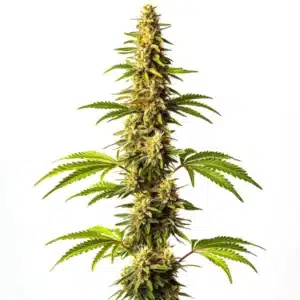
Optimal conditions for cannabis transpiration
Creating the perfect environment for your cannabis plants involves balancing various factors. Let’s break down the key elements that influence transpiration and how to manage them.
Temperature management
The ideal temperature range for cannabis is between 70°F and 85°F during the day and around 10°F cooler at night. This range encourages healthy transpiration and prevents thermal stress. Use thermometers to monitor and adjust your grow room temperature.
For strains like Blue Dream Auto and Gorilla Blue Auto, maintaining this temperature range ensures they can transpire effectively. Consider using fans or air conditioning units to stabilize temperature fluctuations, especially during summer months.
Humidity levels
Humidity is another critical factor. During the vegetative stage, aim for 40% to 70% relative humidity. In the flowering stage, reduce it to 40% to 50% to prevent mold and mildew. A hygrometer can help you keep track of humidity levels.
Strains such as Girl Scout Cookies Auto and Mimosa XXL Auto are particularly sensitive to humidity changes. Adjustments might be necessary depending on the specific needs of your chosen strain, so always keep a close eye on your plants.
Airflow and ventilation
Good airflow and ventilation support healthy transpiration by ensuring that water vapor doesn’t saturate the air around the plant. This prevents the stomata (tiny openings on leaves) from closing, which would otherwise halt transpiration.
Use oscillating fans to keep air moving gently around your cannabis plants. This setup also helps prevent the growth of mold and pests by drying out excess moisture on leaf surfaces.
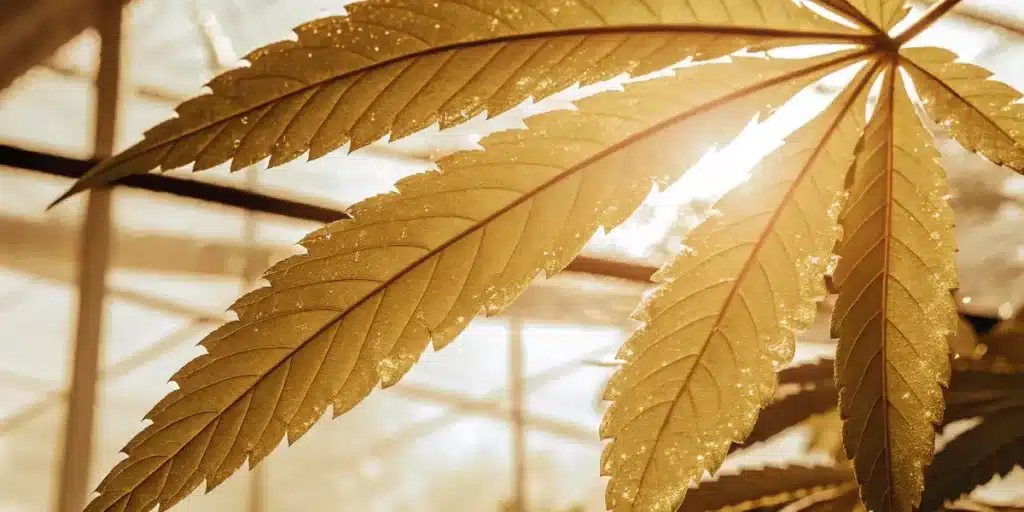
Techniques for enhancing transpiration
Beyond regulating environmental conditions, specific techniques can boost transpiration rates and improve plant health. Implementing these strategies can lead to stronger, more productive plants.
Leaf pruning
Pruning excess leaves can enhance airflow and light penetration, encouraging better transpiration. Remove large, overshadowing fan leaves to allow more light to reach lower branches and promote healthy growth.
Be cautious not to over-prune as this can stress the plant. Focus on leaves that block light from reaching bud sites, ensuring that you support the plant’s overall energy needs.
Soil moisture management
Maintaining proper soil moisture levels is vital. Overwatering can drown roots and reduce oxygen availability, hindering transpiration. Conversely, underwatering stresses the plant, causing wilting and reduced transpiration.
For growers cultivating strains like Tangie Auto and Northern Lights Auto, consistent watering schedules are key. Check soil moisture regularly and adjust watering practices based on plant size, stage of growth, and environmental conditions.
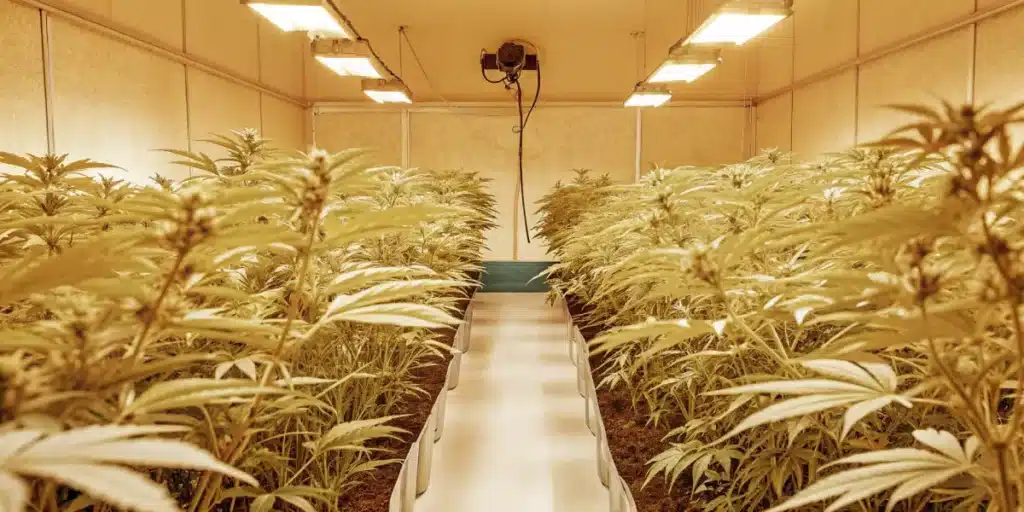
FAQs about What are the best conditions for healthy transpiration in cannabis?
How does light affect cannabis transpiration?
Light plays a significant role in transpiration as it influences both temperature and photosynthesis rates. Higher light levels can increase temperature, leading to increased transpiration rates. This is beneficial for nutrient uptake but requires careful monitoring to avoid overheating and dehydration.
In your grow room, ensure that lights are positioned at an appropriate distance to prevent excessive heat buildup. Using strains like Girl Scout Cookies Auto and Amnesia Haze Auto, which are known for their robust growth under varied light conditions, can also be advantageous.
What are the signs of inadequate transpiration in cannabis plants?
Signs of inadequate transpiration include wilting, leaf curling, and nutrient deficiencies. These symptoms occur because the plant isn’t effectively moving water and nutrients through its system. Addressing environmental conditions usually resolves these issues.
Regularly inspecting your plants, especially when cultivating sensitive strains like Ricky Bobby, helps catch these signs early. By making timely adjustments to temperature, humidity, and airflow, you can restore healthy transpiration levels.
Can too much transpiration be harmful to cannabis plants?
Yes, excessive transpiration can lead to dehydration and nutrient burn. When plants transpire too quickly, they can lose water faster than they can replace it, stressing the plant and potentially causing leaf damage.
Managing your grow room’s temperature and humidity is crucial to prevent this. Ensuring that your plants, such as Z OG Auto, have consistent access to water and nutrients will help mitigate the risks associated with high transpiration rates.
What tools can help monitor and control transpiration conditions?
Several tools are essential for monitoring and controlling transpiration conditions. Thermometers and hygrometers help track temperature and humidity levels. Fans and air conditioning units allow for better airflow and temperature management.
Investing in these tools benefits all growers, particularly when working with diverse strains like Mimosa XXL Auto and Gorilla Blue Auto. By using technology to maintain ideal growing conditions, you enhance plant health and maximize yields.
Is there a difference in transpiration needs between autoflowering and photoperiod strains?
Autoflowering strains, such as Gelato Autoflower, often have different transpiration needs compared to photoperiod strains due to their shorter life cycle and varying growth habits. They may require more precise control over environmental conditions to maximize their potential.
Photoperiod strains may be more forgiving but still demand attention to their specific needs. Knowing the growth characteristics of each type is essential for providing the best conditions for healthy transpiration and achieving successful harvests.