Top Advanced Monitoring Tools to Combine with Refractometers

Refractometers are essential tools in the cannabis growing industry. They help measure the sugar content in plant sap, providing crucial data about plant health. But to truly optimize your cannabis crop, pairing refractometers with advanced monitoring tools to combine with refractometers can make a significant difference. These devices not only enhance precision but also streamline the entire monitoring process.
One popular choice among growers is using integrated monitoring solutions for refractometers. These systems allow you to capture and analyze data seamlessly, ensuring you don’t miss any critical changes in your plants. By combining various sensors and software, you gain a comprehensive overview of your crop’s condition.
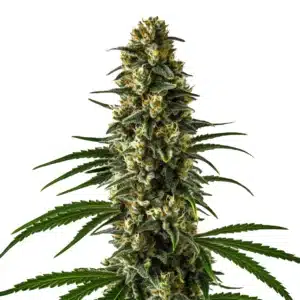
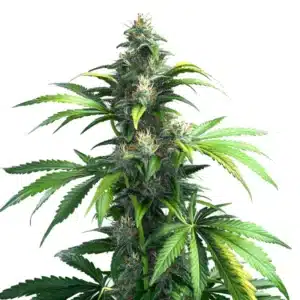
Recommended Strains
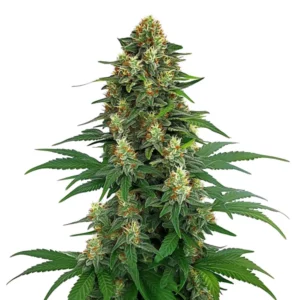
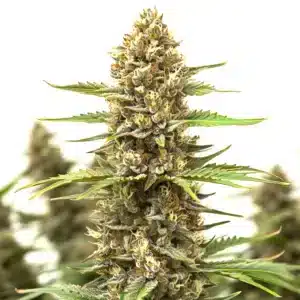
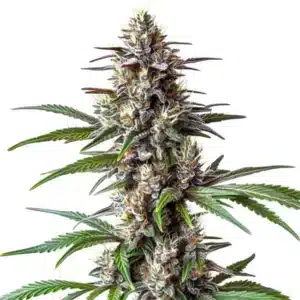
Tangie

|
THC | 19% - 22% (Medium) |

|
Type | Feminized |

|
Yield | High |

|
Phenotype | 30% Indica / 70% Sativa |
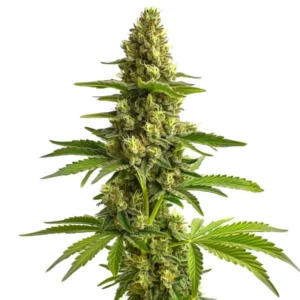
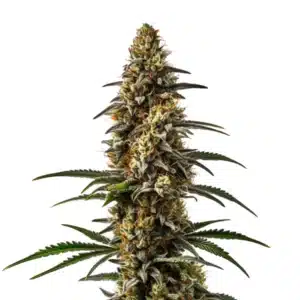
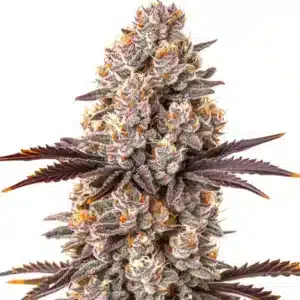
Black Demon OG
|
|
THC | 17% - 20% (Medium) |
|
|
Type | Feminized |
|
|
Yield | Medium |
|
|
Phenotype | 80% Indica / 20% Sativa |
For instance, consider pairing your refractometer with environmental monitoring devices. These gadgets can track humidity, temperature, and light levels, all crucial factors for a flourishing cannabis garden. The synergy between these devices ensures that you have all the necessary information at your fingertips.
Integrated Monitoring Solutions for Refractometers
Integrated monitoring solutions bring multiple data streams together. They make it easier to interpret and act on the information gathered from your refractometers. By using these systems, you can efficiently manage and improve your cannabis crop’s health.
For example, a grower cultivating Blimburn Seeds Bruce Banner 3 strain might use these solutions to monitor the plant’s nutrient uptake. With real-time data from both the refractometer and environmental sensors, they can adjust feeding schedules to optimize growth.
Another advantage of integrated monitoring solutions for refractometers is their scalability. These systems can be customized to fit the specific needs of any grow operation, whether you’re managing a small batch of plants or an extensive commercial setup. This flexibility ensures that every grower can benefit from advanced monitoring tools to combine with refractometers.
Moreover, these solutions often include alerts and notifications, helping growers respond to changes swiftly. For instance, if there’s a sudden drop in temperature, the system can send an immediate alert, allowing the grower to take corrective measures. This proactive approach minimizes risk and enhances plant resilience.
Promos & Deals
Refractometer Data Analysis Software Integration
Data analysis software integration with refractometers is a game-changer. It allows you to analyze historical data trends, making it easier to predict and prevent potential issues. For those growing Blimburn Seeds Girl Scout Cookies, this could mean spotting nutrient deficiencies before they affect yield.
These software systems often include user-friendly dashboards that present data in an easily digestible format. This simplification helps even first-time growers make informed decisions about their crops.
Refractometer data analysis software integration also enhances collaboration among team members. By sharing data insights through cloud-based platforms, team members can work together to fine-tune growing strategies and optimize outcomes. This collaborative approach fosters innovation and continuous improvement in cultivation practices.
Additionally, the software can provide predictive analytics, helping growers anticipate future challenges based on current trends. This foresight is invaluable for long-term planning and resource allocation, ensuring that growers are always prepared to meet the needs of their plants.
Advanced Sensor Systems Paired with Refractometers
Advanced sensor systems enhance the capabilities of refractometers by adding layers of data collection. These systems track multiple factors, such as soil moisture and CO2 levels, providing a holistic view of the growing environment.
For example, using an advanced sensor system alongside a refractometer can significantly benefit Blimburn Seeds Tangie plants. The sensors can help adjust environmental conditions to improve terpene profiles and overall plant health.
These advanced sensor systems paired with refractometers can also integrate with automated control systems. This integration allows for real-time adjustments to environmental conditions, such as activating fans to lower humidity or adjusting light levels to optimize photosynthesis. Such automation reduces manual intervention, allowing growers to focus on strategic decisions.
Furthermore, the data collected from these systems can be used to refine genetic selection processes. By knowing how different strains respond to specific environmental conditions, breeders can develop new varieties with enhanced traits, benefiting the entire cannabis industry.
Refractometer-Compatible Environmental Monitoring Devices
Environmental monitoring devices compatible with refractometers are indispensable for maintaining optimal growing conditions. They measure parameters like light intensity and air circulation, which directly impact plant health.
Growers dealing with Blimburn Seeds Black D.O.G. strain can use these devices to ensure their plants receive the perfect balance of light and nutrients. This combination leads to healthier plants and higher yields.
Refractometer-compatible environmental monitoring devices are especially beneficial in dynamic climates where weather conditions can change rapidly. By continuously monitoring environmental variables, growers can adapt their strategies to maintain stable conditions, preventing stress and optimizing growth.
Moreover, these devices often come with remote monitoring capabilities, allowing growers to keep an eye on their crops from anywhere in the world. This feature is particularly useful for large-scale operations, where constant on-site supervision may not be feasible.
Precision Measurement Enhancements for Refractometer Use
Precision measurement enhancements for refractometer use are crucial for achieving the best results. By fine-tuning your monitoring setup, you ensure that your refractometer provides the most accurate readings possible.
A grower working with Blimburn Seeds Sour Diesel strain, for instance, might employ precision enhancements to monitor the plant’s reaction to different nutrient levels, ensuring optimal growth conditions.
These enhancements often involve calibrating both the refractometer and additional sensors to work in harmony. This calibration maximizes the accuracy of the data collected, leading to better-informed growing decisions.
Furthermore, precision measurement enhancements can extend the lifespan of your equipment by ensuring that all components operate within their optimal ranges. Regular calibration and maintenance not only improve data accuracy but also prevent wear and tear, resulting in cost savings over time.
Finally, precision measurements can be crucial when experimenting with new cultivation techniques. By accurately measuring the impact of different variables, growers can refine their methods and discover innovative approaches to maximize yield and quality.
FAQs about advanced monitoring tools to combine with refractometers
What are the benefits of using advanced monitoring tools with refractometers?
Using advanced monitoring tools alongside refractometers offers numerous benefits. These tools provide a more comprehensive view of the plant’s health, combining data from multiple sources to give a complete picture. This comprehensive data enables growers to make better-informed decisions, optimizing plant care and ultimately improving yields.
For example, in a situation where a grower’s refractometer shows a drop in sugar levels, environmental sensors can help identify if temperature or humidity changes are the cause. This allows for swift corrective action, minimizing potential stress on the plants.
Advanced monitoring tools to combine with refractometers also facilitate precise control over nutrient management. By knowing the interaction between environmental factors and plant physiology, growers can tailor nutrient applications to meet the exact needs of their crops, reducing waste and enhancing growth.
Additionally, these tools can streamline record-keeping and compliance reporting, which is crucial in regulated industries like cannabis cultivation. Automated data collection and reporting make it easier to adhere to industry standards and regulations, reducing the risk of non-compliance.
Can integrated monitoring solutions for refractometers be used in small-scale operations?
Absolutely! Integrated monitoring solutions are scalable and can be tailored to fit any operation size, from small home gardens to large commercial farms. For a small-scale grower, these solutions can help manage resources more efficiently, ensuring that every plant receives the attention it needs.
Even in smaller setups, these systems provide invaluable insights. They help growers avoid unnecessary expenses by preventing overuse of water or nutrients, which is particularly important for those just starting with cannabis cultivation.
Integrated monitoring solutions for refractometers also offer a learning platform for novice growers. By providing real-time feedback and historical data analysis, these systems can help beginners understand the intricacies of plant care, accelerating their learning curve and boosting confidence.
Moreover, these solutions can enhance the scalability of small operations. As growers become more experienced and expand their operations, the integrated systems can grow with them, supporting increased production without the need for a complete overhaul of their monitoring infrastructure.
How do refractometer-compatible environmental monitoring devices work?
Refractometer-compatible environmental monitoring devices work by measuring various environmental parameters and providing real-time data. They often include sensors for temperature, humidity, and light, which are crucial for maintaining the right conditions for cannabis plants.
These devices sync with refractometers to provide a detailed view of how environmental factors affect plant health. This integration allows growers to make adjustments on the fly, ensuring their plants thrive under optimal conditions.
The operation of these devices involves sophisticated algorithms that analyze data patterns to identify potential issues before they become problems. This predictive capability is critical for maintaining plant health and ensuring consistent yields over time.
Besides, many of these devices come with mobile apps or web interfaces, making it easy for growers to access data and adjust settings remotely. This convenience means that growers can maintain control over their cultivation environment, even when they’re not physically present.
Are advanced sensor systems necessary for all cannabis strains?
While not strictly necessary, advanced sensor systems can benefit all cannabis strains by providing more precise control over environmental conditions. These systems are especially useful for strains with specific growing requirements, such as Blimburn Seeds’ Tangie, which thrives under particular light and nutrient conditions.
These systems offer flexibility, allowing growers to tweak conditions to suit each strain’s unique needs. This adaptability can result in healthier plants and more consistent yields, making it a worthwhile investment.
Advanced sensor systems also support experimental growing techniques, such as hydroponics or aeroponics, where precise environmental control is essential. By providing detailed insights into plant responses, these systems enable growers to refine their techniques and achieve superior results.
Furthermore, these systems can enhance strain development programs by allowing breeders to test how different genetic variations respond to specific conditions. This data-driven approach accelerates the breeding process and leads to the creation of new, high-performing strains.
How do precision measurement enhancements improve refractometer readings?
Precision measurement enhancements improve refractometer readings by ensuring that all equipment is calibrated and functioning optimally. These enhancements often involve fine-tuning the refractometer and any supplementary sensors to ensure they provide the most accurate data possible.
This level of precision is crucial for identifying subtle changes in plant health that could indicate larger issues. By catching these early, growers can take preventive measures, maintaining plant health and maximizing yield.
Precision measurement enhancements for refractometer use also include advanced algorithms that correct for environmental variations, such as temperature fluctuations, that may affect measurement accuracy. This ensures that the data collected is reliable, even under varying conditions.
Finally, precision enhancements can be integrated into quality control processes, ensuring that every batch of plants meets the desired standards for potency and quality. This consistency is vital for maintaining brand reputation and meeting consumer expectations.