Top 5 Signs Your Cannabis Plants Are Nutrient Stressed: Expert Guide

Recognizing the top 5 signs your cannabis plants are nutrient stressed is crucial for ensuring a healthy yield. Nutrient stress can manifest in various ways, and as a grower, it’s essential to know what to look for. Whether you’re trying your hand at growing for the first time or you’re a seasoned cultivator, knowing these signs can save you time and improve your crop.
Let’s dive into the best indicators of nutrient stress in cannabis plants. If you’re growing strains like Bruce Banner #3 from Blimburn Seeds, you’ll want to pay close attention. These strains are popular for their potency, but nutrient stress can severely impact their growth. Spotting nutrient imbalances early can make a significant difference in your cultivation success.
Recommended Strains
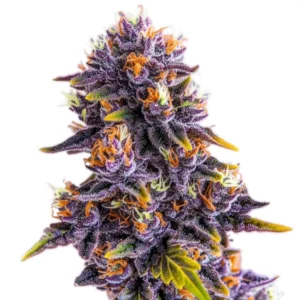
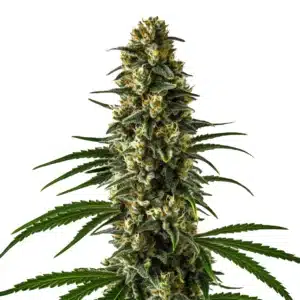
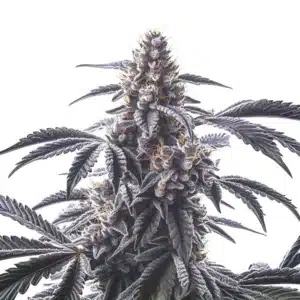
Purple Star Killer

|
THC | 25% - 29% (High) |

|
Type | Feminized |

|
Yield | High |

|
Phenotype | 70% Indica / 30% Sativa |
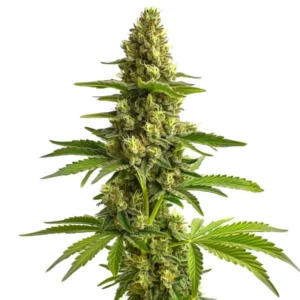
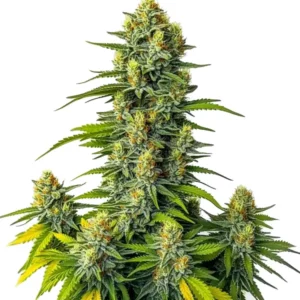
Bruce Banner #3
|
|
THC | 20% - 29% (High) |
|
|
Type | Feminized |
|
|
Yield | Medium |
|
|
Phenotype | 50% Indica / 50% Sativa |
When diagnosing nutrient problems in cannabis growth, the symptoms might not always be obvious. You might notice slight discolorations or unusual growth patterns. Keep an eye on these subtle changes to prevent long-term damage to your plants. Now, let’s explore those top 5 signs in detail.
1. Yellowing Leaves
Yellowing leaves are one of the most common signs of nutrient deficiency in cannabis plants. This issue often points to a lack of nitrogen, a vital nutrient for strong, healthy growth. When nitrogen is insufficient, older leaves typically turn yellow first, followed by the younger foliage.
In the case of strains such as Girl Scout Cookies from Blimburn Seeds, maintaining the right nutrient balance is key. Yellowing leaves can also be a sign of other deficiencies, such as potassium or magnesium. Regularly checking your plants and adjusting the nutrient solution can help mitigate these issues.
Yellowing leaves are not only a cosmetic issue but also a sign that your plants are not photosynthesizing efficiently. This can lead to reduced vigor and lower yields, which is why it’s crucial to address this symptom promptly. Knowing how to identify nutrient deficiency in cannabis plants is essential for timely intervention.
Moreover, the progression of yellowing can help diagnose the specific nutrient deficiency. In fact, recognizing the top 5 signs your cannabis plants are nutrient stressed can make this process much easier. For instance, if the yellowing starts at the tips and edges of leaves, it might indicate a potassium deficiency. Being able to differentiate these symptoms can help in accurately diagnosing nutrient problems in cannabis growth.
Promos & Deals
2. Brown Leaf Tips
Brown leaf tips, often referred to as “nutrient burn,” occur when cannabis plants receive too much of certain nutrients. This is especially true for phosphorus and potassium. Excessive nutrients can lead to the leaf tips turning brown and crispy.
For strains like Blue Dream from Blimburn Seeds, it’s crucial to monitor nutrient levels closely. Overfeeding can quickly lead to nutrient stress. If you notice brown leaf tips, it’s wise to flush the soil with clean water to remove excess nutrients and prevent further damage.
In addition to flushing, adjusting your feeding schedule can help prevent future occurrences of nutrient burn. Monitoring the EC (electrical conductivity) of your nutrient solution can provide insights into nutrient concentration, helping you maintain a balanced nutrient profile.
Brown leaf tips are one of the symptoms of nutrient stress in marijuana plants that can also indicate issues with water quality. High levels of salts in the water can exacerbate nutrient burn, so using filtered or distilled water might be beneficial for sensitive strains.
3. Stunted Growth
Stunted growth can be a clear signal of nutrient imbalance in cannabis cultivation. This symptom is often due to a lack of essential nutrients, such as phosphorus, which is crucial for strong root development. Without the right nutrients, plants struggle to grow to their full potential.
If you’re cultivating robust strains like Bruce Banner #3, ensuring adequate nutrient levels is especially important. Stunted growth can also be linked to pH imbalances in the soil, preventing the plant from absorbing nutrients effectively. Regularly testing and adjusting the pH can help prevent these growth issues.
Another factor contributing to stunted growth is compaction of the growing medium. Compact soil can restrict root expansion and nutrient uptake, leading to poor plant development. Therefore, maintaining a well-aerated medium can help alleviate this issue.
Temperature fluctuations can also impact growth rates. Cold temperatures can slow down metabolism and nutrient absorption, resulting in stunted growth. Ensuring a stable growing environment is as important as nutrient management for the optimal development of your cannabis plants.
4. Leaf Curling
Leaf curling is a symptom of nutrient stress in marijuana plants that can be caused by various factors. Often, it is a sign of calcium or magnesium deficiency. Leaves may curl upwards or downwards, and without intervention, the health of the plant can rapidly decline.
In nutrient-rich strains like Girl Scout Cookies, maintaining a balanced nutrient mix is vital. Leaf curling can also result from environmental stressors, such as excessive heat or wind. Addressing both nutrient and environmental factors can help resolve this issue.
Leaf curling can also be an early indicator of pest infestations such as spider mites or aphids. These pests can exacerbate nutrient stress by damaging plant tissue, making it harder for the plant to uptake nutrients efficiently.
Testing the growing medium for nutrient content can help in diagnosing the cause of leaf curling. If nutrient levels are adequate, consider adjusting environmental conditions or checking for pests as part of your strategy to resolve this issue.
5. Purple Stems
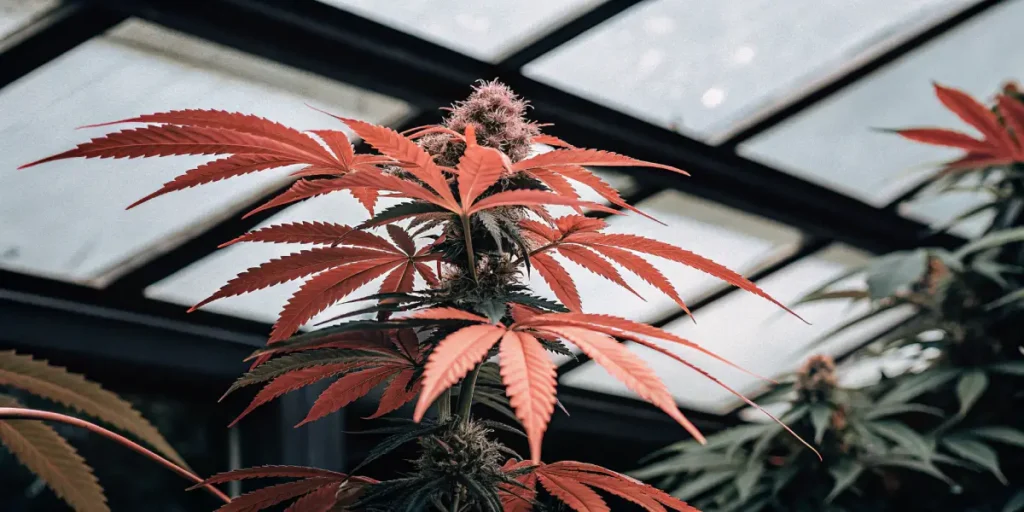
Purple stems can be one of the more alarming signs of nutrient stress, often linked to a lack of phosphorus or magnesium. While some cannabis strains naturally exhibit purple hues, a sudden change in stem color can indicate a problem.
For cultivators growing strains such as Purple Star Killer, it’s crucial to observe any unexpected changes. Purple stems can also be a result of cold temperatures or stress from transplanting. Ensuring consistent temperatures and minimizing stress during plant handling can help prevent this symptom.
Purple stems are often accompanied by other symptoms of nutrient stress in marijuana plants, such as leaf discoloration or stunted growth. Keeping a close eye on these associated symptoms can help in diagnosing nutrient problems effectively.
Addressing the root cause of purple stems involves not only adjusting nutrient levels but also optimizing environmental conditions. Consistent monitoring and a proactive approach can help in maintaining the overall health and vigor of your cannabis plants.
FAQs about top 5 signs your cannabis plants are nutrient stressed
What are the best indicators of nutrient stress in cannabis plants?
The best indicators of nutrient stress include visual signs like yellowing leaves, brown leaf tips, and stunted growth. These symptoms provide a clear signal that your plants are not receiving the right nutrients. Regular monitoring can help you catch these signs early.
Besides to visual cues, the overall health and vigor of your plants can indicate nutrient stress. If your cannabis plants are not thriving despite adequate light and water, it may be time to assess your nutrient regimen and make necessary adjustments.
Beyond the visible symptoms, nutrient stress can also manifest in the plant’s overall resilience. Plants under nutrient stress may become more susceptible to diseases and pests, highlighting the importance of maintaining proper nutrient levels.
Detailed record-keeping of your nutrient management practices can be invaluable. By tracking changes and outcomes, you can more easily identify patterns and make informed decisions to optimize plant health and yield.
How can I identify nutrient deficiency in cannabis plants?
Identifying nutrient deficiency involves observing changes in leaf color and plant growth. Yellowing leaves often suggest nitrogen deficiency, while brown tips can indicate an excess of nutrients. Each nutrient deficiency has specific symptoms that can guide you in diagnosing the issue.
For accurate identification, consider testing the soil or growing medium for nutrient content. This can provide insights into what might be lacking and help you tailor your nutrient solution to meet your plants’ needs.
Besides to soil testing, leaf tissue analysis can provide precise information on nutrient deficiencies. This technique can help you fine-tune your nutrient regimen to address specific deficiencies more effectively.
Knowing the growth stage of your cannabis plants can also aid in identifying deficiencies. Different growth phases have varying nutrient requirements, so adjusting your nutrient schedule to match these needs is crucial for optimal plant health.
What are some signs of nutrient imbalance in cannabis cultivation?
Signs of nutrient imbalance include leaf discoloration, unusual growth patterns, and poor plant health. These symptoms can result from either a deficiency or an excess of nutrients. Maintaining a balanced nutrient profile is key to healthy cannabis cultivation.
Regularly testing your soil and adjusting your nutrient solution based on plant response can help prevent imbalances. Keeping detailed records of feeding schedules and plant growth can also aid in identifying patterns and avoiding future issues.
Nutrient imbalances can also arise from pH fluctuations. Ensuring the pH level of your growing medium is within the optimal range can enhance nutrient uptake and prevent deficiencies or toxicities.
In hydroponic systems, nutrient imbalances can occur more rapidly due to the direct exposure of roots to the nutrient solution. Regular monitoring and adjustments are essential to maintain a stable environment for root health and plant growth.
Can environmental factors contribute to nutrient stress in marijuana plants?
Yes, environmental factors such as temperature, humidity, and light can contribute to nutrient stress. For instance, high temperatures can lead to increased nutrient uptake, potentially causing nutrient burn. Conversely, cold temperatures can slow down nutrient absorption, leading to deficiencies.
Maintaining optimal growing conditions is critical for preventing nutrient stress. Using tools to monitor and control the environment can help ensure that your plants are thriving, reducing the risk of stress-related issues.
Environmental stressors like inadequate lighting can exacerbate nutrient stress by affecting photosynthesis and overall plant energy levels. Ensuring sufficient and consistent lighting is crucial for healthy plant development.
Water quality is another environmental factor that can influence nutrient stress. High levels of dissolved salts or contaminants can interfere with nutrient uptake, so using clean and properly balanced water is essential for preventing stress.
How do Blimburn Seeds strains respond to nutrient stress?
Blimburn Seeds strains like Bruce Banner #3, Girl Scout Cookies, and Blue Dream are known for their robustness, but they can still experience nutrient stress if not properly cared for. These strains require careful management of nutrient levels to reach their full potential.
By monitoring these plants closely and responding quickly to signs of nutrient stress, growers can maintain healthy growth and maximize yields. Knowing the specific needs of each strain can help you tailor your approach to nutrient management effectively.
Each Blimburn Seeds strain might have unique nutrient demands, making it important to adapt your nutrient solution to the specific requirements of the strain. This can optimize growth and enhance the quality and yield of the harvest.
Leveraging the resilience of these strains can be beneficial, but it’s crucial to remain vigilant for the top 5 signs your cannabis plants are nutrient stressed. Prompt intervention can ensure that your plants recover swiftly and continue to thrive.