Tissue Testing vs Sap Testing in Cannabis

Cannabis cultivation is a blend of art and science. As growers strive for the perfect harvest, analyzing the plant’s health through testing methods becomes crucial. Two popular approaches are tissue testing vs sap testing in cannabis, each offering unique insights into plant nutrition and vitality. Knowing the differences between these methods helps growers fine-tune nutrients, detect deficiencies early, and ultimately maximize yields for healthier, more productive plants.
For first-time seed buyers and seasoned growers, knowing the difference between these testing methods can significantly impact the quality of your harvest. Whether you’re growing Blue Dream Auto for its balanced effects or nurturing Amnesia Haze Auto for its uplifting aroma, choosing the right testing method is essential for optimal results.
Recommended Strains
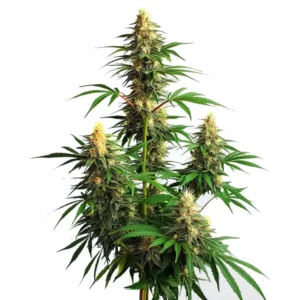
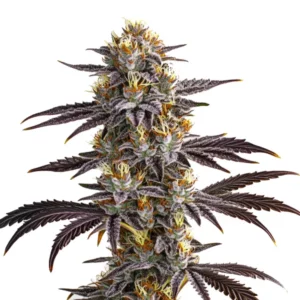
Amnesia Haze Auto

|
THC | 16% - 17% (Medium) |

|
Type | Autoflowering |

|
Yield | Low |

|
Phenotype | 25% Indica / 75% Sativa |
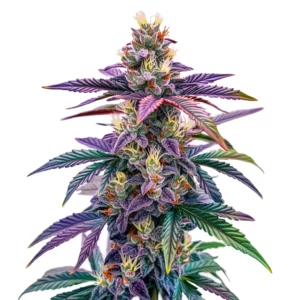
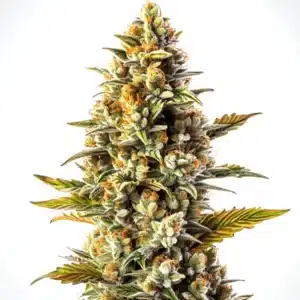
Blue Dream Autoflower
|
|
THC | 10% - 13% (Low) |
|
|
Type | Autoflowering |
|
|
Yield | Medium |
|
|
Phenotype | 30% Indica / 70% Sativa |
In this article, we’ll explore the nuances of tissue testing and sap testing, offering practical advice for growers of all levels. By analyzing these methods, you can ensure your cannabis plants thrive and deliver the highest quality buds.
What is Tissue Testing?
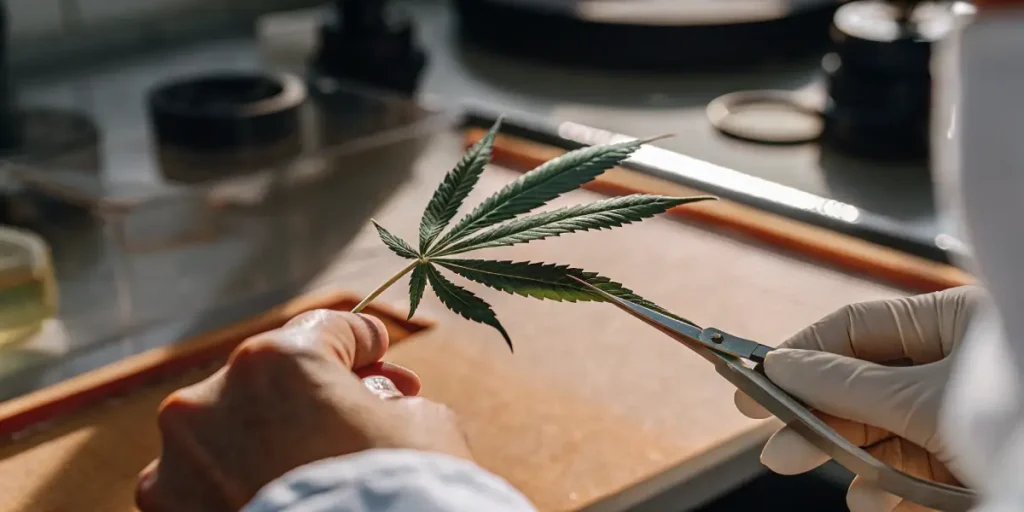
Tissue testing involves analyzing the plant’s leaves to determine nutrient levels. This method provides a snapshot of what the plant has absorbed over time. It’s a reliable way to gauge the overall health and nutritional status of your cannabis plants.
For instance, if you’re growing Wedding Cake Auto, tissue testing can reveal deficiencies or excesses in nutrients, allowing you to adjust your feeding schedule accordingly. This proactive approach helps prevent issues before they impact your harvest.
Tissue testing is particularly useful during the vegetative and flowering stages. By monitoring nutrient uptake, you can fine-tune your nutrient regimen, ensuring your plants receive the right balance for optimal growth.
How to Conduct Tissue Testing
Conducting tissue testing is straightforward. Begin by collecting leaf samples from your cannabis plants. It’s best to choose mature leaves from the middle of the plant for accurate results.
Once collected, send the samples to a lab for analysis. The lab will provide a detailed report on nutrient levels. Based on the results, you can tailor your feeding program to address any deficiencies or toxicities.
Regular tissue testing can help you maintain healthy plants and prevent common issues such as nutrient burn or lockout. This method ensures you’re not just guessing, but making informed decisions about your grow.
Promos & Deals
What is Sap Testing?
Sap testing, on the other hand, analyzes the liquid inside the plant’s vascular system. This method offers real-time insights into nutrient levels, reflecting the plant’s current status. It’s like taking a blood test for your cannabis plants.
Growers who opt for sap testing can make immediate adjustments to their nutrient solutions. This method is ideal for fast-acting strains like Gorilla Blue Auto, where timely interventions can greatly influence outcomes.
Advantages of Sap Testing
Sap testing provides immediate results, allowing for quick corrections in your feeding strategy. This is particularly beneficial during critical growth phases when nutrient demands fluctuate.
By analyzing sap, growers can detect nutrient imbalances before they manifest as visual symptoms. This proactive approach can save time and resources, ensuring your plants stay healthy throughout the grow cycle.
Conducting Sap Testing
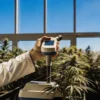
To perform sap testing, extract a small amount of sap from the plant’s stems using a specialized tool. This sample is then analyzed to determine the nutrient composition.
Like tissue testing, the results from sap testing should guide your nutrient adjustments. Regular monitoring helps maintain optimal conditions for your plants, preventing deficiencies or toxicities from taking hold.
Comparing Tissue Testing and Sap Testing
When it comes to tissue testing vs sap testing in cannabis, each method offers unique advantages. Tissue testing provides a historical view of nutrient absorption, while sap testing offers immediate insights.
Both methods are valuable tools in a grower’s arsenal. For example, using both methods in conjunction can be beneficial. Tissue testing can inform long-term nutrient strategies, while sap testing allows for quick adjustments, especially when growing high-demand strains like Z OG Auto.
Choosing the Right Method for Your Grow
The choice between tissue and sap testing depends on your specific needs and growing conditions. Consider factors such as the growth stage, strain characteristics, and your ability to make quick adjustments.
For growers who prefer a proactive approach, combining both methods can provide a comprehensive knowing of plant health. This dual strategy ensures you’re meeting your plants’ needs throughout their lifecycle.
FAQs about Tissue testing vs sap testing in cannabis
What are the benefits of tissue testing in cannabis cultivation?
Tissue testing offers a detailed look into the nutrient history of your cannabis plants. This method helps identify deficiencies and excesses in essential nutrients, allowing growers to adjust their feeding schedules accordingly. By knowing what nutrients your plants have absorbed, you can make informed decisions that enhance overall health and yield.
For example, if you’re cultivating strains like Mamba Negra, tissue testing can help ensure that nutrient absorption aligns with the plant’s growth requirements. This proactive measure helps prevent common issues such as nutrient lockout or deficiencies, ensuring your plants thrive.
How does sap testing provide immediate insights into plant health?
Sap testing analyzes the liquid within the plant’s stems, reflecting the current nutrient status. This real-time analysis allows growers to make quick corrections, ensuring that nutrient levels are optimal for plant growth. It’s particularly useful during critical growth phases when immediate interventions are necessary.
For fast-growing strains like Zombie Death Fuck, sap testing can be invaluable. By detecting imbalances before they become visible, growers can prevent setbacks and ensure a healthy, productive harvest.
Can you use both tissue and sap testing together?
Yes, combining both tissue and sap testing can provide a comprehensive knowing of your cannabis plants’ health. While tissue testing offers a historical perspective on nutrient absorption, sap testing provides immediate insights, allowing for timely interventions.
Using both methods can help you tailor your nutrient management strategy, ensuring your plants receive the right balance of nutrients throughout their lifecycle. This dual approach can be especially beneficial for demanding strains like Gorilla Sherbet, which require precise nutrient management.
How often should you perform tissue and sap testing?
The frequency of testing depends on your specific cultivation goals and the strains you’re growing. For most growers, conducting tissue testing at key growth stages, such as during the vegetative and flowering phases, is sufficient. This helps ensure that nutrient levels are aligned with the plants’ needs.
Sap testing can be conducted more frequently, especially during periods of rapid growth or when nutrient demands are high. Regular testing allows for quick adjustments, ensuring your plants remain healthy and productive.
What are the limitations of tissue and sap testing in cannabis?
While both testing methods offer valuable insights, they have limitations. Tissue testing provides a historical view, which may not reflect immediate nutrient needs. It’s important to consider current growth conditions and any recent changes in your nutrient regimen.
Sap testing, while providing real-time data, may require specialized tools and expertise to interpret results accurately. It’s essential to balance the insights gained from testing with observational skills and experience to make the best decisions for your grow.