The Impact of Drying Temperature on Terpene Retention in Cannabis

Drying temperature’s impact: The drying temperature effect on terpene retention VOCs is a critical factor in cannabis quality. Temperatures exceeding 70°F (21°C) can lead to terpene degradation, resulting in diminished flavor and potency. Cultivators can preserve essential volatile organic compounds (VOCs) by maintaining optimal drying conditions, ensuring a high-quality cannabis experience. This balance is crucial for preserving the aromatic and therapeutic properties of the plant.
Terpenes play a vital role in the aroma and therapeutic effects of cannabis. Maintaining the right drying temperature is essential for preserving these compounds. While temperatures above 70°F (21°C) can degrade terpenes, the optimal range is typically between 60°F and 70°F (15°C to 21°C). This ensures the preservation of the plant’s unique flavor profile and potency.
Recommended Strains

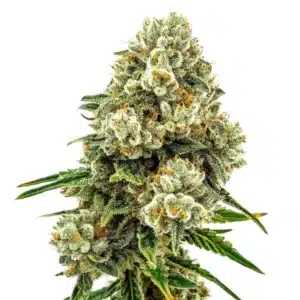
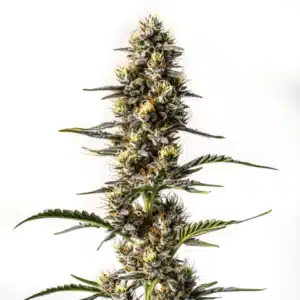
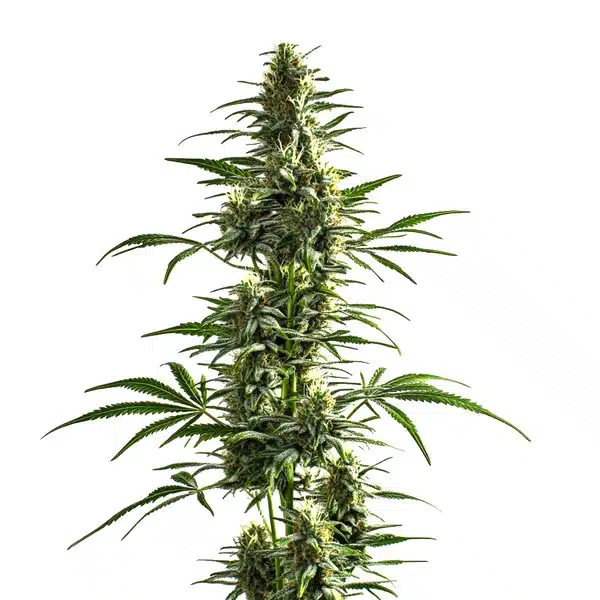
GG4

|
THC | 27% (High) |

|
Type | Feminized |

|
Yield | High |

|
Phenotype | 40% Indica / 60% Sativa |
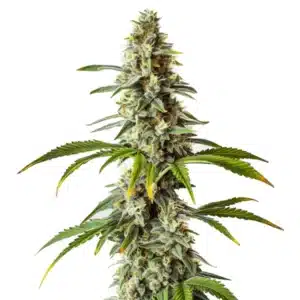
Lemon Haze Diesel
|
|
THC | 16% - 20% (Medium) |
|
|
Type | Feminized |
|
|
Yield | High |
|
|
Phenotype | 30% Indica / 70% Sativa |
Terpenes and VOCs in Cannabis
What Are Terpenes and VOCs?
Terpenes are aromatic compounds found in cannabis that contribute to its distinct scent and flavor. These compounds, along with volatile organic compounds (VOCs), interact with cannabinoids to enhance the plant’s effects. Common terpenes include myrcene, limonene, and caryophyllene, each offering unique sensory and physiological benefits. Knowing the drying temperature effect on terpene retention VOCs is also essential, as improper drying conditions can reduce terpene preservation and alter the plant’s overall aroma and potency.
Myrcene, for example, often ranges from 0.8% to 1.2% in strains like GG4, providing earthy and musky aromas while enhancing THC uptake. Limonene, found between 0.5% and 0.8%, offers citrus notes and mood-enhancing effects. Caryophyllene, at 0.4% to 0.7%, adds spicy, peppery flavors and interacts with CB2 receptors to reduce inflammation.
Importance of Terpenes in Cannabis Quality
The quality of cannabis is heavily influenced by its terpene profile. Terpenes not only define the aroma and flavor but also modulate the effects of cannabinoids. For instance, strains high in limonene might uplift mood, while those rich in myrcene may promote relaxation. This is why understanding the drying temperature effect on terpene retention VOCs is essential for growers aiming to preserve these delicate compounds during drying, maintain the desired effects, and improve overall consumer satisfaction.
Experienced growers emphasize the importance of controlling drying conditions to prevent terpene loss. By maintaining a relative humidity of 58-62% and a temperature range of 60°F to 70°F (15°C to 21°C), you can ensure that terpenes remain intact, preserving the plant’s full potential.
Promos & Deals
How Drying Temperature Affects Terpene Retention
Optimal Drying Temperatures for Terpene Preservation
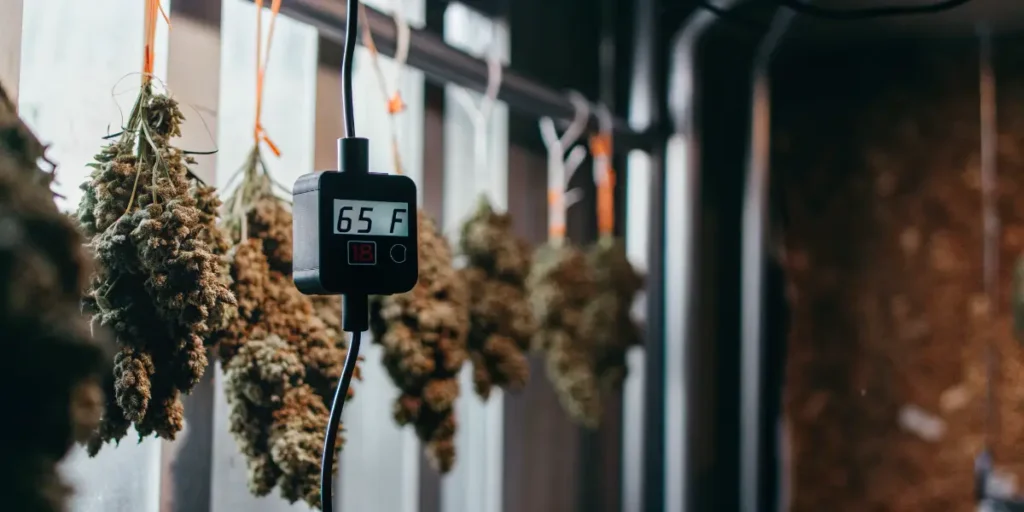
To preserve terpenes, it’s essential to dry cannabis at temperatures between 60°F and 70°F (15°C to 21°C). This range minimizes the risk of terpene evaporation and degradation, which can occur rapidly at higher temperatures. Maintaining this temperature ensures that the aromatic and therapeutic properties of the cannabis are retained.
In artisanal cultivation circles, it’s common knowledge that exceeding 70°F (21°C) can lead to a significant loss of terpenes, affecting the overall quality of the final product. Therefore, precise control over drying conditions is paramount for preserving the integrity of the plant’s profile.
Common Mistakes in Drying Cannabis
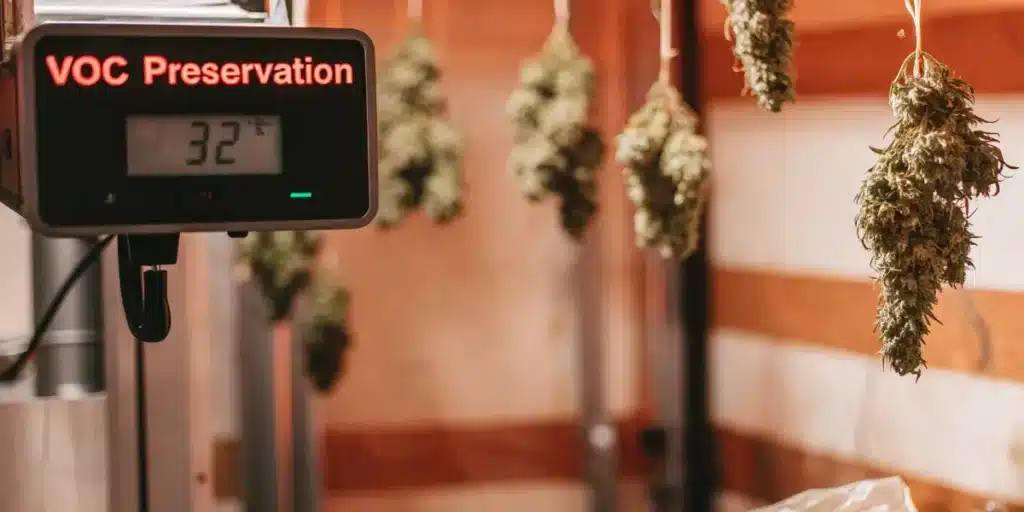
One of the most frequent mistakes is drying cannabis too quickly at high temperatures, which can result in terpene loss and harsh smoke. Another error is failing to monitor humidity levels, which should be kept at 58–62% to prevent mold while preserving terpenes, especially in aromatic strains like Lemon Haze Diesel.
Master growers recommend using a calibrated digital hygrometer to monitor these conditions accurately. Avoid using analog devices, as they can provide inaccurate readings, leading to suboptimal drying conditions.
Practical Tips for Preserving Terpenes During Drying
Equipment and Techniques for Optimal Drying
Using the right equipment is crucial for maintaining optimal drying conditions. A digital hygrometer and thermometer are essential tools for monitoring temperature and humidity. Additionally, employing a dehumidifier can help maintain the desired humidity levels, preventing mold growth and terpene loss.
Ensure proper air circulation in the drying space to prevent stagnant air, which can lead to uneven drying and potential mold issues. Fans should be used strategically to promote airflow without directly blowing on the cannabis, which can cause terpene evaporation.
Insights from GG4 Growers on Terpene Retention
In the case of GG4, growers have successfully preserved its rich terpene profile by maintaining a drying temperature of 65°F (18°C) and a relative humidity of 60%. This approach has been shown to retain the strain’s characteristic earthy and pungent aroma, enhancing its overall quality.
By following these guidelines, you can ensure that your cannabis retains its full terpene profile, providing a superior product that delights both the senses and the mind.
FAQs about drying temperature effect on terpene retention VOCs
What temperature destroys terpenes?
Terpenes begin to degrade at temperatures above 70°F (21°C). To preserve them, it’s crucial to maintain drying temperatures between 60°F and 70°F (15°C to 21°C). This range helps retain the aromatic and therapeutic properties of cannabis, ensuring the final product’s quality and potency.
How do you preserve terpenes when drying?
To preserve terpenes during drying, maintain temperatures between 60°F and 70°F (15°C to 21°C) and a relative humidity of 58-62%. Use a digital hygrometer to monitor conditions and ensure proper airflow to prevent mold growth while retaining the plant’s aromatic compounds.
Does VPD matter when drying?
Vapor pressure deficit (VPD) plays a crucial role in drying cannabis. Maintaining a VPD of 0.8-1.2 kPa ensures optimal moisture removal while preserving terpenes. Proper VPD management prevents over-drying, which can lead to terpene loss and a harsh smoking experience.
What temperature destroys cannabinoids?
Cannabinoids begin to degrade at temperatures above 77°F (25°C). To preserve their potency, drying should occur at temperatures between 60°F and 70°F (15°C to 21°C). This range helps maintain the plant’s full spectrum of cannabinoids and terpenes, ensuring a high-quality final product.
How does drying affect cannabis potency?
Drying significantly impacts cannabis potency by influencing terpene and cannabinoid retention. Proper drying at 60°F to 70°F (15°C to 21°C) preserves these compounds, maintaining the strain’s full therapeutic and sensory effects. Incorrect drying can lead to potency loss, affecting the overall experience.