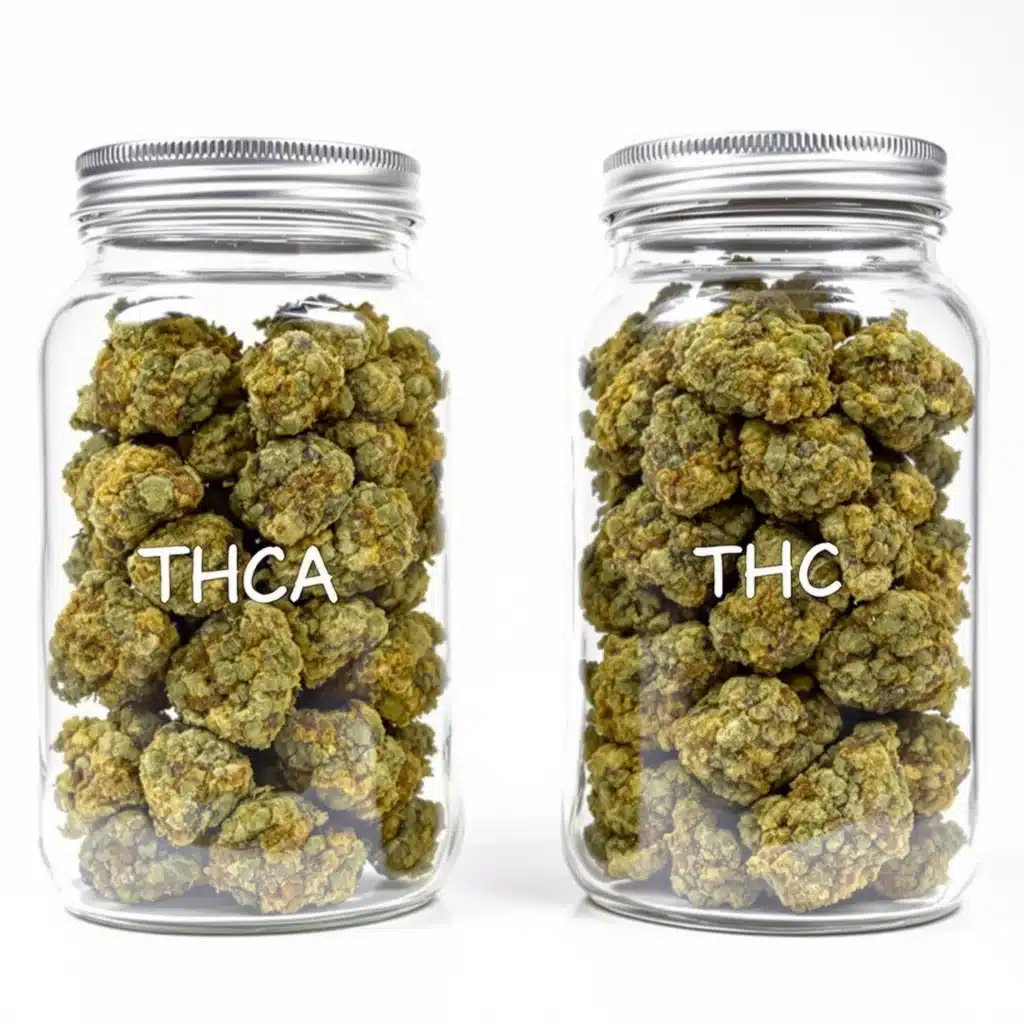
THCA Flower vs THC Flower: Key Differences

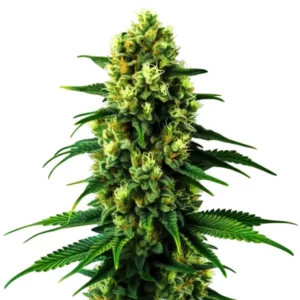
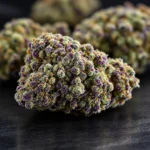
THCA, or tetrahydrocannabinolic acid, is the non-psychoactive precursor to THC found in raw cannabis. Upon heating, it transforms into active THC, which is psychoactive. THCA flower is legally classified as hemp if it contains less than 0.3% delta-9 THC, yet it matches THC flower in potency when smoked or vaped.
THCA and THC flowers differ in their chemical composition and effects. THCA flower offers a unique terpene profile, often featuring Myrcene at 0.5-1.0%, enhancing relaxation. Flowering time for THCA strains can range from 8-10 weeks, providing growers with a practical timeline for cultivation. This distinction highlights the versatility of THCA in both therapeutic and recreational contexts.
Recommended Strains
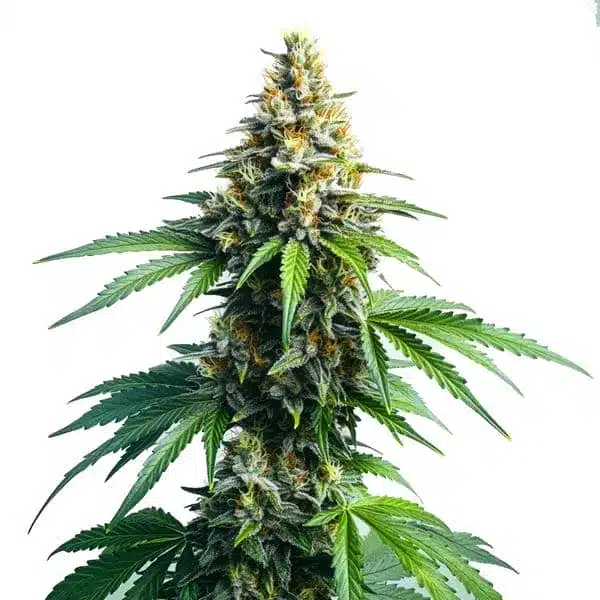
Afghan Kush

|
THC | 16% - 21% (Medium) |

|
Type | Feminized |

|
Yield | High |

|
Phenotype | 90% Indica / 10% Sativa |

Afghan Kush Regular
|
|
THC | 18% - 22% (Medium) |
|
|
Type | Regular |
|
|
Yield | Medium |
|
|
Phenotype | 90% Indica / 10% Sativa |
What is THCA and THC?
Chemical Composition and Effects
THCA and THC are cannabinoids found in cannabis plants, each with distinct chemical structures. THCA is an acidic compound that converts to THC through decarboxylation, a process triggered by heat. This conversion alters the molecular structure, enabling THC to bind to CB1 receptors in the brain, producing psychoactive effects. In contrast, THCA does not bind effectively to these receptors, remaining non-psychoactive.
THCA-rich strains often contain 25-30% THCA, while THC levels in decarboxylated flowers can reach similar percentages. The transformation impacts terpene profiles, with THCA retaining more delicate terpenes like Limonene, which contributes to citrus aromas and may enhance mood through serotonin receptor modulation.
During the decarboxylation process, the carboxyl group is removed from THCA, transforming it into THC. This chemical reaction is crucial for activating the psychoactive properties of cannabis. As the federal standard is moving to total THC, including THCA, knowing this conversion is increasingly important. The process is temperature-sensitive, requiring precise control to maximize conversion without degrading the cannabinoids.
Practical Application & Yield
Knowing the conversion of THCA to THC is crucial for maximizing yield and potency. Growers should maintain a temperature of 220°F (104°C) during decarboxylation to ensure complete conversion without degrading terpenes. This process can increase THC content by up to 30%, enhancing the flower’s psychoactive potential.
For optimal results, monitor the curing environment to maintain 58-62% RH, preserving terpene integrity. A common mistake is overheating, which can lead to terpene loss and reduced potency. Avoid temperatures above 240°F (115°C) to prevent cannabinoid degradation.
Proper curing and storage are essential for preserving the potency and flavor of both THCA and THC flowers. Maintaining the right humidity levels prevents mold growth and ensures the longevity of the flower’s active compounds. This step is critical for achieving the desired effects and maximizing the therapeutic benefits of cannabis.
| Feature | THCA Buds | THC Buds | Real Weed |
|---|---|---|---|
| Absorption Time | 5-10 minutes | 5-10 minutes | 5-10 minutes |
| Bioavailability | 15-30% | 30-50% | 15-50% |
| Duration | 2-3 hours | 2-4 hours | 2-4 hours |
| Peak Onset | 30 minutes | 30 minutes | 30 minutes |
| Effects | Non-psychoactive until heated | Psychoactive | Varies by strain |
Promos & Deals

THCA Flower vs THC Flower: Key Differences
Psychoactive Effects and Potency
THCA flower offers a non-psychoactive experience until decarboxylated, appealing to users seeking therapeutic benefits without a high. In contrast, THC flower delivers immediate psychoactive effects, making it popular among recreational users. THCA’s conversion to THC can result in a potency increase of up to 30%, depending on the strain and decarboxylation process.
For example, strains like GG4 can reach THC levels of 28-32% post-decarboxylation. This transformation enhances the entourage effect, where cannabinoids and terpenes like Caryophyllene (0.4-0.7%) work synergistically to enhance mood and relaxation.
The entourage effect is a critical concept in cannabis pharmacology. It suggests that the combined effects of cannabinoids and terpenes can amplify the therapeutic benefits of cannabis. This synergy is particularly evident in THC flower, where the presence of multiple compounds enhances its psychoactive and therapeutic properties.
Medical and Recreational Benefits
THCA flower is favored for its anti-inflammatory and neuroprotective properties, providing relief without intoxication. It is ideal for managing conditions like arthritis and muscle soreness. Conversely, THC flower is sought after for its euphoric effects, aiding in mood enhancement and creativity.
Choosing between THCA and THC flower depends on your goals. If you seek therapeutic relief without cognitive impairment, THCA is optimal. For a more traditional cannabis experience, THC flower offers a potent psychoactive journey.
The choice between THCA and THC flower also depends on the desired duration of effects. THCA provides a more prolonged therapeutic effect without psychoactivity, while THC offers a shorter, more intense experience. This distinction is crucial for users seeking specific outcomes from their cannabis use.
How to Choose Between THCA and THC Flower
Considerations for Medical Use
When selecting a flower for medical use, consider the cannabinoid profile and desired effects. THCA flower provides non-psychoactive benefits, making it suitable for daytime use. Its anti-inflammatory properties are beneficial for conditions requiring consistent symptom management without cognitive disruption.
For medical users, strains like Sour Diesel with 25-27% THCA offer therapeutic benefits without the high. The presence of Limonene (0.5-1.0%) enhances mood and supports stress relief, making it a versatile option for various conditions.
The anti-inflammatory effects of THCA are mediated through its interaction with the body’s endocannabinoid system. By modulating immune responses, THCA can reduce inflammation and pain, providing significant relief for chronic conditions. This mechanism is a key factor in its therapeutic potential.
Recreational Preferences
Recreational users often prefer THC flower for its immediate psychoactive effects. Strains like Skunk 1, with THC levels reaching 20-24%, provide a classic cannabis experience. The presence of terpenes like Myrcene (0.8-1.2%) enhances the euphoric effects and promotes relaxation.
When choosing between THCA and THC flower, consider your desired experience. THCA offers flexibility, allowing you to enjoy non-intoxicating benefits or a high when activated. THC flower provides a more traditional recreational experience, ideal for unwinding and enhancing creativity.
The recreational appeal of THC flower is largely due to its ability to enhance sensory perception and creativity. This effect is linked to its interaction with the brain’s reward system, releasing dopamine and creating feelings of euphoria and pleasure.
Professional Tips for THCA and THC Flower
- Maintain 58-62% RH during curing to preserve terpene profiles. Below 55% arrests terpene development; above 65% risks mold growth.
- Decarboxylate at 220°F (104°C) for optimal THCA to THC conversion. Higher temperatures degrade cannabinoids and terpenes.
- Use strains with high Myrcene content (0.8-1.2%) to enhance THC uptake and relaxation.
- Store flower in dark, cool places at 59-70°F (15-21°C) to extend shelf life and maintain potency.
- Blend THCA and THC flowers to customize effects, balancing therapeutic and psychoactive benefits.
- Monitor nutrient levels, maintaining N:P:K ratios of 3:1:2 in vegetative and 1:3:2 in flowering stages for optimal growth.

FAQs About THCA and THC Flowers
Is THCa the same high as THC?
No, THCA itself is non-psychoactive. It must be converted to THC through decarboxylation to produce a high. This process involves heating the THCA flower to activate its psychoactive properties, resulting in effects similar to THC flower. Typically, THC levels can reach 25-30% after conversion.
Will THCa flower get you stoned?
THCA flower alone will not get you stoned unless it is decarboxylated. This process involves heating the flower to convert THCA into THC, which is psychoactive. Once activated, it can produce effects similar to THC flower, with potency levels reaching 28-32% THC.
Is THCa flower as good as dispensary flower?
THCA flower can be as effective as dispensary THC flower when properly decarboxylated. It offers flexibility, allowing users to enjoy non-psychoactive benefits or activate it for a traditional high. Quality depends on cultivation practices, with THCA levels typically ranging from 25-30%.
Do you get stoned from THCa?
You do not get stoned from THCA alone. It requires decarboxylation to convert into THC, which is psychoactive. Once converted, it can produce similar effects to THC flower, with potency reaching 28-32% THC. This process is essential for experiencing a high.
How do you consume THCA and THC flowers?
Both THCA and THC flowers can be consumed through smoking, vaping, or edibles. Smoking and vaping provide immediate effects, while edibles offer a delayed onset. Bioavailability varies, with vaping offering 30-50% and edibles 4-20%. Decarboxylation is necessary for THCA to become psychoactive.