Strategies to Accelerate Cannabis Harvest Time

Faster Harvest with Light Cycles: Optimizing cannabis growth conditions can significantly reduce harvest time. By adjusting light cycles, such as implementing a 12/12 schedule, growers can expedite flowering by up to 20%. Managing nutrients and monitoring trichome development are also crucial strategies. These methods ensure a quicker harvest without sacrificing quality, allowing cultivators to achieve efficient results.
To speed up cannabis harvests, focus on terpene profiles and flowering durations. Terpenes like myrcene and limonene not only influence aroma but can also signal plant maturity. By knowing these elements, you can optimize flowering times, which typically range from 8 to 10 weeks. This knowledge helps in achieving faster harvests while maintaining potency and flavor.
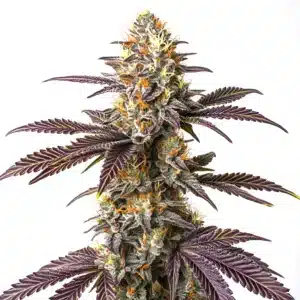
Recommended Strains

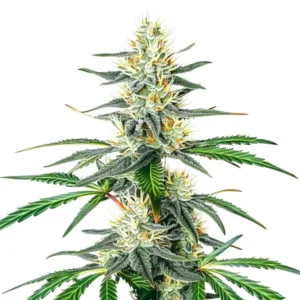
Critical Jack

|
THC | 20% (Medium) |

|
Type | Feminized |

|
Yield | High |

|
Phenotype | 40% Indica / 60% Sativa |

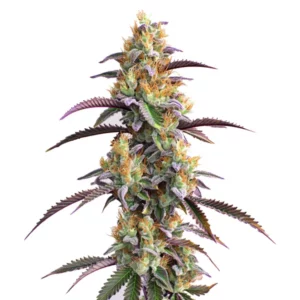
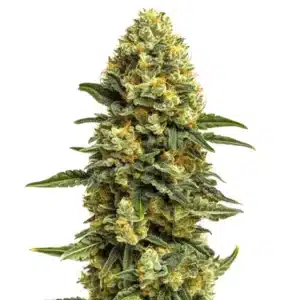
Blueberry
|
|
THC | 15% - 24% (High) |
|
|
Type | Feminized |
|
|
Yield | High |
|
|
Phenotype | 80% Indica / 20% Sativa |
Cannabis Growth Stages
From Seedling to Harvest
Cannabis plants undergo several growth stages, beginning with the seedling phase, which lasts about 2 to 3 weeks. During this time, maintaining a temperature of 68°F to 77°F (20°C to 25°C) is crucial for healthy development. As the plant matures, it enters the vegetative stage, which can last 4 to 8 weeks, depending on the strain and environmental conditions.
The flowering stage is where the magic happens, typically lasting 8 to 10 weeks. For Sativa strains, this period might extend to 12 weeks. Monitoring environmental factors such as light intensity, which should be around 800-1000 µmol/m²/s, can significantly impact the plant’s growth rate and yield.
Sativa Harvest Time
Sativa strains often require longer flowering periods, sometimes up to 12 weeks. This extended time allows for the full development of cannabinoids and terpenes, crucial for the desired effects. Cultivators should adjust their expectations and timelines accordingly, ensuring they provide adequate nutrients and light to support this extended growth phase.
Experienced growers report that maintaining a consistent light schedule and nutrient regimen during the flowering stage is essential for maximizing the potential of Sativa strains. This approach not only enhances yield but also improves the overall quality of the harvest.
Promos & Deals

Strategies to Accelerate Cannabis Harvest Time
Adjusting Light Cycles
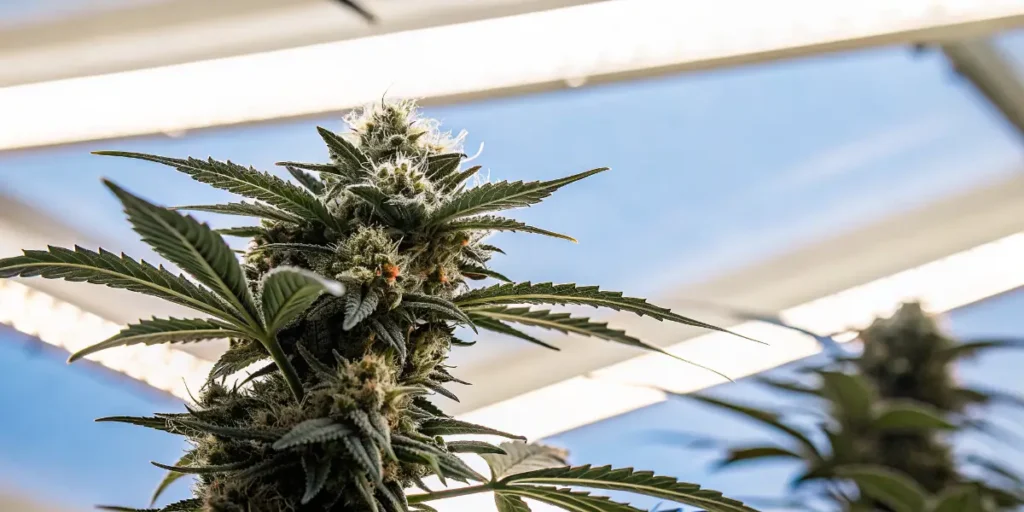
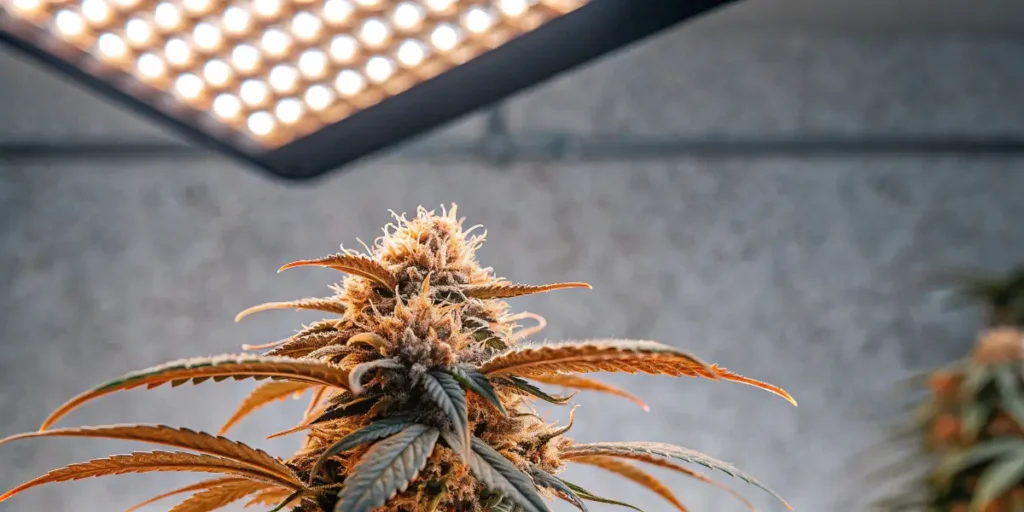
Implementing a 12/12 light cycle can expedite the flowering phase by up to 20%. This technique involves providing 12 hours of light and 12 hours of darkness, which signals the plant to start flowering. Many cultivators share that this method is particularly effective for photoperiod strains, as it mimics natural seasonal changes.
To maximize the benefits of light cycle adjustments, ensure your lighting system delivers a consistent intensity of 800-1000 µmol/m²/s. This level of light intensity supports robust flowering, leading to a quicker harvest without compromising quality.
Nutrient Management for Faster Growth
Proper nutrient management is key to accelerating cannabis growth. During the vegetative stage, a nutrient ratio of N:P:K 3:1:2 is recommended, while the flowering stage benefits from a 1:3:2 ratio. This balance supports optimal growth and development, leading to a faster harvest.
Master growers have pointed out that over-fertilization can delay flowering and reduce yield. Monitoring the electrical conductivity (EC) of your nutrient solution, ideally between 1.2 to 2.0 mS/cm, helps prevent nutrient burn and ensures plants receive the right amount of nutrients.
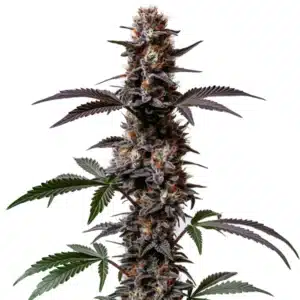
| Feature | GG4 | Blueberry | Critical Jack |
|---|---|---|---|
| THC Content | 27% | 18-24% | 20% |
| Flowering Time | 8-10 weeks | 8-10 weeks | 8-10 weeks |
| Yield Indoor | 1.64 – 1.97 oz/ft² | 500 – 600 g/m² | 1.64 oz/ft² | 500 g/m² | 2.13 oz/ft² | 650 g/m² |
| Dominant Terpene | Humulene | Myrcene | Gamma Terpinene |
| Effect | Happy, Relaxed, Talkative | Calming, Happy, Relaxed | Energetic, Focused, Relaxed |
Best Practices for Harvesting Cannabis
Best Time to Harvest Cannabis Day or Night
Many cultivators share that the best time of day to harvest cannabis is during the early morning. This is when the plant’s terpene levels are at their peak, enhancing flavor and aroma. Harvesting during this time also helps preserve the plant’s cannabinoids, ensuring maximum potency.
However, harvesting at night can also be beneficial, as it reduces the risk of terpene evaporation due to lower temperatures. This method is particularly useful in warmer climates where daytime temperatures can exceed 77°F (25°C).
Pictures of Trichomes Ready for Harvest
Identifying the right time to harvest based on trichomes is crucial. Trichomes should appear milky white with some turning amber, indicating peak cannabinoid levels. A trichomes harvest chart can be an invaluable tool, providing a visual reference to ensure optimal timing.
Growers often use magnifying tools, like a jeweler’s loupe, to closely inspect trichomes. This practice helps avoid premature harvesting, which can lead to reduced potency and flavor.
Drying and Curing Techniques
How to Harvest Cannabis and Dry It Indoors
Once harvested, cannabis should be dried in a controlled environment with 50-60% relative humidity and temperatures between 60°F-70°F (15°C-21°C). This process typically takes 7-10 days, allowing the plant to slowly release moisture while preserving terpenes.
Proper air circulation is essential to prevent mold growth. Using fans to gently move air around the drying area can help maintain consistent conditions, ensuring a successful drying process.
When to Harvest Cannabis Based on Trichomes
Trichomes are the best indicators of when to harvest cannabis. As they transition from clear to milky, and finally to amber, they signal different stages of cannabinoid maturity. Harvesting when trichomes are mostly milky with some amber can maximize THC content and ensure a balanced effect.
Experienced growers report that waiting too long can lead to a more sedative effect due to increased CBN levels as THC degrades. Monitoring trichomes closely ensures you capture the desired potency and effect.
Professional Tips for Accelerating Harvest
- Maintain 12/12 light cycle for photoperiod strains. This mimics natural light changes, promoting faster flowering.
- Use a nutrient ratio of N:P:K 1:3:2 during flowering. This supports bud development and accelerates maturity.
- Monitor trichomes with a jeweler’s loupe. Harvest when they are milky white for optimal potency.
- Ensure drying environment is 60°F-70°F (15°C-21°C) with 50-60% RH. This prevents mold and preserves terpenes.
- Consider harvesting top buds first to allow lower buds more time to mature, optimizing yield.
- Use a trichomes harvest chart for visual guidance. This helps in timing the harvest accurately.
Frequently Asked Questions
What are the best strategies to accelerate cannabis harvest time?
To accelerate cannabis harvest time, adjust light cycles to a 12/12 schedule, manage nutrients with a 1:3:2 N:P:K ratio during flowering, and monitor trichomes closely. These techniques can reduce flowering time by up to 20%, ensuring a quicker harvest without sacrificing quality.
How does light cycle adjustment affect cannabis growth?
Adjusting light cycles, such as using a 12/12 schedule, signals plants to enter the flowering phase, expediting growth. This method can reduce flowering time by up to 20%, enhancing yield efficiency. Consistent light intensity of 800-1000 µmol/m²/s is crucial for optimal results.
What is the best time of day to harvest cannabis?
The best time to harvest cannabis is early morning, when terpene levels are highest, enhancing flavor and potency. Alternatively, harvesting at night can reduce terpene evaporation in warmer climates, preserving the plant’s aromatic profile.
How can I tell if my trichomes are ready for harvest?
Trichomes are ready for harvest when they appear milky white with some turning amber. This indicates peak cannabinoid levels. Using a magnifying tool, like a jeweler’s loupe, helps ensure accurate timing, maximizing THC content and desired effects.
What are the benefits of harvesting top buds first?
Harvesting top buds first allows lower buds more time to mature, optimizing overall yield. This technique ensures that all parts of the plant reach peak potency, enhancing both quality and quantity of the harvest.