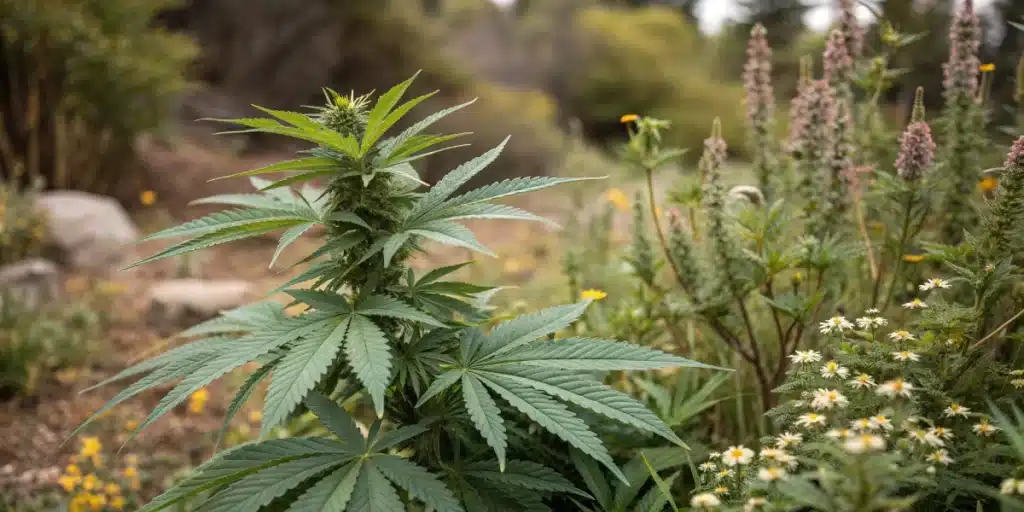
Secret Outdoor Grow: Hide Your Cannabis Plants in Plain Sight

Quick Summary: Achieve a successful secret outdoor grow by prioritizing South-facing orientation for maximum DLI, utilizing autoflowering genetics for low profiles, and implementing “olfactory camouflage” with terpene-rich companion plants. Use water-retaining polymers and LST techniques to ensure high yields and total discretion.
Secret Outdoor Grow: Choosing a Stealthy Location with Optical Precision
Executing a secret outdoor grow requires more than just hiding a plant behind a bush; it demands a deep understanding of botanical science and environmental manipulation. To successfully cultivate in plain sight, you must manage the plant’s biological signals, specifically its response to light (phototropism) and its emission of volatile organic compounds (VOCs). A truly integrates the plant into the local ecosystem so effectively that it becomes invisible to both the naked eye and the nose.
Recommended Strains
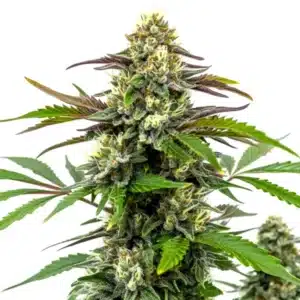
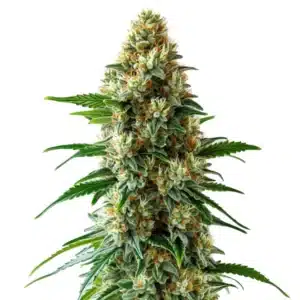
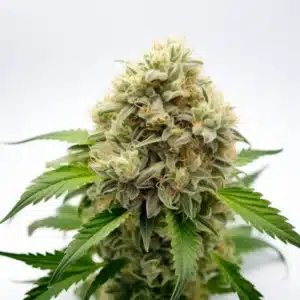
Bubble Gum Sherb

|
THC | 30% - 32% (High) |

|
Type | Feminized |

|
Yield | High |

|
Phenotype | 70% Indica / 30% Sativa |
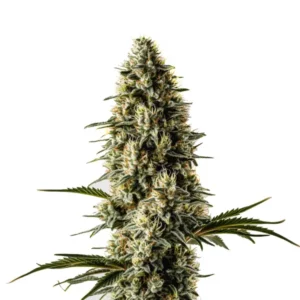
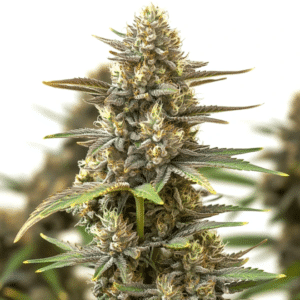
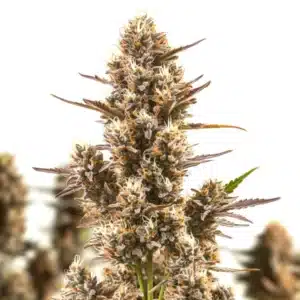
Bubblegum
|
|
THC | 13% - 25% (Medium) |
|
|
Type | Feminized |
|
|
Yield | Medium |
|
|
Phenotype | 50% Indica / 50% Sativa |
Technically, the success of a stealth outdoor grow ideas strategy hinges on the Daily Light Integral (DLI). Cannabis is a high-light-demand species, requiring significant PAR (Photosynthetically Active Radiation) to produce dense, resinous trichomes. However, high-visibility areas often lack the privacy needed. The elite cultivator solves this by using “Low Stress Training” (LST) to keep the canopy horizontal, mimicking the growth habit of creeping groundcovers or ornamental shrubs rather than the classic Christmas-tree shape associated with Cannabis sativa.
Promos & Deals
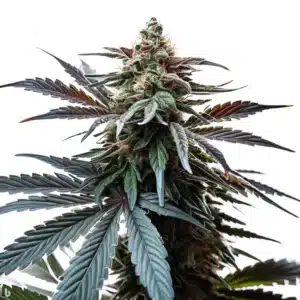
The Solar Path and Southern Orientation
In the Northern Hemisphere, your secret outdoor grow must be oriented as far South as possible. This is not just a suggestion; it is a metabolic necessity. Plants placed on Northern slopes or behind dense tree lines often suffer from etiolation a process where the plant stretches its internodes in search of light. This makes the plant tall, thin, and highly visible, defeating the purpose of a hidden outdoor grow. By maximizing Southern exposure, you ensure the plant receives the full spectrum of the sun, allowing for shorter, tighter node spacing which is inherently easier to camouflage.
Furthermore, proximity to a natural or hidden water source is vital. Moving large quantities of water manually creates “trails” that are easily spotted from the air or by hikers. A professional trick is to mix the substrate with cross-linked polyacrylamide polymers (hydrogels). These polymers act as miniature water reservoirs, absorbing up to 400 times their weight in water and releasing it during dry spells. This reduces the frequency of maintenance visits, further lowering the risk of exposing your stealth outdoor grow ideas.
Soil Microbiome and Stealth Nutrition
Nutrition in a secret outdoor grow should avoid synthetic fertilizers that can cause mineral salt buildup and “burning” of leaf tips, which makes the plant stand out as an anomaly in the landscape. Instead, focus on a high-P/K organic amendment strategy during the flowering phase (Ratios like 2-8-4). Introducing mycorrhizal fungi into the rhizosphere enhances nutrient uptake efficiency, allowing the plant to remain robust and healthy without the tell-tale vibrant neon-green hue often produced by excessive nitrogen, which can look suspicious among native, duller-colored flora.
Technical Comparison: Stealth Genetics and Cultivation Methods
| Feature | Autoflowering | Photoperiod | Industrial Hemp |
|---|---|---|---|
| Average Height | 30 – 100 cm | 150 – 400 cm | 200 – 500 cm |
| Flowering Trigger | Age (Independent of Light) | Photoperiod (12/12 Shift) | Seasonal Shift |
| Odor Intensity | Low to Medium | High (Terpene Heavy) | Moderate |
| Harvest Window | 8 – 10 Weeks from Seed | 4 – 7 Months | 5 – 6 Months |
| Metabolic Cycle | Continuous (18/6 or 20/4 equivalent) | Vegetative vs. Generative | Vigorous Vegetative |
| Stealth Rating | Highest (Compact) | Low (Requires massive LST) | High (Visual Mimicry) |
Secret Outdoor Grow: Camouflaging Terpenes and Visual Cues
Olfactory Stealth and the Entourage Effect
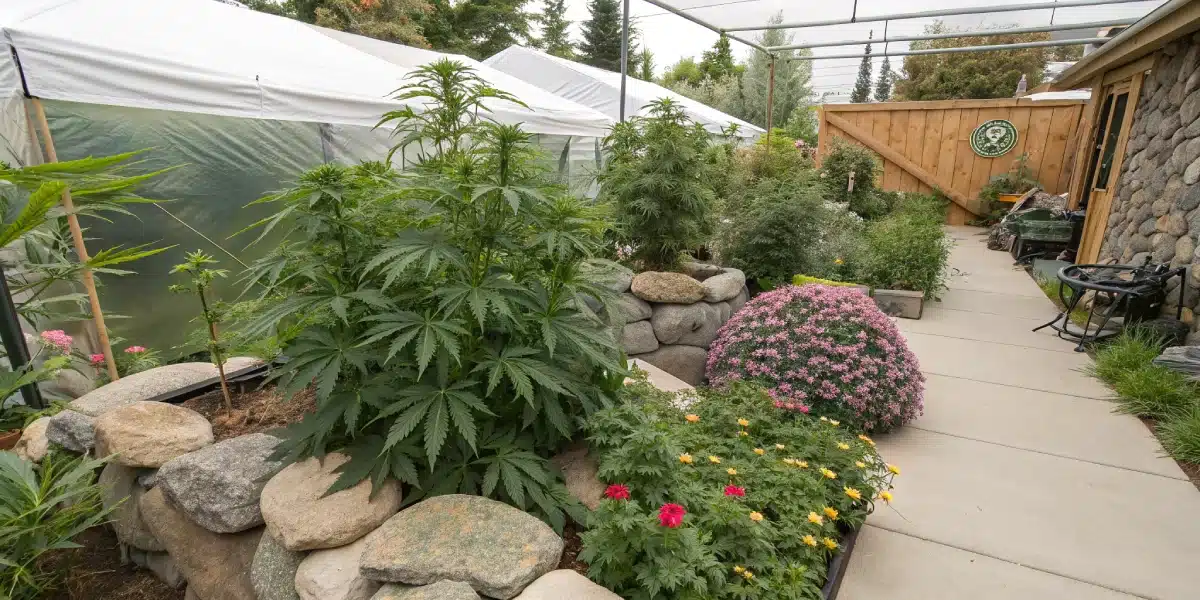
The most dangerous giveaway of a hidden outdoor grow is the scent. Cannabis produces monoterpenes like Myrcene (earthy/clove) and Limonene (citrus), which can travel long distances on the wind. To combat this, elite growers utilize “companion planting” with a technical focus. Planting Lavandula (Lavender) or Rosmarinus officinalis (Rosemary) around the perimeter creates an olfactory barrier. Lavender contains high levels of Linalool, a terpene also found in cannabis, which helps “blur” the scent profile, making it difficult for an untrained nose to identify the specific presence of cannabis.
In addition to masking, the terpene interaction known as the “Entourage Effect” extends beyond the user to the garden itself. High-terpene companion plants repel common pests like spider mites and fungus gnats, which are attracted to the succulent growth of cannabis. A secret outdoor grow that remains pest-free avoids the yellowing and leaf spotting that can draw visual attention to an otherwise well-hidden plant.
Visual Deception: The “Fruit” Trick
A classic hidden outdoor grow trick involves physical mimicry. For plants that are taller than desired, cultivators often hang realistic-looking plastic tomatoes or peppers from the cannabis branches. From a distance or from an aerial view, the plant’s profile shifts from “prohibited herb” to “backyard vegetable garden.” This simple psychological redirection is incredibly effective for stealth outdoor grow ideas, as the human brain is trained to recognize shapes and colors (like a red tomato) before it recognizes specific leaf serration patterns.
Professional Tips for the 10-Year Veteran Grower
- Thermal Masking: If using a small portable greenhouse, use “anti-detection” barrier foil to block infrared signatures, though this is primarily for high-tech surveillance.
- Bending over Topping: Never “top” (cut the main stem) too late in the season. Instead, use extreme bending to keep the hidden outdoor grow below fence level. Topping creates an open wound that can lead to Botrytis (bud rot) in humid outdoor conditions.
- Reflective Mulching: Use “red mulch” or straw to reflect specific light spectra back into the lower canopy. This increases lower bud density without needing to prune away protective “fan” leaves.
- Polymer Hydration: Pre-soak your polymers in a nutrient solution (low-dose NPK) before mixing them into the soil. This creates a “slow-release” feeding system that lasts weeks.
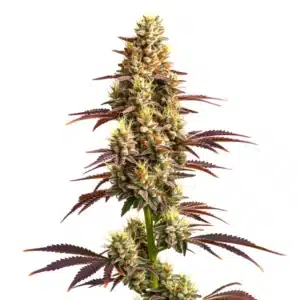
- Genetic Selection: Choose “Purple” or “Blue” phenotypes. These colors are less associated with “marijuana” by the general public than the classic bright green.
FAQs about Secret Outdoor Grow
How do I manage the height of my hidden outdoor grow?
The most effective way to manage height in a secret outdoor grow is through a combination of genetics and LST (Low Stress Training). By selecting autoflowering seeds, you are working with Cannabis ruderalis genetics, which naturally stay below 1 meter. If using photoperiod plants, tie the main apical meristem horizontally to a stake early in the vegetative stage to force lateral growth.
What is the best way to hide the smell in a backyard hidden outdoor grow?
Olfactory camouflage is achieved by planting highly aromatic herbs like mint, basil, and lavender. These plants produce similar terpenes to cannabis, such as Caryophyllene and Pinene. In a secret outdoor grow, these scents overlap and create a “herbal noise” that masks the distinct musk of flowering cannabis, especially during high-humidity periods when the smell is strongest.
Is a secret outdoor grow viable in colder climates?
Yes, but it requires a “fast version” or autoflower approach. In a stealth outdoor grow ideas context for cold regions, you must harvest before the first frost triggers Botrytis. Using black containers or dark mulches can help absorb heat from the sun to keep root zone temperatures within the optimal 18-24°C range, even when the air temperature drops.