Proven Ways Light & Temperature Affect Brix in Cannabis Growth

Cannabis cultivators are always on the hunt for ways to boost their crop’s quality. An often-overlooked factor is the Brix level, which measures the sugar content in plant sap. High Brix levels indicate healthy, vibrant plants with better resistance to pests and diseases. But how light and temperature affect Brix in cannabis is the real question. By knowing these elements, growers can optimize their yields and quality.
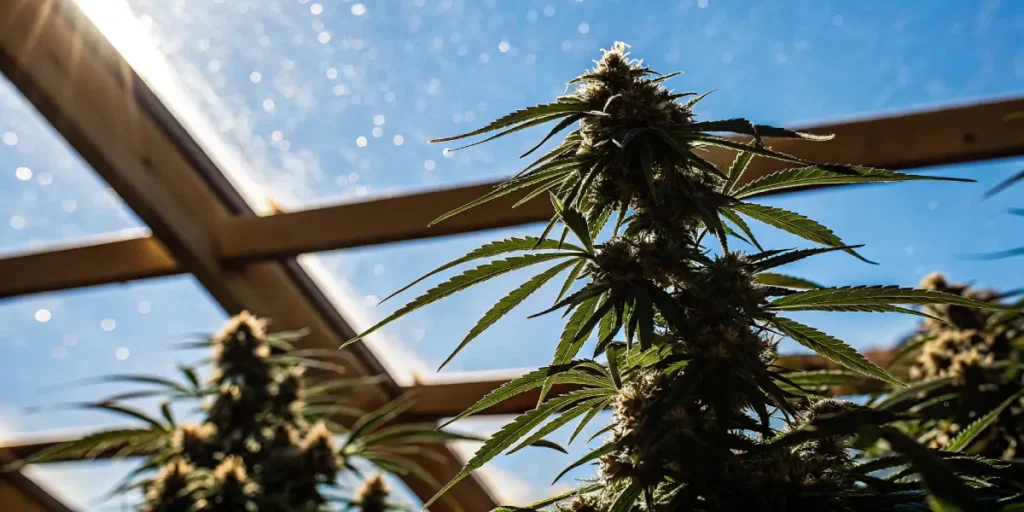
Light intensity plays a crucial role in photosynthesis, the process by which plants convert light into energy. In cannabis, this directly impacts Brix levels. When light intensity is optimized, plants can produce more sugars, increasing their Brix measurements. However, too much light can stress the plants, leading to lower Brix levels. Therefore, it’s vital to balance light exposure.
Recommended Strains

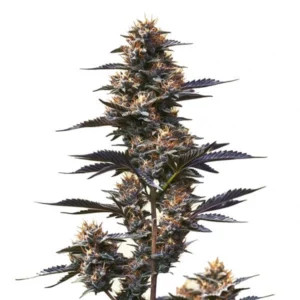
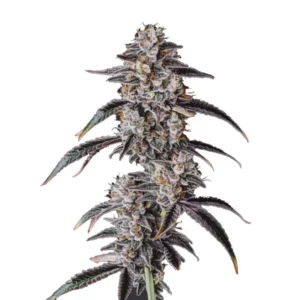
Blackberry Moonrocks

|
THC | 26% - 33% (High) |

|
Type | Feminized |

|
Yield | High |

|
Phenotype | 80% Indica / 20% Sativa |
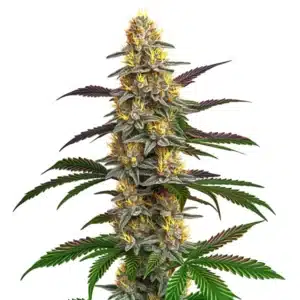
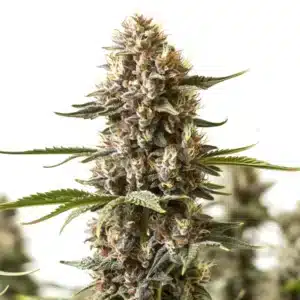
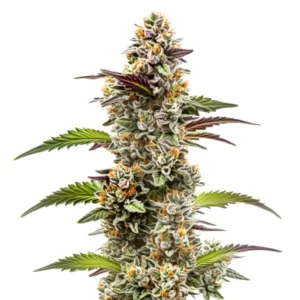
Strawberry Banana
|
|
THC | 17% - 23% (Medium) |
|
|
Type | Feminized |
|
|
Yield | Medium |
|
|
Phenotype | 70% Indica / 30% Sativa |
Temperature, on the other hand, affects cannabis metabolism. Warmer temperatures can boost growth rates, but extremes can be harmful. By maintaining an optimal temperature range, growers ensure that their cannabis plants efficiently produce sugars, enhancing Brix levels. Knowing the relationship between temperature and Brix in cannabis growth is key to producing top-quality plants.
Light Intensity and Cannabis Brix Levels
The impact of light intensity on cannabis Brix levels cannot be overstated. Light is the driving force behind photosynthesis, and without sufficient light, plants cannot produce the sugars necessary for high Brix levels. It’s a balancing act; too little light and growth slows, too much and you risk light burn.
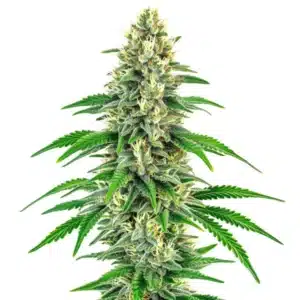
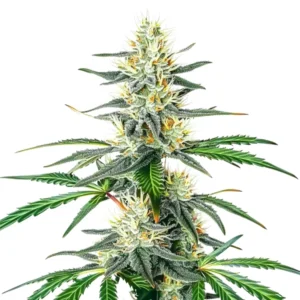
By ensuring your cannabis receives the right amount of light, you can significantly increase Brix levels. For instance, strains like GG4 from Blimburn Seeds respond well to moderate light intensities. This strain thrives under careful light management, showing noticeable improvements in sugar content and overall plant health.
Knowing the impact of light intensity on cannabis Brix levels is essential for any grower looking to optimize their crop. Light not only affects the rate of photosynthesis but also influences the plant’s overall energy balance. By fine-tuning light exposure, growers can manipulate how light and temperature affect Brix in cannabis, leading to healthier plants with robust sugar production.
Moreover, the cannabis Brix variation with light and heat is an area of ongoing research. As different strains have unique requirements, experimenting with various light intensities can help identify the perfect balance for each. Tailoring light conditions to match the specific needs of your cannabis strain can result in higher Brix levels and superior plant quality.
Optimizing Light for Maximum Brix
To optimize Brix in cannabis through light and temperature, start by selecting the right light spectrum. Full-spectrum lights mimic natural sunlight, providing plants with the energy they need to produce sugars effectively. Position your lights at the correct distance to avoid burning while maximizing exposure.
Implementing a light schedule that mimics natural day and night cycles can also enhance Brix levels. For example, during the flowering stage, reducing light exposure to 12 hours can encourage plants to focus energy on sugar production, thus increasing Brix.
Another critical aspect of optimizing Brix in cannabis through light and temperature is adjusting the duration and intensity of light exposure to suit the growth stage. During the vegetative phase, longer light periods promote vigorous growth, while shorter periods during flowering help concentrate energy on sugar accumulation. This strategic approach ensures maximum Brix development.
Besides to the light spectrum, the type of lighting technology used can influence Brix levels. LEDs, HPS, and other options offer distinct advantages. Experimenting with different setups can help determine the best combination for your plants. By knowing how light and temperature affect Brix in cannabis, you can enhance your growing practices for superior results.
Promos & Deals


Temperature’s Influence on Cannabis Sugar Content
Temperature influence on cannabis sugar content is another critical factor. Cannabis plants prefer a stable temperature range of 70-85°F (21-29°C) during the day and slightly cooler at night. This range supports metabolic processes that are vital for sugar production.
High temperatures can lead to stress, reducing the plant’s ability to produce sugars. Conversely, too-cold conditions slow down metabolism. The goal is to maintain a steady environment that supports growth without causing undue stress on the plants.
The relationship between temperature and Brix in cannabis growth is pivotal for achieving high-quality yields. Maintaining optimal temperatures ensures that enzymatic activities and metabolic rates remain at levels conducive to sugar accumulation. By controlling temperature, growers can significantly impact Brix levels and overall plant health.
Temperature fluctuations can pose a substantial risk to cannabis Brix levels. Sudden shifts in temperature can shock plants, leading to reduced sugar production and increased susceptibility to pests. Adopting a proactive approach to temperature management can help mitigate these risks and promote consistent Brix development.
Managing Temperature for Optimal Brix
To maintain the ideal temperature, invest in a good climate control system. This allows you to adjust temperatures according to the needs of your plants. During hot summer months, ensure adequate ventilation and consider using fans to prevent heat stress.
During colder months, using heaters can help maintain the necessary warmth for cannabis growth. Ensure that temperature fluctuations are minimal to avoid shocking your plants, which can negatively impact Brix levels.
Effective temperature management involves more than just adjusting heating and cooling systems. Monitoring humidity levels is also crucial, as humidity interacts with temperature to affect plant transpiration and sugar production. Keeping humidity within an optimal range can further enhance cannabis Brix levels.
By knowing how light and temperature affect Brix in cannabis, growers can devise strategies to maintain the perfect balance for their plants. Investing in reliable temperature control technology and regularly monitoring environmental conditions can lead to substantial improvements in Brix levels and overall plant vitality.
Practical Tips for Enhancing Brix in Cannabis
Enhancing Brix in cannabis involves monitoring and adjusting both light and temperature. Start by selecting strains known for high Brix levels, such as GG4, Blackberry Moonrocks, and Strawberry Banana from Blimburn Seeds. These strains, when grown under optimal conditions, naturally produce higher sugar levels.
- Regularly monitor light intensity and adjust as needed.
- Maintain consistent temperature ranges suitable for your specific strain.
- Use quality grow lights that provide full-spectrum lighting.
- Employ climate control systems to manage temperature effectively.
- Track Brix levels using a refractometer to gauge plant health.
By following these tips, growers can significantly enhance their cannabis plant’s sugar content, resulting in higher Brix levels and better overall quality.
Another essential tip for enhancing Brix levels is to ensure that your plants receive adequate nutrients. Proper fertilization supports healthy growth and sugar production. Combining nutrient management with precise light and temperature control can maximize Brix levels and yield superior cannabis crops.
Growers should also consider the influence of stress on Brix levels. While some stress can stimulate sugar production, excessive stress can be detrimental. Balancing environmental factors to avoid undue stress will contribute to stable Brix levels and healthier plants.
FAQs about How Light and Temperature Affect Brix in Cannabis
What is the ideal Brix level for cannabis plants?
Ideal Brix levels for cannabis can vary depending on the strain. Generally, a Brix level above 12 is considered good, indicating healthy plants with high sugar content. Measuring Brix levels regularly can help you track the health and quality of your cannabis plants.
To maintain or increase Brix levels, focus on providing balanced light and temperature conditions. Strains like GG4 from Blimburn Seeds have shown positive responses to optimized growing environments, resulting in higher Brix readings.
Monitoring Brix levels is crucial for assessing the health and productivity of your cannabis plants. Regular measurements enable growers to make informed adjustments to their cultivation practices, ensuring that light and temperature conditions remain conducive to high Brix levels.
Knowing how light and temperature affect Brix in cannabis is key to achieving the ideal balance for your plants. By focusing on environmental optimization, growers can consistently reach desired Brix levels, resulting in high-quality cannabis with superior taste and potency.
How does light spectrum affect Brix levels?
The light spectrum plays a significant role in photosynthesis, thus affecting Brix levels in cannabis. Full-spectrum lights are ideal as they provide a range of wavelengths similar to natural sunlight, promoting efficient sugar production.
Different stages of cannabis growth may require specific light spectrums. During the vegetative stage, blue light promotes leafy growth, while red light in the flowering stage encourages bud development. Adjusting light spectrums can help optimize Brix levels throughout the growth cycle.
The selection of the appropriate light spectrum is a vital component of optimizing Brix in cannabis through light and temperature. By tailoring the spectrum to the growth phase, growers can enhance photosynthetic efficiency and sugar production, leading to higher Brix levels.
Experimentation with various light spectra can reveal the optimal combinations for different cannabis strains. Knowing the nuances of how light and temperature affect Brix in cannabis will enable growers to fine-tune their lighting setups for maximum efficiency and plant health.
Can temperature fluctuations affect cannabis Brix levels?
Yes, sudden temperature changes can stress cannabis plants, impacting their ability to produce sugars and, consequently, their Brix levels. Maintaining a stable growing environment is crucial to ensuring high Brix readings.
Temperature fluctuations can also increase the risk of pests and disease, further reducing plant health and Brix levels. Using insulated grow rooms and reliable climate control systems can help mitigate these risks.
Consistent temperature management is essential for maintaining high Brix levels in cannabis cultivation. Sudden changes in temperature can disrupt metabolic processes, leading to reduced sugar production and compromised plant health.
By closely monitoring temperature conditions and employing reliable climate control technology, growers can prevent cannabis Brix variation with light and heat. This proactive approach ensures a more stable growing environment and improved Brix outcomes.
Why are higher Brix levels important in cannabis cultivation?
Higher Brix levels indicate higher sugar content, which means healthier plants. This leads to improved taste, aroma, and potency in cannabis flowers. Additionally, plants with higher Brix levels are more resistant to pests and diseases.
Investing time in optimizing light and temperature conditions to boost Brix can result in more robust plants. This translates to a better return on investment for both novice and experienced growers.
The importance of higher Brix levels extends beyond immediate plant health. Enhanced sugar content contributes to the overall quality of the final product, making it more appealing to consumers and increasing market value.
Knowing how light and temperature affect Brix in cannabis is pivotal for achieving these benefits. By focusing on environmental factors, growers can cultivate cannabis that meets the highest standards for taste, aroma, and potency, ultimately leading to greater satisfaction for both growers and consumers.
What tools are needed to measure Brix levels in cannabis?
A refractometer is the primary tool used to measure Brix levels. This device measures the sugar content in plant sap, providing an immediate snapshot of plant health. Regular Brix measurements allow growers to make informed decisions about light and temperature adjustments.
Investing in a quality refractometer and learning how to use it effectively can provide valuable insights into your cannabis plants’ health. This ensures that you maintain optimal growing conditions for maximum Brix levels.
Besides to a refractometer, growers may benefit from utilizing other monitoring tools such as thermometers and light meters. These instruments help track environmental conditions, allowing for precise adjustments to optimize Brix levels.
The combination of accurate measurement tools and a deep knowing of how light and temperature affect Brix in cannabis equips growers with the knowledge needed to achieve the best possible outcomes. By utilizing these resources, growers can ensure their plants thrive under ideal conditions.