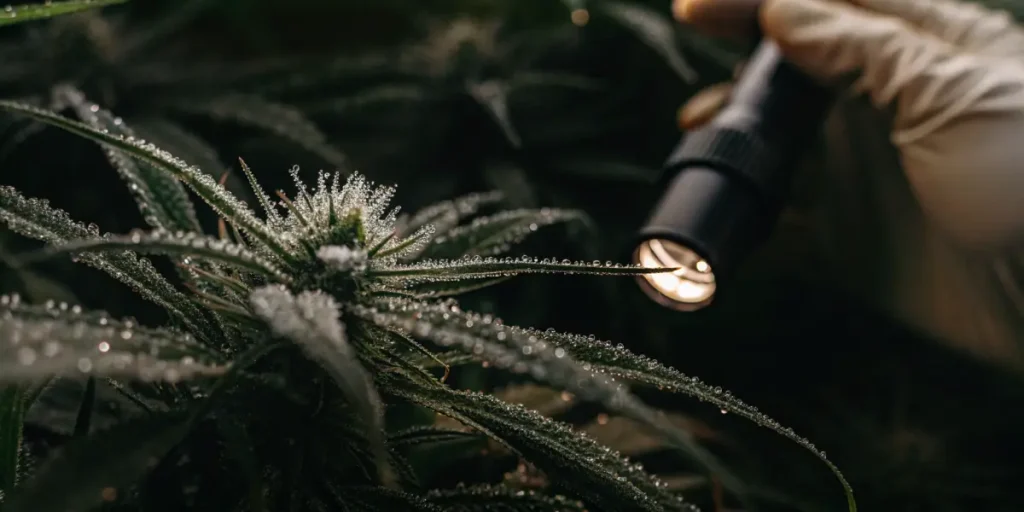
Proven Techniques: Tracking Brix to Predict Harvest Time in Cannabis

Tracking Brix to predict harvest time in cannabis is a technique that’s gaining traction among growers. Brix, a measure of the sugar content in plant sap, offers insights into plant health and quality. By measuring the Brix levels, cultivators can make informed decisions about when to harvest.
For both beginners and seasoned growers, tracking Brix levels in cannabis cultivation can be a game-changer. It allows for the prediction of harvest time with greater accuracy than traditional calendar-based methods. If you’re growing strains like Blue Dream, Girl Scout Cookies, or Sour Diesel from Blimburn Seeds, accurate Brix measurement can enhance your harvest.
Recommended Strains
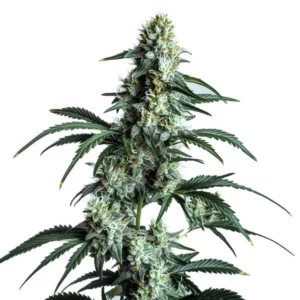
Sour Diesel

|
THC | 22% - 25% (Medium) |

|
Type | Feminized |

|
Yield | High |

|
Phenotype | 30% Indica / 70% Sativa |
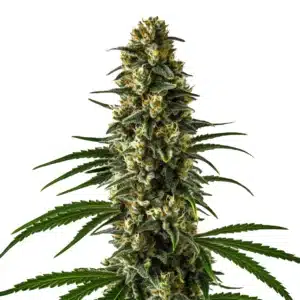
Girl Scout Cookies
|
|
THC | 18% - 25% (Medium) |
|
|
Type | Feminized |
|
|
Yield | High |
|
|
Phenotype | 60% Indica / 40% Sativa |
Optimal Brix measurement for cannabis harvest means better quality and potency. High Brix levels often indicate healthy plants and the right time to reap what you’ve sown. Let’s delve deeper into how you can integrate Brix monitoring for cannabis quality control.
What is Brix and Why Does it Matter?
Brix is a scale that measures the sugar content in a liquid. For cannabis, it’s all about the sap in stems and leaves. The higher the Brix level, the more sugars and nutrients the plant is processing. This directly impacts the plant’s health and yield.
Predicting cannabis harvest time with Brix measurements is straightforward. A simple refractometer is used to measure the sugar content. A reading above 12% typically suggests a healthy plant. However, each strain can differ. For instance, Blimburn Seeds’ Blue Dream might have a different optimal Brix level compared to Sour Diesel.
Knowing how Brix levels correlate with plant health is essential for successful cultivation. High Brix levels are often associated with increased pest resistance and better tolerance to environmental stress. This makes tracking Brix levels in cannabis cultivation an invaluable tool for growers aiming to optimize their crop’s resilience and overall quality.
Moreover, Brix levels can serve as an early indicator of potential issues within the plant’s ecosystem. By regularly monitoring Brix levels, growers can detect nutrient imbalances or water stress before they manifest more visibly, allowing for proactive management and healthier, more productive plants.
Promos & Deals


How to Measure Brix Levels
Measuring Brix is uncomplicated. A refractometer is the tool you need. These devices are affordable and easy to use. Just take a small sample of the plant sap, place it on the refractometer lens, and read the measurement.
For accurate Brix monitoring for cannabis quality control, consistency is key. Measure at the same time of day and under similar conditions. This ensures the readings are reliable and can be compared over time.
Consistency in measuring Brix levels is critical for obtaining reliable data. By establishing a routine for taking measurements, such as during the same light cycle or growth phase, growers can ensure that their readings accurately reflect the plant’s condition and not temporary fluctuations.
Utilizing a control sample can also enhance the precision of your measurements. By regularly comparing your Brix readings with those of a known healthy plant, you can better interpret the data and make informed decisions about nutrient adjustments and other cultivation practices.
Choosing the Right Refractometer
When selecting a refractometer, opt for one that is reliable and easy to use. Handheld models are popular among home growers. Digital models, though more expensive, can offer greater precision, which can be crucial for strains such as Girl Scout Cookies from Blimburn Seeds.
Calibrating your refractometer is essential. Use distilled water to set it to zero. This step ensures that your readings are accurate every time.
Investing in a high-quality refractometer is a wise decision that can significantly improve your Brix measurement accuracy. Look for models that offer durable construction, clear optics, and user-friendly adjustments to facilitate ease of use and maintenance.
Consider the environment in which you will be using the refractometer. If you’re working in a humid or outdoor setting, select a model that is resistant to moisture and temperature fluctuations. This ensures consistent performance and reliability, even under challenging conditions.
Interpreting Brix Readings
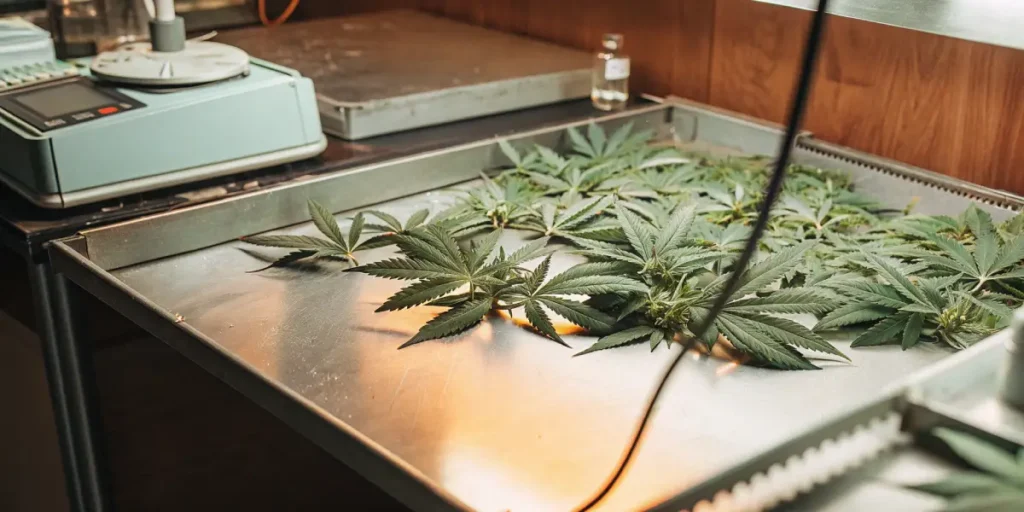
Once you have your Brix reading, it’s time to interpret the data. High Brix levels generally indicate a robust plant. Levels above 12% are ideal, but this can vary depending on the strain and growing conditions.
For optimal Brix measurement for cannabis harvest, consider the overall health of the plant. A sudden drop in Brix can signal stress or nutrient deficiencies. Keeping an eye on these fluctuations helps in making timely interventions.
Correlating Brix readings with other plant health indicators is crucial for accurate interpretation. Observing trichome development, leaf color, and growth patterns alongside Brix levels provides a comprehensive view of the plant’s health and readiness for harvest.
Tracking Brix levels to predict harvest time in cannabis also involves knowing the impact of environmental changes. Factors such as light intensity, temperature, and humidity can affect Brix levels, so it is important to account for these variables when interpreting your data.
Real-Life Applications
Take the example of a grower cultivating Sour Diesel from Blimburn Seeds. By consistently tracking Brix levels, they noticed a spike in sugar content just before the trichomes began to turn milky. This prompted them to prepare for harvest, ensuring maximum cannabinoid content.
Another grower working with Girl Scout Cookies found that maintaining a Brix level above 14% led to a noticeable improvement in flavor and aroma. These real-world applications show how invaluable Brix tracking can be in enhancing the final product quality.
Tracking Brix levels in cannabis cultivation has also proven beneficial in optimizing nutrient management. By observing how Brix levels respond to different feeding schedules, growers can fine-tune their nutrient applications to support vigorous growth and robust plant health.
Furthermore, cannabis harvest timing using Brix levels has allowed growers to align harvest schedules with peak potency. This precision ensures that plants are harvested when their cannabinoid and terpene profiles are most desirable, enhancing the overall quality of the final product.
- Regularly measure Brix levels to monitor plant health.
- Use a refractometer for accurate readings.
- Calibrate your devices to maintain consistency.
- Correlate Brix data with other harvest indicators.
- Adjust nutrients based on Brix readings to optimize plant health.
Common Challenges and Solutions
Tracking Brix levels in cannabis cultivation isn’t without its challenges. One common issue is inconsistent readings. This often arises from taking samples at varying times or conditions. To combat this, establish a routine for your measurements.
Another challenge is knowing the optimal Brix levels for different strains. Research and experience play critical roles here. For instance, Blimburn Seeds’ strains may have unique Brix profiles. Keeping detailed records helps in tailoring your approach to each variety.
Environmental factors can also pose a challenge in Brix monitoring for cannabis quality control. Changes in temperature or humidity can affect sap concentration and result in misleading Brix readings. Adjusting your measurement practices to account for these conditions can help maintain accuracy.
To overcome these challenges, growers can benefit from community collaboration. Sharing knowledge and experiences with fellow cultivators can provide valuable insights into strain-specific Brix characteristics and effective strategies for maintaining optimal Brix levels.
FAQs about Tracking Brix to Predict Harvest Time in Cannabis
How does Brix measurement affect cannabis quality?
Brix measurement directly impacts cannabis quality by indicating the plant’s health and sugar content. Higher Brix levels often mean the plant is processing nutrients efficiently, leading to better flavor, aroma, and potency.
For growers using strains from Blimburn Seeds, monitoring Brix can enhance the cultivation process, ensuring high-quality yields. By correlating Brix data with other quality indicators, growers can optimize their harvest outcomes.
Tracking Brix to predict harvest time in cannabis can significantly influence the end product’s market value. High-quality cannabis with superior flavor profiles and potency is often more desirable, commanding higher prices among consumers.
Furthermore, consistent Brix monitoring can aid in maintaining compliance with industry standards. Ensuring that plants are at their peak health at the time of harvest helps meet regulatory quality benchmarks, safeguarding both the grower’s reputation and consumer satisfaction.
What tools are needed for Brix monitoring?
The primary tool for Brix monitoring is a refractometer. Handheld models are sufficient for most home growers, while digital ones offer greater precision. Regular calibration and maintenance are necessary to ensure accurate readings.
Besides to a refractometer, maintaining a log of Brix readings helps track changes over time. This information can guide adjustments in nutrient management and harvest timing for strains like Blue Dream from Blimburn Seeds.
Supplementary tools, such as digital thermometers and hygrometers, can assist in monitoring environmental conditions that may affect Brix readings. By maintaining optimal growing conditions, growers can ensure accurate and consistent Brix measurements.
Integrating technology, such as mobile apps or software that track and analyze Brix data, can further enhance your cultivation strategy. These tools can provide insights into trends and patterns, helping to refine growing practices for better outcomes.
Can Brix levels vary between cannabis strains?
Yes, Brix levels can vary significantly between different cannabis strains. Factors like genetics, growing conditions, and nutrient management all play a role. For example, Sour Diesel might have a different optimal Brix range compared to Girl Scout Cookies.
Knowing these differences is crucial for tailoring your cultivation practices. By regularly monitoring Brix, growers can make informed decisions to optimize the health and yield of each specific strain.
Conducting comparative studies of Brix levels across various strains can provide valuable insights into their unique characteristics. This information can guide the selection of strains best suited to particular growing environments and desired outcomes.
By exploring the genetic predispositions of strains from Blimburn Seeds, growers can better anticipate each variety’s optimal growth conditions and adjust their cultivation techniques to match the specific needs of their crops.
How often should Brix levels be checked?
Checking Brix levels once a week is a good starting point for most growers. This frequency allows you to monitor trends and make timely adjustments to your growing practices.
For critical phases like the flowering stage, more frequent checks may be beneficial. This ensures that you catch any sudden changes in plant health, allowing for swift interventions to maintain optimal growing conditions.
Integrating Brix checks into your regular plant care routine can provide a consistent stream of data, allowing for better prediction of harvest timing and overall crop management. This practice is particularly beneficial when cultivating multiple strains with varying growth patterns.
By increasing the frequency of measurements during key growth phases, growers can effectively track the plant’s response to environmental changes and nutrient applications, ensuring that conditions remain optimal throughout the cultivation cycle.
Is high Brix always better for cannabis plants?
While high Brix levels generally indicate a healthy plant, excessively high readings might signal an imbalance. It’s essential to correlate Brix data with other plant health indicators to get a complete picture.
Balancing Brix readings with observations of leaf health, growth patterns, and trichome development ensures that your plants are thriving. This holistic approach helps achieve the best possible harvest quality.
Monitoring Brix levels to predict harvest time in cannabis requires a nuanced knowing of plant physiology. For instance, a sudden spike in Brix levels may indicate a temporary sugar build-up rather than sustained plant health, necessitating further investigation.
Regularly consulting with an agronomist or cannabis cultivation expert can provide additional insights into interpreting Brix data and making informed decisions to maintain balance and ensure optimal plant health throughout the growing cycle.