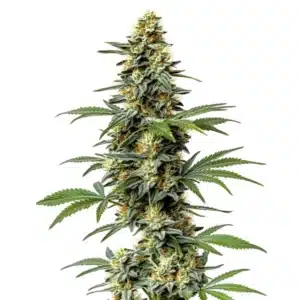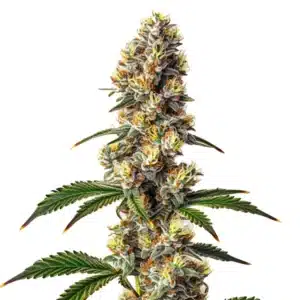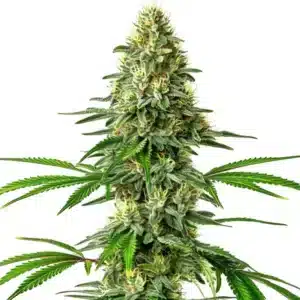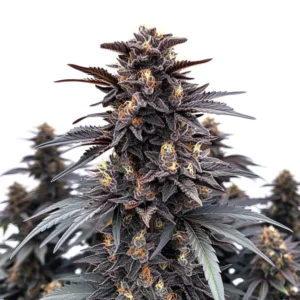
Proven Techniques for Smart and Easy Sustainable Cultivation

Sustainable cultivation is more than just a buzzword. It’s a necessity for both first-time cannabis seed buyers and seasoned growers. By adopting sustainable practices, you can ensure a healthier crop while contributing to the environment. Blimburn Seeds offers a variety of strains that thrive under sustainable conditions, making them perfect for eco-conscious growers.
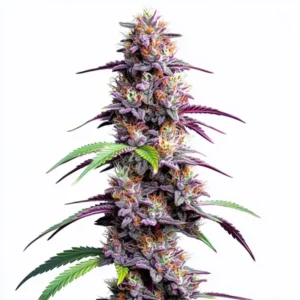
Among the various strains, Blueberry is a popular choice. It adapts well to sustainable methods, providing a robust harvest with minimal environmental impact. With proper techniques, you can enjoy a bountiful yield while maintaining the soil’s health for future crops.
Recommended Strains
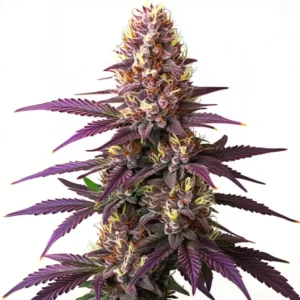
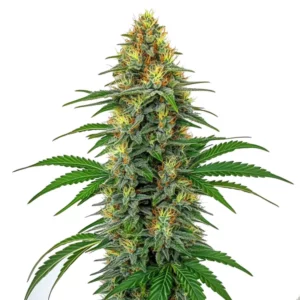
Blueberry

|
THC | 15% - 24% (Medium) |

|
Type | Feminized |

|
Yield | High |

|
Phenotype | 80% Indica / 20% Sativa |
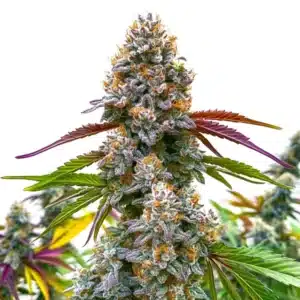
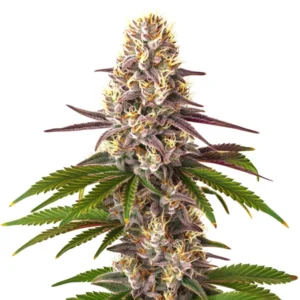
Critical Daddy Purple
|
|
THC | 19% (Medium) |
|
|
Type | Feminized |
|
|
Yield | High |
|
|
Phenotype | 50% Indica / 50% Sativa |
Another great strain is Critical Daddy Purple. Known for its resilience, this strain benefits from organic farming practices, enhancing both yield and quality. By focusing on sustainability, growers can achieve remarkable results while keeping their carbon footprint in check.
Benefits of Sustainable Cultivation
Engaging in sustainable cultivation offers numerous benefits. For starters, it promotes soil health. Healthy soil means healthy plants. By avoiding synthetic chemicals, you allow the ecosystem to thrive. This promotes biodiversity, ensuring that your cannabis plants grow in a balanced environment.
Moreover, sustainable practices improve water management. Using methods such as drip irrigation reduces water usage, preserving this precious resource. Additionally, eco-friendly crop rotation methods prevent soil depletion, ensuring that nutrients remain available for your plants year after year.
Sustainable cultivation also leads to long-term economic benefits. By reducing reliance on expensive synthetic inputs, growers can lower their production costs. This allows them to invest in other areas of their operation, leading to greater efficiency and profitability.
Furthermore, adopting sustainable agriculture techniques can enhance marketability. As consumers become more environmentally conscious, they are more likely to support products grown using eco-friendly practices. This can open new markets and increase demand for sustainably cultivated cannabis.
Promos & Deals
Organic Farming Practices for Sustainability
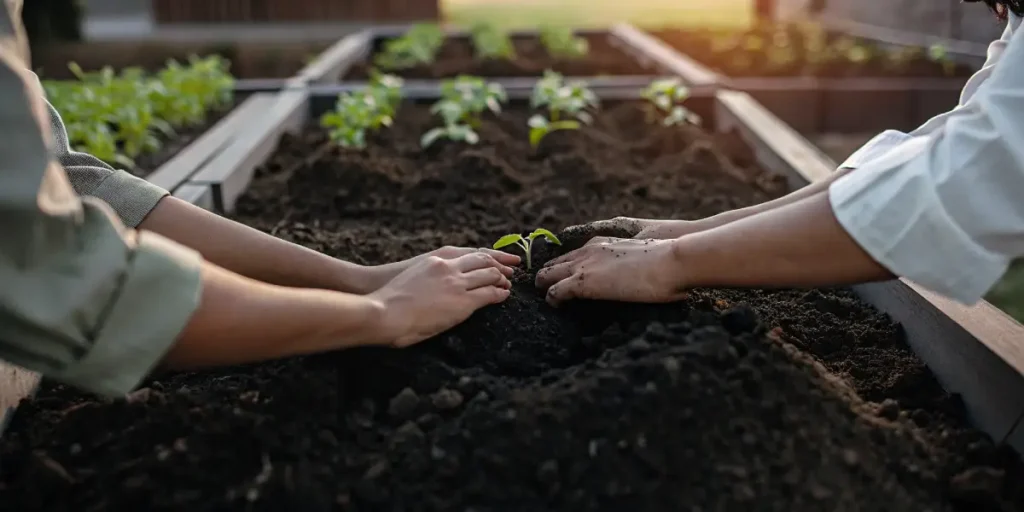
Organic farming is at the heart of sustainable cultivation. It involves using natural fertilizers, such as compost, to enrich the soil. These fertilizers provide essential nutrients without harming the ecosystem. By avoiding synthetic options, you reduce the risk of soil degradation and pollution.
Companion planting is another effective technique. By planting certain crops together, you can naturally deter pests and improve soil health. For instance, planting marigolds alongside your cannabis can repel harmful insects without the need for chemical pesticides.
Mulching is another vital practice in organic farming. By covering the soil with organic matter, such as straw or wood chips, you can conserve moisture and regulate soil temperature. This not only benefits the plants but also reduces the need for frequent watering.
Additionally, crop diversification plays a crucial role in organic farming practices for sustainability. By growing a variety of crops, you create a more resilient farm system that can better withstand pests and diseases, thereby ensuring a stable and productive growing environment.
Impact of Sustainable Cultivation on Biodiversity
Sustainable practices have a profound impact on biodiversity. By creating a balanced ecosystem, you encourage a variety of organisms to thrive. This includes beneficial insects, which play a crucial role in pollination and pest control. As a result, your cannabis plants grow in a healthier environment.
Furthermore, maintaining biodiversity reduces the likelihood of disease outbreaks. Diverse ecosystems are more resilient, providing a natural defense against pathogens. This means your crops are less vulnerable, resulting in a more consistent yield.
Enhancing biodiversity also supports local wildlife. By maintaining natural habitats, you provide food and shelter for various species. This not only benefits the environment but also enriches your growing experience, connecting you with the natural world.
The impact of sustainable cultivation on biodiversity is also reflected in improved soil health. A diverse range of microorganisms within the soil contributes to nutrient cycling, enhancing plant growth and resilience. This symbiotic relationship ensures a thriving ecosystem.
Reducing Carbon Footprint in Farming
Reducing your carbon footprint is a vital aspect of sustainable cultivation. One way to achieve this is by minimizing energy consumption. Opt for energy-efficient lighting, such as LED grow lights, which consume less power compared to traditional options.
Transport is another area to consider. Sourcing materials locally reduces the emissions associated with shipping. This not only supports local businesses but also lessens your environmental impact.
Implementing renewable energy sources, such as solar panels, can further reduce carbon emissions in farming. These systems can power various farming operations, providing a sustainable energy solution that aligns with eco-friendly practices.
Additionally, practices like composting organic waste help in reducing greenhouse gas emissions. By converting plant residues into valuable soil amendments instead of sending them to landfills, you contribute to a lower carbon footprint in farming.
- Use organic fertilizers to enrich the soil naturally.
- Implement drip irrigation to conserve water.
- Practice crop rotation to maintain soil health.
- Opt for companion planting to deter pests.
- Reduce energy consumption with efficient lighting.
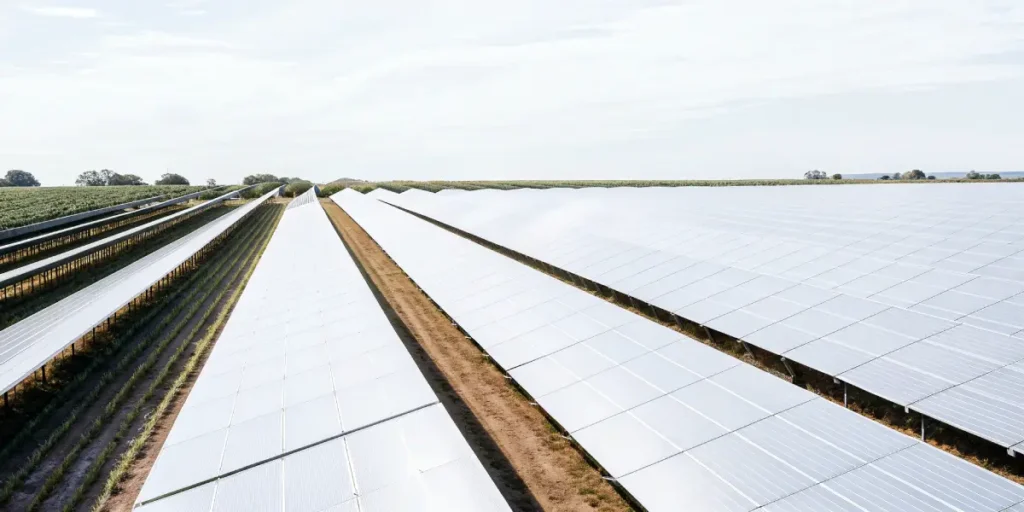
Practical Examples of Sustainable Cultivation Techniques
Consider a small-scale grower using organic compost. By recycling kitchen waste and plant residues, they’ve created a nutrient-rich fertilizer. This not only saves money but also prevents waste from ending up in landfills.
Another grower might use rainwater harvesting systems. Collecting rainwater in barrels allows them to water their cannabis plants without drawing from municipal supplies. It’s an effective way to conserve water and reduce costs.
Greenhouses provide another example of sustainable cultivation techniques. By utilizing natural sunlight and controlling the indoor climate, growers can extend the growing season and increase efficiency while reducing energy use.
Moreover, vertical farming presents a novel approach to sustainable cultivation. By growing plants in stacked layers, this method maximizes space and resource use, providing an innovative solution to land and water challenges.
Eco-Friendly Crop Rotation Methods
Crop rotation is a tried-and-true method for maintaining soil fertility. By alternating the types of crops grown in a particular area, you prevent the depletion of specific nutrients. This keeps the soil balanced, ensuring that future crops have access to the nutrients they need.
For example, after harvesting cannabis, a grower might plant legumes. These plants fix nitrogen in the soil, replenishing the nutrient levels for the next cannabis growing cycle. This natural process reduces the need for synthetic fertilizers.
Incorporating cover crops, such as clover, is another technique. These plants protect the soil from erosion and suppress weeds. By providing ground cover, they prevent the soil from drying out, preserving its health for future cannabis plants.
Eco-friendly crop rotation methods also include the practice of leaving fields fallow. By allowing the land to rest and recover, you enhance soil structure and fertility, ensuring sustainable cultivation cycles for years to come.
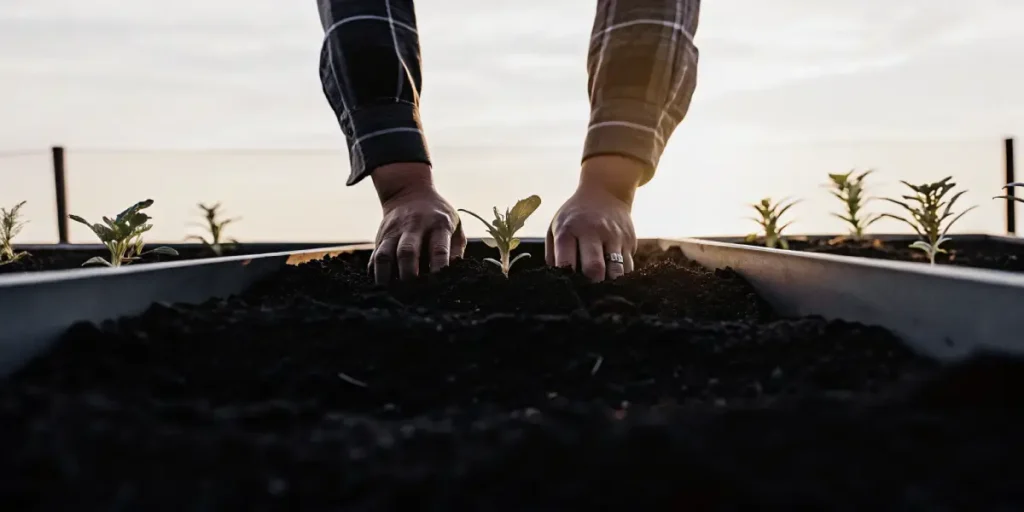
FAQs about sustainable cultivation
What is sustainable cultivation?
Sustainable cultivation refers to farming practices that aim to minimize environmental impact while maintaining crop productivity. This involves using natural resources efficiently, reducing waste, and promoting biodiversity. By adopting these methods, growers can ensure that their cannabis plants thrive in a healthy ecosystem.
For first-time cannabis seed buyers, eco-friendly growing practices offer a way to produce high-quality plants without harming the environment. Experienced growers can also benefit by optimizing their processes and reducing costs associated with synthetic inputs.
Additionally, environmentally conscious methods support community health and well-being. By using practices that protect natural resources, growers contribute to cleaner air and water, benefiting both human populations and wildlife.
The long-term benefits of green growing approaches also include climate change mitigation. By reducing greenhouse gas emissions and enhancing carbon sequestration, these methods play a critical role in global sustainability efforts.
How does sustainable cultivation benefit the environment?
Sustainable cultivation benefits the environment by promoting soil health, conserving water, and enhancing biodiversity. By using organic farming practices, growers reduce the reliance on chemical fertilizers and pesticides, which can harm the ecosystem.
Additionally, sustainable methods, such as eco-friendly crop rotation, improve soil structure and fertility. This ensures that future generations can continue to grow crops without depleting natural resources.
Moreover, sustainable cultivation methods can help combat erosion and prevent land degradation. By maintaining healthy soil and vegetation cover, these practices protect the landscape from adverse weather conditions and preserve its productivity.
Finally, sustainable cultivation helps maintain water quality. By reducing runoff and minimizing the use of harmful chemicals, growers protect waterways, ensuring clean water for surrounding communities and ecosystems.
Why is reducing the carbon footprint important in farming?
Reducing the carbon footprint in farming is crucial for mitigating climate change. By minimizing energy consumption and using renewable resources, growers can decrease greenhouse gas emissions. This helps protect the planet and ensures a sustainable future for agriculture.
For cannabis growers, adopting practices that reduce carbon emissions can also lead to cost savings. Energy-efficient technologies, such as LED lighting, not only lower environmental impact but also reduce utility bills.
Furthermore, reducing the carbon footprint supports global climate goals. By aligning farming practices with international sustainability standards, growers contribute to broader efforts to limit temperature rise and protect Earth’s ecosystems.
Implementing carbon-reducing strategies can also enhance a grower’s reputation. As consumers become more environmentally aware, they increasingly favor products from companies committed to sustainability, offering growers a competitive edge in the market.
Can sustainable cultivation be applied to indoor growing?
Yes, sustainable cultivation can be applied to indoor growing environments. By using energy-efficient lighting and climate control systems, indoor growers can reduce their energy use. Implementing sustainable practices indoors is not only possible but also beneficial for reducing overall environmental impact.
Indoor growers can also use organic soil mixtures and practice water conservation methods. By capturing and reusing water, they ensure that their plants receive adequate hydration without wasting resources.
Additionally, integrating smart technology in indoor setups can further enhance sustainability. Automated systems can optimize water and nutrient delivery, reducing waste and improving plant health.
By creating a controlled and efficient indoor environment, growers can achieve high yields while maintaining the principles of sustainable cultivation, ensuring both economic viability and environmental stewardship.
What are some common challenges of sustainable cultivation?
One common challenge of sustainable cultivation is the initial cost of transitioning to eco-friendly practices. However, these investments often pay off over time through reduced input costs and increased crop quality.
Another challenge is the learning curve associated with new techniques. Growers may need to experiment and adapt their methods to find the best approach for their specific environment. However, with persistence and dedication, the benefits of sustainable cultivation can be significant.
Additionally, sustainable cultivation may require more labor-intensive practices. Organic farming methods, for instance, often involve manual weed control and soil management, which can increase labor demands.
Access to resources and knowledge can also be a barrier. Growers might face difficulties in sourcing organic materials or finding reliable information on sustainable practices. Building a network of knowledgeable peers and experts can help navigate these challenges effectively.