Essential Guide: Proven Rate of THC Degradation Under Light Spectra

The rate of THC degradation under different light spectra is a crucial factor for cannabis growers. Light affects THC stability and can significantly impact your harvest’s quality. Let’s dive into how various lighting conditions affect THC levels.
THC, or tetrahydrocannabinol, is the psychoactive component in cannabis. It’s sensitive to light, especially certain spectra. Whether you’re a first-time grower or a seasoned expert, knowing how light influences THC is vital for maximizing your crop’s potency.
Recommended Strains
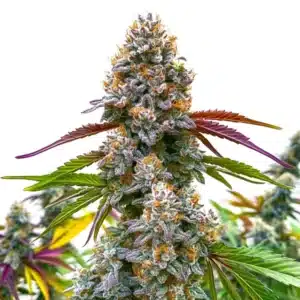
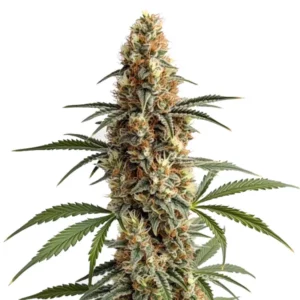
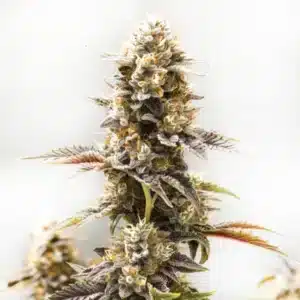
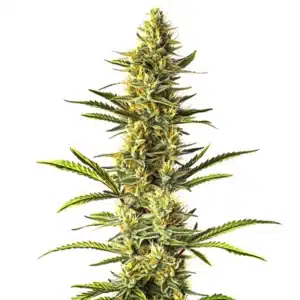
Critical Daddy Purple

|
THC | 19% (Medium) |

|
Type | Feminized |

|
Yield | High |

|
Phenotype | 50% Indica / 50% Sativa |
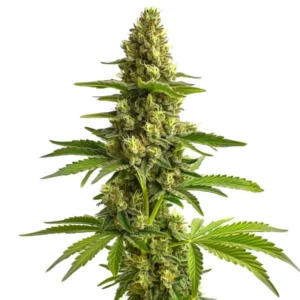
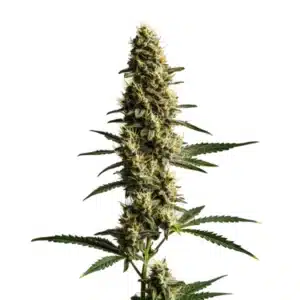
Bruce Banner #3
|
|
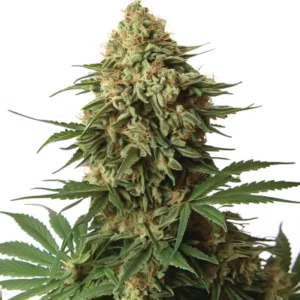
THC | 20% - 29% (High) |
|
|
Type | Feminized |
|
|
Yield | Medium |
|
|
Phenotype | 50% Indica / 50% Sativa |
One major concern is THC degradation under blue light. Blue light is a part of the visible spectrum with high energy, which can lead to quicker degradation compared to other colors. To protect your cannabis, knowing how each type of light affects THC can make all the difference.
THC Degradation in Natural Sunlight
Natural sunlight contains a mix of all light spectra, including UV rays. These rays can have a significant impact on THC degradation. While sunlight is beneficial for plant growth, it can also cause THC to break down faster than artificial light.
Growers often use strains like Blimburn Seeds Critical Daddy Purple, which is known for its resilience in outdoor conditions. However, even the hardiest strains can experience THC loss if exposed to too much direct sunlight, especially during peak UV times.
Knowing the rate of THC degradation under different light spectra, such as natural sunlight, is essential for effective outdoor cultivation. By using protective measures like shade cloths or planting during less intense light periods, growers can mitigate the adverse effects of sunlight exposure.
Moreover, timing the harvest to avoid peak sunlight hours can be a strategic approach in preserving THC levels. This involves closely monitoring weather patterns and adjusting the growing schedule to minimize the impact of intense UV radiation during critical growth stages.
THC Degradation UV Light Impact
UV light is a natural component of sunlight and artificial UV lights. It has a high energy level, which can lead to a significant rate of THC degradation under different light spectra. THC molecules absorb UV light, which can cause them to break down into less potent compounds.
When considering THC degradation UV light impact, it’s crucial to balance exposure. Too much UV can degrade THC levels, but some growers use UV lights intentionally to enhance other aspects of the plant, like resin production. This requires precise control and knowing of timing and intensity.
The influence of UV light on cannabis plants is a double-edged sword. While excessive exposure can reduce THC potency, controlled UV exposure can trigger defense mechanisms in the plant, potentially boosting cannabinoid production. This delicate balance requires careful manipulation of light cycles and intensities.
Besides, growers can experiment with UV-filtering materials or greenhouse films to reduce the rate of THC degradation under different light spectra while still benefiting from the positive aspects of UV exposure. These techniques help in achieving a harmonious balance between plant health and THC retention.
Promos & Deals
Influence of Red Light on THC Degradation
Red light is often used in the flowering stage of cannabis growth. It’s known to promote flowering and can increase yield. However, its influence on THC degradation is less intense compared to UV or blue light.
Red light’s longer wavelengths mean it has less energy than blue or UV light. This makes THC degradation slower under red light. Growers using red LED lights can expect better THC stability in different lighting conditions, which is crucial for maintaining potency.
The influence of red light on THC degradation offers an advantage in preserving cannabinoid profiles during the flowering phase. By integrating red light into their lighting systems, growers can support both the flowering process and the stability of THC, enhancing overall crop quality.
Moreover, the use of red light can be strategically timed to coincide with specific growth stages, ensuring that the plant receives optimal light conditions without accelerating the rate of THC degradation under different light spectra. This approach allows for more targeted and efficient cultivation practices.
THC Stability in Different Lighting Conditions
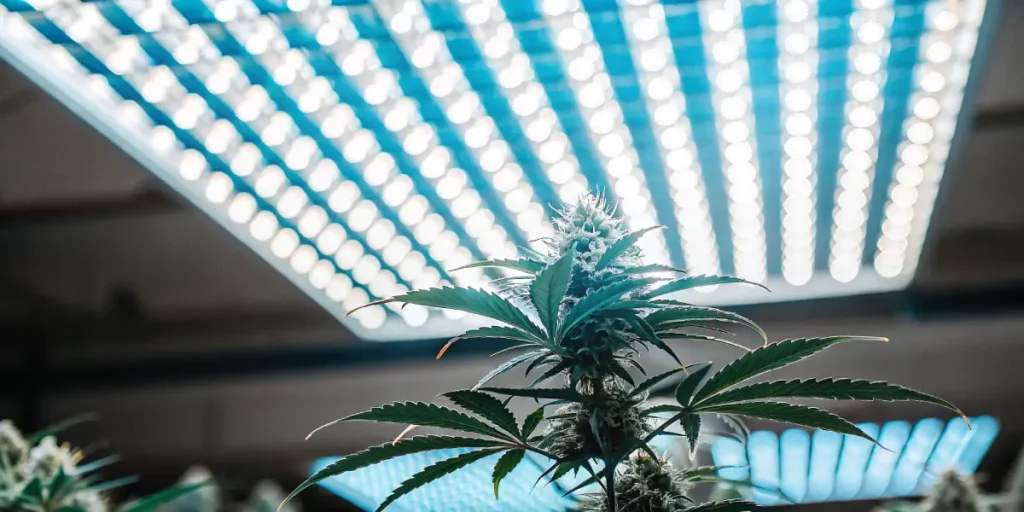
The rate of THC degradation under LED lighting varies based on the light spectrum used. LEDs can be customized to emit specific wavelengths, allowing growers to minimize degradation. Red LEDs, for instance, are often used during flowering to protect THC levels while promoting growth.
LEDs also offer advantages like lower heat production and energy efficiency. This makes them a popular choice among indoor growers who want to maintain THC stability in different lighting conditions. The flexibility of LED lighting setups helps in reducing the rate of THC degradation under different light spectra.
Maintaining THC stability in different lighting conditions is crucial for achieving high-quality yields. By selecting the appropriate LED setup, growers can fine-tune their lighting strategies to create an ideal environment that supports THC retention and overall plant health.
Furthermore, the adaptability of LED technology allows for constant modifications and improvements in lighting protocols, enabling growers to respond to changes in plant needs and environmental conditions. This dynamic approach is key to optimizing the rate of THC degradation under LED lighting.
Rate of THC Degradation Under Blue Light
Blue light affects THC differently than red or UV light. It’s often used during the vegetative stage to promote plant growth. However, its high energy can accelerate the rate of THC degradation under blue light, especially if plants are exposed for prolonged periods.
To mitigate this, it’s important to manage exposure time and intensity. Using blue light during the early stages and switching to a more balanced spectrum can help maintain THC levels. This approach allows growers to harness the benefits of blue light for growth while protecting THC potency.
The rate of THC degradation under blue light necessitates careful planning and execution of light schedules. By gradually reducing blue light exposure as plants transition from vegetative to flowering stages, growers can safeguard THC levels while still promoting robust plant development.
Besides, alternating between different light spectra can create a more holistic lighting environment, ensuring that plants receive the right balance of energy to thrive without compromising the rate of THC degradation under different light spectra. This balanced approach is crucial for successful cultivation.
FAQs on THC Degradation and Light Spectra
What is the best light spectrum to minimize THC degradation?
For minimizing THC degradation, a balanced light spectrum with less UV and blue light exposure is ideal. Red light is gentler on THC, reducing the degradation rate. Using LED lights with adjustable spectra allows growers to control and fine-tune the light exposure, ensuring minimal THC loss.
Growers may experiment with different light settings to find what works best for their specific strains and growing conditions. Custom LED setups can help maintain THC stability across various growth stages, from vegetative to flowering.
Achieving the optimal light spectrum requires a thorough knowing of the plant’s lifecycle and response to different wavelengths. By conducting trials and analyzing plant responses, growers can devise lighting strategies that keep the rate of THC degradation under different light spectra at a minimum.
Additionally, investing in advanced lighting technologies that allow for precise control over spectrum and intensity can significantly enhance the ability to preserve THC levels. This approach ensures that the plants receive the best possible conditions for growth and potency retention.
How does UV light affect THC levels in cannabis plants?
UV light can significantly impact THC levels, as it is high in energy and can cause THC molecules to break down. While some UV exposure can enhance certain plant characteristics, excessive UV can lead to rapid THC degradation.
Managing UV exposure is crucial. Some growers use UV lights strategically to enhance resin production, but this must be balanced to avoid compromising THC potency. Protective measures, like UV-filtering films, can also be used to shield plants from excessive UV radiation.
Knowing the THC degradation UV light impact is vital for growers looking to optimize their cultivation practices. By employing UV lights in a measured and controlled manner, growers can tap into the benefits of UV exposure without accelerating THC breakdown.
Moreover, integrating UV protection strategies into outdoor growing setups can help mitigate the adverse effects of natural sunlight. Techniques such as selective shading and strategic planting times can be employed to limit UV exposure while still promoting healthy plant growth.
Can LED lights help in reducing THC degradation?
Yes, LED lights can be tailored to reduce THC degradation by controlling the light spectrum emitted. LEDs allow growers to adjust the wavelengths, minimizing exposure to spectra that accelerate THC breakdown, such as UV and blue light.
This customization capability makes LEDs a favored choice for indoor growers aiming to maintain high THC levels. Properly configured LED lights provide a stable environment, helping in the preservation of THC throughout the plant’s lifecycle.
The versatility of LED lighting systems allows growers to create highly specific light environments that support both plant growth and THC retention. By fine-tuning the spectrum and intensity, growers can effectively manage the rate of THC degradation under LED lighting.
Furthermore, the energy efficiency and low heat output of LED lights make them an environmentally friendly option that reduces operational costs while maintaining THC stability in different lighting conditions. This makes LEDs a practical choice for modern cultivation practices.
What strains from Blimburn Seeds are best for outdoor growth considering light exposure?
Critical Daddy Purple, GG4, and Bruce Banner #3 from Blimburn Seeds are excellent choices for outdoor growth. These strains are known for their robustness and high THC content, making them suitable for varying light conditions.
Each strain has unique characteristics that allow them to thrive outdoors, provided they are managed well with appropriate protective measures against excessive sunlight, especially during peak UV periods.
When selecting strains for outdoor cultivation, considering the rate of THC degradation under different light spectra is essential. Strains like those from Blimburn Seeds are bred for resilience, making them ideal candidates for outdoor growth in diverse environments.
Besides to selecting the right strains, implementing strategies such as timed planting and the use of protective barriers can enhance the plants’ ability to withstand varying light conditions while preserving THC potency. These practices are key to successful outdoor growing.
How does blue light impact THC degradation during growth?
Blue light, though beneficial for vegetative growth, can increase the rate of THC degradation under different light spectra if not managed properly. Its high energy level can cause THC to break down faster, impacting overall potency.
To mitigate this, growers should limit blue light exposure during later growth stages or combine it with other spectra to balance the effects. Switching to a broader spectrum as plants transition to flowering can help in preserving THC levels.
The potential for increased rate of THC degradation under blue light highlights the importance of strategic lighting plans. By adjusting the duration and intensity of blue light exposure, growers can optimize plant development while maintaining THC integrity.
Furthermore, leveraging the benefits of blue light during specific growth phases can enhance plant vigor and structure, providing a strong foundation for subsequent stages. This holistic approach ensures that blue light is used effectively without compromising THC levels.