Proven Organic Growing Practices: The Essential Guide to Success

Organic growing practices are vital for anyone looking to cultivate cannabis sustainably. These practices focus on nurturing the soil, using natural pest control, and rotating crops to maintain a balanced ecosystem. Whether you’re a first-time cannabis seed buyer or a seasoned grower, embracing organic methods can lead to healthier plants and more rewarding harvests.
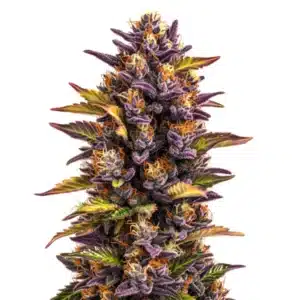
Choosing the right seeds is the first step in any successful organic grow. Blimburn Seeds offers strains like Critical Daddy Purple, which thrive under organic conditions. These seeds are bred to adapt well to natural environments, making them ideal for organic growers. Remember, the quality of your seeds sets the foundation for everything else in your grow.
Recommended Strains
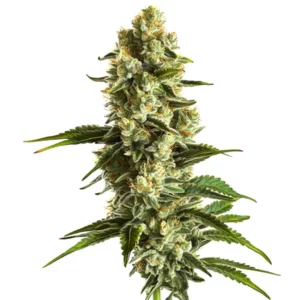
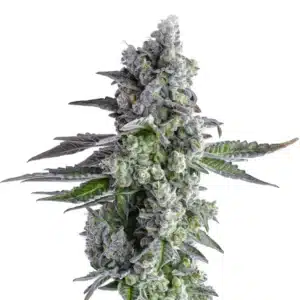
Banana Kush

|
THC | 17% - 21% (Medium) |

|
Type | Feminized |

|
Yield | High |

|
Phenotype | 60% Indica / 40% Sativa |

Godfather OG
|
|
THC | 26% - 30% (High) |
|
|
Type | Feminized |
|
|
Yield | High |
|
|
Phenotype | 60% Indica / 40% Sativa |
Organic growing isn’t just about what you avoid putting into your plants; it’s about what you put in. Using organic nutrients and practicing sustainable organic farming methods can enhance the natural flavors and potency of cannabis. This approach not only respects the environment but also improves your overall growing experience.
Benefits of Organic Soil Management
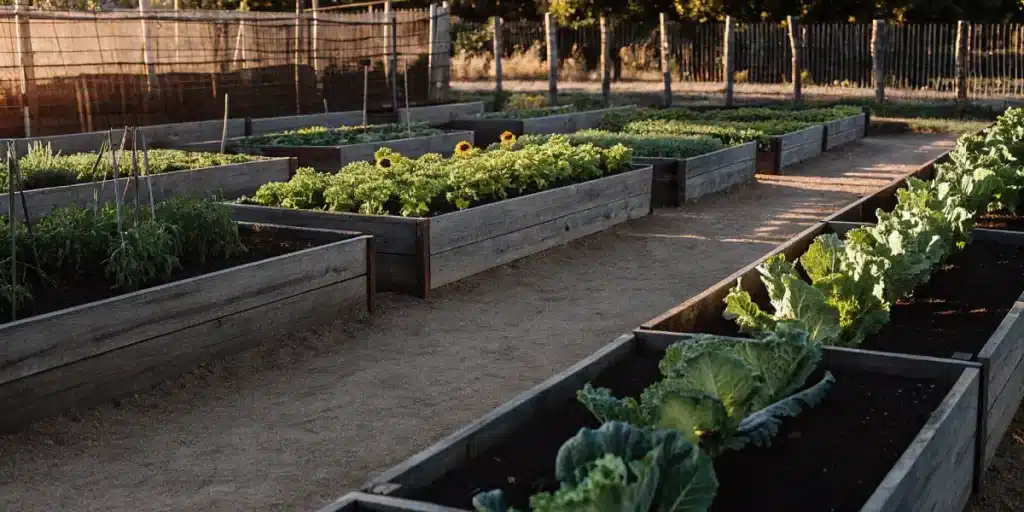
Organic soil management is key to a thriving cannabis garden. By focusing on the health of the soil, you ensure that your plants have access to all the nutrients they need naturally. This involves using compost, green manure, and other natural amendments to enrich the soil. Such practices help maintain a balanced pH and improve soil structure.
One practical example is using worm castings as a soil amendment. Worm castings are rich in nutrients and help improve soil aeration and drainage. Additionally, they support microbial life that benefits plant health. Many growers swear by this method to enhance the growth and potency of strains like Banana Kush from Blimburn Seeds.
Implementing sustainable organic farming methods like cover cropping can further enhance the benefits of organic soil management. Cover crops protect the soil from erosion, suppress weeds, and add organic matter to the soil as they decompose. These plants can also attract beneficial insects, creating a more balanced and thriving ecosystem.
Another benefit of organic soil management is the reduction of soil compaction. By avoiding heavy machinery and using light, manual tools, growers can maintain soil structure and promote healthier root systems. This practice is crucial for maximizing the uptake of water and nutrients, ultimately leading to more vigorous cannabis growth.
Promos & Deals
Organic Pest Control Strategies
Dealing with pests is a challenge for all growers. Organic pest control strategies focus on prevention and natural solutions. Companion planting is a popular technique where certain plants are grown together to repel pests. For example, planting marigolds alongside cannabis can deter nematodes and other harmful insects.
Neem oil is another effective organic pest control. It acts as a natural insecticide and is safe for both the plants and the environment. Regularly spraying neem oil can prevent infestations and keep your cannabis plants healthy. Always test a small area first to ensure your plants respond well to it.
Biological control is another cornerstone of organic pest control strategies. Introducing beneficial insects like predatory mites, ladybugs, and parasitic wasps can naturally reduce pest populations. These allies help maintain a balanced ecosystem, minimizing the need for chemical interventions and supporting organic growing practices.
Creating physical barriers is an effective way to protect your plants from pests. Using floating row covers or insect nets can shield your cannabis from harmful insects while allowing sunlight and air to reach the plants. This method is particularly useful in preventing infestations without disrupting the natural balance of your garden.
Techniques for Organic Crop Rotation
Crop rotation is a technique where different plant species are grown in the same area in sequential seasons. This practice prevents soil depletion and controls pests and diseases. When it comes to cannabis, rotating with nitrogen-fixing plants like clover can enrich the soil and prepare it for the next cannabis cycle.
By alternating cannabis with other plant families, you can break the life cycle of pests and pathogens. This approach not only refreshes the soil but also reduces the dependence on chemical inputs. Implementing crop rotation can significantly enhance the sustainability of your grow over time.
Incorporating diverse plant species in your crop rotation plan can further enhance soil health. Different plants contribute various nutrients and organic matter to the soil, improving its overall quality. This diversity also supports a range of beneficial microorganisms, essential for maintaining a thriving soil ecosystem.
Planning your crop rotation schedule is crucial for maximizing its benefits. Consider factors such as plant families, nutrient requirements, and growth cycles to create a balanced rotation plan. By carefully selecting and timing each crop, growers can optimize soil fertility and minimize pest and disease pressures.
Organic Certification Requirements for Farmers
For growers aiming for organic certification, knowing the requirements is crucial. Certification involves adhering to strict guidelines regarding inputs and farming methods. Farmers must ensure that their soil management, pest control, and crop rotation techniques align with organic standards.
Documentation is a significant part of the certification process. Keeping records of all organic practices and inputs used is essential. This transparency helps to demonstrate compliance and commitment to organic growing principles. Certification not only boosts the credibility of your product but also assures consumers of its quality.
Knowing the specific organic certification requirements for farmers in your region is essential. Different certifying bodies may have varying standards and procedures. Familiarizing yourself with these requirements ensures that your practices meet the necessary criteria for successful certification.
Pursuing organic certification can open new market opportunities for growers. Certified organic products often command higher prices and attract environmentally conscious consumers. By demonstrating a commitment to organic growing practices, farmers can enhance their brand reputation and appeal to a broader audience.
Choosing Cannabis Strains for Organic Growing
When selecting cannabis strains for organic growing, consider those that are resilient and adaptable. Blimburn Seeds offers varieties like Godfather OG, known for its robust growth and resistance to common pests. These traits make it a favorite among organic growers.
Strains that perform well outdoors are often suited for organic conditions. They tend to have natural defenses against environmental challenges. Exploring different strains can help you find those that align with your growing environment and goals.
Evaluating the genetic profile of cannabis strains is crucial for organic growing. Strains with a strong lineage of pest and disease resistance are more likely to thrive in organic conditions. By selecting these robust strains, growers can reduce the need for interventions and focus on nurturing their plants naturally.
Consider the specific characteristics you desire in your final product, such as flavor, aroma, and potency. Different strains offer unique terpene profiles and cannabinoid levels, influencing the overall experience. Experimenting with various strains allows you to discover those best suited to your organic growing practices and personal preferences.
FAQs about organic growing practices
What are the main benefits of organic growing practices?
Organic growing practices enhance the natural flavors and potency of cannabis while promoting environmental sustainability. These methods avoid synthetic chemicals, reducing harmful runoff and preserving biodiversity. For growers, this means healthier plants and potentially higher quality yields.
Additionally, organic practices can lead to cost savings over time. By using compost and natural pest control, growers can reduce reliance on expensive chemicals. This approach is not only economically viable but also supports long-term soil health and productivity.
Embracing organic growing practices can also improve the overall health of your soil and plants. By fostering a thriving ecosystem, growers create a resilient environment that supports plant growth and reduces the risk of diseases. This holistic approach leads to more sustainable and productive cannabis cultivation.
Another significant benefit is the positive impact on the environment. By minimizing chemical inputs and promoting biodiversity, organic growing practices contribute to healthier ecosystems. This environmental stewardship aligns with the values of many consumers, enhancing the appeal of organically grown cannabis products.
How do I start implementing organic pest control strategies?
Begin by identifying the most common pests in your area and researching natural remedies for each. Companion planting and introducing beneficial insects can be effective strategies. For instance, ladybugs are natural predators of aphids and can be a great addition to your garden.
Monitoring your plants regularly is crucial. Catching pest issues early allows for swift intervention with organic solutions like neem oil or diatomaceous earth. Consistency in applying these methods will lead to better results and healthier plants.
Enhancing your garden’s biodiversity can also aid in pest control. By fostering a variety of plants and beneficial organisms, you create a balanced ecosystem that naturally regulates pest populations. This approach reduces the need for interventions and supports a more sustainable organic farming environment.
Educating yourself on sustainable organic farming methods is key to successful pest management. Knowing the life cycles and behaviors of pests allows you to implement proactive measures that prevent infestations. This knowledge empowers growers to maintain healthy plants without relying on chemical sprays.
Why is crop rotation important in organic farming?
Crop rotation prevents soil nutrient depletion and disrupts pest and disease cycles. By alternating cannabis with other crops, you can enhance soil fertility and reduce the buildup of harmful pathogens. This technique is a cornerstone of sustainable organic farming methods.
Moreover, crop rotation can improve soil structure and organic matter content. This results in better water retention and root development, essential for vigorous plant growth. Implementing crop rotation is a proactive step towards achieving a balanced and productive growing environment.
Besides to its agronomic benefits, crop rotation supports biodiversity. By cultivating a variety of plants, you create habitats for different organisms, promoting a balanced ecosystem. This diversity helps control pest populations naturally and enhances the resilience of your organic farming system.
Crop rotation also allows growers to adapt to changing environmental conditions. By selecting crops that suit different seasons and climates, farmers can optimize their yields and maintain soil health. This adaptability is crucial for long-term success in organic farming.
What should I consider when selecting strains for organic growing?
Look for strains that are resilient, pest-resistant, and well-suited to your climate. Blimburn Seeds offers a range of strains with these characteristics, ensuring that you have options tailored to your specific needs. Strains like Critical Daddy Purple are known for their adaptability and robust growth.
Consider the final product you desire. Some strains offer unique terpene profiles or higher yields, which can influence your selection. Experimenting with different strains can help you identify the ones that best match your growing conditions and personal preferences.
Assessing the growth habits of different strains is crucial for organic growing. Indica-dominant strains may perform better in cooler climates, while Sativa-dominant strains often thrive in warmer regions. Knowing these traits helps you choose strains suited to your specific environmental conditions.
Collaborating with other growers can provide valuable insights into strain performance. Sharing experiences and knowledge about specific strains can help you make informed decisions and discover varieties that excel in organic growing environments.
How does organic soil management improve cannabis growth?
Organic soil management focuses on enriching the soil with natural amendments, promoting a healthy microbiome. This creates an optimal environment for cannabis roots to access nutrients, resulting in vigorous growth and higher yields. Techniques like adding compost or worm castings are popular among organic growers.
Healthy soil also improves plant resilience against diseases and stress. By maintaining the soil’s organic matter and structure, growers support beneficial microorganisms that contribute to plant health. Organic soil management is a fundamental element of successful organic growing practices.
Nurturing a diverse soil ecosystem through organic soil management enhances nutrient cycling. Beneficial microbes break down organic matter, releasing nutrients in forms that plants can readily absorb. This natural process ensures that cannabis plants receive a continuous supply of essential nutrients.
Maintaining soil moisture levels is another advantage of organic soil management. Organic matter improves soil structure, enhancing its ability to retain water. This moisture retention is crucial for supporting plant growth, especially during dry periods, and contributes to a more sustainable organic growing system.