Proven Case Study: Boosting Cannabis Harvest Quality with a Refractometer

In the world of cannabis cultivation, quality is king. A fascinating case study boosting cannabis harvest quality with a refractometer shows us how a simple tool can make a significant impact. Refractometers, often used to measure sugar levels in fruits, can also be applied to cannabis. This tool gives growers insight into the plant’s health by measuring the Brix level, which is the sugar content of the plant’s sap. Higher Brix levels often indicate healthier plants and better yields.
One grower found that using a refractometer allowed them to optimize their nutrient schedule. By checking the Brix levels regularly, they could adjust the feed to ensure the plants were getting exactly what they needed. This approach led to a noticeable improvement in the quality of their harvests. The cannabis refractometer case study results were impressive, showing a marked increase in both potency and flavor.
Recommended Strains
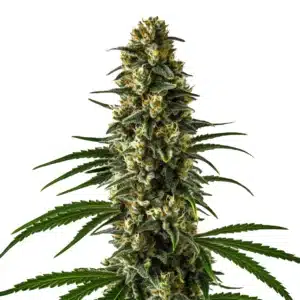
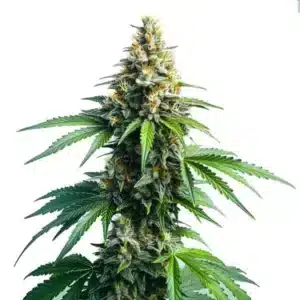
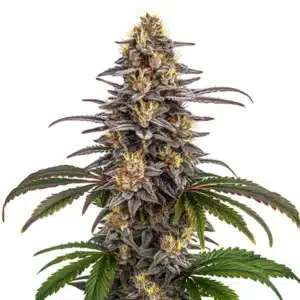
Girl Scout Cookies

|
THC | 18% - 25% (Medium) |

|
Type | Feminized |

|
Yield | High |

|
Phenotype | 60% Indica / 40% Sativa |
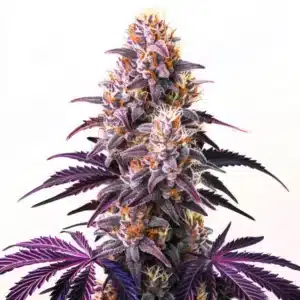
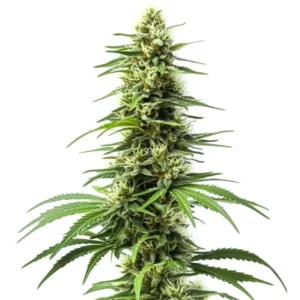
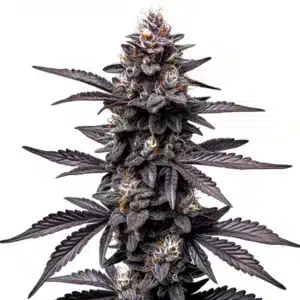
Purple Kush
|
|
THC | 17% - 27% (Medium) |
|
|
Type | Feminized |
|
|
Yield | Medium |
|
|
Phenotype | 30% Indica / 70% Sativa |
Another aspect of the case study on cannabis quality enhancement was the ability to identify problems early. By monitoring the Brix levels, growers can catch issues like nutrient deficiencies before they become serious. This proactive approach means healthier plants and better harvests. Growers can save time and money by preventing problems rather than fixing them.
How Refractometers Work in Cannabis Cultivation
Refractometers work by measuring how light bends as it passes through the plant’s sap. This bending, or refraction, changes depending on the sap’s sugar content. In cannabis cultivation, refractometers are used to gauge the overall health of the plant. The higher the sugar content, the better the plant’s condition.
For example, a grower working with a strain like Girl Scout Cookies from Blimburn Seeds might find their Brix levels give them insight into when to adjust lighting or nutrition. By comparing Brix readings with plant health, growers can fine-tune their growing environments for optimal results.
Knowing refractometer benefits in cannabis cultivation involves recognizing how Brix levels correlate with different growth stages. As plants mature, their nutrient needs change, and refractometers can guide growers in making precise adjustments. This level of detail can transform average harvests into exceptional ones.
Moreover, refractometers can be particularly useful during the flowering stage, where sugar content plays a crucial role in bud development. By consistently monitoring Brix levels, growers can ensure their plants receive the right balance of nutrients to maximize resin production and terpene profiles, culminating in a superior product.
Promos & Deals
Refractometer Benefits in Cannabis Cultivation
One of the main refractometer benefits in cannabis cultivation is the ability to improve plant health and yield. By regularly checking Brix levels, growers can ensure that their plants are getting the right nutrients. This can lead to healthier plants with better resistance to pests and diseases.
Using a refractometer also helps in optimizing cannabis growth using refractometer data. For instance, if a grower notices a drop in Brix levels, they can immediately investigate potential issues such as poor soil or inadequate light. Adjustments can be made quickly, ensuring the plants continue to thrive.
Furthermore, refractometers provide a non-invasive way to assess plant health, offering a quick snapshot of a plant’s condition without causing any damage. This is particularly advantageous for commercial growers who need to monitor large crops efficiently.
Incorporating refractometers into a cultivation strategy can also aid in the development of custom nutrient mixes tailored to specific strains. This personalization can lead to the production of cannabis with unique characteristics, further enhancing the value of the harvest.
Real-Life Examples of Refractometer Use
Let’s look at a practical example. A grower cultivating Purple Kush from Blimburn Seeds noticed that their plants had inconsistent Brix readings. By adjusting the nutrient mix and lighting schedule based on these readings, they were able to stabilize the Brix levels. This resulted in a more uniform and robust harvest.
Another grower working with Blue Dream discovered that their Brix levels were lower than desired. They increased the nitrogen in their nutrient solution, and within weeks, the Brix levels improved. The final harvest was not only larger but also more potent, with richer terpene profiles.
These real-life examples underscore the practical applications of using refractometers in cannabis cultivation. Whether it’s refining nutrient solutions or adjusting environmental conditions, the insights gained from Brix readings can lead to substantial improvements in harvest quality.
As demonstrated in the case study boosting cannabis harvest quality with a refractometer, these tools offer a strategic advantage. Growers can leverage this data to enhance their overall cultivation processes, leading to more consistent and higher-quality yields.
Choosing the Right Cannabis Strains
When using refractometers, the choice of cannabis strain can also play a crucial role. Some strains respond better to nutrient adjustments than others. For instance, Girl Scout Cookies is known for its adaptability and can show significant improvements when Brix levels are optimized.
For first-time growers, selecting a strain like Purple Kush might be beneficial. This strain is resilient and responds well to changes in its growing environment, making it easier to see the effects of Brix level adjustments.
Experienced growers often opt for strains like Blue Dream, which can produce substantial yields when grown under optimal conditions. By using a refractometer, these growers can push their plants to achieve their full potential.
Additionally, strains from Blimburn Seeds have been highlighted in many cannabis refractometer case study results for their robust response to fine-tuned growing conditions. These strains can offer a rewarding experience for growers looking to maximize their investment in refractometer technology.

FAQs about case study boosting cannabis harvest quality with a refractometer
What is a refractometer, and how is it used in cannabis cultivation?
A refractometer is a tool used to measure the sugar content in plant sap. In cannabis cultivation, it helps growers monitor the health of their plants. By checking Brix levels, growers can determine whether their plants are receiving adequate nutrients. This information allows them to make necessary adjustments to improve plant health and yield.
The case study boosting cannabis harvest quality with a refractometer illustrates that regular monitoring can lead to better harvests. For instance, growers can catch nutrient deficiencies early and prevent them from affecting the entire crop. This proactive approach is especially beneficial for maintaining high-quality yields.
Besides to nutrient management, refractometers can also be used to assess water quality and soil conditions indirectly. By interpreting Brix data, growers can infer if their plants are under environmental stress, allowing them to take corrective action promptly.
Furthermore, refractometers support the identification of optimal harvest times by tracking changes in sugar levels, ensuring that crops are collected at their peak potency and flavor. This is a crucial aspect of improving cannabis harvest with refractometer insights.
How can refractometers improve cannabis harvest quality?
Refractometers can improve cannabis harvest quality by providing data that helps optimize growing conditions. By measuring Brix levels, growers can assess whether their plants are thriving or need adjustments in their care regimen. Higher Brix levels often correlate with healthier plants that produce better yields.
Using this information, growers can make informed decisions about when to water, how much to fertilize, and whether environmental adjustments are needed. This level of precision is what makes refractometers so valuable in cannabis cultivation, as demonstrated in the case study on cannabis quality enhancement.
Moreover, the use of refractometers encourages a more scientific approach to cultivation, where data-driven decisions replace guesswork. This can lead to more sustainable practices, reducing waste and optimizing resource use.
Incorporating this tool into a growing strategy not only enhances the quality of the current harvest but also establishes a framework for ongoing improvement, setting the stage for future success in cannabis cultivation.
Are there specific strains that benefit more from refractometer use?
Some cannabis strains may respond more positively to refractometer use due to their genetic makeup and growing requirements. For example, strains like Girl Scout Cookies, Purple Kush, and Blue Dream are known for their adaptability and can benefit significantly from optimized nutrient schedules based on Brix readings.
These strains have shown enhanced growth and potency when their growing conditions are fine-tuned using refractometer data. As a result, growers interested in maximizing their harvest quality might consider these strains from Blimburn Seeds for their cultivation efforts.
Besides to these well-known strains, other lesser-known varieties may also exhibit significant improvements when monitored with refractometers. The key is to understand the unique needs of each strain and how they correlate with Brix measurements.
Engaging in a case study boosting cannabis harvest quality with a refractometer can reveal the potential of various strains, guiding growers in their selection process and helping them achieve their desired cultivation outcomes.
What are the limitations of using a refractometer in cannabis cultivation?
While refractometers are a valuable tool, they do have limitations. They primarily measure sugar content, which is just one aspect of plant health. Other factors like temperature, humidity, and pest presence also play crucial roles in cultivation success. Hence, refractometers should be used in conjunction with other monitoring tools and methods.
Additionally, interpreting Brix levels requires some experience and knowing of the plant’s growth stages. Newer growers may need time to learn how to accurately use and interpret refractometer readings. However, with practice, the benefits often outweigh these initial challenges.
It’s also important to consider the variability in Brix readings due to external factors such as seasonal changes or unexpected environmental stressors. This variability can make it challenging to maintain consistent data without a comprehensive approach.
Despite these challenges, the consistent use of refractometers can be an integral part of a holistic cultivation strategy. By combining refractometers with other agricultural technologies, growers can achieve a balanced and responsive growing environment.
Can refractometer readings vary between different cannabis strains?
Yes, refractometer readings can vary between different cannabis strains due to genetic differences. Each strain has its own unique profile that affects how it absorbs and utilizes nutrients. As a result, Brix levels might be higher in some strains and lower in others under the same growing conditions.
This variability is why it’s essential to understand the specific needs of the strain being cultivated. By doing so, growers can better interpret refractometer data and make the necessary adjustments to enhance their harvest quality, as shown in the case study boosting cannabis harvest quality with a refractometer.
Experimenting with various strains and monitoring their Brix levels can provide valuable insights into which varieties perform best under specific conditions. This data-driven approach can lead to the development of optimized cultivation techniques tailored to each strain.
Ultimately, the goal is to harness the potential of each strain by using refractometer data to guide cultivation practices, ensuring that every plant is given the best opportunity to thrive and produce high-quality yields.