Proven Brix Data Driven Cultivation Methods for Amazing Cannabis

The world of cannabis cultivation is always evolving, and growers are constantly seeking new ways to improve their crop yields and quality. One effective approach involves using brix data driven cultivation methods for cannabis. This method offers a scientific way to optimize plant growth by measuring the sugar content in plant sap, which is referred to as brix levels. High brix levels typically indicate healthier plants with greater resistance to pests and diseases, leading to higher yields and better quality buds.
For both first-time cannabis seed buyers and seasoned growers, knowing how to leverage brix levels can transform your growing experience. By integrating brix data into cannabis farming strategies, you can fine-tune watering, lighting, and nutrient schedules to enhance plant health and productivity. This approach not only maximizes yield but also improves the potency and flavor of the cannabis produced.
Recommended Strains
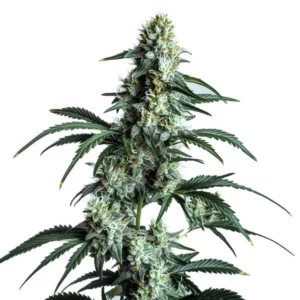
Sour Diesel

|
THC | 22% - 25% (Medium) |

|
Type | Feminized |

|
Yield | High |

|
Phenotype | 30% Indica / 70% Sativa |

Blue Dream
|
|
THC | 17% - 24% (Medium) |
|
|
Type | Feminized |
|
|
Yield | High |
|
|
Phenotype | 50% Indica / 50% Sativa |
Let’s take a closer look at how data-driven cannabis growing techniques based on brix can revolutionize your cultivation methods. Whether you’re growing Blimburn Seeds renowned strains like Sour Diesel, Gelato, or Blue Dream, brix measurement can be an invaluable tool in your growing toolkit. By adopting these methods, growers can achieve a new level of precision in their cultivation practices, leading to exceptional results.
Incorporating brix data driven cultivation methods for cannabis offers a dynamic way to understand and respond to plant needs. This proactive approach allows growers to anticipate issues before they become significant problems. By consistently applying brix measurement cannabis cultivation methods, you can maintain optimal plant health and maximize the potential of your crops.
Why Brix Levels Matter in Cannabis Cultivation
Brix levels are a measure of the sugar content in plant sap, which can offer insights into the overall health of your cannabis plants. Higher brix levels are associated with increased plant vigor, better disease resistance, and higher yields. When your plants have ample sugars, they’re better equipped to perform photosynthesis efficiently, leading to robust growth and abundant bud production.
Incorporating brix measurement into cannabis cultivation methods allows growers to make informed decisions about their plants’ needs. For example, if brix levels are low, it might be a sign that plants require more nutrients or adjustments in their environment. On the flip side, high brix levels can indicate that the plants are thriving. This data-driven approach enables growers to respond proactively to plant needs, optimizing growth conditions and improving overall crop quality.
Knowing the impact of brix levels on cannabis yield data analysis reveals the importance of sugar levels in plant sap for successful cultivation. By monitoring these levels, growers can gain insights into the physiological state of their plants. This knowing can guide decisions on nutrient adjustments and other cultivation parameters, ensuring that each plant receives what it needs for optimal growth.
Moreover, brix levels serve as a reliable indicator of plant health and vigor, which are crucial for achieving high-quality yields. By maintaining optimal brix levels, growers can enhance the resilience of their plants against environmental stressors and pathogens. This ultimately leads to healthier plants that produce superior cannabis, showcasing the effectiveness of brix data driven cultivation methods for cannabis.
Promos & Deals
How to Measure Brix Levels in Cannabis
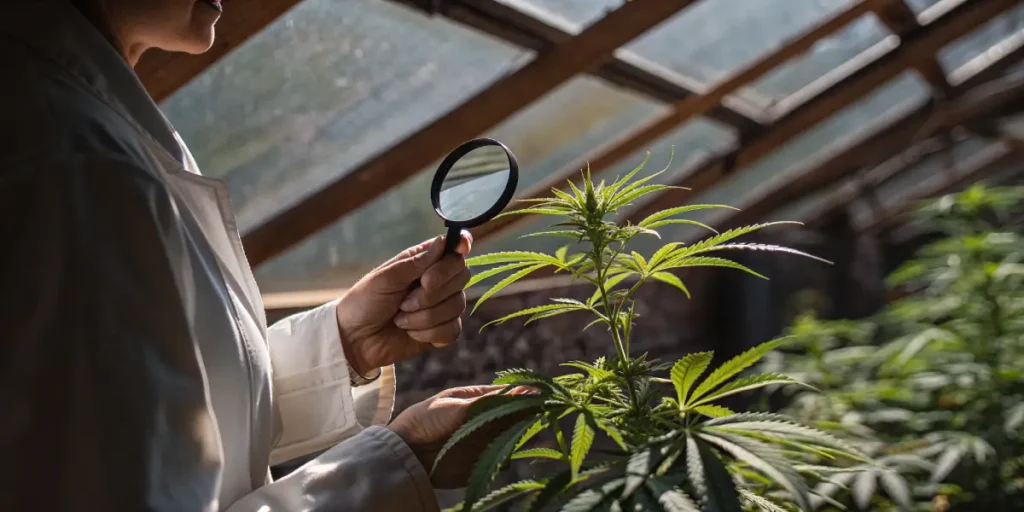
Measuring brix levels in cannabis is relatively straightforward and requires a tool called a refractometer. This device measures the light refracted by plant sap, which correlates with sugar content. To get started, collect a small sample of sap from your cannabis plants. This can be done by crushing a leaf or stem and applying the sap directly to the refractometer.
Once you’ve applied the sap, the refractometer will provide a reading indicating the brix level. It’s important to regularly measure brix levels throughout the growth cycle to track changes and adjust your cultivation strategies accordingly. Regular monitoring can help you catch issues early, such as nutrient deficiencies or environmental stress, and make timely adjustments to keep your plants healthy.
For growers using data-driven cannabis growing techniques based on brix, the refractometer is an indispensable tool. It allows for precise monitoring of plant health by providing real-time data on sugar content. This information is crucial for making informed decisions about adjusting cultivation practices to enhance plant growth and yield.
Besides to using a refractometer, growers should consider keeping detailed records of their brix measurements. This data can be invaluable for analyzing trends over time and knowing how various factors affect brix levels. By doing so, growers can integrate brix data into cannabis farming strategies, leading to improved cultivation outcomes.
Optimizing Cannabis Cultivation Using Brix Data
Optimizing cannabis cultivation using brix data involves using the information gathered from brix measurements to make informed decisions about plant care. For example, if you notice a drop in brix levels, it might be a sign to adjust your feeding schedule or improve soil conditions. Conversely, consistently high brix levels can confirm that your current practices are effective.
Data analysis of brix levels impact on cannabis yield can guide you in fine-tuning various aspects of your growing environment. This can include adjusting light intensity, modifying watering frequency, or changing nutrient mixes to better support plant health. For instance, a grower cultivating Blimburn Seeds Gelato strain might find that increasing potassium levels boosts brix readings, resulting in denser, more resinous buds.
By embracing cannabis cultivation optimization using brix data, growers can maintain a competitive edge in the ever-evolving cannabis industry. This approach enables them to consistently produce high-quality yields while minimizing resource waste and environmental impact. It also provides a framework for continually refining cultivation practices based on empirical data.
Furthermore, integrating brix data into cannabis farming strategies allows for a more adaptive and responsive approach to cultivation. Growers can tailor their methods to meet the specific needs of different strains, ensuring that each variety reaches its full potential. This not only enhances productivity but also maximizes the quality and appeal of the final product.
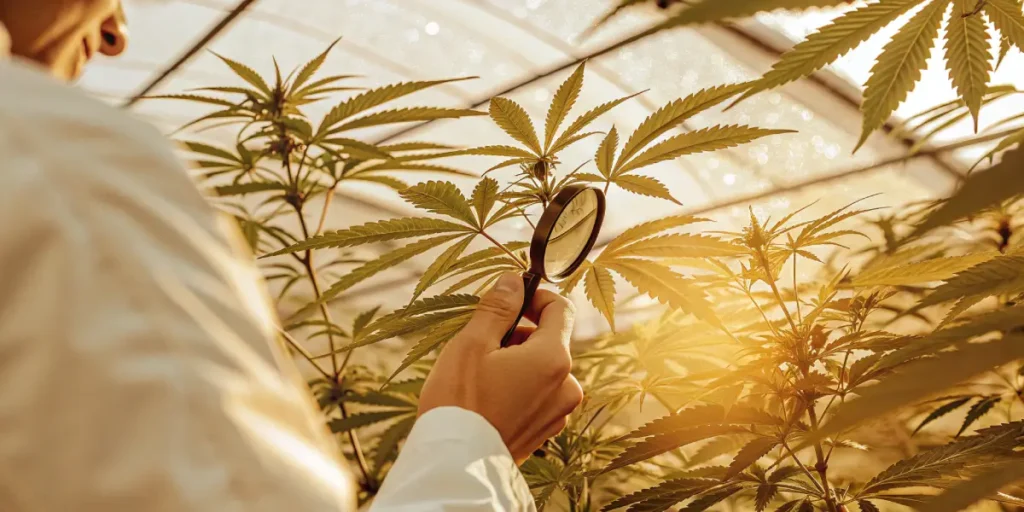
Real-Life Examples of Brix Data Driven Cultivation
Consider a grower cultivating the popular Blue Dream strain from Blimburn Seeds. By implementing brix data driven cultivation methods for cannabis, the grower noted an increase in brix levels after optimizing the nutrient regimen and adjusting light cycles. As a result, the Blue Dream plants produced larger, more potent buds, showcasing the tangible benefits of this approach.
Another example involves a novice grower experimenting with Sour Diesel. Initially, brix levels were suboptimal, indicating potential nutrient deficiencies. After integrating brix data into their growing strategy and adjusting the nutrient mix, the grower observed a significant improvement in plant health and yield. This practical application highlights how brix measurement can transform even a beginner’s growing experience into a successful harvest.
These real-life examples underscore the versatility and effectiveness of brix data driven cultivation methods for cannabis. By leveraging brix measurements, growers can achieve remarkable improvements in plant health and yield across different strains and growing conditions. This adaptability makes brix data driven methods a valuable tool for both novice and experienced growers.
The success stories of using brix data driven cultivation methods for cannabis demonstrate the potential for scalable and sustainable growing practices. By focusing on data-driven adjustments, growers can create a cultivation environment that is finely tuned to enhance plant health, yield, and quality. This results in a superior end product that meets the demands of the discerning cannabis consumer.
FAQs about brix data driven cultivation methods for cannabis
What are brix levels, and why are they important in cannabis cultivation?
Brix levels measure the sugar content in plant sap. In the context of cannabis cultivation, these levels are important because they provide insights into the plant’s overall health and vigor. High brix levels typically indicate that the plant is healthy, has sufficient nutrients, and is capable of producing higher yields. By monitoring brix levels, growers can make informed decisions about how to optimize their cultivation practices to improve crop quality and quantity.
For example, if a grower notices declining brix levels, it might signal a need to adjust nutrient regimens or environmental conditions. Conversely, consistent high brix levels suggest that the plants are thriving, allowing the grower to continue with their current strategies. This data-driven approach ensures that growers can anticipate and address plant needs effectively, leading to healthier plants and better harvests.
Knowing the significance of brix levels can transform cannabis cultivation. By implementing brix data driven cultivation methods for cannabis, growers can achieve a higher level of precision in their growing techniques. This approach not only enhances yield and quality but also contributes to more sustainable and efficient farming practices.
The importance of brix levels is further highlighted by their role in predicting plant resilience against pests and diseases. High brix levels are often correlated with stronger, more robust plants, reducing the need for chemical interventions. This natural resilience is a key advantage of incorporating brix measurement cannabis cultivation methods into your growing strategy.
How can brix measurements be integrated into existing cannabis cultivation methods?
Integrating brix measurements into existing cannabis cultivation methods involves regularly measuring brix levels and using that data to inform growing decisions. This can be done by periodically collecting sap samples from your cannabis plants and using a refractometer to measure brix levels. The information gathered can help you adjust factors such as nutrient schedules, watering practices, and light exposure to better meet the needs of your plants.
For instance, if a grower working with Blimburn Seeds Gelato strain observes low brix levels, they might decide to increase the nutrient concentration or adjust the pH levels of their growing medium. On the other hand, high brix readings could confirm that the current cultivation practices are effective. This integration of brix measurements helps growers create a more responsive and optimized growing environment.
By incorporating brix data driven cultivation methods for cannabis, growers can achieve a higher degree of control over their cultivation practices. This precision allows for targeted interventions that can enhance plant health and yield, minimizing guesswork and maximizing efficiency. The result is a more sustainable and productive cultivation process that benefits both the grower and the environment.
Integrating brix data into cannabis farming strategies also provides a framework for continuous improvement. By regularly analyzing brix data, growers can identify trends and make data-driven adjustments that enhance plant performance. This iterative process ensures that cultivation methods remain effective and aligned with the latest advancements in cannabis growing techniques.
What tools are needed to measure brix levels in cannabis plants?
The primary tool needed to measure brix levels in cannabis plants is a refractometer. This device measures the refractive index of plant sap, which correlates with sugar content. To use a refractometer, you’ll need to collect a small sample of sap from your cannabis plants. This can be done by gently crushing a leaf or stem and applying the sap directly to the refractometer for a reading.
Refractometers are relatively affordable and easy to use, making them accessible to both novice and experienced growers. By regularly measuring brix levels, growers can gain valuable insights into plant health and make data-driven decisions to optimize their cultivation practices. This straightforward tool is an essential component of brix data driven cultivation methods for cannabis.
Besides to refractometers, growers may benefit from using complementary tools such as pH meters and soil testers. These devices can provide additional insights into the growing environment, helping to identify factors that may influence brix levels. By combining these tools, growers can achieve a comprehensive knowing of their plants’ health and optimize their cultivation practices accordingly.
To maximize the benefits of brix measurement cannabis cultivation methods, growers should also consider investing in record-keeping tools. Keeping detailed logs of brix readings and related cultivation data can help track progress and identify areas for improvement. This practice supports the ongoing refinement of growing strategies and the achievement of superior cultivation outcomes.
Can brix data driven cultivation methods be used for all cannabis strains?
Yes, brix data driven cultivation methods can be applied to all cannabis strains, though the specific strategies and adjustments may vary depending on the strain’s unique characteristics. For example, some strains may require different nutrient ratios or environmental conditions to achieve optimal brix levels. By measuring brix levels and analyzing the data, growers can tailor their cultivation approaches to suit the specific needs of each strain.
Whether you’re growing Blimburn Seeds’ Sour Diesel, Blue Dream, or any other strain, incorporating brix measurements can enhance your cultivation techniques. This adaptability makes brix data driven methods a valuable tool for growers seeking to optimize plant health and maximize yield across a variety of cannabis strains.
Applying brix data driven cultivation methods for cannabis to different strains allows growers to unlock the full potential of each variety. By knowing the unique requirements of each strain, growers can customize their cultivation practices to achieve the best possible outcomes. This personalized approach enhances both yield and quality, ensuring that each strain reaches its full potential.
Moreover, the versatility of brix measurement cannabis cultivation methods makes them suitable for various growing environments, including indoor, outdoor, and greenhouse settings. Regardless of the cultivation setting, brix data driven methods provide a reliable framework for achieving consistent and high-quality results. This universality is a key advantage of adopting brix data driven cultivation methods for cannabis.
How often should brix levels be measured in cannabis plants?
Brix levels should be measured regularly throughout the cannabis growth cycle to ensure that plants remain healthy and productive. It’s recommended to take brix measurements at least once a week, though more frequent monitoring may be beneficial during critical growth stages. Regular measurement allows growers to track changes in plant health and make timely adjustments to cultivation practices.
By consistently measuring brix levels, growers can identify trends and respond proactively to any issues that arise. For instance, if a drop in brix levels is detected, the grower can investigate potential causes such as nutrient deficiencies or environmental stress and take corrective action. This ongoing monitoring is a key component of successful brix data driven cultivation methods for cannabis.
Regular brix measurement is an integral part of cannabis cultivation optimization using brix data. By maintaining a consistent monitoring schedule, growers can ensure that plants receive timely interventions to support their health and productivity. This proactive approach minimizes the risk of yield loss and enhances the overall quality of the harvest.
Furthermore, frequent brix measurements provide valuable data for analyzing the impact of cultivation practices on plant performance. This information can guide data-driven cannabis growing techniques based on brix, allowing for continuous refinement and improvement. As a result, growers can achieve superior outcomes while maintaining the flexibility to adapt to changing conditions.