Proven Best Nutrient Combinations for Indoor Cannabis Success

Growing cannabis indoors offers the unique advantage of controlling your environment completely. To achieve this, the best nutrient combinations for indoor cannabis are essential. These combinations ensure your plants receive everything they need to thrive. Whether you’re a novice or a seasoned grower, mastering nutrient combinations can make a significant difference in your harvest.
Feeding cannabis the right nutrients involves knowing what they need at each growth stage. The best nutrient combinations for indoor cannabis include a balance of macro and micronutrients. These elements are crucial to healthy plant growth and maximizing yields.
Recommended Strains

Gorilla x Z OG Auto

|
THC | 18% - 20% (Medium) |

|
Type | Autoflowering |

|
Yield | Medium |

|
Phenotype | 65% Indica / 35% Sativa |
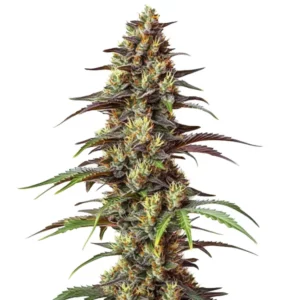
Bruce Banner Regular
|
|
THC | 25% - 32% (High) |
|
|
Type | Regular |
|
|
Yield | High |
|
|
Phenotype | 40% Indica / 60% Sativa |
For those growing strains like Gorilla Zkittlez from Blimburn Seeds, it’s important to tailor your nutrient mix to the plant’s specific needs. This strain, known for its robust growth, can greatly benefit from a well-planned nutrient schedule.
The Basics of Cannabis Nutrients
Cannabis plants require a mix of nutrients, often divided into macro and micronutrients. The macronutrients include Nitrogen (N), Phosphorus (P), and Potassium (K), which are vital for growth. These nutrients are often referred to as N-P-K. Nitrogen supports leaf growth, phosphorus is essential for root and flower development, and potassium helps with overall plant health.
Alongside these, micronutrients like calcium, magnesium, and iron play a supportive role. While needed in smaller amounts, their absence can lead to deficiencies. For strains like Blue Dream from Blimburn Seeds, a balanced nutrient mix ensures vigorous growth and abundant yields.
Knowing the function of each nutrient allows growers to make informed decisions about their nutrient schedule. Implementing an optimal nutrient mix for indoor cannabis not only improves plant health but also enhances flavor and potency. Regular soil testing can help determine any deficiencies or excesses, guiding you to adjust your nutrient application accordingly.
Moreover, the quality of water used in nutrient solutions can influence nutrient availability. Hard water, for instance, might contain high calcium levels that can lead to nutrient lockout if not managed properly. Using filtered or distilled water can help maintain the delicate balance needed for the best nutrient combinations for indoor cannabis.
Promos & Deals



Optimizing Your Nutrient Schedule
An indoor cannabis nutrient schedule guide helps in applying nutrients at the right time. During the vegetative stage, a higher nitrogen ratio supports leaf and stem growth. Transitioning to the flowering stage, the focus shifts to phosphorus and potassium, aiding in bud development.
Knowing nutrient ratios for indoor cannabis growth is crucial. A common approach is to start with a 3-1-2 (N-P-K) ratio in the vegetative stage, moving to a 1-3-2 ratio during flowering. Adjustments may be necessary based on plant response and specific strain needs.
Tailoring your indoor cannabis nutrient schedule guide to your specific environment is paramount for achieving optimal results. Consider factors such as light intensity, temperature, and humidity, as these can affect nutrient uptake and plant metabolism. Each strain may have unique requirements, and a keen observation of their growth patterns will inform necessary adjustments.
It’s also beneficial to incorporate periodic flushes into your schedule. Flushing helps remove excess salts and nutrient build-up, preventing toxicity and ensuring that the plants are ready for the next stage of growth. This practice is especially important during the final weeks of flowering, allowing for a smoother taste in the harvested product.
Best Fertilizers for Indoor Cannabis Plants
Choosing the best fertilizers for indoor cannabis plants can greatly impact your results. Organic fertilizers like compost and worm castings are popular for their natural benefits. They improve soil structure and provide a slow release of nutrients.
For those growing strains like Bruce Banner Regular from Blimburn Seeds, synthetic fertilizers can offer precise nutrient control. These fertilizers are designed to deliver exact nutrient ratios, making them ideal for growers seeking consistency.
Combining both organic and synthetic fertilizers can offer a balanced approach, leveraging the immediate availability of synthetic nutrients with the long-term soil health benefits of organic options. This hybrid approach can be particularly effective for maximizing indoor cannabis yield nutrients.
Experimenting with different fertilizer brands and formulations can help identify what works best for your specific strains and growing conditions. Always start with recommended dosages and gradually adjust based on plant response and observed growth patterns.
Maximizing Indoor Cannabis Yield with Nutrients
Maximizing indoor cannabis yield nutrients involves more than just feeding your plants. Monitoring pH levels and ensuring proper water quality are also critical. Cannabis prefers slightly acidic conditions, with a pH range of 6.0 to 6.5.
Strains like Gorilla x Z OG from Blimburn Seeds can thrive when these conditions are met. Regularly testing soil or hydroponic solutions can prevent nutrient lockout, where plants can’t absorb nutrients due to pH imbalances.
Consistent monitoring of environmental parameters such as light, temperature, and humidity can further optimize nutrient uptake. Proper ventilation ensures that plants receive adequate carbon dioxide, which supports photosynthesis and nutrient absorption.
Utilizing advanced techniques such as SCROG (Screen of Green) or LST (Low-Stress Training) can enhance light exposure and airflow, further promoting robust growth and higher yields. These methods complement a well-planned nutrient strategy by ensuring every part of the plant receives equal attention and care.
Real-Life Tips for Nutrient Success
Experimentation is key. Every grow environment is different, so what works for one grower might not work for another. Begin with recommended nutrient schedules and adjust as necessary based on plant feedback.
Using strains like Blue Dream or Bruce Banner #3 from Blimburn Seeds, track your results. Note any changes in plant health or yield when you adjust nutrient combinations. This data is invaluable for refining your approach in future grows.
Documenting your experiments and observations can provide valuable insights into the best nutrient combinations for indoor cannabis. Keep detailed records of nutrient schedules, environmental conditions, and plant responses to identify patterns and make informed decisions.
Networking with other growers and sharing experiences can also lead to discovering new techniques and products that enhance your growing practice. Learning from both successes and challenges faced by others in the community offers a broader perspective on nutrient management.
FAQs about best nutrient combinations for indoor cannabis
What are the best nutrient combinations for indoor cannabis?
The best nutrient combinations for indoor cannabis vary depending on the growth stage. During vegetative growth, a nitrogen-rich mix is ideal. Transitioning to flowering, focus on phosphorus and potassium. An optimal nutrient mix for indoor cannabis ensures balanced growth and development.
It’s crucial to tailor these combinations to your specific cannabis strain. Blimburn Seeds offers strains like Blue Dream, which can benefit from a customized nutrient schedule. Always monitor plant reactions and adjust accordingly.
Considering the specific needs and responses of your plants to different nutrient formulas will help fine-tune your approach. Regular soil and plant tissue analysis can provide insights into nutrient uptake and guide necessary adjustments.
Innovations in nutrient technology are continuously emerging, offering growers new products that claim to enhance plant growth and yield. Staying informed about these developments can present opportunities to optimize your nutrient strategy further.
How do I create an indoor cannabis nutrient schedule guide?
An indoor cannabis nutrient schedule guide starts with knowing the stages of growth. Begin with a vegetative phase plan, emphasizing nitrogen. As plants bloom, shift to nutrients that support flowering. Keep track of your schedule and plant responses.
For instance, if growing Bruce Banner Regular from Blimburn Seeds, you might find it needs more phosphorus during early flowering. Documenting these findings helps refine your schedule for future grows.
Incorporating feedback from your plants into your scheduling guide is vital. Adjusting nutrient applications based on plant health indicators such as leaf color, growth rate, and bud development can ensure optimal results.
Utilize technology tools, such as mobile apps or spreadsheets, to track and analyze your nutrient schedule and plant growth data. These tools can streamline the process of making adjustments and provide a clearer picture of your grow operation.
What are the signs of nutrient deficiencies in cannabis plants?
Common signs of nutrient deficiencies include yellowing leaves, slow growth, and poor bud development. Each deficiency has specific symptoms. For example, nitrogen deficiency often shows as yellowing starting at the bottom of the plant.
Strains like Gorilla x Z OG from Blimburn Seeds may show different deficiency signs. Regular observation and adjusting nutrients can help address these issues promptly, ensuring healthy plant development.
Deficiency symptoms can sometimes mimic other issues such as pest infestations or pH imbalances. Conducting a thorough inspection and considering all potential causes is necessary for an accurate diagnosis and effective treatment.
Preventative measures, such as ensuring a consistent and balanced nutrient supply, can help mitigate the risk of deficiencies. Regularly reviewing and adjusting your nutrient strategy based on plant feedback will support healthier growth.
Can I use household items as nutrients for my cannabis plants?
Some household items can supplement cannabis nutrients. For example, coffee grounds provide nitrogen, while eggshells offer calcium. However, these should be used sparingly and not as a primary nutrient source.
It’s essential to understand the specific needs of your plants. While household items can be beneficial, they lack the balanced nutrient ratios for indoor cannabis growth found in commercial fertilizers.
Experimenting with homemade nutrient solutions can be a cost-effective method for small-scale grows. However, it’s crucial to supplement these with commercial fertilizers to ensure plants receive a complete range of necessary nutrients.
Researching and knowing the nutrient content of household items can prevent the risk of over-supplying certain elements, which can lead to toxicity. Always monitor plant responses to any new nutrient additions closely.
How often should I feed my indoor cannabis plants?
The frequency of feeding depends on the growth stage and nutrient type. Generally, feeding once a week is common during the vegetative stage. During flowering, this can increase to twice a week. Always follow the product guidelines and observe your plants’ responses.
With strains from Blimburn Seeds, such as Blue Dream, monitoring plant health ensures you are providing the right nutrients at the right time. Adjust feeding schedules based on plant growth and environmental conditions.
It’s crucial to avoid over-fertilizing, as this can harm plant health. Signs of over-fertilization include leaf burn and nutrient lockout. Adjusting the feeding schedule and conducting regular flushes can mitigate these risks.
Watering practices can also affect nutrient uptake. Ensuring that the growing medium is not oversaturated allows roots to access oxygen, which is vital for nutrient absorption and overall plant health.