Pros and Cons of Tissue vs Sap Testing in Marijuana

Knowing the health and nutrient status of your cannabis plants is crucial for achieving optimal growth and yield. Two popular methods for assessing plant health are tissue testing and sap testing. Each of these methods offers unique insights and has its own set of pros and cons. Knowing the pros and cons of tissue vs sap testing in marijuana can help both first-time cannabis seed buyers and experienced growers make informed decisions and fine-tune their cultivation strategies for healthier, more productive plants.
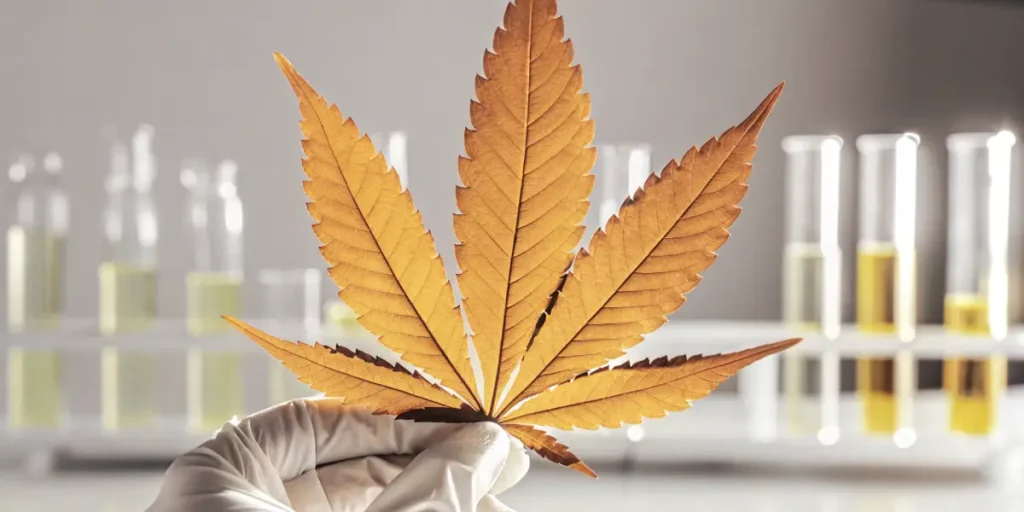
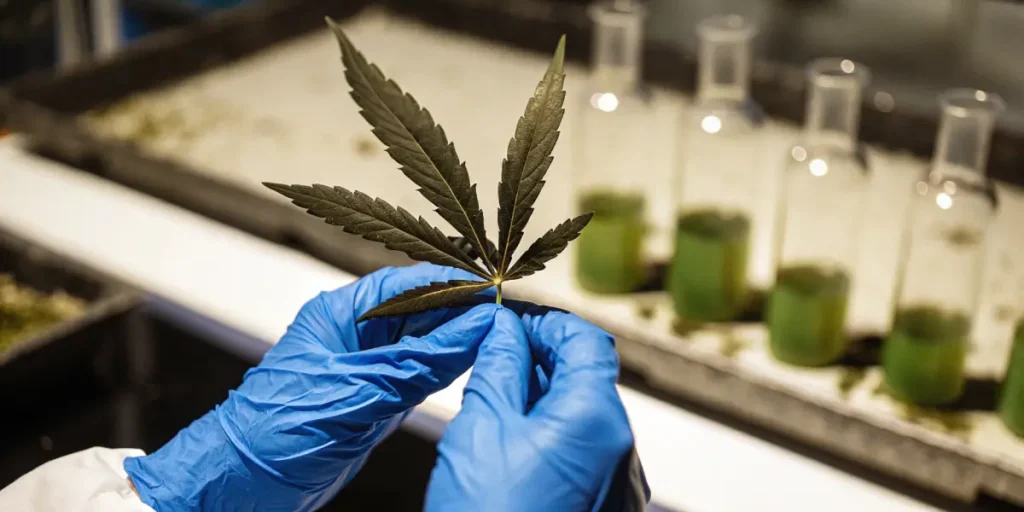
Tissue testing involves analyzing the plant’s leaves to understand the nutrient content at a specific point in time. This method provides a snapshot of what the plant has absorbed. On the other hand, sap testing examines the plant’s sap, offering a real-time analysis of nutrient availability and potential deficiencies. Deciding between tissue and sap testing depends on your specific cultivation goals and challenges.
Recommended Strains
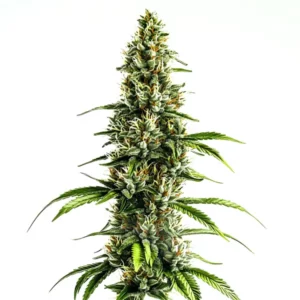
Blueberry

|
THC | 15% - 24% (Medium) |

|
Type | Feminized |

|
Yield | High |

|
Phenotype | 80% Indica / 20% Sativa |
Chocolopez
|
|
THC | 18% - 20% (Medium) |
|
|
Type | Feminized |
|
|
Yield | Medium |
|
|
Phenotype | 30% Indica / 70% Sativa |
Choosing the right testing method can be the difference between a mediocre yield and a bountiful harvest. In this article, we will explore the advantages and disadvantages of tissue testing in cannabis cultivation, as well as the pros and cons of sap testing in cannabis growing. By comparing tissue and sap testing methods for marijuana, you’ll be better equipped to make informed decisions for your plants.
Outcomes of Tissue Testing in Cannabis Cultivation
Tissue testing provides a detailed analysis of the nutrient levels within your cannabis plants. This method is particularly beneficial for identifying nutrient deficiencies or toxicities that might not be visible to the naked eye. By knowing the internal nutrient composition, growers can adjust their feeding strategies to enhance plant health. When evaluating the pros and cons of tissue vs sap testing in marijuana, tissue testing stands out for its accuracy and reliability, while sap testing offers faster, real-time insights into a plant’s current nutrient uptake.
However, tissue testing offers a historical perspective, showing what the plant has absorbed up to that point. This can be a limitation if you need real-time data to make immediate changes in your cultivation practices. Despite this, the benefits of tissue testing still make it a valuable tool for many growers.
Promos & Deals

Benefits of Sap Testing for Marijuana Plants
Sap testing provides an immediate snapshot of the plant’s nutrient status, reflecting what is currently available to the plant. This real-time analysis is invaluable for growers looking to make quick adjustments to their nutrient regimens. It can help in detecting nutrient imbalances before they manifest as visible symptoms.
While sap testing offers a real-time view, it requires more sophisticated equipment and expertise to interpret the results accurately. For some growers, this might be a barrier to adopting this method. Nevertheless, the dynamic insights offered by sap testing can significantly enhance cannabis cultivation efforts.
Choosing Between Tissue and Sap Testing for Your Cannabis Crop
When deciding between tissue testing versus sap testing for marijuana plants, consider the specific needs of your crop and your cultivation goals. Tissue testing is ideal for long-term nutrient management, while sap testing is better suited for making immediate adjustments to your feeding protocols.
Another factor to consider is the cost and accessibility of the testing methods. Sap testing might require more investment in equipment and training, whereas tissue testing is often more accessible and cost-effective for many growers. Weighing these factors will help you choose the most appropriate method for your needs.
Exploring Cannabis Strains for Optimal Growth
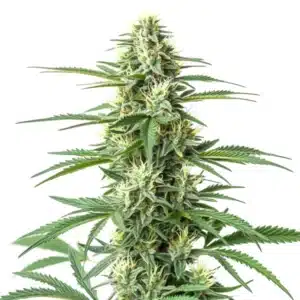
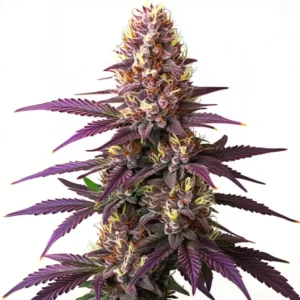
Blueberry
Blueberry is known for its robust growth and high yields. It thrives in both indoor and outdoor environments, making it a versatile choice for growers. This strain benefits from precise nutrient management, making it an excellent candidate for both tissue and sap testing methods.
- Yield: High
- Flowering: 9-10 weeks
- THC: 15-24%
CBD Critical Mass
CBD Critical Mass is ideal for growers looking for a strain with therapeutic benefits. Its balanced ratio of THC to CBD offers a mellow effect, suitable for medical users. This strain’s nutrient needs can be monitored effectively using sap testing to ensure optimal health and potency.
- Yield: Low
- Flowering: 8-10 weeks
- THC: 5%, CBD: 5%
- Terpene hints: Earthy, citrus, pine
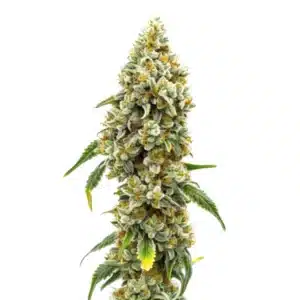
Chocolopez
Chocolopez is a sativa-dominant strain celebrated for its energizing effects and sweet chocolate flavor. This strain can be sensitive to nutrient levels, making it a prime candidate for regular nutrient testing. Both tissue and sap testing can help maintain its vibrant growth and high yield.
- Yield: Medium
- Flowering: 8-10 weeks
- THC: 18-20%
- Terpene hints: Chocolate, coffee, sweet
FAQs About Pros and cons of tissue vs sap testing in marijuana
What is the main difference between tissue and sap testing?
The primary difference between tissue and sap testing lies in what they measure and when. Tissue testing provides a snapshot of the nutrients that the plant has absorbed up to the point of testing. It helps in knowing any deficiencies or toxicities that have already occurred. Conversely, sap testing offers a real-time view of the nutrients currently available to the plant, allowing for more immediate adjustments in nutrient applications.
This distinction is crucial for growers when planning their nutrient management strategies. While tissue testing is excellent for long-term nutrient adjustments, sap testing provides the flexibility to address immediate issues. Both methods, when used together, can provide a comprehensive view of plant health, but the choice between them often depends on the specific needs and resources of the grower.
How often should I perform tissue testing?
Tissue testing frequency can vary depending on the growth stage of the plant and the specific goals of the grower. Generally, it is advisable to perform tissue testing at least once every few weeks during the key stages of growth, such as vegetative and flowering phases. This regular testing helps in identifying nutrient trends and making timely adjustments to nutrient applications.
For growers seeking to optimize their nutrient management further, more frequent testing might be beneficial. However, it’s important to balance the cost and time involved in testing with the potential benefits. Regular monitoring can prevent minor issues from becoming major problems, ultimately leading to healthier plants and better yields.
Is sap testing suitable for all cannabis strains?
Sap testing can be beneficial for a wide range of cannabis strains, but its suitability may vary based on the grower’s expertise and the specific needs of the strain. Some strains may require more precise nutrient management, making sap testing highly advantageous. However, the requirement for specialized equipment and interpretation of results can be a barrier for some growers.
For strains known for their sensitivity to nutrient imbalances, such as those requiring specific nutrient profiles, sap testing can provide invaluable insights. Growers should consider their own experience level and the particular demands of their cannabis strains when deciding whether to incorporate sap testing into their cultivation practices.
Can I rely solely on one testing method?
While it is possible to rely solely on one testing method, combining tissue and sap testing often provides the most comprehensive knowing of plant health. Each method has its unique strengths: tissue testing offers historical data, while sap testing gives a current snapshot. Utilizing both can ensure a more balanced approach to nutrient management.
However, if resources or expertise limit the use of both methods, growers should choose the one that best aligns with their cultivation goals. For many, starting with tissue testing for its accessibility and gradually incorporating sap testing as needed can be a practical approach to enhancing plant health and yield.
What are the potential drawbacks of using sap testing methods?
One of the main drawbacks of sap testing is its requirement for more advanced equipment and technical expertise. Interpreting the results accurately can be challenging for those unfamiliar with the process, potentially leading to misinformed decisions regarding nutrient management. Additionally, the cost of sap testing equipment can be a barrier for smaller-scale or hobbyist growers.
Despite these challenges, the real-time data provided by sap testing can be invaluable for optimizing nutrient applications and preventing nutrient deficiencies or toxicities. For growers willing to invest the time and resources needed to master this method, the benefits can significantly outweigh the drawbacks, leading to healthier plants and improved yields.