Plant Hormone Signaling Cannabis

Summary: Plant hormone signaling in cannabis is the biological process that controls root growth, stem height, and bud weight. By mastering cannabis growth hormones like auxins and cytokinins, growers can trigger faster flowering and higher resin production for professional-grade results.
Plant Hormone Signaling in Cannabis
Plant hormone signaling in cannabis is like a complex computer code that tells the plant exactly how to grow. These internal messengers, also known as phytohormones, manage every stage of life from the moment a seed pops until the final harvest. For growers, learning to read these signals is the difference between a mediocre harvest and a legendary one.
Recommended Strains
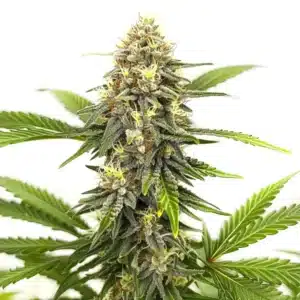
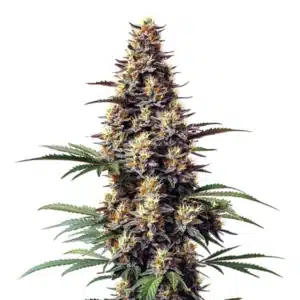
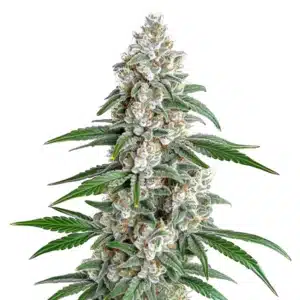
Afghan Hash Plant Regular

|
THC | 18% - 22% (Medium) |

|
Type | Regular |

|
Yield | Medium |

|
Phenotype | 90% Indica / 10% Sativa |
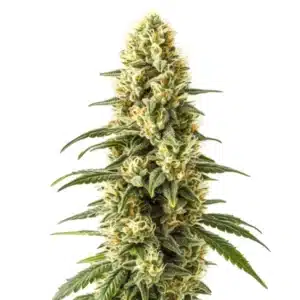
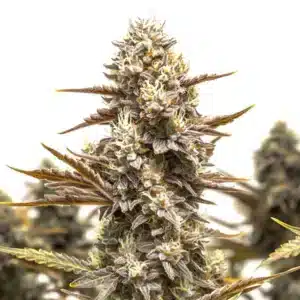
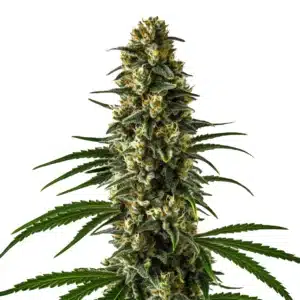
3 Kings
|
|
THC | 14% - 19% (Medium) |
|
|
Type | Feminized |
|
|
Yield | Medium |
|
|
Phenotype | 30% Indica / 70% Sativa |
In a healthy cannabis plant, hormones move through the vascular system to deliver growth instructions. Auxins typically dominate the top of the plant to push vertical growth, while cytokinins work in the roots to encourage side branching. When you “top” a plant, you are physically breaking the auxin signal to force the plant to become bushier and produce more colas.
Success with high-end genetics, like those from Blimburn Seeds, requires a stable environment where these signaling pathways are never interrupted. Stress from heat or poor watering can cause abscisic acid (ABA) to spike, which closes the breathing pores (stomata) and stops photosynthesis. Keeping these pathways clear ensures your plant spends its energy on making THC and terpenes rather than just surviving.
Promos & Deals
The Core Cannabis Growth Hormones
There are five main cannabis growth hormones that dictate your plant’s architecture. Auxins are responsible for “apical dominance,” which is why cannabis naturally grows like a Christmas tree. By using low-stress training (LST), you can move these auxins around to ensure every bud site gets enough light to turn into a “top” bud.
Gibberellins are the gas pedal for cell stretching and seed germination. While they are vital for making plants tall enough to catch the light, too much gibberellin, often caused by low light levels, leads to “stretching.” This results in weak stems that can’t support heavy flowers later in the season. Proper light intensity keeps gibberellin signaling in check.
Cytokinins are the secret to a high-yielding “Sea of Green” (SOG). These hormones promote cell division and leaf growth. By encouraging cytokinin production, you help the plant build more “solar panels” (fan leaves) early in the vegetative stage. This increases the amount of light energy the plant can store, leading to much denser buds during the flowering phase.
Hormone Profile: Cannabis Growth Comparison
| Hormone Type | Main Growth Function | Grower Action/Trigger | Target Effect |
|---|---|---|---|
| Auxins | Rooting & Vertical Growth | Topping / FIMing | Increases Bud Sites |
| Cytokinins | Cell Division / Foliage | Root Zone Pruning | Bushier Structure |
| Gibberellins | Stem Stretch / Germination | Light Spectrum Adjust | Fast Seed Sprouting |
| Ethylene | Ripening / Sex Expression | Environmental Stress | Triggers Flowering |
| Abscisic Acid | Water Control / Stress | Dry Back Cycles | Drought Resistance |
| Jasmonates | Defense / Trichomes | UV-B Exposure | High Resin/THC |
Optimizing Plant Hormone Signaling Pathways
Managing the plant hormone signaling pathways involves more than just adding nutrients. It requires controlling the environment to mimic nature’s signals. For example, during the transition to flowering, a shift to a 12/12 light cycle signals the plant to reduce vegetative hormones and increase those responsible for flower production.
The “Entourage Effect” in cannabis doesn’t just happen in the finished bud; it begins with the chemical harmony of the living plant. Terpenes like Myrcene and Limonene are produced more heavily when the plant is in a “happy” hormonal state. If a plant is root-bound, the hormone signals become garbled, leading to small, airy buds that lack a strong aroma.
Advanced growers use “foliar feeding” with seaweed extracts to deliver cytokinins directly to the leaves. This bypasses the roots and can provide an instant boost in vitality. When growing strains like Blue Dream or Granddaddy Purple, keeping these pathways open through consistent humidity and PAR levels is the key to achieving that “hero” yield.
Professional Tips for Hormone Management
- Fresh Is Best: Use natural plant teas (like fermented nettle or garlic) on the same day you make them. Phytohormones are fragile and die quickly once exposed to air.
- Monthly Boost: Apply hormone-rich organic sprays only once a month. Overloading the plant can cause “hormonal confusion,” leading to strange leaf growth or hermies.
- Morning Foliar: Spray hormone treatments just as the lights come on. Stomata are widest in the morning, allowing the plant to absorb hormones more efficiently.
- Avoid Late Pruning: Stop heavy pruning at least two weeks before flowering. You need the auxin levels to stabilize so the plant can focus entirely on bud development.
- The 45-Degree Rule: Always make cuts at a 45-degree angle. This minimizes the “wound” signal sent to the plant, reducing the spike in stress hormones like ethylene.
Frequently Asked Questions
How do hormones affect cannabis plant yield?
Hormones dictate how many bud sites a plant develops and how large those buds grow. Auxins control the main structure, while cytokinins push the cell division needed for dense flowers. Skilfull manipulation, such as LST or topping, redistributes these hormones to ensure every branch becomes a high-yielding cola instead of just the main stem.
What is the impact of stress hormones on cannabis plants?
Stress hormones like abscisic acid (ABA) are survival tools. When your plant gets too hot or thirsty, ABA closes the stomata to save water. While this keeps the plant alive, it also stops growth entirely. If stress lasts too long, it can lower THC potency and lead to “couch-lock” effects due to degraded cannabinoid profiles.
Can hormone manipulation improve cannabis quality?
Absolutely. By using specific light spectrums (like adding UV-B), you trigger jasmonate production. This hormone is the plant’s defense system, and it responds by creating a thicker layer of resinous trichomes to protect itself. This results in much higher THC percentages and a more complex terpene profile, improving the overall “bag appeal” and effect.
What role do gibberellins play in cannabis plant development?
Gibberellins act as the primary growth engine for stem height and seed vigor. They are essential for breaking seed dormancy and starting the life cycle. However, growers must be careful; high gibberellin levels in late veg can cause the plant to become too tall and “leggy,” making it difficult to manage in small indoor tents.