Organic Practices to Minimize Allelopathy in Cannabis

Growing cannabis can be a rewarding experience, whether you’re a first-time seed buyer or an experienced cultivator. However, one issue many growers face is allelopathy, a biological phenomenon where one plant can inhibit the growth of another through chemical release. Luckily, there are organic practices to minimize allelopathy in cannabis cultivation, ensuring your crops thrive.
Allelopathy might sound complex, but it’s simply a natural plant interaction. By focusing on organic methods, you can reduce unwanted effects. With careful planning and mindful practices, even challenging strains like Gushers or Lemon Tree can flourish without interference.
Recommended Strains
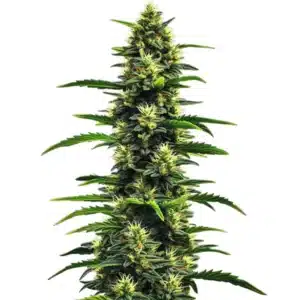
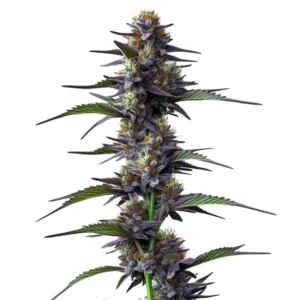
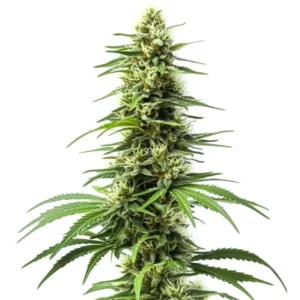
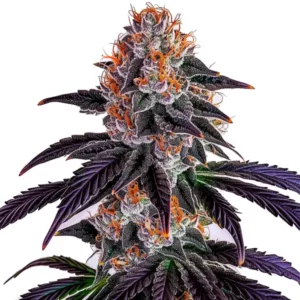
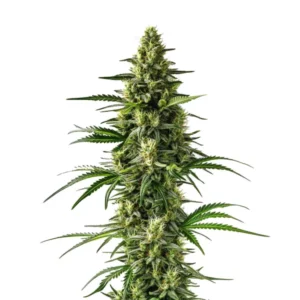
Gushers

|
THC | 22% - 25% (Medium) |

|
Type | Feminized |

|
Yield | Medium |

|
Phenotype | 60% Indica / 40% Sativa |
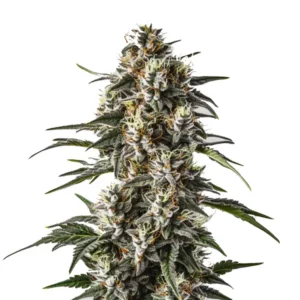
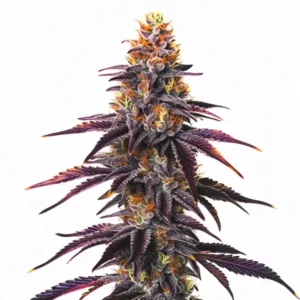
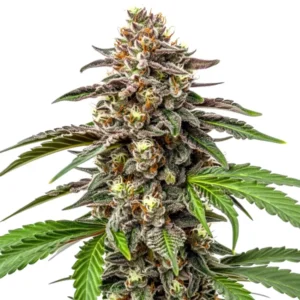
Lemon Tree
|
|
THC | 18% - 23% (Medium) |
|
|
Type | Feminized |
|
|
Yield | Medium |
|
|
Phenotype | 45% Indica / 55% Sativa |
In this guide, we’ll explore how growers can use organic methods to reduce cannabis allelopathy. Whether you’re cultivating Purple Thai or experimenting with other robust strains, these practices will help you maintain a healthy grow environment.
Knowing Allelopathy in Cannabis Cultivation
Allelopathy occurs when one plant impacts the growth of another through the release of biochemicals. This can be problematic for cannabis growers who want all their plants to flourish. Recognizing allelopathy’s presence can be the first step in combatting it effectively.
The Science Behind Allelopathy
Plants release chemicals called allelochemicals into the environment. These substances can affect the growth, survival, and reproduction of neighboring plants. In cannabis cultivation, these chemicals might come from competing plants or the cannabis itself.
For instance, Gushers may release compounds that inhibit nearby plants’ growth. Knowing this interaction helps growers implement strategies to minimize negative effects.
Common Signs of Allelopathy
Identifying allelopathy in your cannabis garden can be tricky. Typical signs include stunted growth, yellowing leaves, or plants failing to thrive despite optimal conditions. If your Lemon Tree isn’t doing well, allelopathy might be the culprit.
Observing your plants closely can help pinpoint allelopathy issues. Regular checks ensure you catch signs early and take corrective action promptly.
Promos & Deals


Implementing Organic Practices to Minimize Allelopathy
Using organic practices to minimize allelopathy in cannabis is both eco-friendly and effective. With careful application, you can create a harmonious growing environment for strains like Purple Thai.
Companion Planting
One effective organic method is companion planting. By growing beneficial plants alongside your cannabis, you can reduce the negative effects of allelopathy. For example, marigolds can repel pests and improve soil health.
- Marigolds: Deter pests and enhance soil nutrients.
- Clover: Fix nitrogen in the soil, promoting cannabis growth.
- Basil: Improves flavor and repels harmful insects.
Strategic companion planting can support strains like Gushers and Lemon Tree in thriving without interference from unwanted allelochemicals.
Soil Management
Healthy soil is key to reducing allelopathy. Incorporating organic matter like compost improves soil structure and nutrient content, helping to buffer against allelochemicals.
- Regularly add compost to enrich the soil.
- Use organic fertilizers to maintain nutrient balance.
- Perform soil tests to monitor pH and nutrient levels.
With well-managed soil, your cannabis plants, including Purple Thai, can access essential nutrients and grow robustly.
Maintaining a Balanced Cannabis Ecosystem
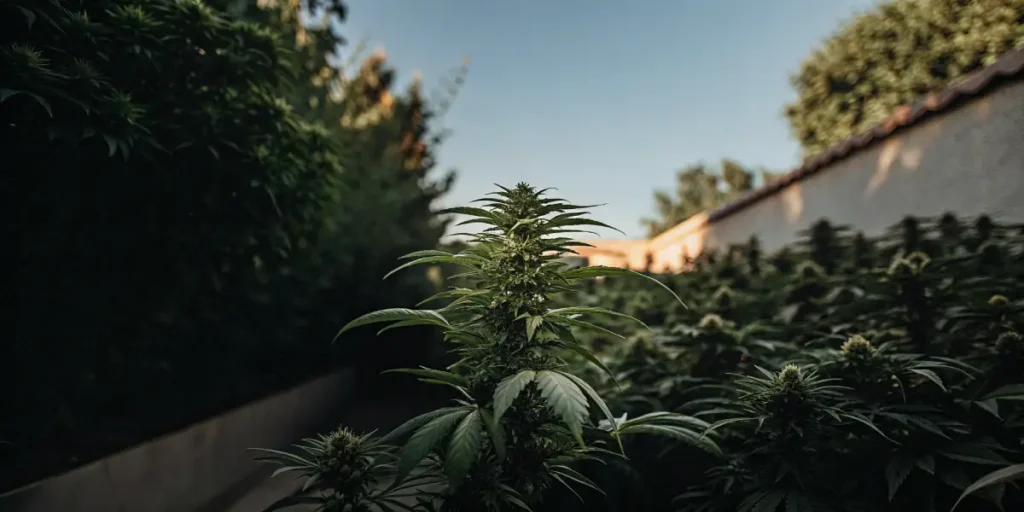
Creating a balanced ecosystem involves more than just soil and plant considerations. Environmental factors also play a crucial role in minimizing allelopathy in cannabis.
Water Management
Proper watering practices can reduce stress and enhance plant resilience. Overwatering or underwatering can exacerbate allelopathy effects.
Ensure your plants receive consistent moisture, especially strains like Purple Thai that thrive in balanced environments. Consider using drip irrigation to provide steady water supply without over-saturating the soil.
Environmental Conditions
Temperature, humidity, and light all impact plant health. Optimizing these conditions reduces stress and helps combat allelopathic effects. For instance, Gushers performs well in stable temperatures with adequate light.
- Maintain consistent temperature and humidity levels.
- Ensure adequate ventilation to prevent mold and mildew.
- Provide sufficient light for photosynthesis.
By controlling the environment, you can help strains like Lemon Tree flourish without the hindrance of allelopathy.
FAQs about Organic practices to minimize allelopathy in cannabis
What are organic practices to minimize allelopathy in cannabis?
Organic practices to minimize allelopathy in cannabis include techniques like companion planting, where beneficial plants are grown alongside cannabis to deter pests and improve soil health. Additionally, managing soil quality through the addition of compost and organic fertilizers helps create a balanced growing environment that mitigates allelopathic effects.
These practices support robust growth by providing essential nutrients and reducing the impact of harmful allelochemicals. By integrating environmental control measures such as proper watering and maintaining optimal temperature and humidity, growers can further enhance the health and yield of their cannabis plants.
How does companion planting work to reduce allelopathy?
Companion planting involves growing certain plants alongside cannabis to create a symbiotic relationship that benefits both. For example, plants like marigolds can repel pests and enhance soil nutrients, while clover helps fix nitrogen in the soil. This approach not only minimizes allelopathic effects but also promotes a healthy growing environment.
By carefully selecting companion plants, growers can improve soil conditions, deter pests, and enhance the overall health of cannabis strains such as Gushers and Lemon Tree. The strategy fosters a supportive ecosystem that allows cannabis to thrive without chemical interference.
Why is soil management important in reducing cannabis allelopathy?
Soil management is crucial in reducing allelopathy because it directly influences plant health and growth. Healthy soil, rich in organic matter and nutrients, can buffer against allelochemicals. Incorporating compost and performing regular soil tests help maintain optimal conditions for cannabis cultivation.
Organic soil management practices ensure that cannabis plants, like Purple Thai, access necessary nutrients and maintain resilience against allelopathic effects. By focusing on soil health, growers can create a supportive environment that minimizes negative interactions between plants.
Can water management affect allelopathy in cannabis cultivation?
Yes, water management significantly affects allelopathy in cannabis cultivation. Proper watering practices ensure that plants are not stressed, which can exacerbate the effects of allelopathy. Consistent moisture levels promote healthy growth and help combat negative chemical interactions.
Using techniques like drip irrigation provides a steady water supply, preventing over-saturation and reducing the risk of root rot. By managing water effectively, growers can support the growth of healthy cannabis plants, including strains like Lemon Tree.
What role do environmental conditions play in managing allelopathy?
Environmental conditions such as temperature, humidity, and light are critical in managing allelopathy. These factors influence plant health and stress levels, affecting how cannabis plants respond to allelopathic interactions. Maintaining stable environmental conditions helps minimize stress and promotes optimal plant growth.
For example, ensuring adequate ventilation and light can prevent issues like mold and support photosynthesis, crucial for strains like Gushers. By optimizing environmental conditions, growers can create a balanced ecosystem where cannabis plants flourish without allelopathic interference.