Nutrient Analysis in Cannabis: Tissue vs Sap Breakdown

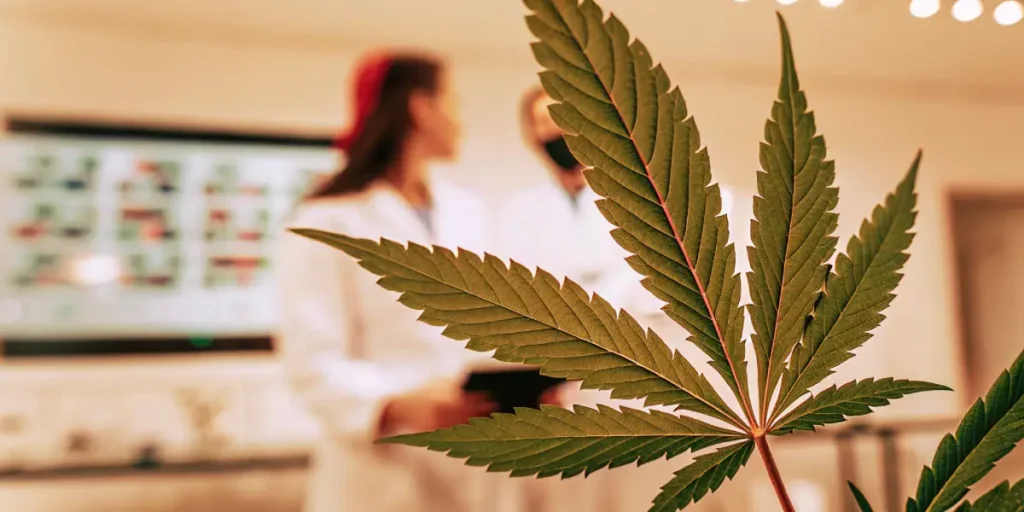
Knowing how cannabis plants absorb and utilize nutrients is crucial for both first-time growers and experienced cultivators. Nutrient analysis in cannabis: tissue vs sap breakdown plays a significant role in optimizing plant health and maximizing yields. By examining both plant tissue and sap, growers can make informed decisions about fertilization and nutrient management. This analysis helps pinpoint deficiencies, allowing for targeted interventions that enhance growth, potency, and overall plant performance.
Cannabis plants, much like other crops, require a balanced intake of nutrients to thrive. Tissue analysis provides a snapshot of nutrient levels stored within the plant, while sap analysis offers real-time insights into nutrient uptake and transport. Both methods have their advantages, and knowing their differences is key to effective cannabis cultivation. By exploring nutrient analysis methods, cultivators can improve their growing strategies and achieve better results.
Recommended Strains
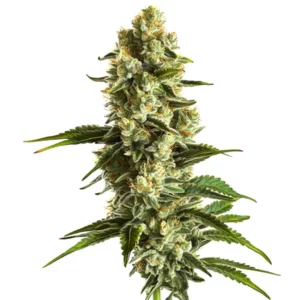
Banana Kush

|
THC | 17% - 21% (Medium) |

|
Type | Feminized |

|
Yield | High |

|
Phenotype | 60% Indica / 40% Sativa |

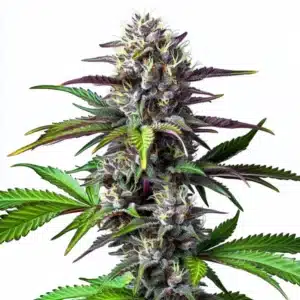
Gelato
|
|
THC | 27% (High) |
|
|
Type | Feminized |
|
|
Yield | High |
|
|
Phenotype | 50% Indica / 50% Sativa |
In this article, we delve into the intricacies of nutrient analysis in cannabis, focusing on the differences between tissue and sap breakdown. We discuss the benefits and challenges of each method, provide practical examples, and offer recommendations on cannabis strains that thrive under various nutrient conditions.
Knowing Nutrient Analysis in Cannabis: Tissue vs Sap Methods
Tissue analysis involves collecting and analyzing plant material to determine nutrient content. This method provides a historical perspective on nutrient uptake, showing what the plant has accumulated over time. It’s a reliable approach for identifying chronic deficiencies or nutrient imbalances that may affect growth. When exploring nutrient analysis in cannabis: tissue vs sap breakdown, tissue testing offers long-term insights, while sap analysis provides real-time data to fine-tune feeding strategies for optimal plant health.
In contrast, sap analysis examines the nutrient content of the plant’s sap, offering a more dynamic view of nutrient uptake. This method provides immediate insights into how effectively nutrients are being absorbed and transported within the plant. It’s particularly useful for making quick adjustments to nutrient regimens.
- Tissue analysis reflects stored nutrients.
- Sap analysis offers real-time nutrient status.
- Both methods help optimize fertilization strategies.
Promos & Deals

Benefits of Analyzing Cannabis Sap for Nutrient Profiling
Analyzing cannabis sap allows growers to address nutrient issues as they arise. The real-time data provided by sap analysis enables cultivators to make timely adjustments to their feeding schedules. This proactive approach can prevent nutrient deficiencies before they impact plant health and yield.
Sap analysis is particularly beneficial for identifying transient nutrient issues that tissue analysis might miss. By monitoring sap, growers can gauge the effectiveness of their nutrient solutions and ensure that plants receive the right balance of nutrients at every growth stage.
How Tissue Analysis Contributes to Cannabis Cultivation
Tissue analysis remains a valuable tool for knowing long-term nutrient trends within cannabis plants. By examining the nutrient content of leaves and other plant parts, growers can identify patterns that may indicate deficiencies or toxicities. This information is crucial for developing effective fertilization plans that support healthy plant development.
While tissue analysis doesn’t provide real-time data, it offers a comprehensive overview of nutrient storage within the plant. This long-term perspective is essential for planning future nutrient interventions and ensuring that plants have the resources they need to thrive.
Recommended Cannabis Strains for Effective Nutrient Analysis
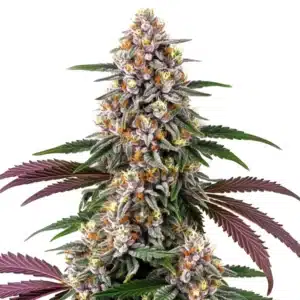
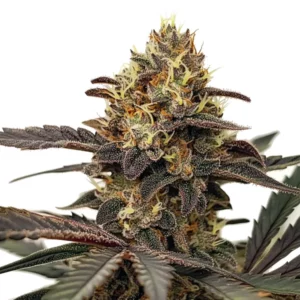
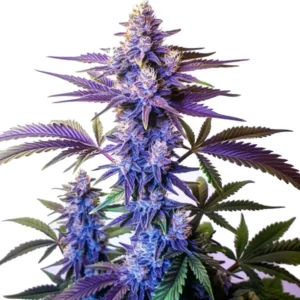
Purple Punch
Purple Punch is an indica-dominant strain known for its potent effects and vibrant purple hues. This strain thrives with a balanced nutrient regimen, making it ideal for growers who use tissue and sap analysis to fine-tune their nutrient strategies. Its resilience and strong terpene profile make it a favorite among cultivators.
- Yield: Medium
- Flowering: 7-8 weeks
- THC: 15-20%
- Terpene Hints: Berry, grape, vanilla
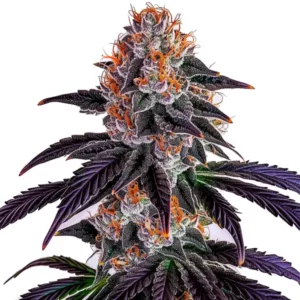
Gelato
Gelato is a balanced hybrid strain that benefits from precise nutrient management. Its unique combination of flavors and high THC content make it a popular choice for both recreational and medicinal users. Growers can utilize nutrient analysis to enhance Gelato’s growth potential and terpene production, achieving robust and flavorful yields.
- Yield: High
- Flowering: 8-10 weeks
- THC: 27%
- Terpene Hints: Citrus, mint, sweet
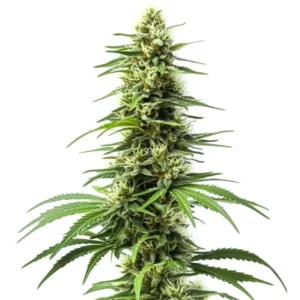
Banana Kush
Banana Kush is a sativa-dominant hybrid that excels in environments where nutrient levels are carefully monitored. Known for its uplifting effects and banana-like aroma, this strain responds well to the insights gained from nutrient analysis. Proper nutrient management can enhance its growth and flavor profile, making it a standout choice for discerning growers.
- Yield: Medium
- Flowering: 8-9 weeks
- THC: 17-21%
- Terpene Hints: Banana, tropical, earthy

Evaluating Cannabis Nutrient Uptake: Tissue and Sap Perspectives
Evaluating nutrient uptake in cannabis through both tissue and sap analysis provides a comprehensive knowing of plant health. Tissue analysis offers insight into nutrient storage, while sap analysis reveals current nutrient dynamics. Together, these methods enable growers to create effective nutrient plans that enhance plant growth and potency.
By using both methods, cultivators can address both chronic and acute nutrient issues. This dual approach ensures that cannabis plants receive the nutrients they need at every stage of development, leading to healthier plants and better yields.
FAQs on Nutrient analysis in cannabis: tissue vs sap breakdown
What is the main difference between tissue and sap analysis?
Tissue analysis provides a historical view of nutrient levels within the plant, showing what has been stored over time. This method is useful for identifying long-term nutrient trends and chronic deficiencies. By analyzing plant material, growers can develop fertilization plans that address nutrient imbalances and improve overall plant health.
On the other hand, sap analysis offers a real-time snapshot of nutrient uptake and movement within the plant. This method provides immediate feedback on the effectiveness of nutrient solutions, allowing for quick adjustments to feeding schedules. It’s particularly valuable for identifying and addressing transient nutrient issues before they impact growth.
How can sap analysis improve cannabis cultivation?
Sap analysis enhances cannabis cultivation by providing real-time data on nutrient uptake. This information allows growers to make timely adjustments to nutrient regimens, preventing deficiencies before they affect plant health and yield. By monitoring sap, cultivators can ensure that plants receive the right balance of nutrients at all stages of growth.
This proactive approach to nutrient management helps optimize plant development, resulting in healthier plants and more abundant harvests. By integrating sap analysis into their cultivation practices, growers can achieve better outcomes and maximize the potential of their cannabis strains.
Why is tissue analysis important for cannabis growers?
Tissue analysis is important for cannabis growers because it provides a comprehensive overview of nutrient storage within the plant. By examining the nutrient content of leaves and other plant parts, growers can identify patterns that may indicate deficiencies or toxicities. This information is crucial for developing effective fertilization plans that support healthy plant development.
While tissue analysis doesn’t provide real-time data, it offers valuable insights into long-term nutrient trends. This perspective is essential for planning future nutrient interventions and ensuring that plants have the resources they need to thrive. Tissue analysis remains a key component of a well-rounded nutrient management strategy.
Can both tissue and sap analysis be used together?
Yes, both tissue and sap analysis can be used together to provide a comprehensive knowing of nutrient dynamics in cannabis plants. Tissue analysis offers insights into nutrient storage, while sap analysis provides real-time data on nutrient uptake and movement. By integrating both methods, growers can create effective nutrient plans that enhance plant health and yield.
This dual approach allows cultivators to address both chronic and acute nutrient issues, ensuring that cannabis plants receive the nutrients they need at every stage of development. By leveraging the strengths of both methods, growers can optimize their cultivation practices and achieve better results.
What are the challenges of using sap analysis in cannabis cultivation?
One challenge of using sap analysis in cannabis cultivation is the need for specialized equipment and expertise. Collecting and analyzing sap requires precise techniques and tools, which can be a barrier for some growers. Additionally, interpreting sap analysis results can be complex, requiring a deep knowing of plant physiology and nutrient dynamics.
Despite these challenges, the benefits of sap analysis often outweigh the difficulties. The real-time data provided by sap analysis can lead to more informed decisions and better outcomes. With proper training and resources, growers can effectively integrate sap analysis into their cultivation practices, enhancing plant health and productivity.