Monitoring Transpiration to Avoid Nutrient Lockout in Marijuana

In the world of cannabis cultivation, monitoring transpiration to avoid nutrient lockout in marijuana is crucial. Transpiration is the process where plants release water vapor through small openings called stomata. This process helps in nutrient uptake and temperature regulation. Monitoring plant transpiration to prevent marijuana nutrient lockout requires attention to environmental conditions.
One might wonder how transpiration affects nutrient lockout in marijuana plants. When transpiration rates are too low, nutrients can accumulate in the soil, leading to lockout. On the flip side, excessive transpiration might result in nutrient deficiencies. This delicate balance is essential for maintaining healthy plants.
Recommended Strains

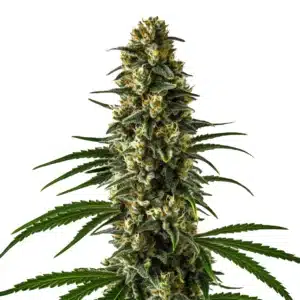
Blue Dream

|
THC | 17% - 24% (Medium) |

|
Type | Feminized |

|
Yield | High |

|
Phenotype | 50% Indica / 50% Sativa |
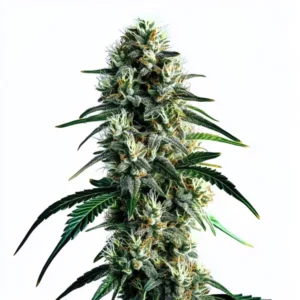
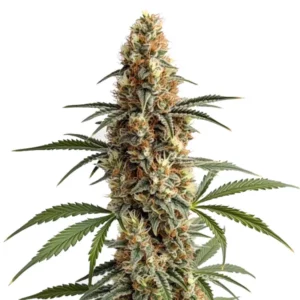
Super Silver Haze
|
|
THC | 22% - 24% (Medium) |
|
|
Type | Feminized |
|
|
Yield | High |
|
|
Phenotype | 10% Indica / 90% Sativa |
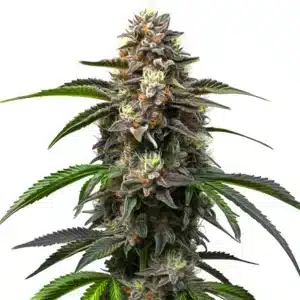
Cannabis strains such as Blue Dream from Blimburn Seeds are known for their resilience but still require careful monitoring. By keeping an eye on transpiration, you can ensure that your plants get the right amount of nutrients without risking lockout.
Importance of Transpiration Monitoring
Effective monitoring of transpiration can prevent many common issues in cannabis cultivation. Transpiration rates are influenced by factors like temperature, humidity, and light. These elements need to be balanced to ensure optimal plant health.
For example, a grow room with high humidity might slow down transpiration, leading to nutrient lockout. By using tools such as hygrometers, you can track humidity levels and adjust them accordingly. This helps in maintaining a stable environment for the plants.
Monitoring transpiration to avoid nutrient lockout in marijuana involves a thorough knowing of how these environmental factors interact. Regularly checking and adjusting these variables ensures that plants are neither overburdened with excess nutrients nor deprived of essential ones. This balance is key to preventing nutrient lockout in cannabis through effective transpiration monitoring.
Additionally, the impact of transpiration on nutrient uptake in marijuana cultivation cannot be overstated. Proper transpiration rates allow for the seamless movement of nutrients from the soil into the plant, promoting robust growth and productivity. By diligently monitoring plant transpiration to prevent marijuana nutrient lockout, growers can elevate their cultivation practices and achieve consistent yields.
Promos & Deals
Techniques to Monitor Transpiration
Several techniques can be employed for cannabis transpiration tracking to avoid nutrient deficiencies. One method is to measure the weight of the pots before and after watering. This helps in knowing how much water the plants are using.
Another effective way is to use leaf temperature sensors. These sensors provide real-time data on how the plant is transpiring. A decrease in leaf temperature usually indicates high transpiration rates. Adjusting light and temperature can help in maintaining healthy transpiration levels.
Advanced techniques in monitoring transpiration to avoid nutrient lockout in marijuana include integrating technology such as automated irrigation systems. These systems can be calibrated to deliver precise amounts of water based on real-time transpiration data, ensuring that the plants receive just the right amount of moisture without risking lockout.
Furthermore, employing drones equipped with thermal cameras can offer a bird’s-eye view of plant health and transpiration rates. This innovative approach to cannabis transpiration tracking to avoid nutrient deficiencies allows for quick identification of areas within a cultivation site that require attention, ensuring uniform growth and minimizing nutrient-related issues.

Choosing the Right Strains
Choosing strains that are well-suited to your growing environment can make a big difference. For instance, Girl Scout Cookies from Blimburn Seeds is known for its adaptability to various climates. This strain is less prone to nutrient lockout due to its robust nature.
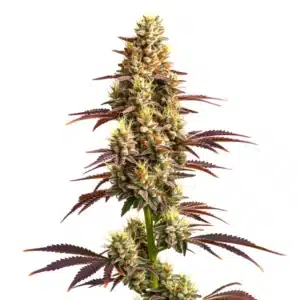
Another strain to consider is Super Silver Haze. This strain thrives in environments where transpiration is efficiently regulated. It’s an excellent choice for growers looking to minimize nutrient issues.
When selecting cannabis strains, knowing how transpiration affects nutrient lockout in marijuana plants is crucial. Strains that efficiently manage water and nutrient uptake are less likely to suffer from lockout, even under less-than-ideal growing conditions. Consider strains with a proven track record of resilience and adaptability to enhance your cultivation success.
Incorporating strain-specific knowledge into your cultivation strategy can significantly reduce the risk of nutrient lockout. By aligning your environmental controls with the natural requirements of your chosen strains, you are not only optimizing growth conditions but also effectively preventing nutrient lockout in cannabis through effective transpiration monitoring.
Environmental Controls
Environmental controls are vital in managing transpiration. Using fans to increase air circulation can help in regulating humidity and temperature. This, in turn, supports proper transpiration rates.
Using a dehumidifier can also be beneficial in damp climates. It helps in reducing excess moisture, allowing the plants to transpire more effectively. This prevents the risk of nutrient buildup and lockout.
Integrating advanced environmental control systems is a proactive step in maintaining optimal cultivation conditions. By automating temperature, humidity, and airflow adjustments, growers can achieve consistent transpiration rates, thereby safeguarding against nutrient lockout. Monitoring transpiration to avoid nutrient lockout in marijuana becomes more manageable with these automated solutions.
Furthermore, the strategic use of reflective materials and shading can help modulate light exposure, impacting transpiration rates and nutrient uptake. By tailoring your grow environment to support healthy transpiration levels, you enhance the overall health and yield potential of your cannabis plants, reducing the likelihood of nutrient-related issues.
Real-life Examples and Tips
One grower shared their experience with nutrient lockout caused by poor transpiration. They noticed wilting leaves and nutrient burn. By adjusting the humidity and using a fan, they were able to restore transpiration levels and revive their plants.
Another cultivator found success by using automated systems to track and adjust environmental conditions. This hands-off approach allowed them to focus on other aspects of their grow, ensuring robust plant health.
In another example, a grower implemented a comprehensive cannabis transpiration tracking to avoid nutrient deficiencies by employing both technology and traditional methods. By combining digital sensors with regular visual inspections, they maintained optimal plant health and minimized nutrient lockout risks.
Experienced cultivators often emphasize the importance of flexibility and adaptation. As conditions change, so should your approach to monitoring transpiration to avoid nutrient lockout in marijuana. Being attentive and responsive to your plants’ needs is key to a thriving cannabis garden.
- Use hygrometers to monitor humidity levels.
- Integrate fans for better air circulation.
- Select strains that align with your climate.
- Consider automated environmental control systems.
- Regularly check plant leaves for signs of nutrient issues.

FAQs
Why is monitoring transpiration important in cannabis cultivation?
Transpiration is essential because it aids in nutrient uptake and temperature regulation. When transpiration rates are off balance, it can lead to nutrient lockout, affecting the overall health of the marijuana plant. By monitoring transpiration, you can ensure that your plants are getting the right nutrients.
For growers, effective transpiration monitoring means fewer nutrient-related issues. It allows for better management of environmental conditions, ultimately leading to healthier and more robust cannabis plants. Strains like Blue Dream can benefit significantly from such careful monitoring.
Monitoring plant transpiration to prevent marijuana nutrient lockout is a critical component of successful cannabis cultivation. By knowing how transpiration affects nutrient lockout in marijuana plants, growers can tailor their environmental controls to maintain ideal growing conditions and prevent nutrient issues.
Moreover, the impact of transpiration on nutrient uptake in marijuana cultivation underscores the importance of precise monitoring. By using the right tools and techniques, growers can optimize their cultivation practices and achieve consistent, high-quality yields.
How does transpiration affect nutrient lockout?
Transpiration plays a crucial role in moving nutrients from the soil into the plant. If transpiration is too low, nutrients can accumulate in the soil, causing lockout. Conversely, if transpiration is too high, it might lead to deficiencies as nutrients are used up too quickly.
Growers need to strike a balance by monitoring environmental conditions. By doing so, they can prevent nutrient lockout in cannabis through effective transpiration monitoring. This ensures that plants receive the nutrients they need to thrive.
The delicate balance of transpiration is a defining factor in the health of cannabis plants. Knowing how transpiration affects nutrient lockout in marijuana plants is crucial for maintaining this balance. By adjusting environmental factors like humidity and temperature, growers can ensure that nutrients are absorbed efficiently and effectively.
Preventing nutrient lockout in cannabis through effective transpiration monitoring requires a proactive approach. By consistently evaluating transpiration rates and adjusting growing conditions accordingly, growers can minimize nutrient-related issues and maximize plant health and productivity.
What tools can help in monitoring transpiration?
Several tools can assist in monitoring transpiration effectively. Hygrometers are used to measure humidity levels, while leaf temperature sensors can provide data on plant transpiration rates. These tools help growers maintain optimal growing conditions.
Additionally, automated environmental control systems can adjust humidity, temperature, and air circulation. These systems remove much of the guesswork, allowing growers to focus on other important aspects of cultivation.
Advanced tools like thermal imaging cameras and soil moisture sensors offer real-time insights into the transpiration process. These technologies aid in cannabis transpiration tracking to avoid nutrient deficiencies by providing precise data that can guide environmental adjustments.
Investing in comprehensive monitoring systems is a wise decision for any serious cultivator. By leveraging technology to monitor transpiration to avoid nutrient lockout in marijuana, growers can achieve a higher level of precision and control over their cultivation environment, leading to healthier plants and better yields.
Can strain selection impact nutrient lockout?
Yes, choosing the right strain can significantly affect nutrient lockout. Strains like Girl Scout Cookies are adaptable and less prone to nutrient issues, making them ideal for beginners. Super Silver Haze is another excellent choice due to its efficient transpiration regulation.
By selecting strains that align with your growing environment, you can reduce the risk of nutrient lockout. This proactive approach allows for healthier plants and a more successful cultivation experience.
Strain selection plays a pivotal role in how transpiration affects nutrient lockout in marijuana plants. Opting for strains known for their resilience and adaptability can mitigate the risks associated with nutrient lockout, providing a more forgiving cultivation experience.
Knowing the specific transpiration needs of different strains allows growers to tailor their environmental controls to match plant requirements. This alignment is key to preventing nutrient lockout in cannabis through effective transpiration monitoring and enhances the potential for successful harvests.
What are common signs of nutrient lockout?
Nutrient lockout often presents as yellowing leaves, wilting, and nutrient burn. These symptoms occur because the plant is unable to absorb the nutrients it needs, despite their presence in the soil. It’s important to address these signs promptly.
Adjusting environmental conditions and monitoring transpiration can help resolve these issues. Regular checks and balances in your grow setup will prevent long-term damage and promote healthier plant growth.
Recognizing early signs of nutrient lockout can make a significant difference in the outcome of your grow. Monitoring plant transpiration to prevent marijuana nutrient lockout involves being vigilant for symptoms like stunted growth and discolored foliage, which can indicate underlying nutrient issues.
By implementing regular inspections and making necessary environmental adjustments, growers can swiftly address nutrient lockout concerns. This proactive approach ensures that plants remain healthy and continue to thrive, maximizing both yield and quality.