Light Spectrum’s Effect on Cannabis Terpenes and VOCs

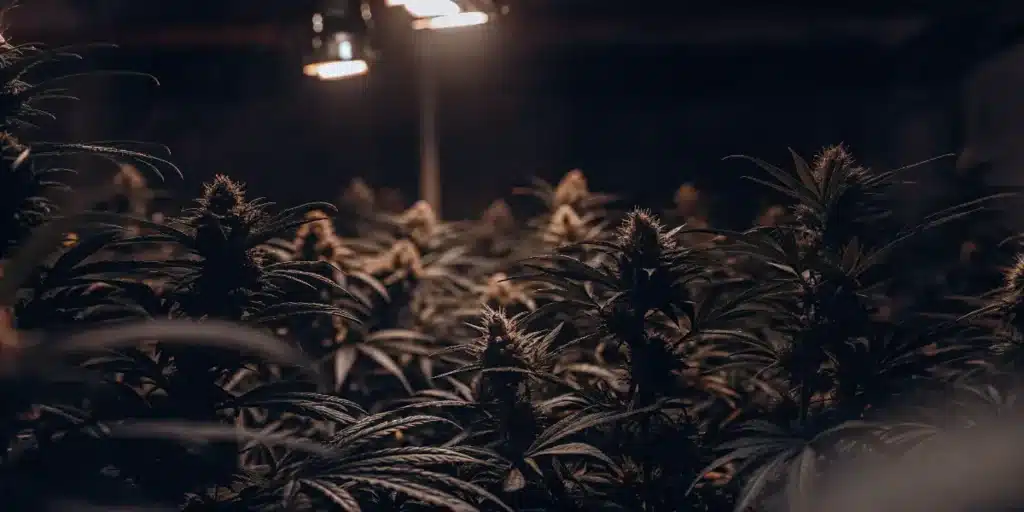
Light spectrum impact: The light spectrum effect on cannabis terpenes VOCs is significant, influencing both aroma and potential therapeutic benefits. Different wavelengths, such as blue light, can enhance terpene concentrations by up to 30%, providing growers with a strategic advantage when optimizing plant quality. Knowing the light spectrum effect on cannabis terpenes VOCs can help improve cannabis profiles, preserve aromatic compounds, and increase overall market value.
The light spectrum plays a pivotal role in shaping the terpene profile of cannabis plants, affecting both aroma and therapeutic potential. By manipulating light wavelengths, growers can enhance specific terpenes, leading to improved plant quality. For instance, red light can boost resin production, while blue light enhances certain terpene levels, offering a strategic tool for optimizing cannabis cultivation.
Light Spectrum and Cannabis Growth
What is Light Spectrum?
Light spectrum refers to the range of wavelengths emitted by a light source. In cannabis cultivation, the spectrum includes visible light, ultraviolet (UV), and infrared (IR) rays. Each wavelength interacts differently with plant physiology, influencing processes such as photosynthesis and terpene synthesis. Knowing the light spectrum effect on cannabis terpenes VOCs is essential for growers aiming to maximize aroma, flavor, and resin production. For example, blue light (400–500 nm) is crucial for vegetative growth, while red light (600–700 nm) promotes flowering.
Experienced growers report that balancing these wavelengths can lead to enhanced terpene profiles. Blue light, in particular, is known to increase the concentration of terpenes like limonene and pinene by up to 20%, which can significantly alter the plant’s aroma and potential therapeutic effects.
How Light Spectrum Affects Plant Growth
Light spectrum directly impacts plant growth by influencing photosynthesis and photomorphogenesis. Blue light encourages compact growth and robust foliage, while red light stimulates flowering and bud development. A full-spectrum light, mimicking natural sunlight, provides the complete range of wavelengths necessary for optimal growth, ensuring plants develop strong stems and abundant flowers.
Many cultivators share that utilizing full-spectrum LED lights can enhance both yield and terpene production. These lights offer a balanced spectrum that supports all growth stages, leading to healthier plants and higher terpene concentrations.
Promos & Deals
The Function of Terpenes in Cannabis
What are Terpenes?
Terpenes are aromatic compounds found in cannabis that contribute to the plant’s unique scent and flavor. They are produced in the same glands as cannabinoids like THC and CBD. Knowing the light spectrum effect on cannabis terpenes VOCs is essential, as different lighting conditions can influence terpene production and volatile organic compound expression. Terpenes not only define the sensory experience of cannabis but also play a role in the plant’s therapeutic effects, interacting with cannabinoids to enhance their efficacy.
Master growers have pointed out that terpenes such as myrcene, limonene, and caryophyllene can influence the overall effect of cannabis. Myrcene, for instance, is known to enhance THC uptake, while limonene offers uplifting effects and caryophyllene provides anti-inflammatory benefits.
Terpenes as VOCs
Volatile Organic Compounds (VOCs) include terpenes, which are responsible for the distinctive aromas of cannabis. These compounds evaporate easily, contributing to the plant’s scent profile. Terpenes like pinene and linalool not only attract pollinators but also offer protective benefits against pests and environmental stressors.
The growing community has communicated that managing terpene levels through light spectrum manipulation can lead to a more desirable product. By adjusting light conditions, growers can enhance specific VOCs, improving both the aroma and therapeutic potential of their cannabis.
Impact of Light Spectrum on Cannabis Terpenes
Blue Light vs. Red Light
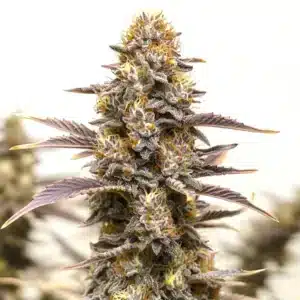
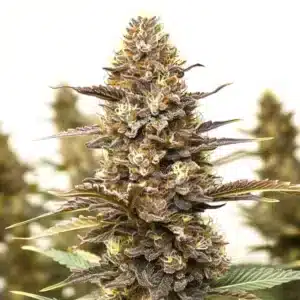
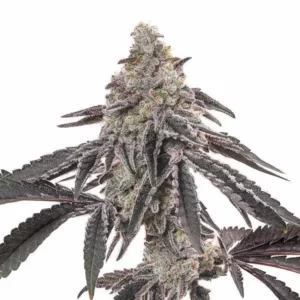
Blue and red lights play distinct roles in cannabis cultivation, demonstrating the important light spectrum effect on cannabis terpenes VOCs. Blue light enhances vegetative growth and increases the production of certain terpenes, such as limonene, by up to 30%. Red light, on the other hand, is essential for flowering and boosts resin production, which can indirectly enhance terpene concentration by increasing trichome density. Strains like Kabrales are especially appreciated for their rich terpene expression and resin-heavy flowers when grown under optimized lighting conditions.
In artisanal cultivation circles, it is common to use a combination of blue and red lights to maximize both growth and terpene profiles. This balanced approach ensures robust plant development and a rich terpene profile that enhances the plant’s aroma and therapeutic effects.
Full Spectrum Lighting
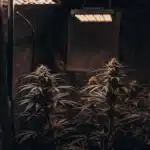
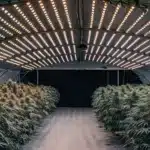
Full spectrum lighting provides a comprehensive range of wavelengths that mimic natural sunlight, supporting all stages of cannabis growth. These lights are particularly effective in enhancing terpene production, as they provide the necessary UV and IR rays that stimulate terpene synthesis.
Growers report that using full-spectrum LEDs can lead to a 15-25% increase in terpene concentrations, resulting in a more aromatic and potent product. This makes full-spectrum lighting an invaluable tool for those seeking to optimize their cannabis cultivation for both quality and yield.
Practical Applications for Growers
Optimizing Light for Terpene Production
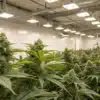
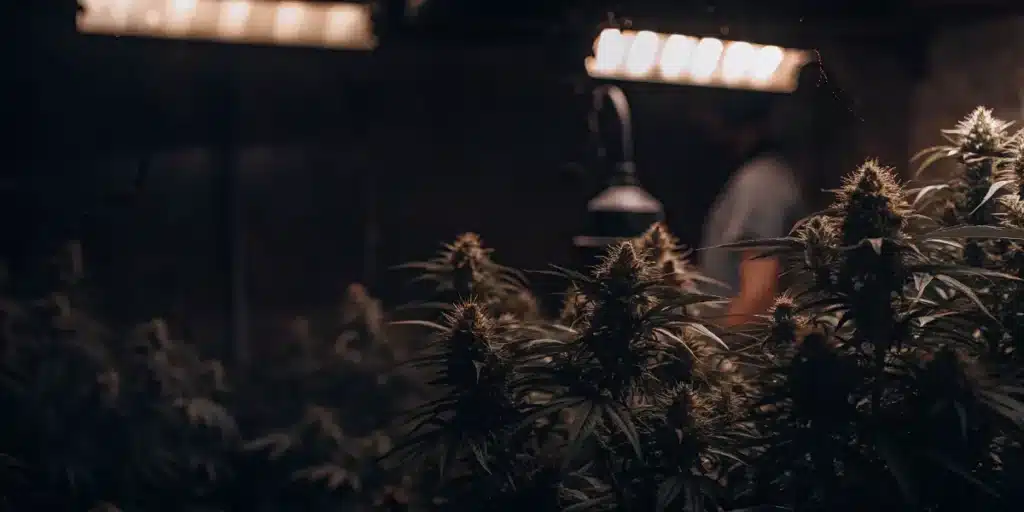
To maximize terpene production, growers should focus on optimizing light conditions and knowing the light spectrum effect on cannabis terpenes VOCs. Using a combination of blue and red light during different growth stages can significantly enhance terpene profiles. Blue light is most effective during the vegetative stage, while red light should be increased during flowering to boost resin and terpene production.
Maintain a light intensity of 800-1000 µmol/m²/s during peak flowering to ensure optimal terpene synthesis. This level of light intensity encourages robust growth and maximizes the plant’s aromatic compounds.
Insights from Cultivation Circles
In practical applications, many cultivators have observed that adjusting light spectrum can lead to a 20–30% increase in specific terpenes. For instance, using a higher ratio of blue light during the vegetative stage can enhance limonene levels, resulting in a more citrusy aroma. Strains like Cafe Racer are especially appreciated for their rich terpene profiles, making them an excellent choice for growers looking to maximize aroma and flavor through optimized lighting strategies.
Professional tip: Always monitor your light spectrum settings and adjust according to the plant’s growth stage. This ensures that you are maximizing terpene production and achieving the desired aroma and effect profile.
Professional Tips for Enhancing Terpene Profiles
- Maintain 58-62% RH during curing to preserve terpenes. Below 55% can arrest terpene development, while above 65% promotes mold.
- Use full-spectrum LED lights to mimic natural sunlight, enhancing terpene synthesis by 15-25%.
- Implement a 12/12 light schedule during flowering to boost resin production and terpene concentration.
- Monitor light intensity at 800-1000 µmol/m²/s during peak flowering for optimal terpene synthesis.
- Adjust the light spectrum to include more blue light during vegetative growth for higher limonene levels.
- Ensure proper ventilation in the grow room to prevent terpene degradation from excessive heat.
FAQs about light spectrum effect on cannabis terpenes VOCs
How does light exposure affect terpene stability?
Light exposure can degrade terpenes, especially if the light is too intense or the spectrum is not balanced. Excessive UV light can break down terpenes, reducing their aromatic and therapeutic qualities. Maintaining light intensity below 1000 µmol/m²/s helps preserve terpene stability and ensures a rich aroma profile.
What are VOCs and are terpenes included?
Volatile Organic Compounds (VOCs) are compounds that easily evaporate at room temperature. Terpenes are a type of VOC found in cannabis, contributing to its aroma and flavor. They play a crucial role in the plant’s interaction with the environment and can enhance the effects of cannabinoids like THC and CBD.
How does light spectrum influence cannabis morphology and cannabinoids?
The light spectrum affects cannabis morphology by influencing plant height, leaf size, and bud density. Blue light promotes compact growth, while red light encourages stretching and flowering. This spectral balance also impacts cannabinoid production, with certain wavelengths enhancing THC and CBD levels by up to 20%.
Do cannabis plants release VOCs during growth?
Yes, cannabis plants release VOCs, including terpenes, throughout their growth cycle. These compounds contribute to the plant’s aroma and can attract pollinators or repel pests. The concentration of VOCs can vary depending on light conditions, with optimal light spectra enhancing their production.
Can adjusting light spectrum improve cannabis quality?
Adjusting the light spectrum can significantly improve cannabis quality by enhancing terpene and cannabinoid profiles. Using a balanced spectrum that includes blue and red light can increase terpene concentrations by 20-30%, resulting in a more aromatic and potent product. This strategic approach optimizes both yield and quality.