Purple Weed: What It Is and Why It Turns Purple

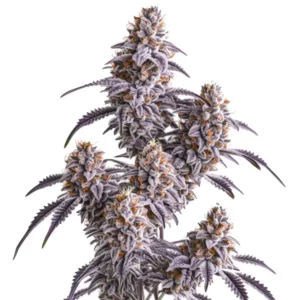
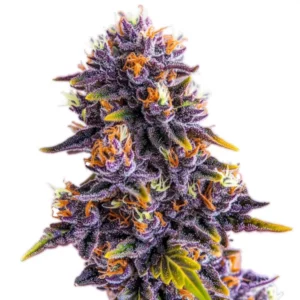
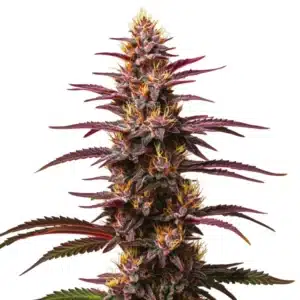
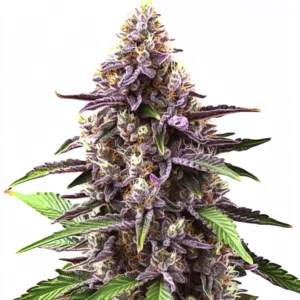
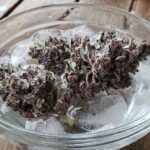
Purple weed is cannabis whose buds and leaves turn shades of purple, blue or violet because of anthocyanins, natural pigments the plant expresses thanks to its genetics, often brought out by cooler temperatures late in flowering. It is the same family of pigments that colors blueberries and red cabbage. Importantly, purple color does not mean the weed is more potent; potency comes from cannabinoids and genetics, not pigment, though purple strains can have their own terpene and effect profiles. People love purple cannabis mainly for its striking looks (‘bag appeal’) and often sweet, fruity flavors. Below we cover why it turns purple, whether it’s any different, and top purple strains to grow.
Purple Weed at a Glance
The key facts about purple cannabis:
Recommended Strains

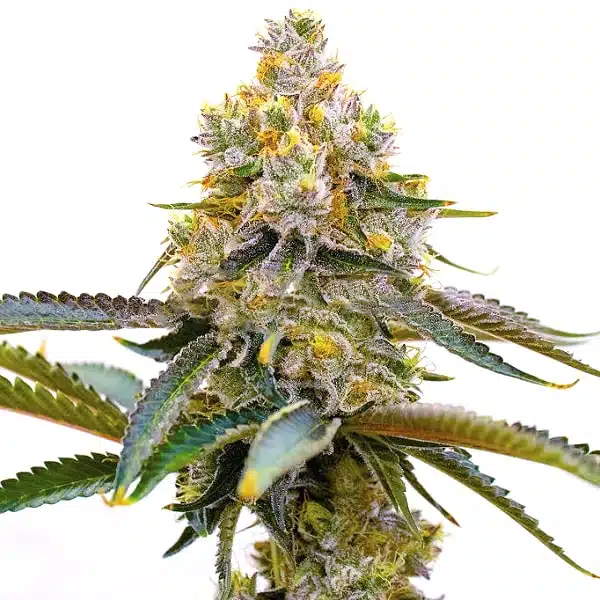
Alaskan Purple

|
THC | 15% - 20% (Medium) |

|
Type | Feminized |

|
Yield | Medium |

|
Phenotype | 70% Indica / 30% Sativa |
Amnesia Purple
|
|
THC | 18% - 21% (Medium) |
|
|
Type | Feminized |
|
|
Yield | High |
|
|
Phenotype | 30% Indica / 70% Sativa |
| Question | Answer |
|---|---|
| What causes the color? | Anthocyanin pigments (genetic) |
| What triggers it? | Genetics, often brought out by cool temps in late flower |
| More potent? | No, color doesn’t affect THC/potency |
| Typical appeal | Looks (‘bag appeal’), often sweet/fruity flavor |
| Examples | Peyote Cookies, Purple Thai, Purple Lemon |
Promos & Deals
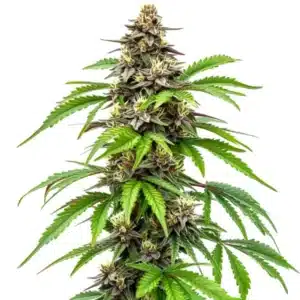
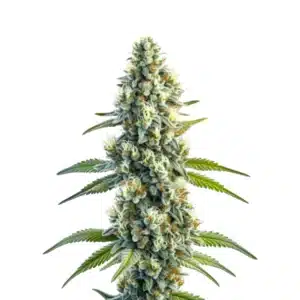
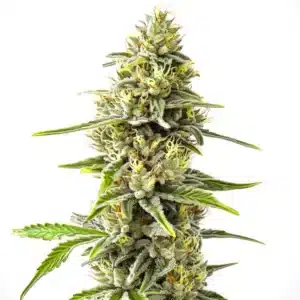
Why Does Cannabis Turn Purple?
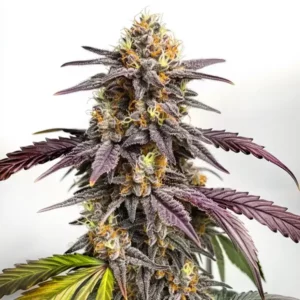
The purple comes from anthocyanins, the same natural pigments that make blueberries, grapes and red cabbage their colors. Whether a plant can go purple is set by its genetics: some strains carry high anthocyanin potential and others simply never will, no matter how you grow them. In strains that have the genetic potential, the pigments often become visible when cooler temperatures (especially cooler nights late in flowering) reduce chlorophyll, letting the purple show through the fading green. pH and other factors can influence the exact hue.
This is why you’ll hear that ‘cold makes weed purple’, it’s partly true, but only if the genetics are there in the first place. Forcing extreme cold on a non-purple strain won’t make it purple and can stress the plant, so purple is really genetics first, environment second.
Does Purple Weed Hit Different?
Here’s the honest answer growers deserve: the purple color itself does not make cannabis stronger. Potency is driven by cannabinoid content (THC, CBD and others), which depends on genetics, growing and harvest timing, not on pigment. A purple bud and a green bud of similar genetics and quality can be equally potent. That said, many purple strains do have their own character, distinct terpene profiles that can lean sweet, fruity or grape-like, and some people associate certain purple indicas with relaxing effects, but that comes from the strain’s overall genetics, not the color.
So enjoy purple weed for its beauty and often lovely flavor, but don’t pay a premium assuming purple equals more THC. A frosty, trichome-covered bud tells you far more about potency than its color does.
Top Purple Strains to Grow
If you want that eye-catching color, choose genetics bred for it. Classics and favorites include Peyote Cookies, a richly colored, flavorful indica-leaning strain; Purple Thai, a storied purple-tinged variety; and Purple Lemon, which pairs purple hues with a citrus twist, among many other ‘purple’ and ‘grape’ named strains. These are examples, there are plenty of purple-capable hybrids, autos and indicas to explore.
When choosing, look for strains that clearly state high anthocyanin or purple genetics, and remember you’ll get the best color by also giving them cooler nights in late flower. Browse relaxing, colorful options in our indica seeds collection, and see our dedicated guides to purple marijuana strain seeds and the purple weed plant.
How to Grow Purple Weed
Growing purple cannabis is mostly about genetics plus a little environmental coaxing. Start with a strain that has genuine purple potential, this is non-negotiable, since no technique turns a green-only strain purple. Then, in late flowering, slightly cooler night temperatures can help the anthocyanins show by letting chlorophyll fade, which is why outdoor autumn grows and controlled indoor temperature drops often produce the deepest colors.
Keep the plant healthy, don’t confuse genuine purpling with stress symptoms (nutrient issues or cold damage look different and harm the plant), and never freeze your plants chasing color. Grow the strain well for potency and let the purple be the bonus. Harvest on trichomes as usual. Done right, you get buds that are both beautiful and high quality.
Is Purple Weed ‘the Future’?
So, is purple cannabis the future? It’s fairer to say it’s a popular and enduring niche than the single direction cannabis is heading. Purple strains have strong appeal, striking looks that stand out on a shelf and often delicious fruity flavors, and breeders keep producing new colorful hybrids, so purple is certainly here to stay and growing in popularity. But the market still values potency, flavor and consistency above color, and plenty of top-shelf flower is green. Think of purple as a prized trait that adds beauty and flavor variety rather than a replacement for everything else.
If you love the look and taste, purple weed is a rewarding thing to grow and enjoy, just choose it for genuine quality and aesthetics, not on the myth that color means strength.

FAQs of Purple Weed
Why does weed turn purple?
Because of anthocyanin pigments, the same ones in blueberries and red cabbage, which the plant expresses based on its genetics. In strains with that potential, cooler temperatures (especially cool nights in late flower) reduce chlorophyll and let the purple show. Without the genetics, no amount of cold will turn a plant purple.
Does purple weed hit harder?
No. The purple color comes from pigment, not cannabinoids, so it doesn’t make weed stronger. Potency depends on genetics, growing and harvest timing. A purple bud isn’t automatically more potent than a green one of similar quality, though purple strains can have their own terpene and flavor profiles. Judge potency by quality, not color.
How do I grow purple weed?
Start with a strain that has genuine purple (high-anthocyanin) genetics, this is essential, then give it slightly cooler night temperatures in late flower to help the color show as chlorophyll fades. Keep the plant healthy and never freeze it chasing color. Grow for quality and potency, and let the purple be a bonus.
What are the best purple strains?
Popular purple-capable strains include Peyote Cookies, Purple Thai and Purple Lemon, among many ‘purple’ and ‘grape’ varieties across indicas, hybrids and autos. Look for strains that clearly state purple or high-anthocyanin genetics, and give them cool late-flower nights for the deepest color. Check each strain’s page for its profile.