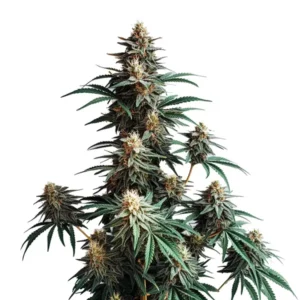
Is Cannabis Allelopathic or a Beneficial Companion Plant

As more growers delve into the art of cannabis cultivation, many wonder about the role of cannabis in companion planting. Is cannabis allelopathic or a beneficial companion plant? This question highlights the ongoing debate about whether cannabis releases chemicals that hinder nearby plants or supports their growth through natural synergy. Knowing this dynamic is key to creating a thriving garden where every plant contributes to a harmonious and productive ecosystem.
Companion planting is a practice where plants are grown together for mutual benefits. Some plants release chemicals through their roots or leaves, known as allelopathy, which can inhibit the growth of others. However, cannabis is generally known for its beneficial companion planting attributes. It can enhance the ecosystem, deter pests, and improve overall plant health.
Recommended Strains

Green Crack Auto

|
THC | 18% - 20% (Medium) |

|
Type | Autoflowering |

|
Yield | High |

|
Phenotype | 50% Indica / 50% Sativa |

GG4
|
|
THC | 27% (High) |
|
|
Type | Feminized |
|
|
Yield | High |
|
|
Phenotype | 40% Indica / 60% Sativa |
In this article, we’ll explore the intricacies of cannabis as a companion plant. We’ll also highlight some excellent cannabis strains from Blimburn Seeds that can thrive in companion planting setups. Let’s dive into how these principles can optimize your growing experience.
Knowing Allelopathy in Plants
Allelopathy refers to the chemical interactions between plants. Some plants release allelochemicals that can have beneficial or detrimental effects on neighboring species. For cannabis growers, knowing these interactions is crucial for successful cultivation. A common question among cultivators is “Is cannabis allelopathic or a beneficial companion plant?” exploring this helps determine whether cannabis inhibits nearby growth or supports surrounding plants through symbiotic relationships.
What Is Allelopathy?
Allelopathy is the release of biochemicals by a plant that can impact the growth, survival, and reproduction of other plants. These chemicals can be found in leaves, roots, and stems. While some plants use this mechanism to suppress competition, others may inadvertently harm nearby plants.
For cannabis, the question is whether it acts as an inhibitor or a growth promoter in mixed plant gardens. Fortunately, evidence suggests that cannabis does not exhibit strong allelopathic tendencies, making it suitable for companion planting.
Examples of Allelopathic Plants
Common examples of allelopathic plants include black walnut trees and sunflowers. These plants release chemicals that can inhibit the growth of certain species. Gardeners need to be aware of these interactions to prevent unwanted effects in their gardens.
Knowing which plants exhibit allelopathic traits helps gardeners plan their layouts effectively. By placing non-competitive and beneficial plants together, you can cultivate a garden that thrives.
Promos & Deals


The Benefits of Cannabis as a Companion Plant
Cannabis is often viewed as a beneficial companion plant. It can help deter pests, support soil health, and contribute to a balanced ecosystem. These advantages make it a popular choice for gardeners who practice companion planting.
Cannabis Companion Planting Benefits
Cannabis can deter pests naturally, thanks to its strong aroma and resinous nature. By planting cannabis alongside other crops, growers can reduce the need for chemical pesticides. This approach aligns well with organic growing principles.
Moreover, cannabis roots help improve soil structure and nutrient cycling. They interact with soil microbes, enhancing the availability of nutrients for surrounding plants. This interaction is crucial for maintaining healthy soil and promoting robust plant growth.
Examples of Beneficial Plant Partners
Some plants pair exceptionally well with cannabis. Marigolds, for instance, are known for repelling harmful nematodes and attracting beneficial insects. Lavender can complement cannabis by deterring pests and offering aromatic benefits.
By integrating these plants with cannabis, growers can create a self-sustaining garden. The synergy between these plants enhances yields and promotes biodiversity, leading to a healthier growing environment.

Choosing the Right Cannabis Strains for Companion Planting
Selecting the right cannabis strain is vital for successful companion planting. Certain strains perform better in mixed gardens than others. Here, we highlight three strains from Blimburn Seeds that are ideal for this purpose.
GG4
The GG4 strain is a resilient and versatile option. Known for its robust growth and high resin production, GG4 is an excellent choice for pest deterrence. Its strong aroma can help mask the scent of other plants, reducing the likelihood of attracting pests.
In a companion planting setup, GG4 can thrive alongside herbs like basil or cilantro. These herbs benefit from the pest-repelling properties of GG4, creating a symbiotic environment.
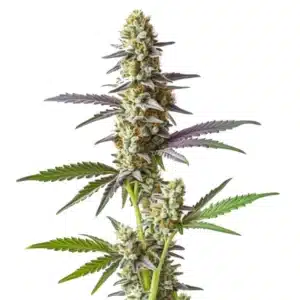
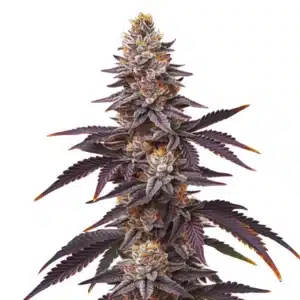
Purple Lemonade Autoflower
Purple Lemonade Autoflower is perfect for growers seeking a low-maintenance strain. Its autoflowering nature allows for a quicker harvest, making it an excellent choice for gardeners with limited time. This strain’s vibrant colors add an aesthetic appeal to any garden.
The compact size of Purple Lemonade Autoflower makes it ideal for small spaces. It can be paired with plants like chamomile or thyme, which benefit from the open space and enhanced growth environment provided by this strain.
Green Crack Auto
Green Crack Auto is a high-yielding strain known for its energetic effects. It’s a great choice for growers looking to maximize their harvest in a companion planting setup. Its vigorous growth supports the development of a lush canopy.
When planted with nutrient-fixing plants like clover or beans, Green Crack Auto benefits from the added nitrogen, boosting its growth potential. This pairing exemplifies the mutual benefits that companion planting can offer.

FAQs about Is cannabis allelopathic or a beneficial companion plant
Is cannabis allelopathic or a beneficial companion plant?
Cannabis is generally not considered allelopathic. It doesn’t release chemicals that inhibit the growth of neighboring plants. Instead, cannabis is often seen as a beneficial companion plant. It can deter pests and improve soil health, making it an asset in mixed plant gardens.
Growers have found success pairing cannabis with various herbs and flowers. By doing so, they enhance biodiversity and create a balanced ecosystem. This approach reduces the need for pesticides and promotes sustainable growing practices.
What are the benefits of cannabis companion planting?
Cannabis companion planting offers several benefits. It helps deter pests naturally, reducing the reliance on chemical pesticides. Cannabis also enhances soil quality by interacting with soil microbes, improving nutrient availability for all plants.
By fostering a diverse plant environment, growers can achieve higher yields and healthier plants. Companion planting with cannabis encourages a self-sustaining ecosystem, beneficial for both small and large-scale gardens.
Which cannabis strains are best for companion planting?
Strains like GG4, Purple Lemonade Autoflower, and Green Crack Auto are excellent choices for companion planting. These strains are known for their resilience and compatibility with other plants. They offer pest-deterrent properties and enhance the overall garden environment.
Each strain has unique attributes that make it suitable for different companion planting setups. Depending on your garden’s needs, selecting the right strain can lead to a thriving and productive garden.
How does cannabis improve soil health?
Cannabis roots interact with soil microbes, promoting nutrient cycling and improving soil structure. This interaction enhances the availability of essential nutrients, benefiting not only cannabis but also surrounding plants.
The presence of cannabis in a garden can lead to healthier soil, reducing the need for additional fertilizers. This natural improvement in soil quality supports sustainable and organic growing practices.
Can cannabis be grown with any plant?
While cannabis is versatile, it’s important to choose compatible plant partners. Herbs like basil, lavender, and marigolds are excellent companions due to their pest-repelling properties and mutual benefits.
By selecting plants that complement cannabis, growers can create a thriving garden ecosystem. This careful planning ensures that all plants benefit from each other’s presence, leading to a successful and productive growing season.